
Hear from Our Customers
You’re not wondering if that smell will come back. You’re not second-guessing whether your kids’ coughing is from something growing behind the walls. And you’re definitely not dealing with a buyer backing out because an inspector found spores in your crawl space.
When mold mitigation is done correctly, your air quality improves within days. The musty smell disappears. Your family stops dealing with unexplained respiratory issues, and you can actually use your basement again without worry.
Here’s what matters: East Bradford sits in an area where 25% of properties face severe flooding risk over the next 30 years. That means water intrusion isn’t rare here—it’s expected. And where water goes, mold follows within 48 hours if conditions are right. Professional mold mitigation doesn’t just remove what you see. It addresses the moisture source, removes contaminated materials safely, and prevents regrowth so you’re not paying twice for the same problem.
We work throughout East Bradford and the surrounding Bucks County area. We know the homes here—the older construction, the basement moisture issues, the attic ventilation problems that create perfect conditions for growth.
You’re dealing with a company that understands local building styles and common failure points. Many East Bradford homes were built before modern moisture barriers existed. That history matters when you’re diagnosing why mold keeps coming back or why your 1950s stone house has persistent dampness issues.
We handle everything from emergency water mold restoration after a pipe burst to planned attic mold mitigation before you list your house. Our team is certified, our methods follow EPA standards, and we document everything for insurance claims or real estate transactions.
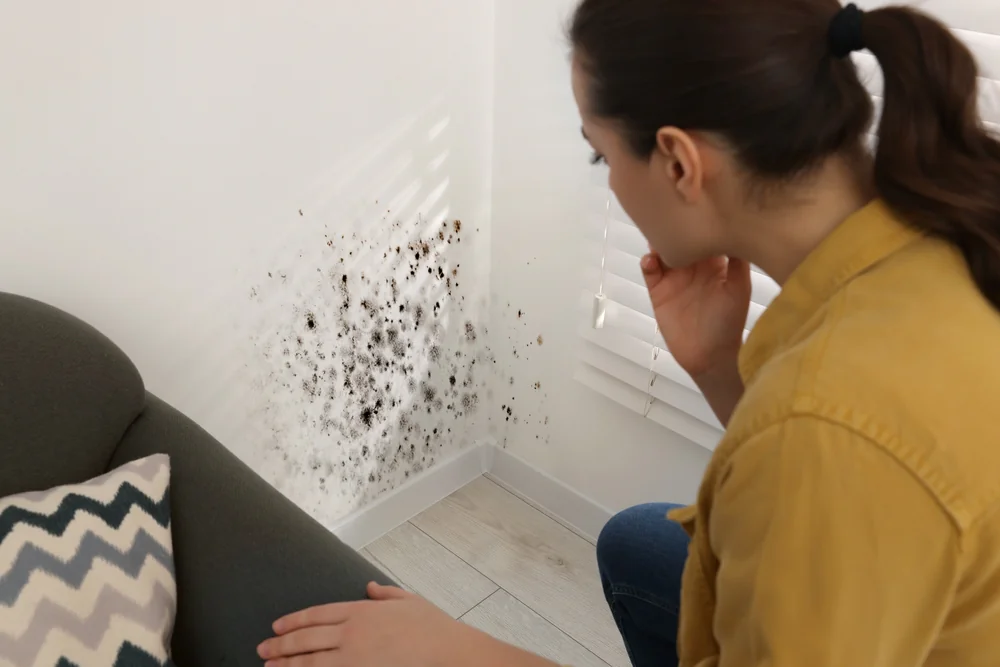
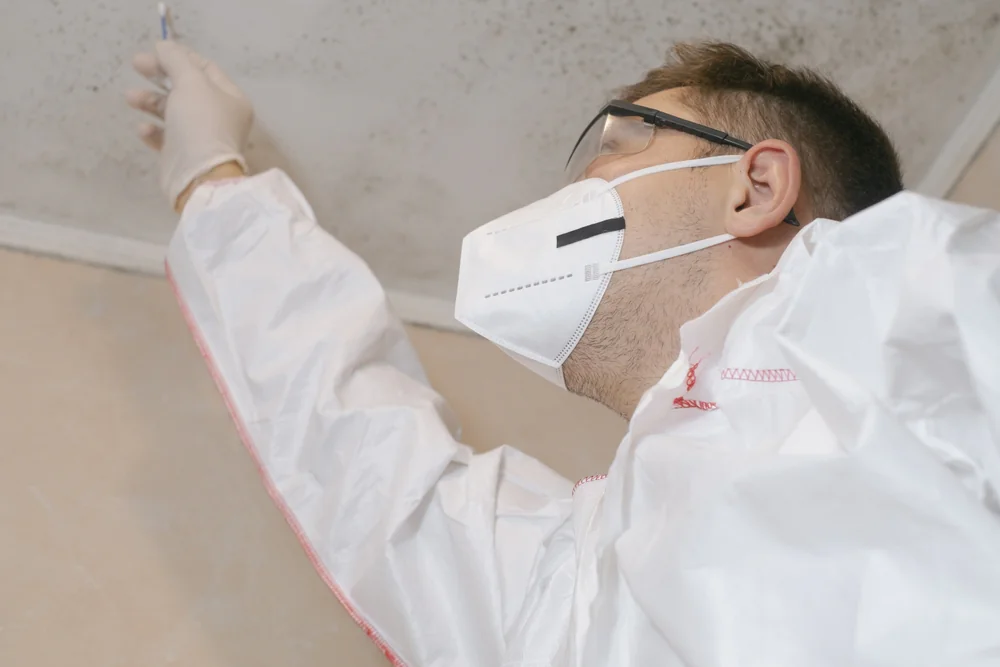
First, we inspect everything—not just the obvious spots. Mold grows in wall cavities, under flooring, in HVAC ducts, and behind wallpaper. We use moisture meters and thermal imaging to find hidden problems before they become expensive surprises.
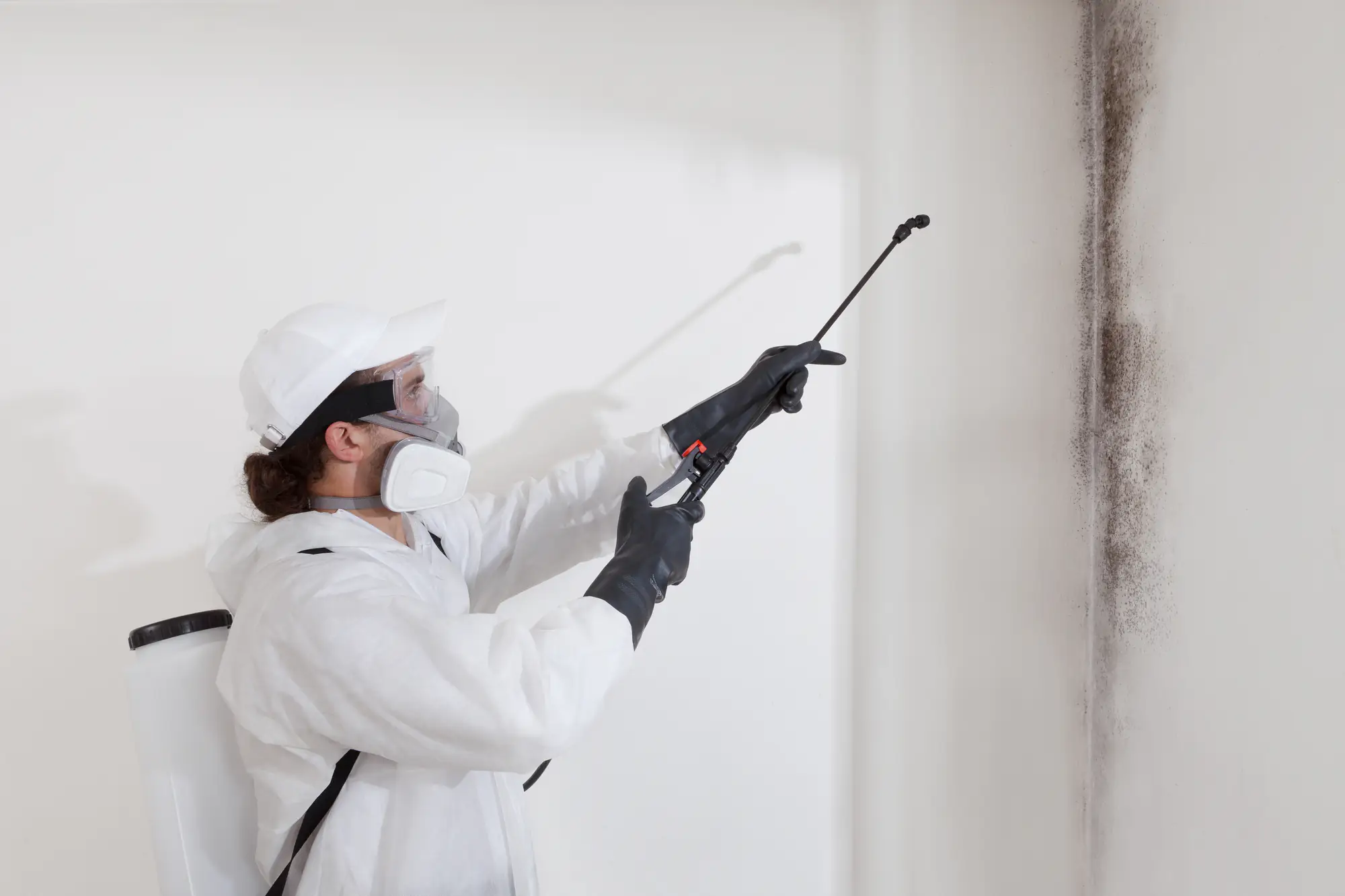
Next comes containment. We seal off affected areas with physical barriers and negative air pressure so spores don’t spread to clean parts of your house during removal. This step protects the rest of your home.
Then we remove contaminated materials and clean salvageable surfaces using HEPA filtration and EPA-approved antimicrobials. Drywall, insulation, or other porous materials that can’t be properly cleaned get removed and disposed of safely. Air scrubbers with HEPA filters run continuously to capture airborne spores.
Finally, we fix the moisture problem. Whether that’s a leaking pipe, poor ventilation, or groundwater seepage, mold mitigation only works long-term if you eliminate the water source. We identify what caused the problem and recommend permanent solutions so you’re not dealing with this again in six months.
Ready to get started?
You get a full inspection that identifies mold type, extent of growth, and underlying moisture issues. Testing determines whether you’re dealing with common molds or more concerning species like Stachybotrys (black mold). That information guides the remediation approach and helps with insurance documentation.
Containment and removal follow industry protocols. We handle everything from small bathroom mold issues to large-scale crawl space mold mitigation or attic mold mitigation projects. Our equipment includes commercial dehumidifiers, air scrubbers, HEPA vacuums, and antimicrobial treatments.
East Bradford’s older housing stock means we frequently work on homes with stone foundations, minimal crawl space access, and outdated ventilation systems. These properties need specialized approaches. A 1940s home with a dirt-floor crawl space requires different mitigation than a 1990s house with a finished basement. We adjust methods based on your specific building and situation.
You also get help with insurance claims. We document findings, photograph damage, and provide detailed estimates that match what adjusters expect to see. Many homeowners don’t realize their policy covers sudden water damage and resulting mold—we help you navigate that process.
Mold can begin growing within 24 to 48 hours after water exposure if conditions are right. Temperature, humidity, and available organic material all factor in, but you’re usually looking at visible growth within 72 hours in most East Bradford homes.
That timeline matters because it defines your response window. If a pipe bursts or your basement floods, you have roughly two days to dry everything thoroughly before mold becomes a secondary problem on top of water damage. This is why emergency response matters—waiting until Monday because it happened on a weekend can mean the difference between drying costs and full mold mitigation costs.
The 25% flood risk in this area over the next 30 years means many East Bradford properties will face water intrusion at some point. When it happens, speed determines whether you’re dealing with a cleanup or a remediation project. Professional water mold restoration services respond immediately, extract standing water, and set up drying equipment before mold takes hold.
Mold removal suggests you can eliminate every single spore from a building, which isn’t realistic or necessary. Mold spores exist everywhere—they’re part of normal outdoor and indoor air. The goal isn’t zero mold; it’s returning your indoor mold levels to normal, safe concentrations.
Mold mitigation is the accurate term. It means removing mold growth, cleaning affected areas, and controlling moisture so mold can’t regrow. You’re mitigating the problem by addressing both the growth and the conditions that caused it. This approach focuses on making your home safe and preventing recurrence rather than chasing an impossible standard.
We understand this distinction. We remove visible growth, clean contaminated surfaces, and fix moisture problems. We don’t promise to eliminate every microscopic spore because that’s not how biology works. We do promise to return your home to safe, normal conditions where mold can’t thrive. That’s the realistic, honest approach that actually solves your problem long-term.
It depends on what caused the mold. Pennsylvania homeowners insurance typically covers mold if it resulted from a covered peril like a burst pipe, storm damage, or appliance malfunction. If mold grew because of long-term neglect, poor maintenance, or chronic moisture issues you didn’t address, coverage usually doesn’t apply.
The key is proving the mold came from sudden, accidental water damage rather than ongoing problems. That’s why documentation matters. When we respond to water damage, we photograph everything, note the water source, and create detailed reports that support insurance claims. Adjusters want to see that you acted quickly and that the damage was unexpected.
Many East Bradford homeowners don’t realize their policy includes mold coverage up to a certain limit—often $10,000 to $25,000—if the cause qualifies. We help you understand your policy, document appropriately, and provide estimates in the format insurance companies expect. Some claims get denied simply because the paperwork didn’t match what adjusters needed to see. We’ve handled enough insurance work to know what documentation supports approval.
Most residential mold mitigation projects in this area run between $1,500 and $6,000, depending on the extent of growth and which areas are affected. A small bathroom mold problem might cost $1,500 to $2,500. Crawl space mold mitigation or attic mold mitigation typically runs $3,000 to $5,000. Whole-house projects after major water damage can exceed $10,000.
Several factors affect cost: square footage of affected area, type of materials involved, accessibility, and whether structural repairs are needed. Removing mold from an open basement costs less than removing it from inside wall cavities where drywall needs to be opened and replaced. Black mold mitigation doesn’t necessarily cost more than other species—extent and location matter more than mold type.
East Bradford’s older homes sometimes cost more to remediate because of construction methods. Stone foundations, plaster walls, and tight spaces increase labor time. But delaying treatment costs more. A $2,500 problem this month becomes an $8,000 problem in six months if mold spreads. We provide free inspections and detailed estimates so you know exactly what you’re dealing with before work begins. We also offer financing options because we understand mold emergencies don’t wait for convenient timing.
You can handle very small areas—less than 10 square feet—if the mold is on non-porous surfaces and you’re healthy. That means a small patch on bathroom tile or a window sill. Anything larger, anything involving porous materials like drywall or insulation, or any situation where you don’t know the full extent requires professional mold mitigation services.
Here’s why DIY often backfires: disturbing mold releases massive amounts of spores into your air. Without proper containment and filtration, you spread the problem to previously clean areas. You also risk exposure—up to 25% of people have genetic susceptibility to mold illness, and you might not know you’re in that group until you’re sick. Professional equipment includes HEPA filtration, negative air machines, and protective gear that actually prevent spread and exposure.
The other issue is finding all of it. Visible mold is usually just the surface. Growth extends into wall cavities, under flooring, and in other hidden areas. We use moisture meters and inspection tools to map the full extent before starting removal. Homeowners who try DIY often clean what they see, then call us six months later when it comes back because they never found or fixed the moisture source. You end up paying twice—once for your attempt and once for professional remediation.
Mold returns because the moisture source wasn’t eliminated. You can remove every bit of visible growth, but if humidity stays above 60%, if that pipe still leaks, or if your crawl space still floods every spring, new mold will grow. Mitigation only works permanently when you fix what’s feeding the problem.
Common moisture sources in East Bradford homes include poor grading that directs water toward foundations, inadequate crawl space ventilation, bathroom exhaust fans that vent into attics instead of outside, and old cast iron pipes that develop pinhole leaks. Many stone foundation homes have chronic dampness because they were built before modern waterproofing existed. These issues need permanent fixes, not just surface cleaning.
This is why our mold mitigation includes moisture assessment. We don’t just clean mold—we identify why it grew there and recommend solutions. Sometimes that’s simple, like fixing a leaky pipe. Sometimes it requires waterproofing, improved ventilation, or drainage corrections. We’re honest about what’s needed because we’d rather solve your problem once than have you call us back next year. Recurring mold means something was missed or not fixed. Proper mitigation addresses both the growth and the cause.
Other Services we provide in East Bradford