
Hear from Our Customers
You’re not just getting rid of visible mold. You’re eliminating what’s hiding behind walls, under floors, and in crawl spaces you can’t see. That matters when you’re trying to breathe easier, protect your home’s value, or finally get rid of that musty smell that won’t go away.
Most mold mitigation in Conshohocken fails because it treats the symptom without fixing the source. Water finds a way into your basement during heavy rain. Humidity gets trapped in your attic. Your crawl space floods every spring. If the moisture issue isn’t handled, the mold comes back.
Here’s what actually changes when the job’s done right: your air quality improves, allergy symptoms drop off, and you stop worrying about what’s growing where you can’t see it. If you’re selling, you avoid the 20-37% hit to your home’s value that mold concerns create. If you’re staying, you protect your investment and your family’s health for the long term.
We’ve been handling mold problems in Conshohocken and Montgomery County since 2009. That means we’ve seen what happens in these older homes—the Italianate townhomes, the twin homes from the early 1900s, the basements that weren’t built with modern moisture barriers.
We’re not a national franchise with different crews every time. You get certified professionals who know how Pennsylvania’s humidity, your home’s age, and this area’s construction methods create the perfect conditions for mold growth.
We follow Pennsylvania’s mold mitigation regulations, work directly with insurance companies when water damage is involved, and give you a free inspection before you commit to anything. You’ll know exactly what needs to be removed and why.
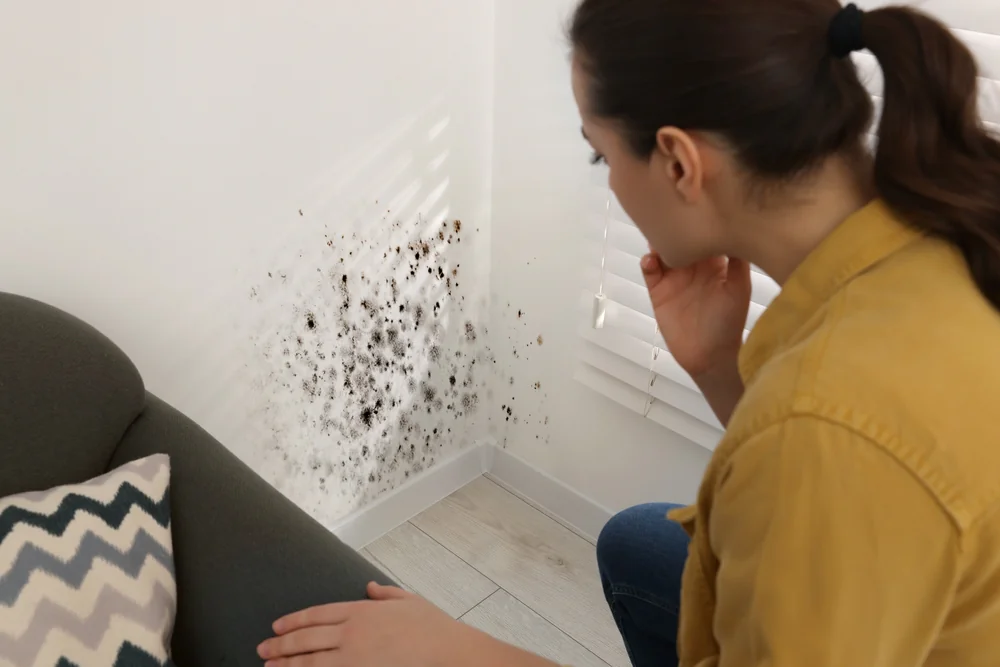
First, we inspect everything—not just where you see mold, but where it hides. Attics, crawl spaces, behind walls, under flooring. We’re looking for the moisture source that caused the problem in the first place.
Once we know what we’re dealing with, you get a clear breakdown of what needs removal and what it’ll cost. No surprises. If insurance is involved, we document everything and communicate directly with your adjuster.
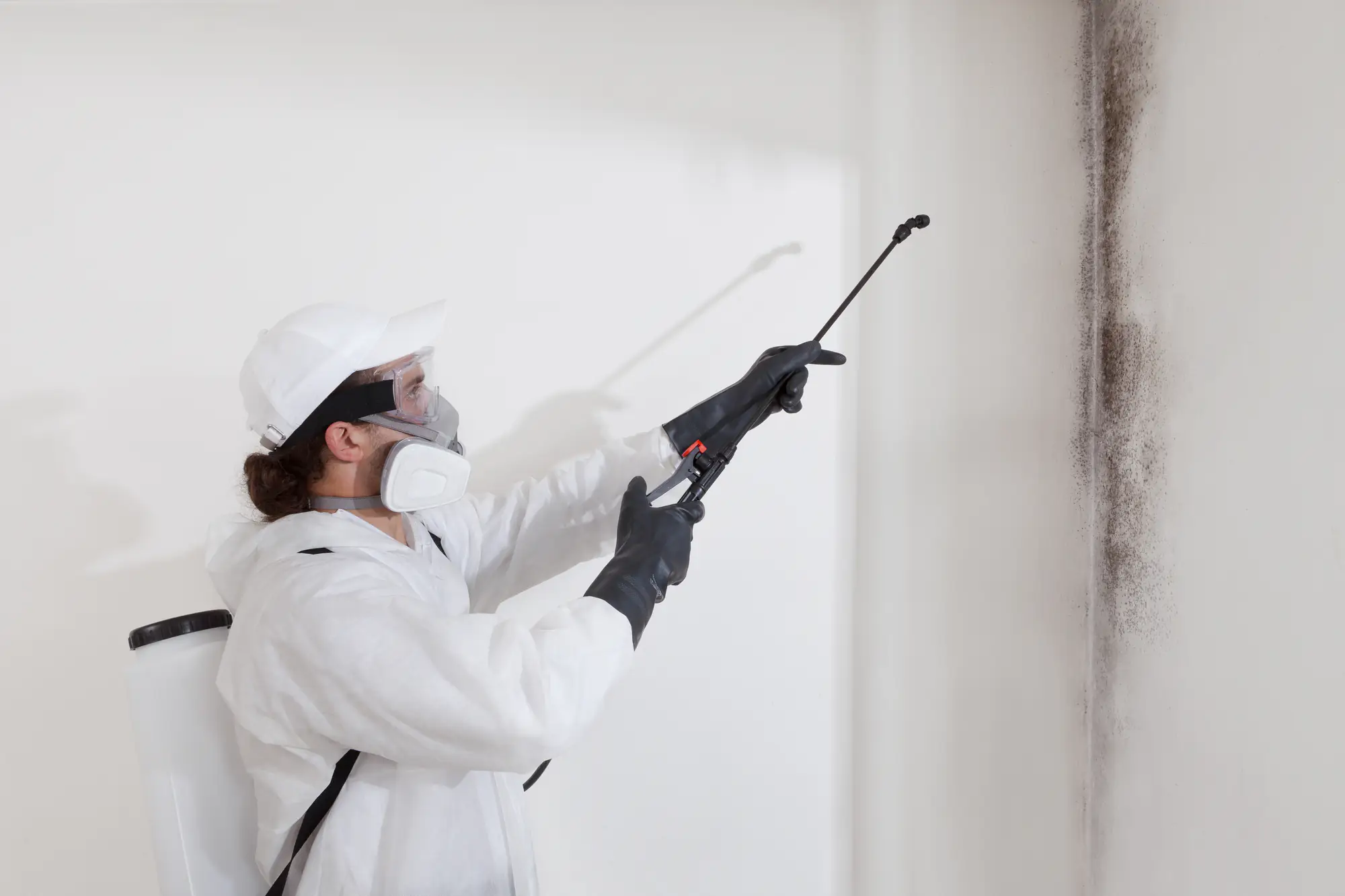
During removal, we contain the affected area so spores don’t spread to clean parts of your home. We use HEPA filtration and follow proper protocols—this isn’t a bleach-and-pray situation. Then we treat the source: fix the leak, improve ventilation, address the drainage issue, whatever’s letting moisture in.
Most residential projects in Conshohocken take one to three days depending on scope. Small bathroom issues might cost a few hundred dollars. Extensive problems in multiple areas can run several thousand. You’ll know the timeline and cost upfront.
Ready to get started?
You get complete mold removal from all affected areas—visible and hidden. That includes containment to prevent cross-contamination, HEPA-filtered air scrubbing during the process, and proper disposal of contaminated materials.
But here’s what separates real mold mitigation from a quick cleanup: we fix the moisture problem. In Conshohocken’s older homes, that often means addressing basement seepage, improving attic ventilation, or fixing crawl space drainage. Without that step, you’re just buying time until it grows back.
You also get full documentation for insurance claims if your mold problem stems from a covered water event. We’ve worked with adjusters hundreds of times and know what they need to see. And because 38.5% of Conshohocken homes were built before the 1940s, we’re familiar with the construction quirks that create moisture issues in the first place—stone foundations that weep, inadequate vapor barriers, outdated ventilation systems.
If you have asthma, allergies, or immune concerns, you need to know the job’s done completely. Up to 21% of asthma cases may result from mold exposure. We’re not just making your home look better—we’re making it safer to live in.
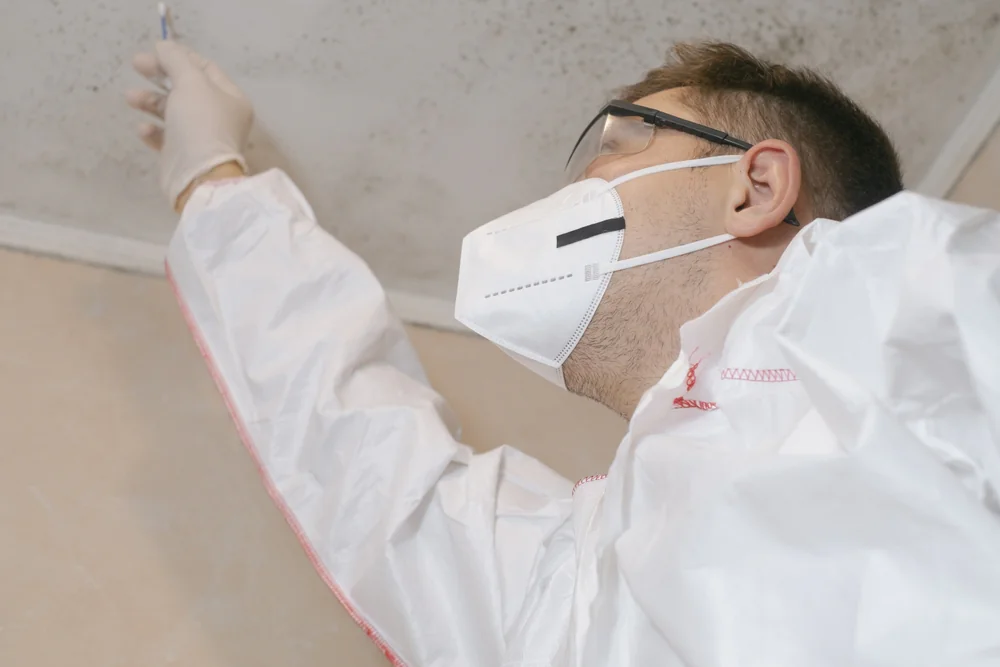
If the mold covers more than 10 square feet, if it’s in your HVAC system, or if it keeps coming back after you’ve cleaned it, you need professional help. DIY approaches miss what’s growing behind walls and under floors. They also risk spreading spores throughout your home if you don’t contain the area properly.
The bigger issue is the moisture source. You can scrub visible mold off a basement wall, but if water’s still seeping through that stone foundation every time it rains, you’re just going to see growth again in a few months. Professional mold mitigation addresses both the growth and the cause.
If you’re dealing with black mold, if anyone in your home has respiratory issues, or if you’re preparing to sell, don’t risk incomplete removal. The health concerns and property value impact are too significant.
It depends on what caused the mold. If it’s from a sudden, covered water event—like a burst pipe, roof leak during a storm, or appliance malfunction—most policies will cover the mitigation. If it’s from long-term neglect, poor maintenance, or gradual seepage, probably not.
The key is documentation. Insurance adjusters need to see that the mold resulted from a specific incident, not ongoing moisture problems you ignored. That’s why we document everything during inspection and communicate directly with your insurance company.
We’ve handled hundreds of insurance claims in Montgomery County. We know what adjusters look for, how to present the scope of work, and how to support your claim with proper evidence. Even if coverage is denied, you’ll have a clear answer and can move forward with the work.
Most residential mold mitigation projects in Conshohocken take one to three days depending on how extensive the problem is. A small bathroom issue might be done in a day. Multiple rooms, attic and basement work, or significant structural involvement takes longer.
Whether you need to leave depends on the scope and location. If we’re working in a contained basement area and you don’t have respiratory issues, you can usually stay. If we’re treating multiple areas or you have asthma, allergies, or immune concerns, it’s smarter to stay elsewhere during active removal.
We contain work areas with physical barriers and negative air pressure to prevent spores from spreading to clean areas of your home. HEPA filtration runs continuously during the process. You won’t come back to a bigger mess than when we started.
The terms are often used interchangeably, but mitigation technically means reducing mold to normal background levels, while remediation implies complete removal. In practice, complete removal is nearly impossible—mold spores exist everywhere. The goal is to eliminate active growth and reduce spore counts to safe levels.
What matters more than terminology is whether we fix the moisture problem. You can call it remediation, mitigation, removal, or cleanup—if the water source isn’t addressed, the mold returns. That’s why we focus on both eliminating existing growth and preventing future problems.
In Conshohocken’s older homes, that often means going beyond the mold itself. We’re looking at foundation issues, ventilation problems, drainage concerns, and construction methods that weren’t designed for modern moisture control. The house might be beautiful, but it wasn’t built to handle humidity the way newer construction is.
Small, contained problems—like mold under a bathroom sink or in a corner of a basement—might cost a few hundred dollars. Extensive issues involving multiple rooms, attic and crawl space treatment, or significant structural work can run several thousand.
The variables are size of affected area, location (attics and crawl spaces are harder to access), extent of material removal needed, and whether we’re also fixing the moisture source. A basement with active seepage requires different work than a bathroom with a slow leak.
We give you a clear cost breakdown after the free inspection. You’ll know what needs to be done and what it costs before any work starts. If insurance is covering it, we work directly with your adjuster to make sure the scope and pricing align with what they’ll approve. No surprises, no upselling, just transparent pricing based on what your specific situation requires.
The smell goes away. Your respiratory symptoms improve if you had them. Most importantly, the mold doesn’t come back. If you’re seeing new growth in the same area within a few months, the moisture source wasn’t fixed or the removal wasn’t complete.
Proper mold mitigation includes containment during removal, HEPA filtration, treatment of all affected materials (not just surface cleaning), and elimination of the moisture problem. You should receive documentation of what was done, what materials were removed, and what moisture issues were addressed.
In Pennsylvania, mold mitigation companies should follow state regulations for containment and disposal. Ask what protocols they’re following. If the answer is vague or they’re just planning to spray something and call it done, that’s not real mitigation. You want someone who’s checking behind walls, testing moisture levels, and fixing what’s letting water in—not just treating what you can see.
Other Services we provide in Conshohocken