
Hear from Our Customers
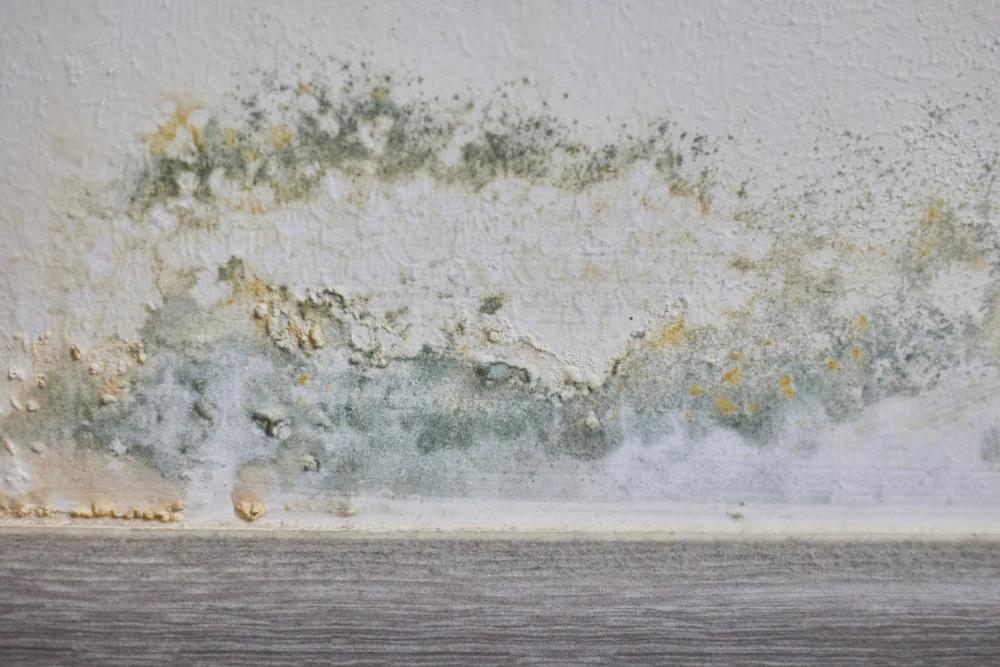
You’re not just getting rid of what you can see on the surface. You’re eliminating the hidden growth behind your walls, under your floors, and in your crawl spaces where moisture sits unnoticed for months.
When mold mitigation is done right, the air in your home gets cleaner. Your family stops dealing with unexplained allergies, headaches, or respiratory issues that seem to get worse indoors. You’re not masking the problem with bleach or paint—you’re actually removing it.
And just as important, you’re protecting your property value. Mold that’s left untreated doesn’t just sit there. It spreads, damages wood and drywall, and creates expensive repairs down the road. Professional mold mitigation services stop that cycle before it starts. You get documentation for insurance, a clear plan to prevent it from coming back, and the confidence that your home is actually safe again.
We work throughout Bucks County and surrounding areas like Coatesville, PA, where older homes and Pennsylvania’s humid climate create the perfect conditions for mold to take hold. We’re not a national franchise following a script. We’re local professionals who understand how basements flood here, how poor ventilation affects older construction, and what black mold mitigation actually requires in this region.
We show up with the right equipment, the right training, and the right approach. Our team uses EPA-approved methods, moisture meters, infrared cameras, and containment systems that keep mold from spreading while we work. You’re not getting a quick cleanup crew—you’re getting a mold mitigation company that knows how to find the source, fix it, and make sure it doesn’t happen again.
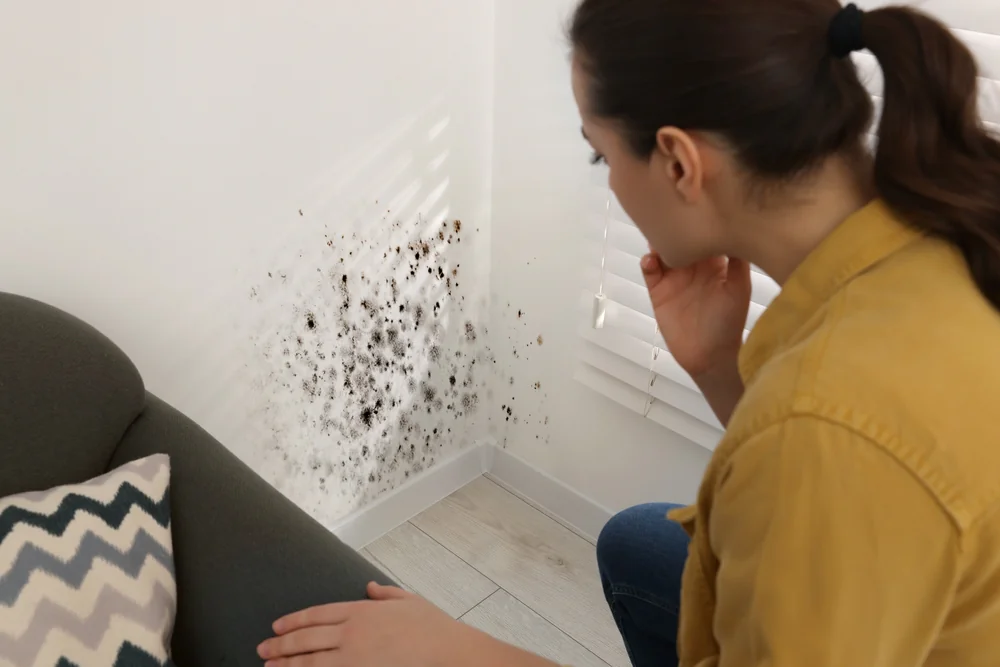
First, we inspect your property to figure out where the mold is and what’s causing it. That means checking behind walls, under flooring, in attics, and anywhere moisture could be hiding. We use moisture meters and infrared cameras to find problems you can’t see with your eyes.
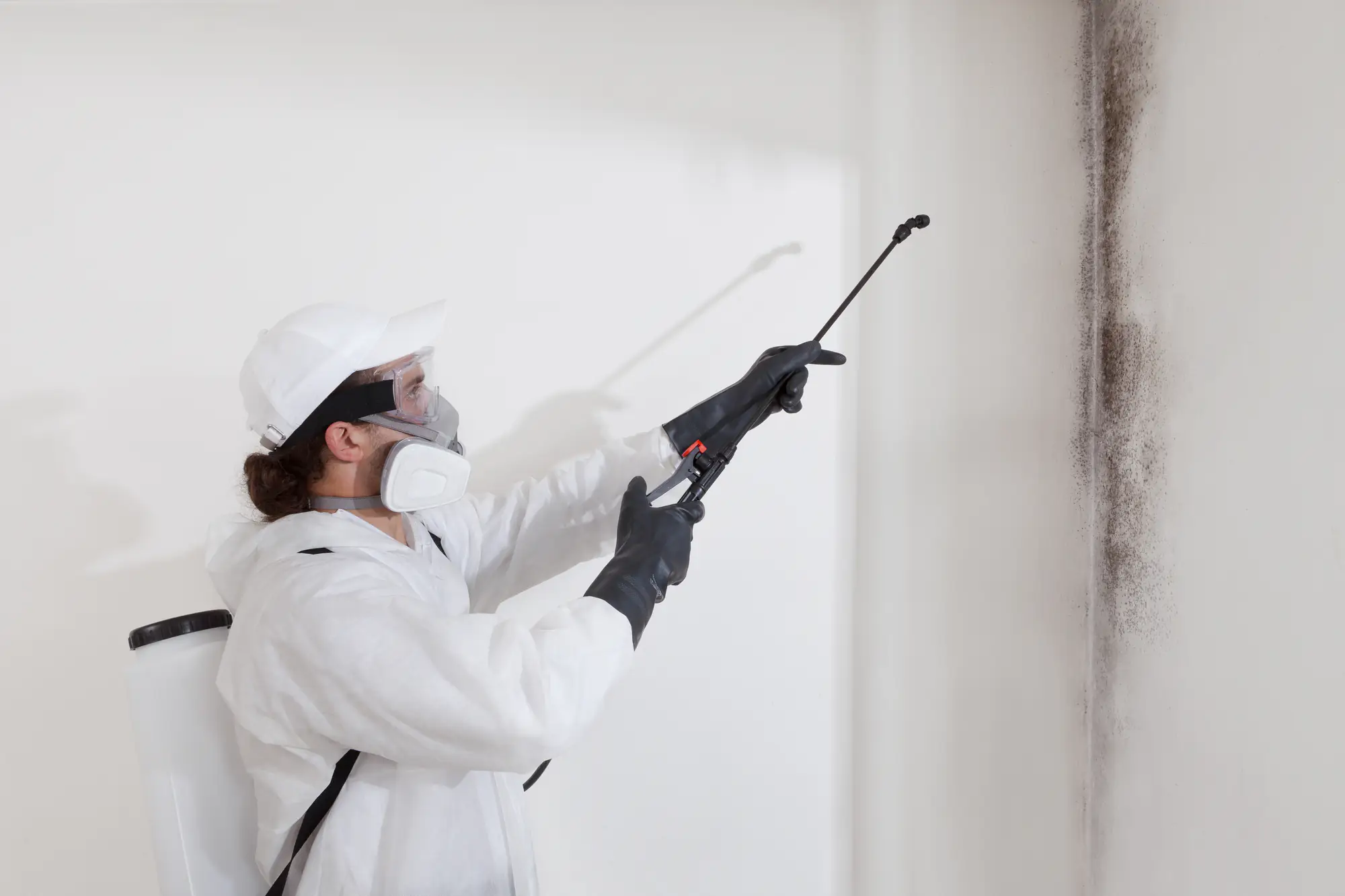
Once we know what we’re dealing with, we contain the area. We seal it off with physical barriers and set up negative air pressure systems so mold spores don’t spread to clean parts of your home while we’re working. Then we remove the mold using EPA-approved methods and equipment designed for safe, thorough removal.
But here’s the part most people skip: we fix the moisture problem. Whether that’s repairing a leaky pipe, improving ventilation, or installing a dehumidifier, we address what caused the mold in the first place. Otherwise, you’re just going to see it again in a few months. After removal, we clean and treat affected surfaces, test the air quality, and give you a clear prevention plan so you know how to keep your home dry and mold-free moving forward.
Ready to get started?
When you hire us for mold mitigation in Coatesville, PA, you’re getting a full-scope service that covers inspection, containment, removal, and prevention. We don’t just scrub the visible mold and leave. We identify the moisture source, whether it’s a leaking pipe, condensation from poor ventilation, or water seeping through your foundation—all common issues in older Pennsylvania homes.
You also get proper documentation for insurance claims. We know how to work with insurance companies, and we provide the reports and photos you need to support your claim. That alone saves you hours of back-and-forth and confusion.
We handle black mold mitigation with the same level of care, using containment systems and protective equipment to keep you and your family safe during the process. And because Pennsylvania’s climate creates high humidity in the summer and temperature swings that cause condensation, we make sure your home has the airflow and moisture control it needs to stay dry long-term. You’re not just paying to mitigate mold damage today—you’re investing in a healthier home that won’t keep growing the same problem every season.
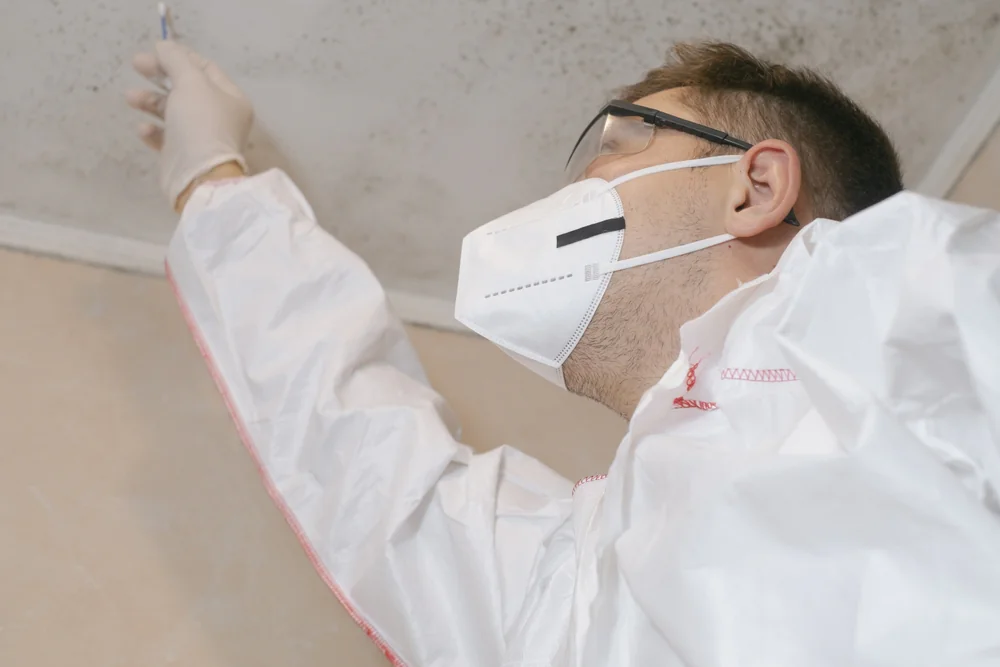
Mold mitigation is about stopping mold from spreading and preventing it from becoming a bigger problem. It’s proactive. You’re managing moisture, improving airflow, and addressing conditions before mold takes over your entire basement or crawl space.
Mold remediation, on the other hand, is reactive. It’s what happens when mold has already spread and needs to be physically removed and the area restored. Remediation involves tearing out contaminated materials, cleaning affected surfaces, and treating the space so it’s safe again.
Most jobs require both. You need remediation to remove what’s already there, and you need mitigation to make sure it doesn’t come back. If someone only offers to remove the mold without fixing the moisture problem, you’re going to be calling them again in a few months. That’s why professional mold mitigation services focus on the root cause, not just the symptoms.
It depends on how much mold there is and where it’s growing. A small area in a bathroom might take a day or two. A basement with widespread contamination could take a week or more.
The inspection usually happens on the first visit and takes a few hours. Once we know the scope, we’ll give you a timeline before we start any work. Containment and removal can take anywhere from one to five days depending on the size of the affected area and how much material needs to be removed.
After that, there’s drying time. If we’ve removed drywall or flooring, the area needs to dry completely before we can close it back up. Rushing that step is how mold comes back. We also retest the air quality after removal to make sure spore levels are back to normal. The whole process is designed to be thorough, not fast. You want it done right the first time, especially if you’re dealing with black mold mitigation where health risks are higher.
In most cases, yes—but it depends on the severity and location of the mold. If we’re working in a contained area like a basement or a single bathroom, and we’ve sealed it off properly with barriers and negative air pressure, the rest of your home stays safe.
If the mold is widespread or involves black mold in living areas where your family spends time, we might recommend staying elsewhere for a few days. That’s especially true if anyone in your home has asthma, allergies, or a compromised immune system. Mold spores can cause respiratory issues, and even with containment, it’s better to be cautious.
We’ll walk you through what makes sense for your situation during the inspection. Our goal is to keep you safe while we work, and that means being honest about when it’s okay to stay and when it’s smarter to leave for a bit. We’re not going to tell you to move out if you don’t need to, but we’re also not going to downplay risks just to make the job easier on our end.
Sometimes. It depends on what caused the mold and what your policy covers. If the mold is the result of a sudden event—like a burst pipe or a roof leak from storm damage—most policies will cover at least part of the mold mitigation and removal costs.
If the mold developed over time due to ongoing moisture issues, poor ventilation, or lack of maintenance, insurance is less likely to pay. That’s why it’s important to address water problems as soon as they happen. The longer you wait, the harder it is to prove the damage was sudden and accidental.
We help with the insurance process by providing detailed documentation, photos, and reports that show what we found and what needs to be done. We’ve worked with plenty of insurance companies, and we know what they’re looking for. Even if your claim gets denied, you’ll at least have a clear understanding of why and what your options are. And if it does get covered, we make sure the paperwork supports your case from the start.
Moisture. That’s it. Mold needs water to grow, and Pennsylvania’s climate gives it plenty of opportunities. Humid summers, frequent rain, and temperature swings create condensation in attics, basements, and crawl spaces. Add in older homes with outdated ventilation systems or aging pipes, and you’ve got the perfect recipe for mold.
Basements are a big problem here. Water seeps through foundations, especially after heavy rain. If your sump pump isn’t working or your gutters are clogged, that water has nowhere to go but into your home. Bathrooms and kitchens are also common spots because of steam and leaks that go unnoticed for weeks.
The key to preventing mold is controlling moisture. That means fixing leaks immediately, improving airflow in damp areas, and using dehumidifiers when humidity levels get too high. If you’ve had water damage—even if it seemed minor—get it checked. Mold can start growing in 24 to 48 hours, and by the time you see it, it’s usually already spread behind the walls.
If the mold covers more than 10 square feet, you need a professional. That’s the EPA’s guideline, and it’s there for a reason. Once mold spreads beyond a small area, it’s nearly impossible to remove it all without the right equipment and training. You’ll miss hidden growth, and it’ll come back.
You also need a professional if the mold is black mold, if it’s growing in your HVAC system, or if it’s the result of contaminated water like sewage. Those situations involve health risks that go beyond what a bottle of bleach and a scrub brush can handle. Mitigating black mold requires containment, protective gear, and proper disposal methods.
Even if the visible mold seems small, there’s a good chance it’s bigger than it looks. Mold grows behind walls, under flooring, and in places you can’t reach without tearing things apart. A professional mold inspection uses moisture meters and infrared cameras to find the full extent of the problem. If you try to handle it yourself and miss something, you’re just delaying the inevitable. And by the time you realize it’s still there, the damage is worse and the cost is higher.
Other Services we provide in Coatesville