
Hear from Our Customers
The musty smell disappears. That thick feeling in the air lifts, and you stop wondering if every cough or sneeze is because of what’s growing in your basement or attic.
Your family isn’t dealing with unexplained respiratory issues anymore. The constant worry about whether mold is spreading behind walls or under floors goes away because we’ve actually tested the air and confirmed it’s clean.
Your property value stays protected. Coatesville’s humid summers and older home construction create perfect conditions for mold growth, especially in basements and crawl spaces. When we handle black mold mitigation or attic mold mitigation the right way, you’re not just removing a health risk – you’re preventing the structural damage that happens when mold eats away at wood and drywall for months or years. Insurance companies and future buyers care about documentation, and we provide the testing results and remediation reports that prove the problem was solved correctly.
We’ve been handling mold problems throughout Chester County for years. We’re not a call center or national franchise – when you call us, you’re talking to the people who will actually show up at your house.
We understand exactly why Coatesville homes develop mold issues. Pennsylvania’s humidity doesn’t just create surface problems. It causes condensation in attics during temperature swings, moisture buildup in crawl spaces with poor ventilation, and hidden growth behind walls when old plumbing develops slow leaks.
The older homes in this area weren’t built with modern moisture barriers. The newer construction sometimes has ventilation issues that trap humidity. We’ve seen both, and we know where to look for problems that homeowners miss until the damage gets expensive.
We start with a thorough inspection using moisture meters and thermal imaging cameras. This isn’t just looking at visible mold – we’re finding the hidden growth and measuring exactly how much moisture is in your walls, floors, and ceilings.
Next, we test the air quality to determine what types of mold you’re dealing with and how concentrated the spore levels are. This matters because different mold species require different approaches, and we need baseline numbers to confirm the air is actually clean after we’re done.
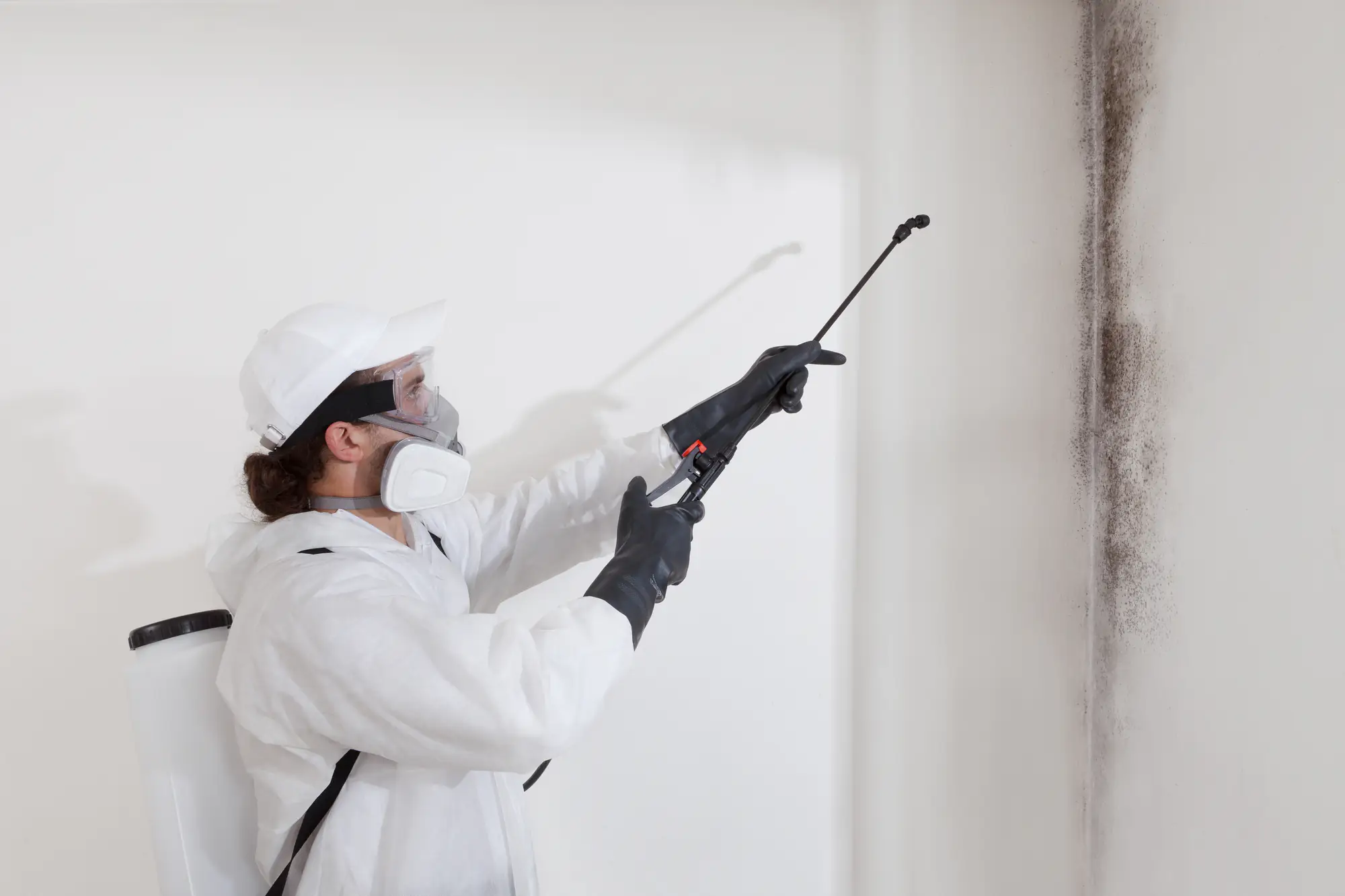
Then we contain the affected area using physical barriers and negative air pressure. This prevents spores from spreading to clean parts of your home while we work. We remove contaminated materials following EPA guidelines, treat surfaces with antimicrobial solutions, and run HEPA filtration systems to clean the air.
The final step is fixing whatever caused the mold in the first place. Water mold restoration isn’t complete until we’ve addressed the moisture source – whether that’s a plumbing leak, condensation issue, or ventilation problem. We provide a detailed report documenting the entire process, including post-remediation air quality results that prove the job was done right.
Ready to get started?
Every mold mitigation project includes comprehensive testing before and after remediation. You get written documentation of mold types, spore concentrations, and air quality results. This matters for insurance claims and future home sales.
We handle crawl space mold mitigation differently than attic jobs because the moisture sources and ventilation challenges are completely different. Crawl spaces in Coatesville often have groundwater issues or inadequate vapor barriers. Attics develop problems from roof leaks, ice dams, or bathroom exhaust fans that vent into the attic instead of outside. We identify the specific cause in your home and fix it as part of the remediation.
Black mold mitigation requires extra containment procedures because Stachybotrys produces mycotoxins that cause more severe health reactions than common mold species. We use full protective equipment, seal off the work area completely, and run air scrubbers continuously during removal. Most homeowners insurance policies cover mold removal when it’s caused by a covered event like a burst pipe. We work with insurance companies regularly and can help you navigate the claims process to minimize out-of-pocket costs.
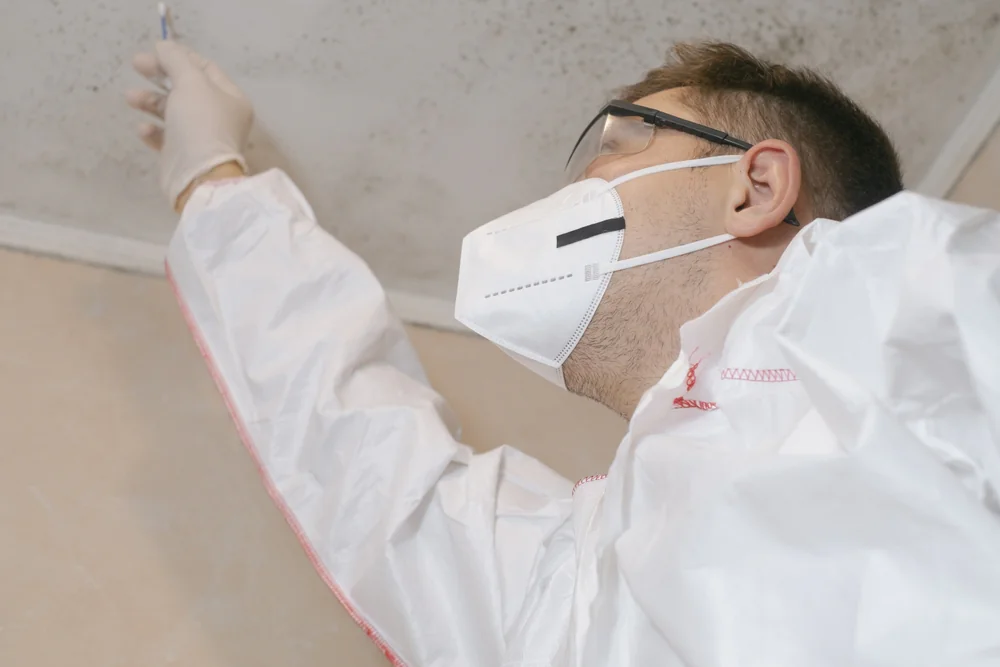
Most residential mold mitigation projects take two to four days depending on how much area is affected and whether we need to remove drywall or other building materials. A small bathroom with surface mold might be completed in one day. Basement or attic remediation typically takes three days because we need time for containment setup, removal, treatment, and air scrubbing.
More extensive situations where mold has spread behind multiple walls or into HVAC systems can take a week or longer. The timeline also depends on how long it takes to dry out the affected areas after we’ve fixed the moisture source. We can’t seal everything back up until moisture levels drop below 16%, or you’ll just grow mold again.
We’ll give you a specific timeline after the initial inspection when we know exactly what we’re dealing with. Emergency situations get priority scheduling, and we’re available 24/7 when you have active water damage that needs immediate attention to prevent mold growth.
Most mold mitigation projects in Coatesville cost between $1,500 and $4,000 depending on the size of the affected area and how much structural work is required. Small isolated problems like mold under a bathroom sink might cost $800 to $1,200. Extensive basement or attic remediation that requires removing drywall and treating large areas typically runs $3,000 to $6,000.
The price depends on several factors: square footage of contaminated area, type of mold, whether we need to remove building materials, how difficult the space is to access, and what caused the moisture problem in the first place. Crawl space mold mitigation costs more than similar-sized areas in basements because the working conditions are harder.
We provide upfront pricing after the inspection so you know exactly what you’re paying before we start work. Many homeowners insurance policies cover mold remediation when it’s caused by a covered event like a burst pipe or storm damage. We can work directly with your insurance company and help you understand what’s covered under your policy.
You can handle very small surface mold problems – less than 10 square feet – if you catch them early and the mold hasn’t penetrated porous materials. But most mold situations in Coatesville homes are bigger than they appear because growth spreads behind walls and under floors where you can’t see it.
The bigger issue is that improper removal spreads spores throughout your house. When you scrub moldy drywall or pull up contaminated carpet without containment, you’re releasing millions of spores into the air. They settle in your HVAC system, on furniture, in other rooms. You end up with a bigger problem than you started with.
Professional mold mitigation isn’t just about removing what’s visible. We test to find hidden growth, contain the area to prevent spread, use HEPA filtration to clean the air, remove contaminated materials safely, and most importantly – we fix the moisture source so it doesn’t come back. Then we test again to confirm the air quality is actually safe. DIY mold removal skips most of these steps, which is why the mold usually returns within months.
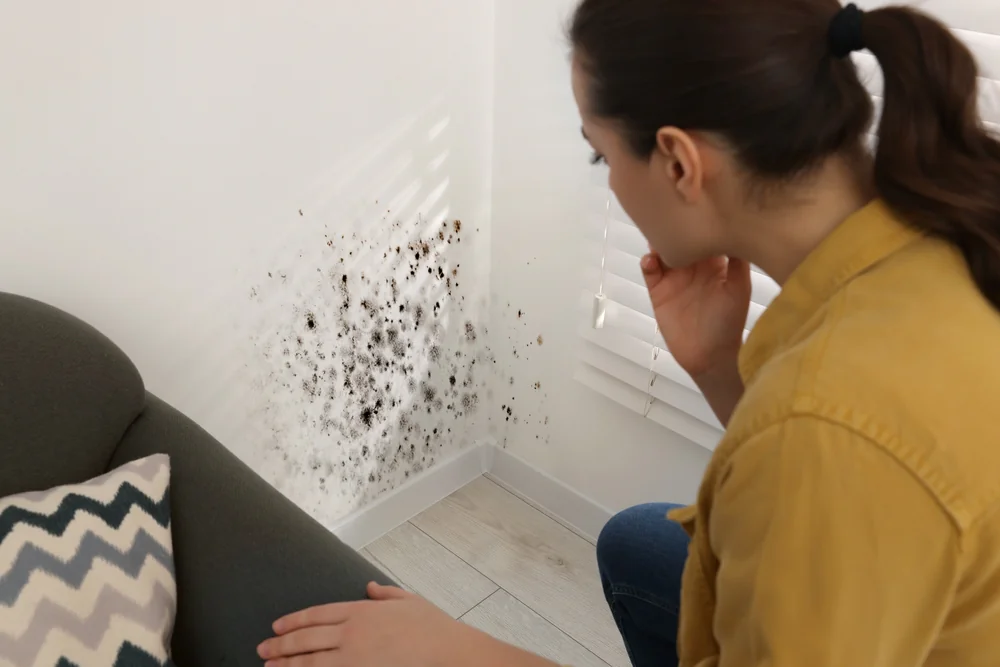
Musty odors are the most common sign of hidden mold growth. If you smell that earthy, damp smell but don’t see visible mold, it’s probably growing inside walls, under flooring, or in ceiling cavities. The smell gets stronger when humidity is high or after it rains.
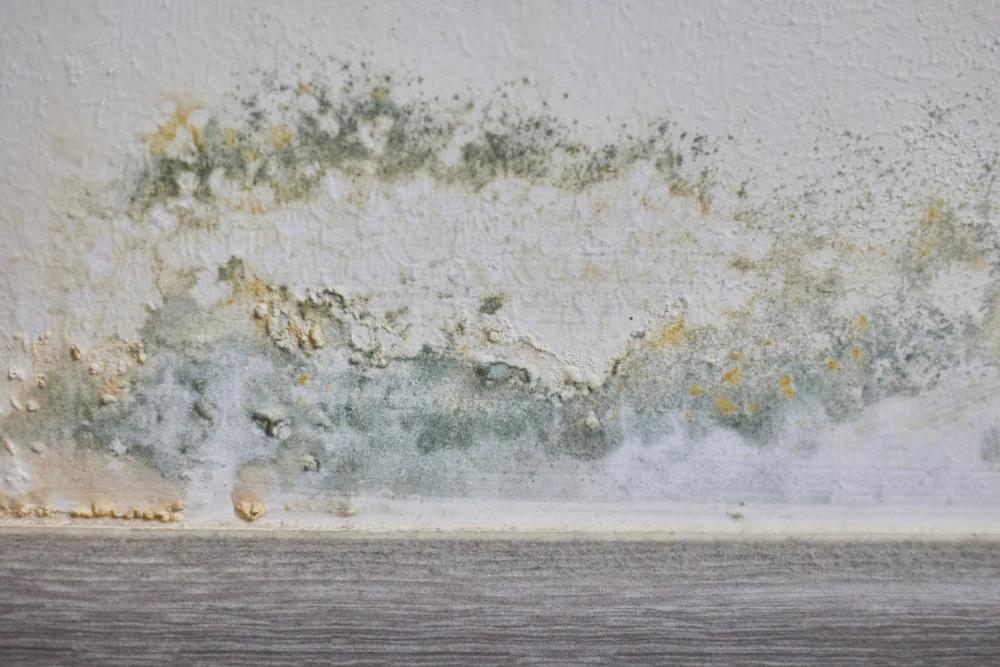
Water stains, discoloration, or bubbling paint on walls and ceilings indicate moisture problems that usually cause mold growth on the hidden side of the drywall. Warped baseboards or buckling floors mean water has been present long enough for mold to develop underneath. If you’ve had any plumbing leaks, roof leaks, or flooding in the past year, there’s a high chance mold is growing in areas that got wet.
Health symptoms are another indicator. If family members have unexplained respiratory issues, allergies, or headaches that improve when they leave the house, hidden mold might be the cause. We use moisture meters and thermal imaging cameras during inspections to detect water and temperature differences that indicate mold growth behind surfaces. Air quality testing measures spore concentrations and tells us definitively whether you have a mold problem even when we can’t see it.
Mold comes back if the moisture source isn’t fixed. That’s why professional mold mitigation includes identifying and repairing whatever caused the problem – whether it’s a plumbing leak, condensation issue, poor ventilation, or water intrusion from outside.
If we only remove the mold without fixing the underlying moisture problem, you’ll grow mold again within weeks or months. This is the main difference between proper remediation and surface cleaning. We don’t just treat the symptoms. We find out why that specific area has elevated moisture levels and fix it as part of the mitigation process.
After remediation, you need to keep humidity levels below 50% and address any new water problems quickly. Coatesville’s humid summers mean you might need to run dehumidifiers in basements and crawl spaces. Make sure bathroom exhaust fans vent outside, not into the attic. Fix plumbing leaks immediately instead of letting them drip for weeks. We provide specific prevention recommendations based on what caused the mold in your home, and we back our work with a warranty because we use methods that actually solve the problem instead of covering it up temporarily.
Most homeowners insurance policies in Pennsylvania cover mold remediation when the mold resulted from a covered peril like a burst pipe, storm damage, or sudden plumbing failure. They typically don’t cover mold that developed from long-term maintenance issues like a slow leak you ignored for months or chronic humidity problems.
The key is whether the mold was caused by a sudden, accidental event or by neglect and lack of maintenance. If a pipe bursts and floods your basement, insurance usually covers both the water damage cleanup and the mold mitigation. If your basement has been damp for years because of poor drainage and you never addressed it, insurance probably won’t cover the mold removal.
We work with insurance companies regularly and understand how to document mold damage in ways that support your claim. We can provide the testing results, photos, and detailed reports that adjusters need to process claims. Contact your insurance company as soon as you discover mold, and let them know you’re working with a professional remediation company. We’ll handle the documentation and communicate directly with your adjuster to make the claims process as smooth as possible.
Other Services we provide in Coatesville