
Hear from Our Customers
You stop wondering if that musty smell is making your kids sick. The headaches ease up. Your basement doesn’t feel like a health hazard anymore.
Real mold mitigation means your indoor air quality improves because we’re not just wiping down surfaces. We’re pulling out contaminated materials, fixing the moisture problem that caused it, and treating the space so spores can’t take hold again. That’s what stops the cycle.
When the source gets addressed, you’re not dealing with the same problem six months later. You’re not second-guessing whether it’s safe to let your children play downstairs. The air feels different because it is different.
Most people in Caln, PA don’t realize how much humidity their home holds during summer. When levels stay above 60% for weeks, mold doesn’t just grow—it thrives. Fixing that means controlling moisture at the source, not just cleaning what you can see.
We work throughout Chester County, Bucks County, Montgomery County, and the surrounding Pennsylvania areas. We know what causes mold problems here because we’ve seen it in hundreds of basements, crawl spaces, and attics across Caln and the neighboring towns.
Pennsylvania’s summer humidity isn’t a surprise to us. Neither are the old stone foundations that leak, the finished basements with hidden moisture issues, or the HVAC systems that spread spores without anyone noticing.
We’re not the cheapest option, and that’s actually a good thing for you. You’re paying for technicians who use moisture meters and infrared cameras to find problems you can’t see. You’re getting EPA-approved methods and equipment that actually remove contamination instead of just covering it up. You’re investing in a process that keeps mold from coming back next season.
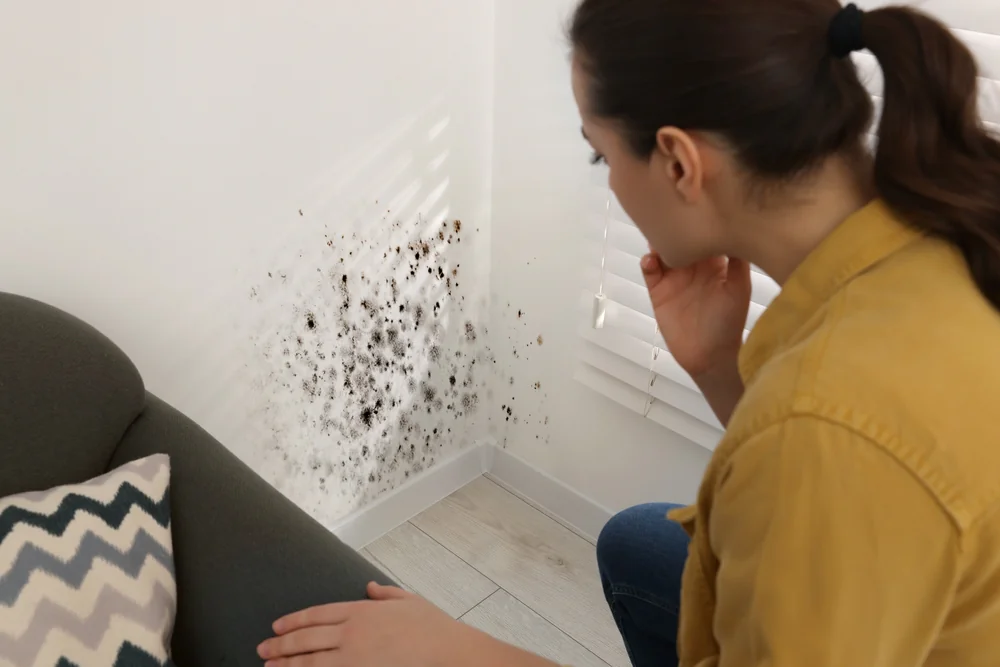
First, we inspect your property for free. That means checking visible areas and using detection equipment to find moisture and mold growth behind walls, under floors, and in places most people never think to look.
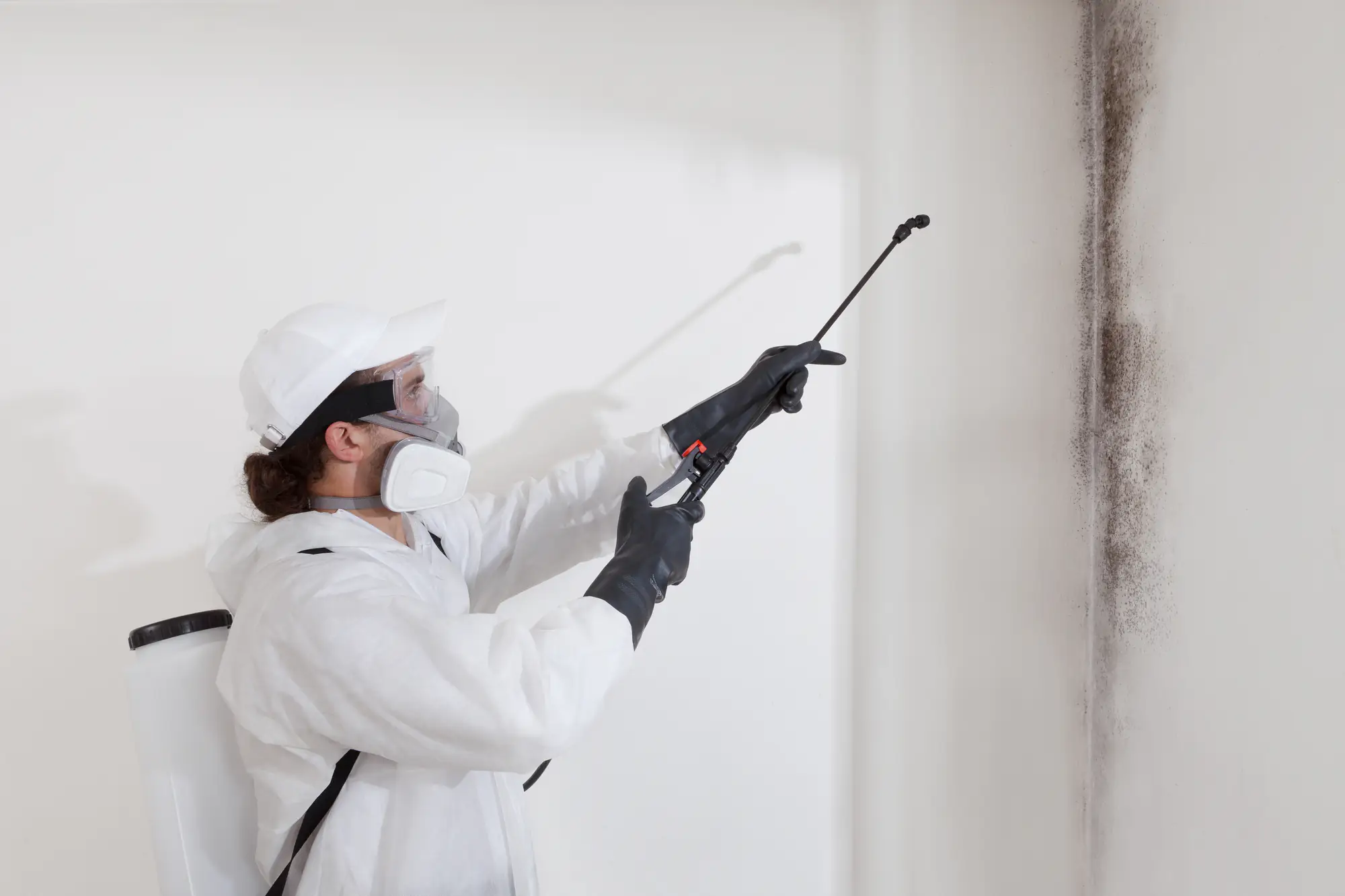
Once we know what we’re dealing with, we contain the affected area so spores don’t spread to clean parts of your home during removal. Then we remove contaminated materials—drywall, insulation, whatever’s been compromised. Surface cleaning won’t fix a mold problem that’s grown into porous materials.
Next, we treat the space with antimicrobial solutions and address the moisture issue that caused the growth in the first place. Could be a leak, poor ventilation, humidity that’s too high, or groundwater seeping through your foundation. If we don’t fix that, you’ll be calling someone again in a few months.
Finally, we verify the work with testing and help you understand what to watch for going forward. If insurance is involved, we handle that documentation too. Most policies in Pennsylvania cap mold coverage between $1,000 and $10,000, and they only pay if the water damage was sudden and accidental—not from long-term neglect or humidity.
Ready to get started?
You get a full assessment using moisture meters and infrared cameras. We’re looking for active leaks, elevated humidity levels, and hidden contamination that’s causing your symptoms but isn’t visible yet.
Containment comes next—we seal off the work area with plastic barriers and negative air pressure so spores don’t travel through your house while we’re removing materials. Then we pull out anything that’s contaminated and can’t be saved. Drywall, insulation, baseboards, carpet—if it’s porous and it’s got mold growth, it has to go.
After removal, we treat surfaces with EPA-approved antimicrobial products and dry out the space completely. We also address whatever moisture problem caused the issue. In Caln, that’s often basement humidity, poor ventilation in bathrooms, or water intrusion through foundation walls. Pennsylvania homes deal with a lot of groundwater and summer humidity, which is why mold problems are so common here during the warmer months.
Once the mitigation is done, we can help with the rebuild—replacing drywall, repainting, reinstalling trim. Some companies walk away after removal and leave you to figure out the rest. We don’t.
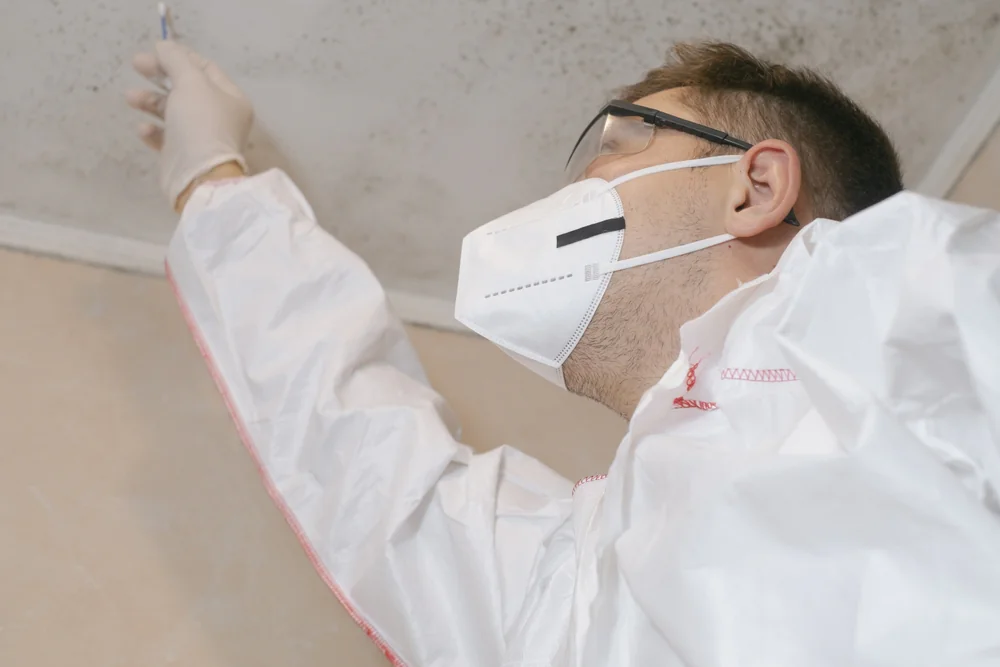
Mold remediation is the full process of removing existing mold growth from your property. It’s reactive—you already have a problem, and we’re eliminating it.
Mold mitigation refers to the steps taken to prevent mold from growing in the first place, or to minimize damage while it’s being addressed. That includes controlling moisture, improving ventilation, and fixing leaks before mold takes hold.
Most people use the terms interchangeably, and that’s fine. What matters is that the company you hire does both—gets rid of what’s there and fixes the conditions that allowed it to grow. If they’re only cleaning surfaces and not addressing humidity or water intrusion, the mold will be back within weeks.
Small projects usually run between $500 and $1,500. That’s for limited contamination in a single area—like a bathroom or small section of basement.
Moderate infestations cost between $1,500 and $5,000. This covers larger areas or multiple rooms where mold has spread but hasn’t compromised major structural components.
Severe cases can exceed $6,000, especially if mold is throughout your HVAC system, behind multiple walls, or if there’s significant structural damage that needs repair after removal.
The actual cost depends on how much contamination there is, what materials need to be removed, and whether we’re dealing with hidden growth that requires more invasive work. We provide free inspections so you know what you’re looking at before any work starts.
Maybe, but probably not as much as you’d hope. Most homeowners policies in Pennsylvania limit mold coverage to somewhere between $1,000 and $10,000 per occurrence.
Coverage usually only applies if the mold resulted from a sudden, accidental water event that’s covered under your policy—like a burst pipe or appliance leak. If the mold grew because of long-term humidity, poor maintenance, or a slow leak you didn’t fix, insurance typically won’t pay.
Around 47% of homes have mold or dampness issues, but most property owners don’t realize their standard policy doesn’t automatically include robust mold coverage. Some insurers offer additional mold endorsements you can purchase, but you have to ask for them.
We work with insurance companies regularly and can help document everything properly if you’re filing a claim. Just don’t assume you’re fully covered without checking your policy first.
If the mold is only on hard, non-porous surfaces and the affected area is smaller than 10 square feet, you can probably clean it yourself with detergent and water. That works for tile, glass, or sealed countertops where mold hasn’t penetrated the material.
If it’s growing on porous materials like drywall, insulation, carpet, or wood, cleaning won’t work. The mold has grown into the material, and you need to remove it entirely. Surface cleaning will just leave contamination behind.
You also need professional mold mitigation if you’re dealing with black mold, if the contamination covers more than 10 square feet, if it’s in your HVAC system, or if you can smell mold but can’t find the source. Those situations require detection equipment, containment, and proper removal techniques.
If you’ve cleaned mold before and it keeps coming back, that’s a clear sign there’s a moisture problem you’re not addressing. We find that source and fix it so you’re not repeating the same cycle every few months.
Small projects usually take one to two days. That includes containment, removal, treatment, and initial drying.
Moderate jobs take three to five days, depending on how much material needs to be removed and how long it takes to dry out the space completely. Drying is critical—if moisture is still present, mold will return.
Severe infestations or situations involving structural damage can take a week or longer, especially if we’re rebuilding walls, replacing insulation, or treating an entire HVAC system.
The timeline also depends on how quickly we can address the underlying moisture issue. If you’ve got an active leak or groundwater problem, that has to be fixed before we can finish mitigation. Otherwise we’re just cleaning up a problem that’s going to start over again as soon as we leave.
Yes. Mold doesn’t have to be visible to affect your health. If it’s growing behind walls, under flooring, or in your HVAC system, spores are circulating through your home every time the system runs.
Common symptoms include sore throat, runny nose, itchy eyes, coughing, headaches, fatigue, and skin rashes. A lot of people think they have a cold or allergies, but the symptoms don’t go away because the source is in their house.
Mold contributes to 4.6 million asthma cases annually in the U.S. If someone in your home has asthma, mold exposure can make symptoms significantly worse. Studies show that removing mold can reduce asthma symptoms by 25% to 45%.
If you’re experiencing these symptoms and they improve when you leave the house, that’s a strong indicator you’ve got a mold problem. We use moisture meters and infrared cameras during inspections to find hidden growth so you’re not guessing about what’s causing your symptoms.
Other Services we provide in Caln