
Hear from Our Customers
You’re not just dealing with a surface problem. Mold affects your health, your home’s structural integrity, and your property value—and it moves fast.
Within 24 to 48 hours of water exposure, mold starts growing. In Chester County’s humid climate, that timeline gets even tighter. The longer you wait, the deeper it spreads into walls, insulation, and crawl spaces you can’t see.
When mold mitigation is done right, you get more than clean surfaces. You get air quality that doesn’t trigger headaches or coughing. You get peace of mind that your kids aren’t breathing in allergens. You stop worrying about whether that musty smell is coming back. And if you ever sell your home, you won’t be scrambling to disclose a mold problem that tanked your offer.
Real mitigation addresses the source—not just the symptoms. That means identifying where moisture is getting in, removing contaminated materials safely, and making sure it doesn’t come back.
We’ve been serving Caln, PA and the surrounding Chester County area since 2009. We’re not a national franchise that sends out whoever’s available. We’re local, and we’ve seen what happens when mold gets ignored in homes like yours.
Chester County’s older housing stock—built before modern moisture barriers were standard—makes homes here especially vulnerable. Add in Pennsylvania’s wet summers and freeze-thaw cycles, and you’ve got conditions where mold thrives if water finds a way in.
We offer free inspections because we know most people aren’t sure how bad the problem is. Our team uses advanced detection equipment to check areas you’d never think to look—behind walls, under floors, in attic insulation. Then we give you a clear, upfront estimate before any work starts. No surprises, no pressure.
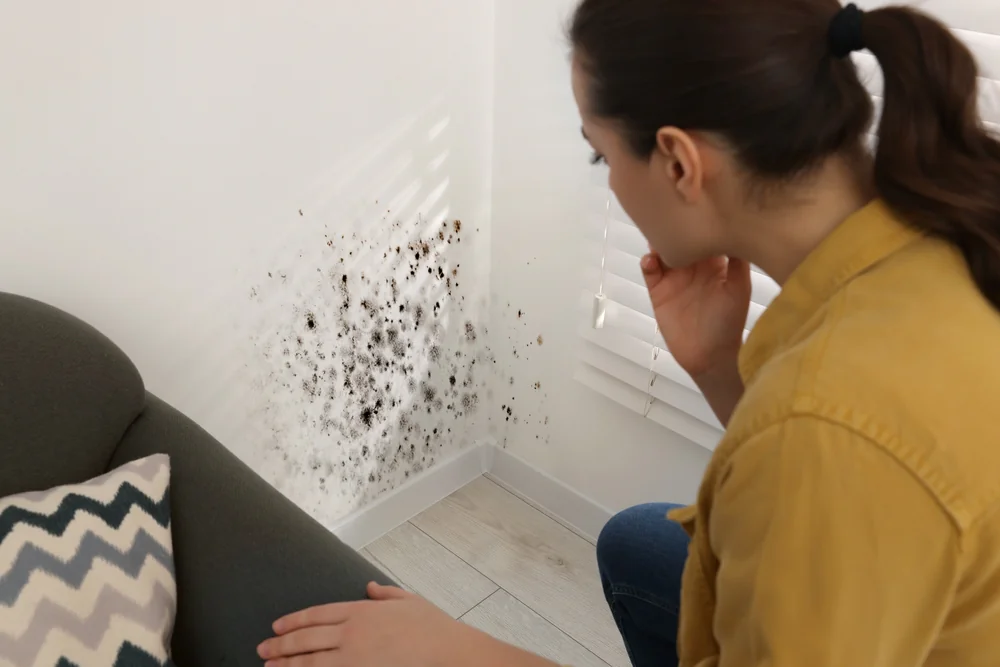
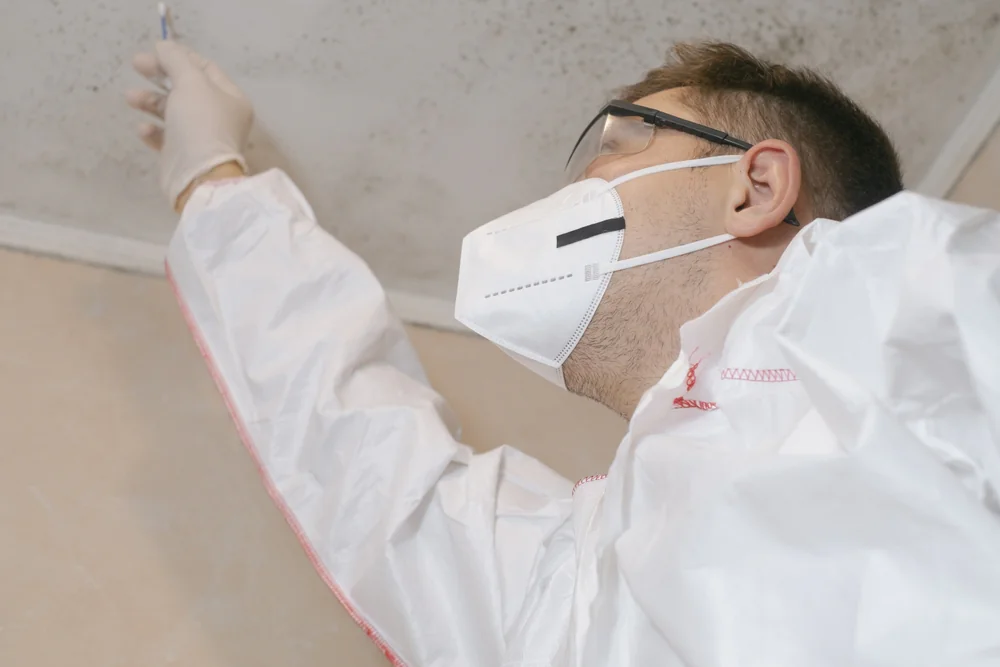
First, we inspect your property—for free. We’re looking for visible mold, moisture sources, and hidden growth in places like crawl spaces, attics, and behind drywall. We use moisture meters and thermal imaging to find problems before they become disasters.
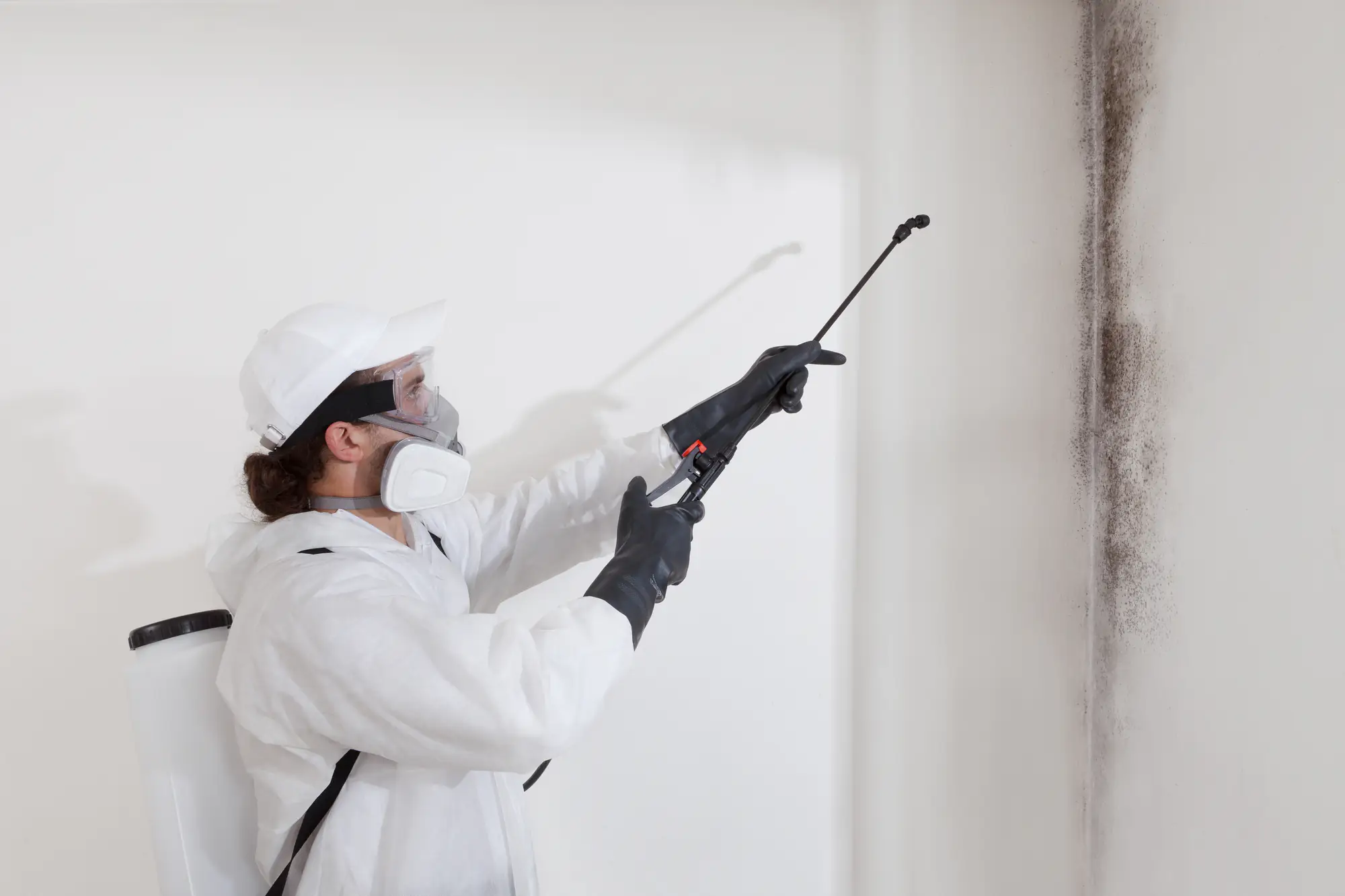
Once we know what we’re dealing with, we contain the area. Mold spreads through airborne spores, so we seal off affected rooms with plastic barriers and use negative air pressure to keep spores from traveling to clean areas of your home.
Then we remove it. Depending on severity, that might mean cleaning surfaces with antimicrobial solutions, or removing drywall, insulation, and other porous materials that can’t be saved. We don’t cut corners. If it’s contaminated, it goes.
After removal, we treat the area to prevent regrowth and address the moisture source—whether that’s a leaky pipe, poor ventilation, or water seeping through your foundation. If we don’t fix what caused it, you’ll be calling someone again in six months.
Finally, we test the air quality to confirm mold levels are back to normal. You’re not guessing whether it’s gone—you’ll have documentation.
Ready to get started?
You get a certified inspection with advanced detection tools that go beyond what you can see. We check moisture levels, identify mold types, and map out the full extent of contamination—including hidden growth in wall cavities and under flooring.
Our mold mitigation services include containment setup, safe removal of affected materials, HEPA air filtration during the process, antimicrobial treatment, and thorough cleaning of salvageable surfaces. We handle black mold, attic mold, crawl space mold, and water mold damage from leaks or flooding.
In Caln, PA, we see a lot of basement mold from foundation seepage and attic mold from roof leaks or poor ventilation. Nearly half of homes in this area show signs of mold or mold odor, often because water problems go unnoticed until it’s widespread. We also see mold under sinks, around windows, and in bathrooms where humidity builds up without proper exhaust.
We’ll work with your insurance company if your mold problem is related to a covered event like a burst pipe. And we offer flexible payment options, because mold removal shouldn’t wait just because it’s an unexpected expense.
Every job ends with prevention recommendations—whether that’s improving ventilation, fixing drainage issues, or sealing entry points where moisture gets in.
Mold can start growing within 24 to 48 hours after water exposure. That’s not a lot of time, especially if you’re dealing with a flooded basement or a roof leak you didn’t notice right away.
In Pennsylvania’s humid climate, that window can be even shorter. Moisture doesn’t evaporate as fast here, especially in enclosed spaces like crawl spaces or behind walls. Even if the surface looks dry, moisture can linger in insulation, drywall, and wood framing—giving mold everything it needs to take hold.
If you’ve had any kind of water intrusion—burst pipe, storm damage, appliance leak—don’t wait to see if mold shows up. By the time you see it or smell it, it’s already established. The faster you act, the less damage you’re dealing with and the lower the cost to fix it.
Mold removal sounds like it means getting rid of all the mold, but that’s not realistic. Mold spores are everywhere—they’re part of the natural environment. The goal isn’t to eliminate every spore; it’s to bring mold levels back down to safe, normal levels and stop it from growing back.
Mold mitigation is the full process: identifying the source of moisture, removing contaminated materials, treating affected areas, and preventing future growth. It’s not just scrubbing visible mold off a wall and calling it done. If you don’t address what caused the mold in the first place—like a leaky pipe, poor ventilation, or water seeping through your foundation—it’s going to come back.
That’s why we focus on the root cause, not just the symptoms. You want someone who’s going to fix the problem, not just make it look better for a few weeks.
If it’s a small area—less than 10 square feet—and it’s on a hard, non-porous surface like tile, you can probably handle it yourself with the right cleaner and some precautions. But if it’s larger than that, if it’s on porous materials like drywall or insulation, or if you’re seeing mold in multiple areas, you need professionals.
Here’s why: mold spreads through spores that become airborne when you disturb it. If you start scrubbing or tearing out materials without proper containment, you’re sending spores all over your house. You also need to know what type of mold you’re dealing with—black mold, for example, produces toxins that can cause serious health problems if you’re exposed during removal.
We use containment barriers, HEPA filtration, and protective equipment to keep spores from spreading. We also have the tools to find hidden mold you’d never see on your own—behind walls, under floors, in attic insulation. If you miss it, it keeps growing.
It depends on how extensive the problem is. A small, contained area might cost a few hundred dollars. A whole basement or attic with significant contamination can run several thousand. The size of the affected area, the type of materials involved, and whether structural repairs are needed all factor into the price.
In Caln and the rest of Chester County, we see a lot of mold in basements due to foundation issues and in attics from roof leaks or ventilation problems. Older homes here are especially prone to moisture intrusion because they weren’t built with modern vapor barriers or drainage systems.
We offer free inspections and upfront pricing, so you’ll know what you’re looking at before any work starts. If your mold problem is related to a sudden water event—like a burst pipe or storm damage—your homeowners insurance may cover part or all of the cost. We’ll work with your insurance company to help with the claims process.
The longer you wait, the more it spreads, and the more expensive it gets. Catching it early saves money.
Not if the moisture source is fixed. Mold needs water to grow. If you remove the mold but don’t address what’s causing moisture buildup—whether that’s a plumbing leak, condensation, poor ventilation, or water seeping through your foundation—it’s going to come back.
That’s the difference between a surface cleaning and real mitigation. Real mitigation identifies and fixes the underlying problem. Maybe that means repairing a leaky pipe, improving attic ventilation, installing a dehumidifier in your basement, or regrading soil around your foundation so water drains away from your house instead of toward it.
We don’t just remove mold and leave. We give you a clear explanation of what caused it and what needs to happen to prevent it from returning. If you follow those recommendations, you shouldn’t see mold in that area again. If it does come back, that’s a sign something else is going on that needs attention.
Black mold—technically called Stachybotrys chartarum—gets a lot of attention because it produces mycotoxins that can cause serious health issues, especially with prolonged exposure. Symptoms include respiratory problems, headaches, fatigue, and skin irritation. It’s more dangerous than common household molds, but the removal process isn’t drastically different.
All mold removal requires containment, protective equipment, and proper disposal of contaminated materials. With black mold, we’re just more careful about limiting exposure during the process. We use HEPA filtration to capture airborne spores, seal off the work area completely, and make sure nothing gets tracked into other parts of your home.
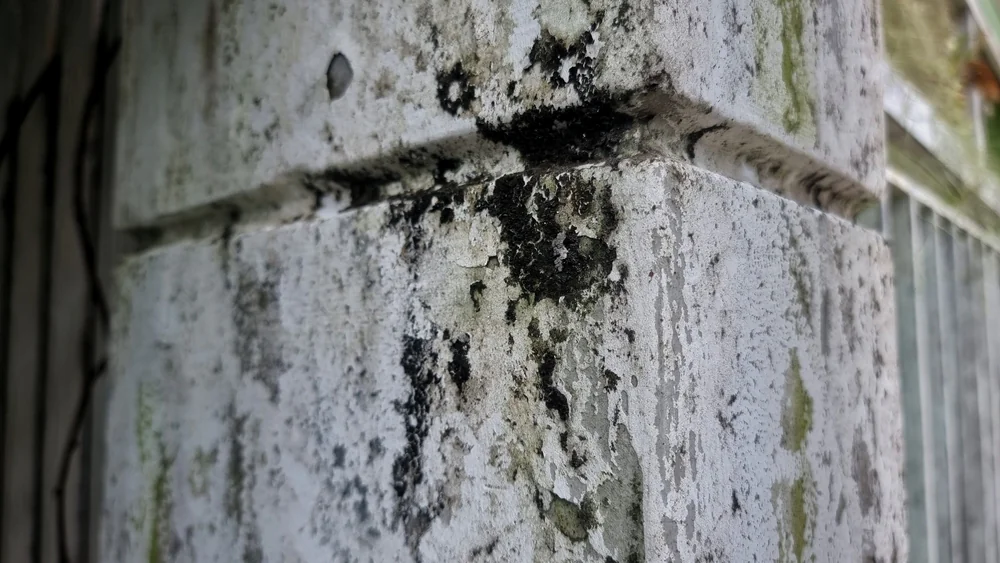
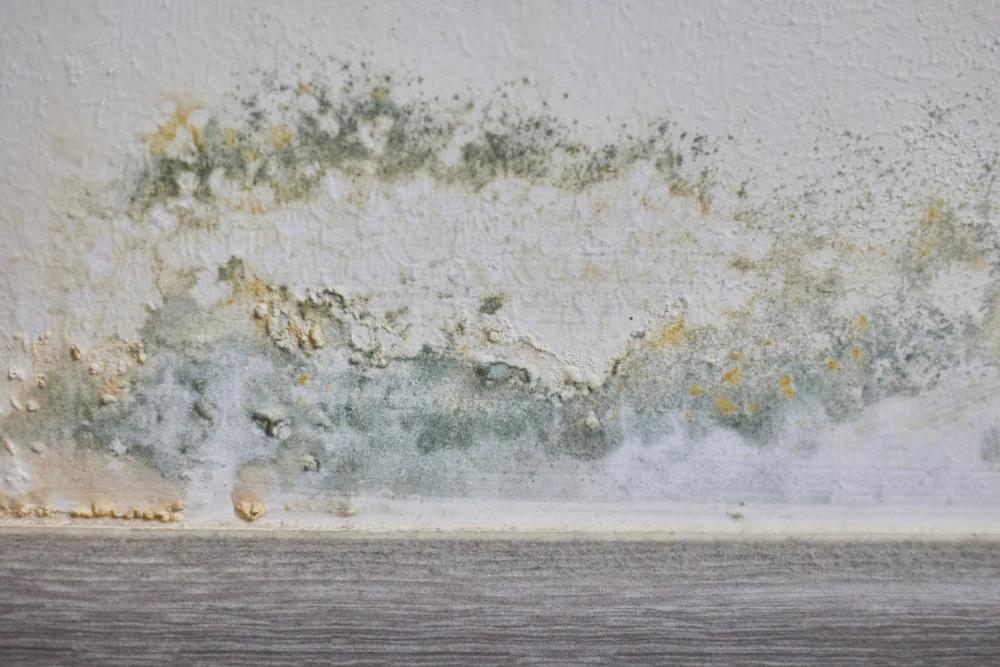
The bigger issue with black mold is that it usually indicates a serious moisture problem. It grows on materials with high cellulose content—like drywall, wood, and insulation—in areas that stay wet for extended periods. If you’ve got black mold, you’ve likely got a significant water intrusion issue that needs to be addressed, not just surface dampness.
We test to confirm what type of mold you’re dealing with, then treat it accordingly. Whether it’s black mold or another variety, the goal is the same: safe removal and prevention.
Other Services we provide in Caln