
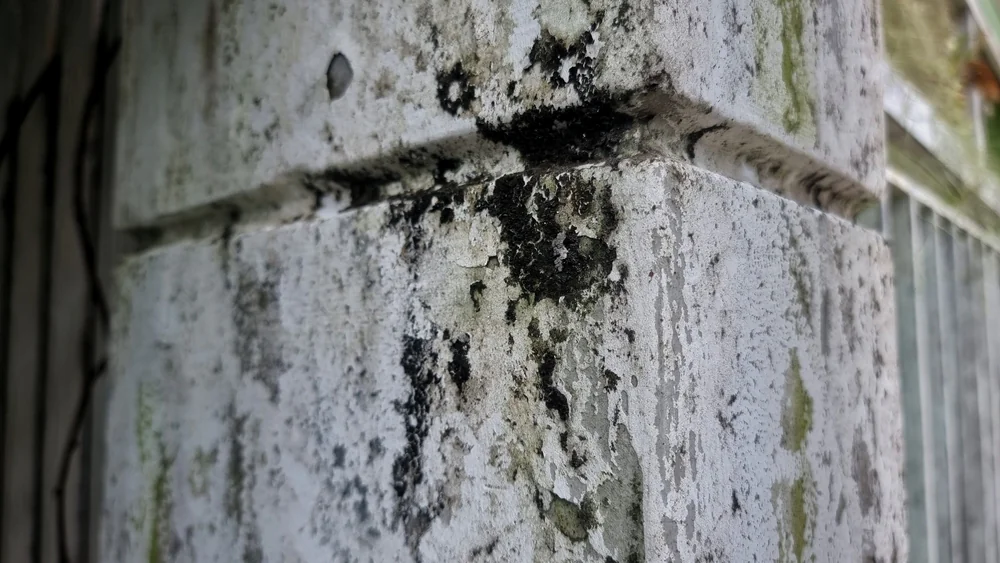
Hear from Our Customers
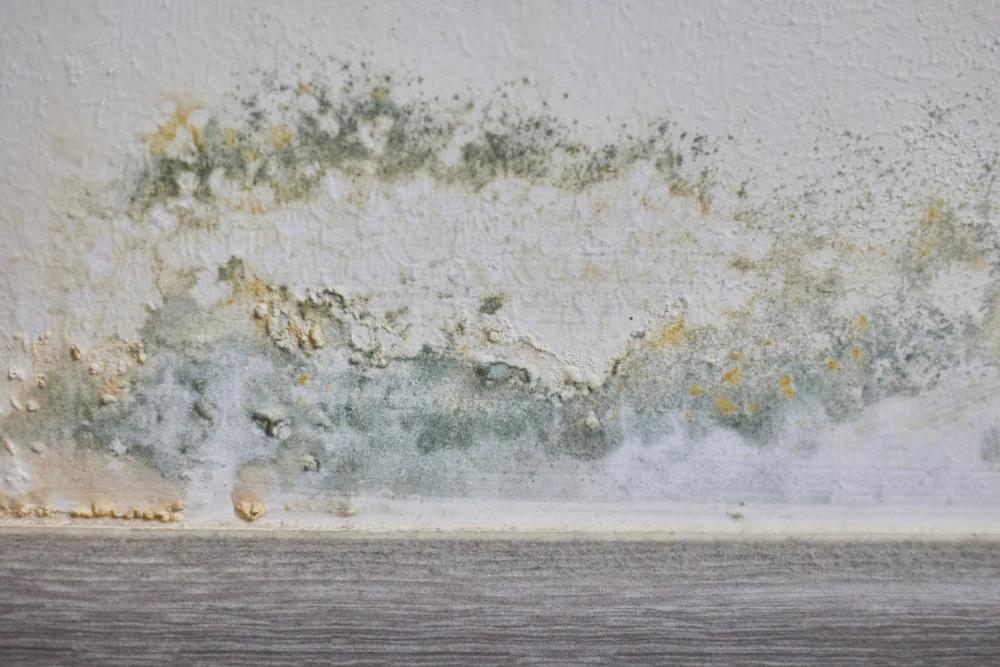
When you see mold in your basement or smell that musty odor in your attic, scrubbing it with bleach won’t solve anything. The spores come back in weeks because the moisture source is still there.
Real mold mitigation finds what’s causing the growth—whether that’s a leaky pipe, poor ventilation, or condensation from Bala Cynwyd’s humid summers hitting your cold basement walls. We eliminate that source, remove contaminated materials safely, and treat the area so spores can’t take hold again.
Your home was built to last, especially if it’s one of those solid Colonial-style houses from the 1940s or earlier that fill this area. But older construction means plaster walls, brick basements, and ventilation systems that weren’t designed for today’s moisture loads. That’s why professional mold mitigation matters here. You get a home that’s actually safe, not just surface-level clean.
We’ve been handling mold problems in Bala Cynwyd and the Greater Philadelphia region for years. We understand how moisture behaves in older homes with shared walls, brick foundations, and limited airflow.
Most of the properties we work on were built between 1940 and 1969, and plenty go back even further. These homes have character, but they also have quirks—like basements that trap humidity and attics where warm air meets cold surfaces. We’ve seen it all, and we know how to fix it right the first time.
You’re not getting a national chain that sends different crews every time. You’re working with local professionals who are trained, certified, and familiar with Pennsylvania’s codes for mold remediation and repair.
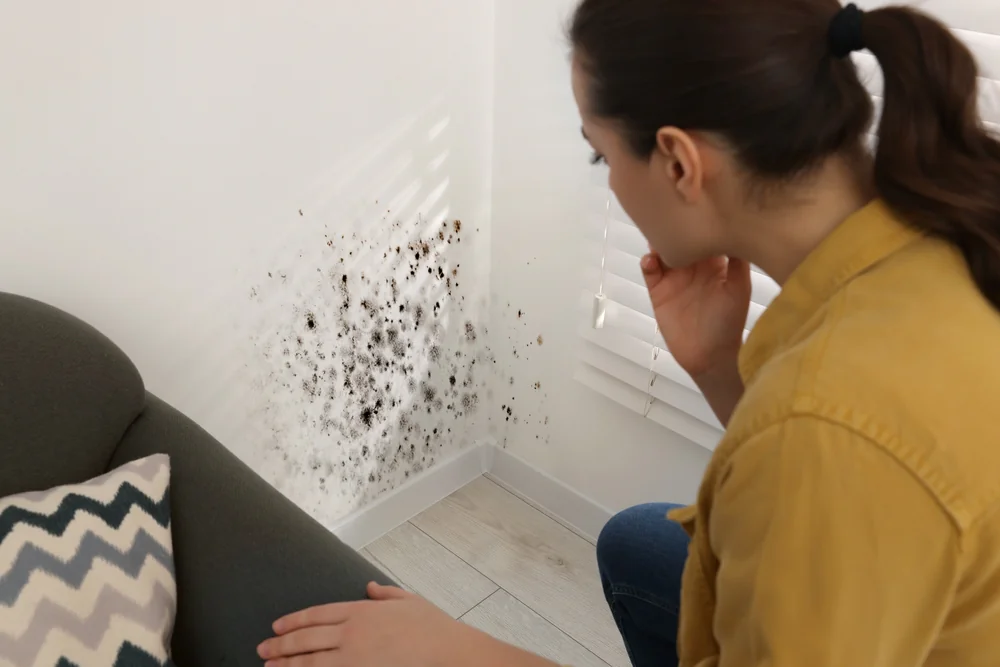
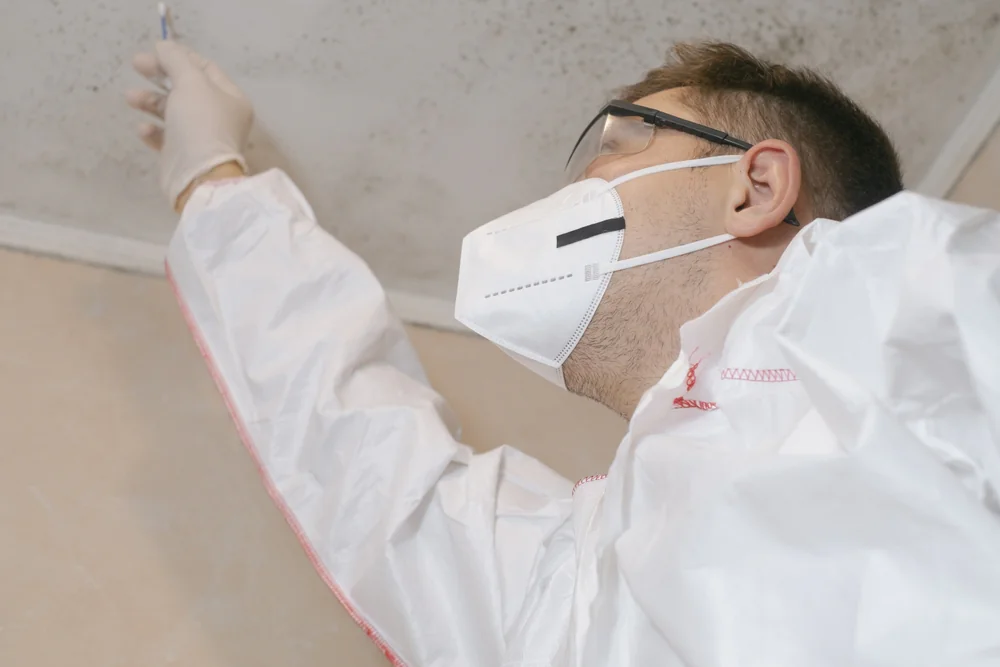
First, we inspect the property using moisture meters and infrared cameras to find mold you can’t see—behind walls, under floors, in crawl spaces. We’re not guessing. We’re measuring.
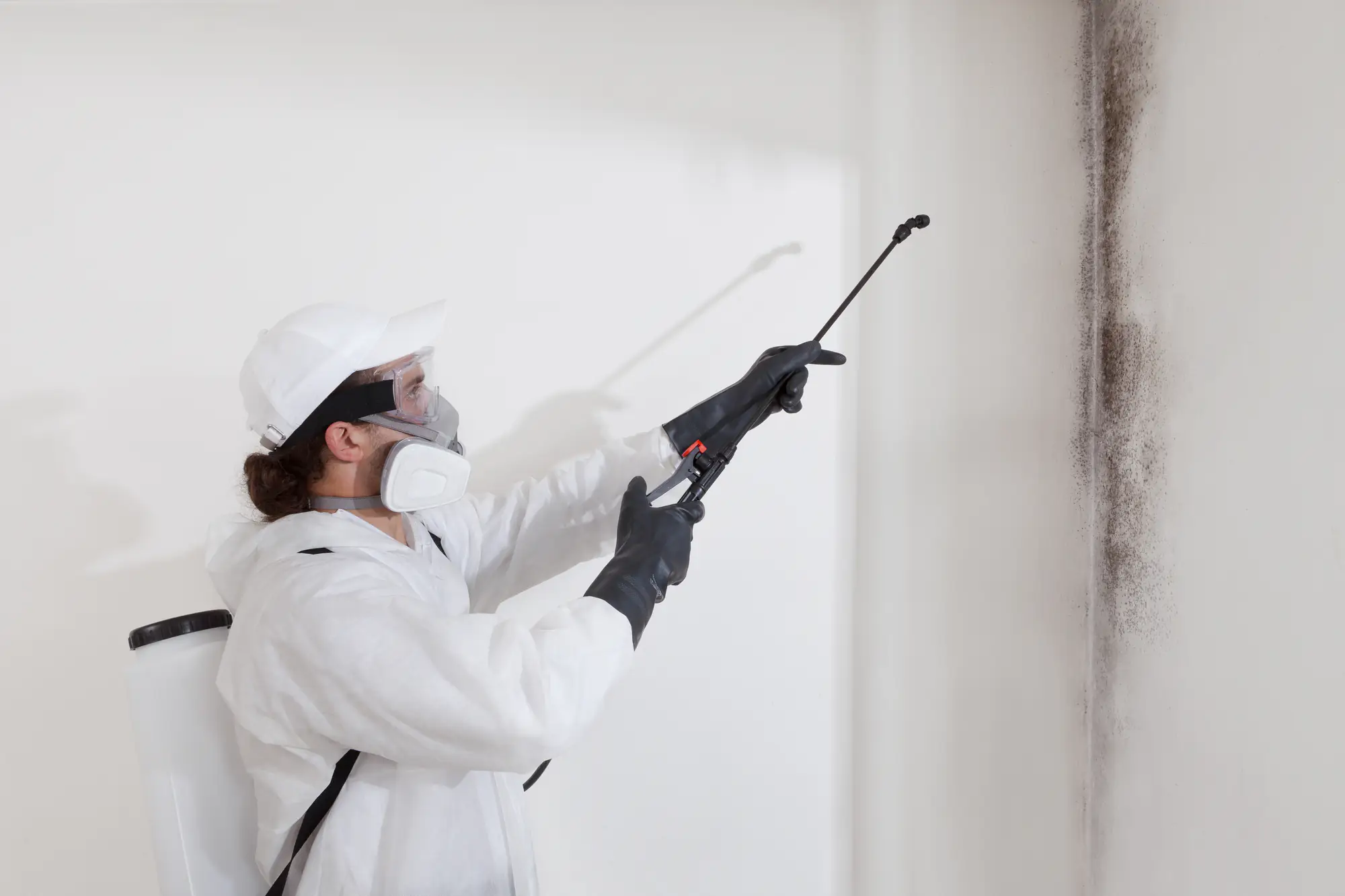
Next, we contain the affected area with physical barriers and negative air pressure systems. This keeps mold spores from spreading to clean parts of your home while we work. Then we bring in HEPA vacuums and air scrubbers to pull microscopic spores out of the air.
The actual removal involves treating surfaces with antimicrobial solutions, removing materials that can’t be saved (like soaked drywall or insulation), and deep-cleaning structural elements like studs and joists. After that, we address the moisture source—fixing leaks, improving ventilation, installing dehumidifiers, whatever it takes. The final step is verification. We make sure the area is dry, clean, and safe before we’re done.
Ready to get started?
You get a thorough inspection that identifies every moisture problem and mold colony in your home. That includes hidden growth in places most homeowners would never check.
You get professional containment so the problem doesn’t spread during removal. You get HEPA filtration and antimicrobial treatments that meet EPA and Pennsylvania state standards. And you get the actual fix—not just surface cleaning, but elimination of the moisture source that caused the mold in the first place.
In Bala Cynwyd, that often means dealing with basement moisture from our humid climate, condensation issues in older homes with poor insulation, or water intrusion from aging plumbing systems. We handle all of it. You also get documentation for insurance purposes if you need it, plus a plan to prevent recurrence. That’s what separates real mitigation from a temporary patch job.
It depends on the size of the affected area and how far the mold has spread. A small basement corner might take two to three days. A larger job involving multiple rooms or hidden mold behind walls can take a week or more.
The timeline includes inspection, containment setup, removal, treatment, drying, and verification. We don’t rush it because cutting corners means the mold comes back. Most homeowners in Bala Cynwyd are dealing with older homes where mold can hide in places that take time to access properly—like between plaster walls or under original hardwood floors.
We’ll give you a realistic timeline after the inspection. If you’re dealing with an emergency situation, like flooding or a major leak, we offer 24/7 response to start containment and drying immediately.
Mold removal sounds like you’re getting rid of every single spore, but that’s not realistic. Mold spores exist everywhere—in the air, on surfaces, outdoors and indoors. You can’t eliminate them completely.
Mold mitigation is the correct term because it means reducing mold levels to normal, safe amounts and eliminating the conditions that allow it to grow. That’s what actually protects your home and health. We remove visible mold, treat affected areas, and fix the moisture problem so it doesn’t come back.
In Bala Cynwyd’s climate, with humid summers and older housing stock, moisture control is everything. If we just scrubbed away the mold without addressing the leak, the condensation, or the ventilation issue, you’d be calling us again in a month. Mitigation solves the root cause.
It depends on the extent of the contamination and where it’s located. If we’re working on a contained area like a basement or a single bathroom, and we’ve set up proper barriers and negative air pressure, you can usually stay in other parts of the house.
If the mold covers a large area, affects your HVAC system, or involves black mold in living spaces, we’ll recommend staying elsewhere until containment is complete and air quality is verified. Your health matters more than convenience.
We seal off work areas with plastic sheeting and use HEPA air scrubbers to prevent cross-contamination. But if you have young children, elderly family members, or anyone with respiratory issues or a weakened immune system, it’s safer to stay somewhere else during the active removal phase. We’ll walk you through the best option for your specific situation.
We use moisture meters to detect elevated moisture levels inside walls, ceilings, and floors. High moisture readings usually mean there’s a problem—either active mold growth or conditions that will cause it within 24 to 48 hours.
Infrared cameras let us see temperature differences that indicate water intrusion or trapped moisture. Cold spots often reveal where condensation is forming or where insulation is wet. We also look for visual clues like staining, warping, or bubbling paint that suggest hidden damage.
In Bala Cynwyd’s older homes, mold loves to grow in wall cavities where plaster meets wood lath, or in rim joists in unfinished basements. These are areas you’d never see without the right equipment. Once we locate the problem, we can access it properly, remove contaminated materials, and treat the structure without tearing apart more of your home than necessary.
It depends on what caused the mold. Most homeowners insurance policies cover mold mitigation if the mold resulted from a covered peril—like a sudden pipe burst, storm damage, or an appliance leak that happened quickly.
If the mold grew because of long-term neglect, poor maintenance, or gradual issues like chronic condensation, insurance usually won’t cover it. They expect homeowners to address moisture problems before they turn into mold problems.
We can provide detailed documentation of our findings, photos, moisture readings, and a scope of work to help you file a claim if the damage qualifies. We’ve worked with plenty of insurance companies in the Philadelphia area, and we know what they need to see. The key is acting fast—if you wait too long after discovering water damage, insurers may argue you didn’t mitigate the loss promptly.
Control moisture. That’s the whole game. Mold needs water to grow, so if you keep surfaces dry, it can’t take hold.
Fix leaks immediately—pipes, roofs, windows, anywhere water gets in. Run exhaust fans in bathrooms and kitchens to vent humid air outside. Use a dehumidifier in your basement, especially during Bala Cynwyd’s humid summer months when moisture levels spike. Make sure your gutters and downspouts direct water away from your foundation.
In older homes, improving ventilation makes a huge difference. If your attic or crawl space doesn’t breathe properly, condensation builds up and mold follows. We’ll give you specific recommendations based on what we find during mitigation—whether that’s sealing a foundation crack, upgrading bathroom ventilation, or adding insulation to prevent condensation on cold surfaces. Prevention is straightforward once you know where your home’s weak points are.
Other Services we provide in Bala Cynwyd