
Hear from Our Customers
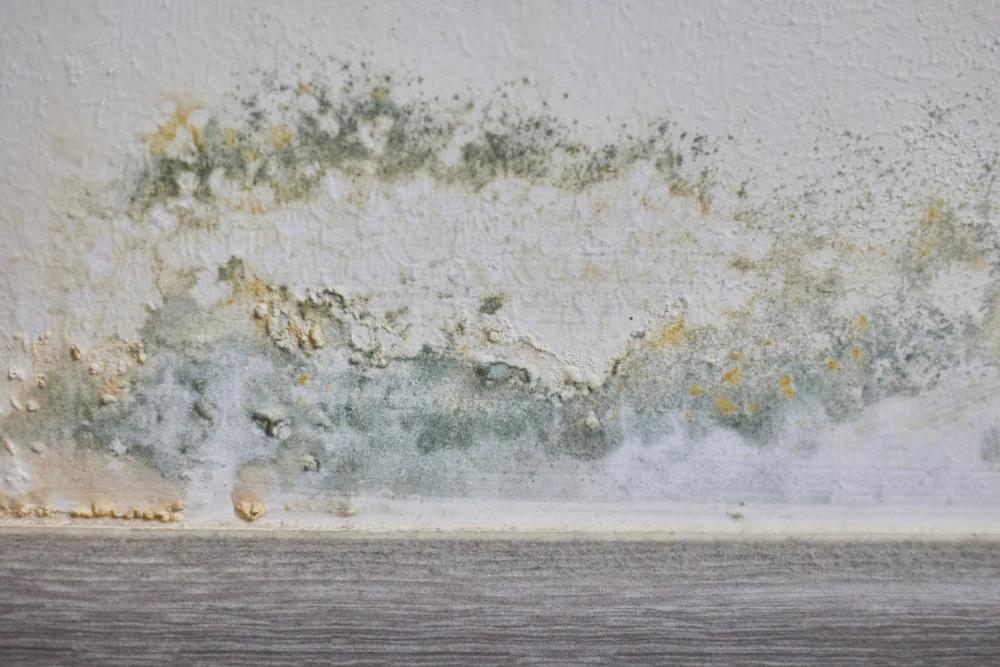
Here’s what most Audubon homeowners don’t realize: mold starts growing within 24 to 48 hours after water exposure. That basement flood on Monday evening? By Wednesday morning, you’ve got colonies establishing behind your drywall.
The financial hit is real. Visible mold can drop your home’s value by 20-37%. With Audubon’s median home prices around $410,000, that’s potentially $82,000 to $150,000 off your property value. Half of potential buyers will walk away from a deal once they learn about mold history, even if it’s been treated.
Then there’s your family’s health. Sneezing, coughing, congestion, eye irritation. If anyone in your home has asthma, mold makes it worse. Kids and elderly family members face even higher risks.
Professional mold mitigation stops the problem at the source. We identify why moisture is accumulating, eliminate the contamination, fix the underlying issue, and prevent it from coming back. You’re not just removing mold, you’re protecting your investment and keeping your family safe.
Mack’s Mold Removal has been handling mold mitigation across Montgomery County for years. We’re IICRC-certified, which means our technicians are trained in Applied Microbial Remediation, the actual science of mold removal.
Audubon’s climate creates perfect conditions for mold. Pennsylvania’s humid summers, frequent rain, and temperature swings cause condensation in places you’d never think to check. We know how quickly things escalate here, and we know how to stop it.
We’re available 24/7 because mold doesn’t wait for business hours. We also work directly with insurance companies to help you navigate the claims process, which matters because most policies won’t cover mold unless it resulted from a covered peril like a burst pipe.
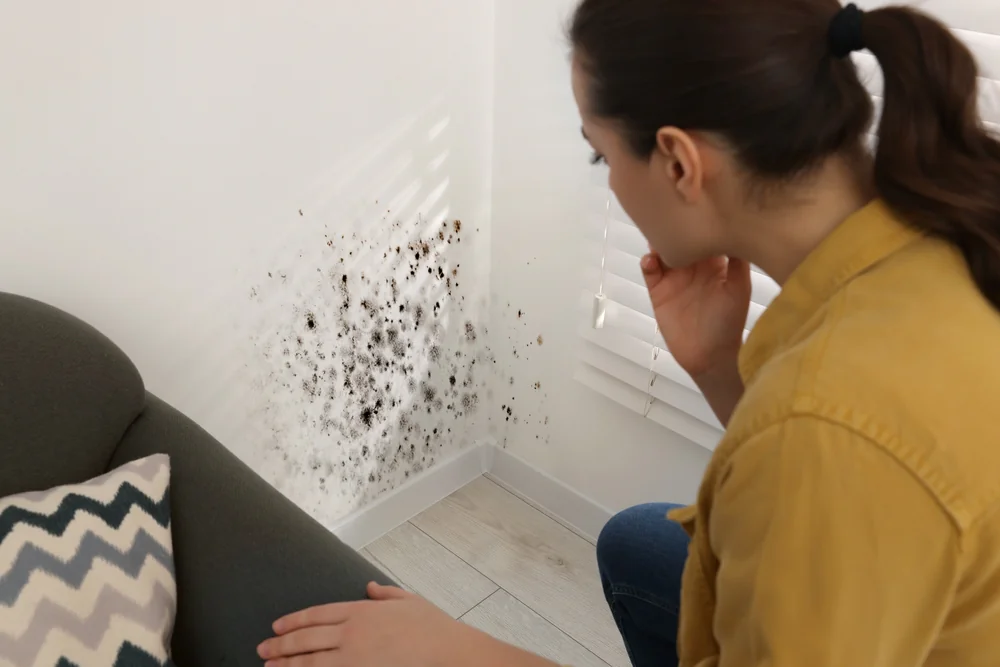
First, we assess the situation. Our certified inspectors use moisture meters and infrared cameras to find mold hiding behind walls, under floors, and in spaces you can’t see. Surface materials might look dry while moisture is trapped in wall cavities or insulation.
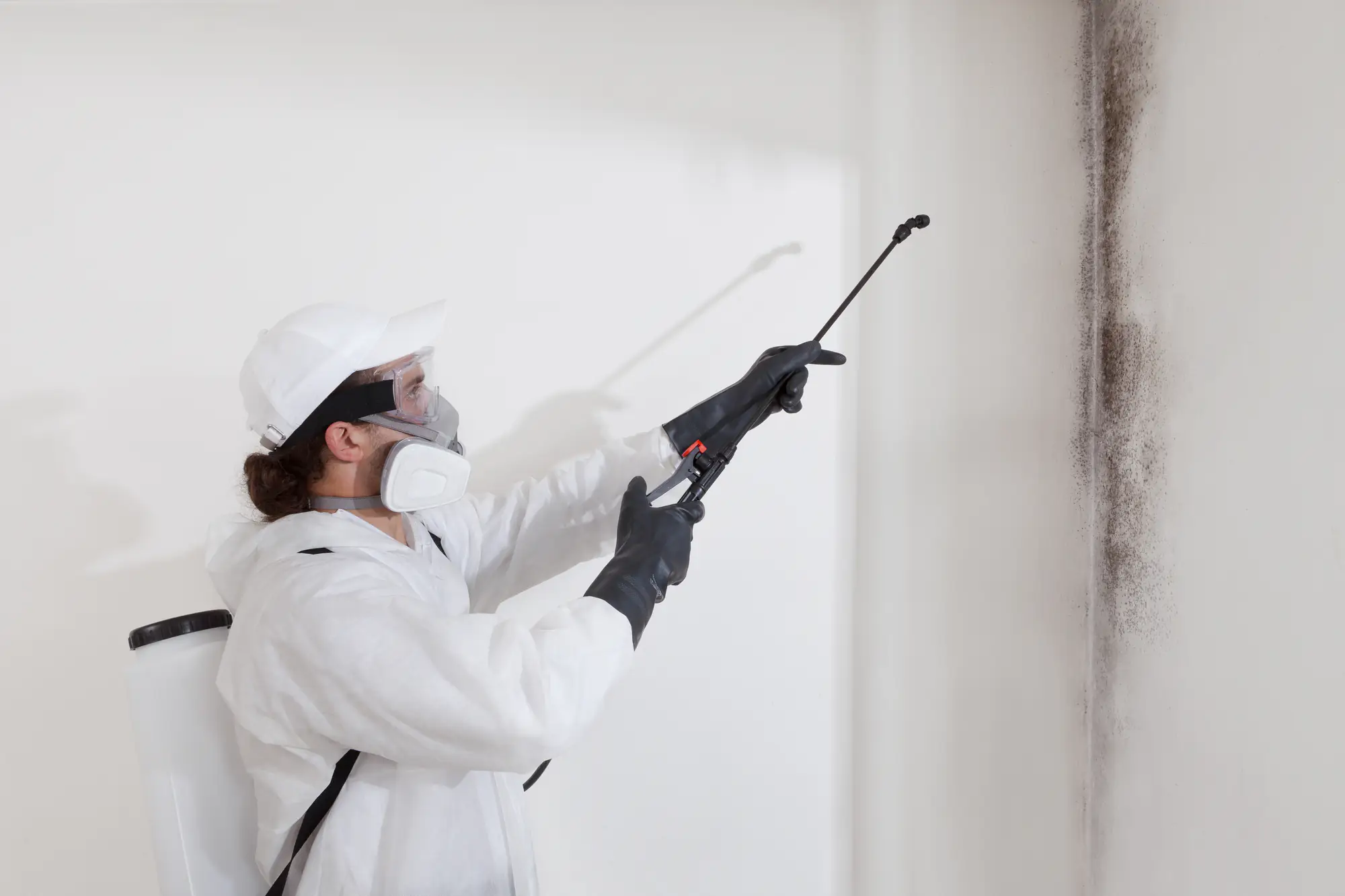
Next, we contain the affected area. We seal it off with physical barriers and negative air pressure systems to prevent spores from spreading to clean areas of your home. This step is critical because disturbing mold without containment makes the problem worse.
Then we remove the contamination. HEPA vacuums and air scrubbers capture microscopic spores from the air while we remove affected materials. We don’t just clean surfaces, we eliminate the source.
Finally, we fix what caused it. Leaking pipes get repaired. Ventilation gets improved. Dehumidifiers get installed if needed. If we don’t address the moisture source, the mold comes back. We also handle any necessary reconstruction so you’re not left coordinating multiple contractors.
Ready to get started?
You get a complete solution, not just surface cleaning. We start with air quality testing to measure spore levels and identify the type of mold you’re dealing with. Black mold gets the most attention, but all mold growth needs professional treatment.
Our mold mitigation services include emergency water extraction if you’re dealing with active flooding or leaks. Remember, you’ve got that 24-48 hour window before mold establishes. Fast water removal is your first line of defense.
We use eco-friendly products that are safe for your family and pets. Our containment process keeps spores from spreading during removal. All contaminated materials are disposed of properly, and we sanitize affected areas to prevent regrowth.
Pennsylvania’s climate means 47% of residential buildings show visible mold or detectable mold odor. In Audubon specifically, homes built in the 1980s and 1990s, which represents a large portion of the housing stock here, often have insulation and ventilation standards that don’t hold up to today’s moisture control needs. We address those structural issues as part of the mitigation process so you’re not dealing with recurring problems.
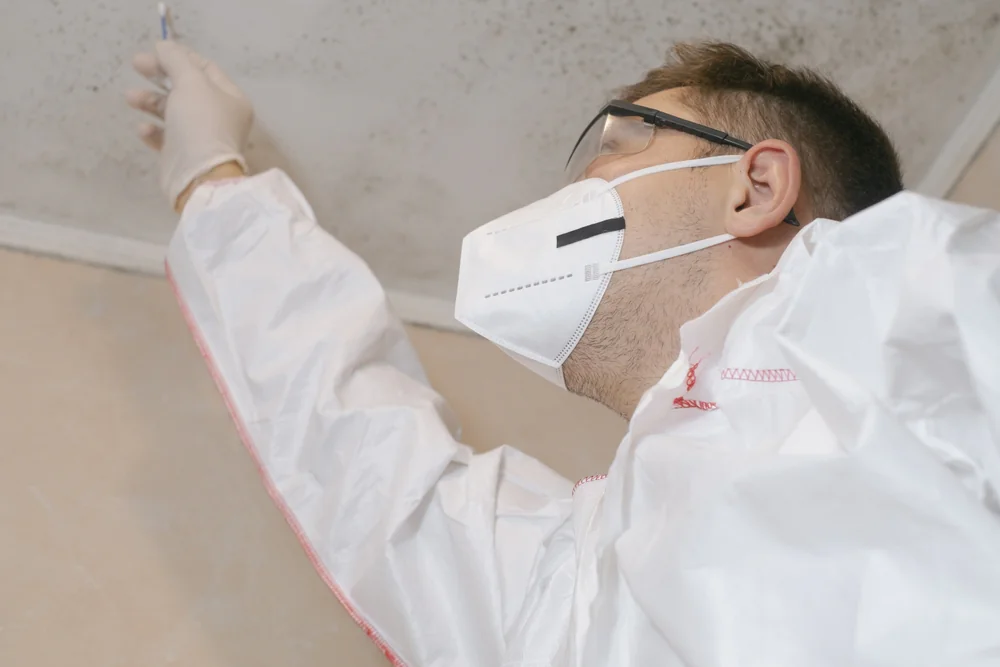
Mold can establish within 24 to 48 hours if wet materials aren’t dried properly. That’s not a lot of time, especially if the water damage happens over a weekend or you don’t notice it right away.
Pennsylvania’s humidity makes this timeline even tighter. Summer months create ideal conditions for rapid mold growth. Even in winter, condensation from heating systems can create moisture problems that lead to contamination.
If you’ve had any water intrusion, a burst pipe, roof leak, or basement flooding, you need to act immediately. The longer materials stay wet, the more extensive the damage becomes and the more expensive the mitigation process gets.
It depends on what caused the mold. Most homeowners insurance policies cover mold remediation if it resulted from a covered peril like a sudden pipe burst or storm damage. If the mold developed because of long-term neglect or maintenance issues, your policy likely won’t cover it.
Coverage is often limited even when it does apply. Many policies cap mold remediation at $10,000 or less, and the average water damage claim in the U.S. is $15,400. You might be covering part of the cost out of pocket.
We work directly with insurance companies to document the damage, provide detailed estimates, and help you navigate the claims process. Getting your claim approved often comes down to how well the damage is documented and whether you can prove it resulted from a covered event. We handle that documentation as part of our service.
Mold removal focuses on eliminating visible mold growth. Mold mitigation addresses the entire problem: why the mold is growing, how to remove it safely, and how to prevent it from returning.
You can’t permanently “remove” all mold spores from a property. Spores are everywhere in the environment. Mitigation reduces spore levels to normal, safe levels and eliminates the moisture conditions that allow mold to grow.
That’s why we focus on mitigation, not just removal. We fix leaks, improve ventilation, install dehumidifiers if needed, and address structural issues that create moisture problems. If you only remove the visible mold without fixing the cause, you’ll be dealing with the same problem again in a few months.
It depends on the extent of contamination and what’s causing it. A small area of mold growth from a recent leak costs significantly less to mitigate than widespread contamination from long-term moisture problems.
Most mold mitigation projects range from a few thousand dollars for contained areas to $15,000 or more for extensive damage requiring reconstruction. The size of the affected area, the type of materials involved, and whether structural repairs are needed all impact the final cost.
Here’s what drives costs up: delays. The longer you wait, the more the mold spreads and the more materials need to be removed and replaced. Acting within that 24-48 hour window after water damage can literally save you thousands of dollars. We offer flexible payment options and financing because we understand this is often an unexpected expense. We’ll also provide a detailed estimate upfront so you know exactly what you’re paying for.
Small surface mold on non-porous materials like tile might be something you can handle yourself. Anything larger than 10 square feet, or any mold on porous materials like drywall or insulation, needs professional treatment.
Here’s why: disturbing mold without proper containment spreads spores throughout your home. You’re making the contamination worse. Professional mold mitigation uses negative air pressure systems, HEPA filtration, and containment barriers to prevent cross-contamination.
There’s also the question of what’s causing the mold. If you don’t identify and fix the moisture source, the mold comes back. We use moisture meters and infrared cameras to find hidden water damage that’s not visible to the naked eye. Most homeowners don’t have access to that equipment or the training to interpret the results. If you’re dealing with black mold specifically, professional treatment isn’t optional. The health risks are too high.
Most residential mold mitigation projects take 3 to 7 days depending on the extent of contamination and whether reconstruction is needed. Small, contained areas might be completed in 1-2 days. Extensive damage requiring wall removal and structural repairs takes longer.
The timeline breaks down like this: assessment and containment happen on day one. Removal and cleaning take 1-3 days depending on the size of the affected area. Drying and dehumidification add another 1-2 days. If reconstruction is needed, that adds several more days.
We work as quickly as possible without cutting corners. Rushing the drying process or skipping proper containment creates bigger problems down the road. You want this done right the first time, not fast and sloppy. We’ll give you a realistic timeline during the initial assessment so you know what to expect.
Other Services we provide in Audubon