
Hear from Our Customers
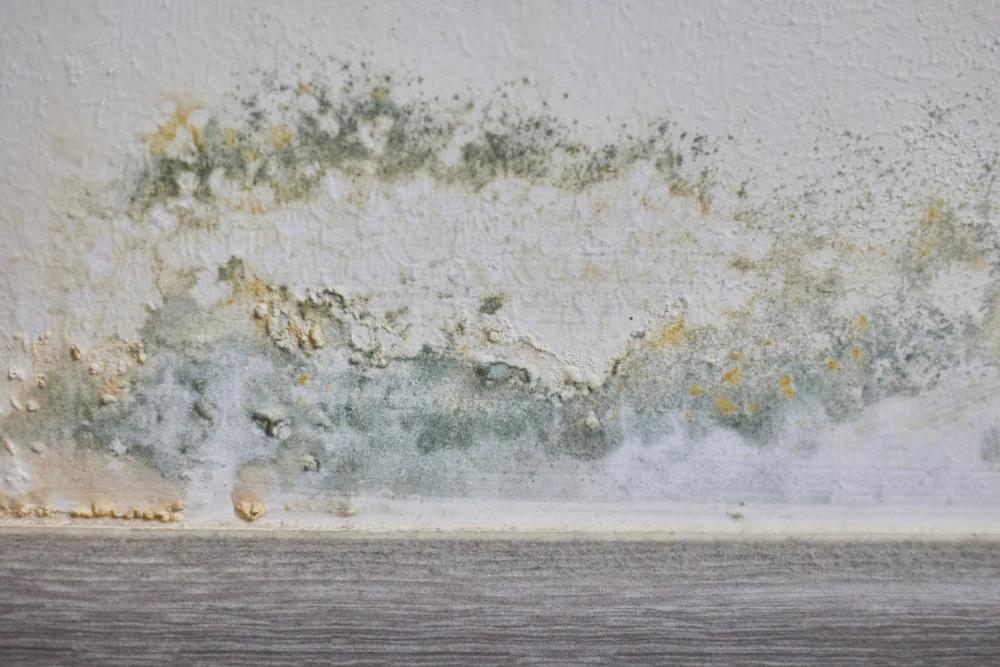
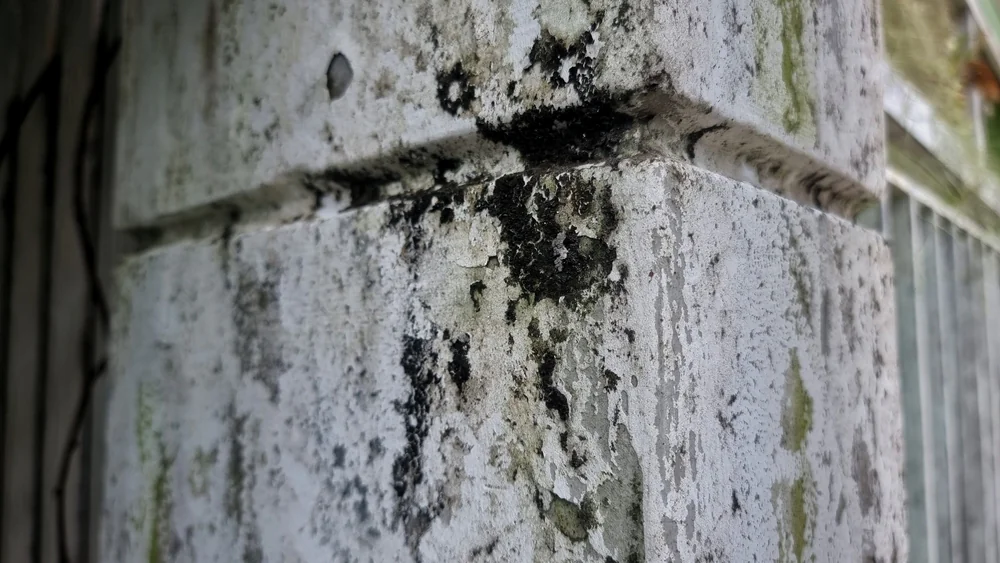
You’ll breathe easier knowing the air in your home isn’t making your family sick. No more musty smell in the basement. No more wondering if that dark spot behind the water heater is getting worse.
The difference between mold removal and mold mitigation comes down to this: removal cleans what you can see. Mitigation stops the conditions that let it grow in the first place. That means fixing leaks, controlling humidity, and sealing off problem areas so spores can’t take hold again.
Most homes in Audubon deal with mold because of how the weather works here. Humid summers and damp winters create the exact conditions mold loves. Add in an older basement with poor drainage or an attic without proper ventilation, and you’ve got a recurring problem that surface cleaning won’t solve.
When mitigation is done correctly, you’re not just getting rid of mold. You’re getting your home back to a place where it doesn’t grow.
We work exclusively in Bucks County. We’ve seen what happens to basements during spring thaw, how attics trap moisture in July, and why crawl spaces in older Audubon homes stay damp year-round.
That local knowledge matters because mold mitigation isn’t one-size-fits-all. The approach that works for a ranch built in the 90s won’t work for a rowhome from the 60s. We adjust our process based on your property, your problem, and what’s actually causing it.
We’re not the cheapest option, and that’s intentional. You’re paying for EPA-approved methods, certified technicians, and a process that includes air quality testing after the work is done. That’s how you know it’s actually fixed.
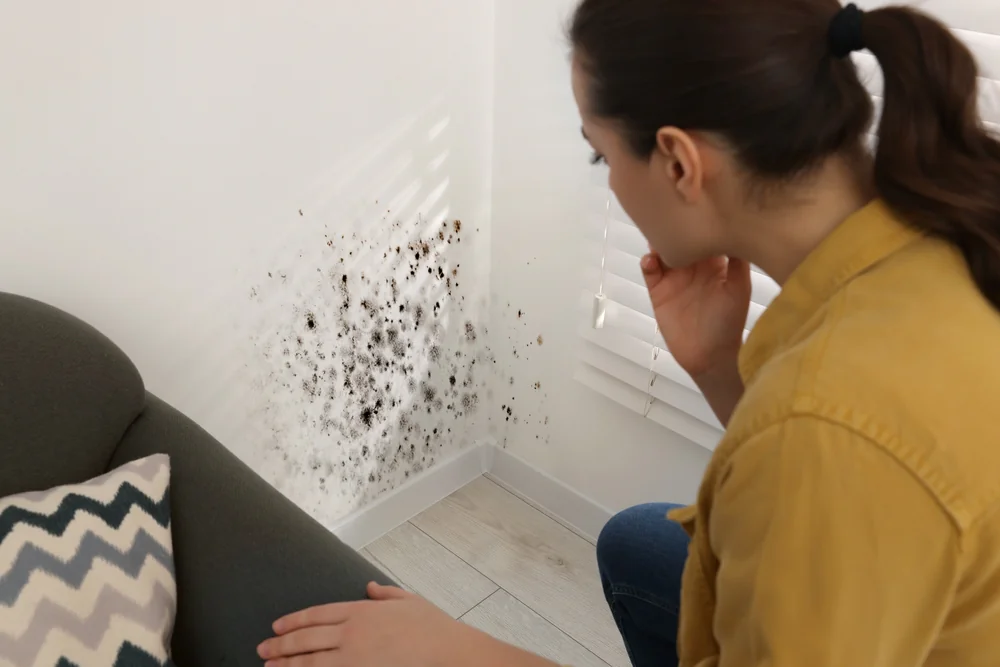
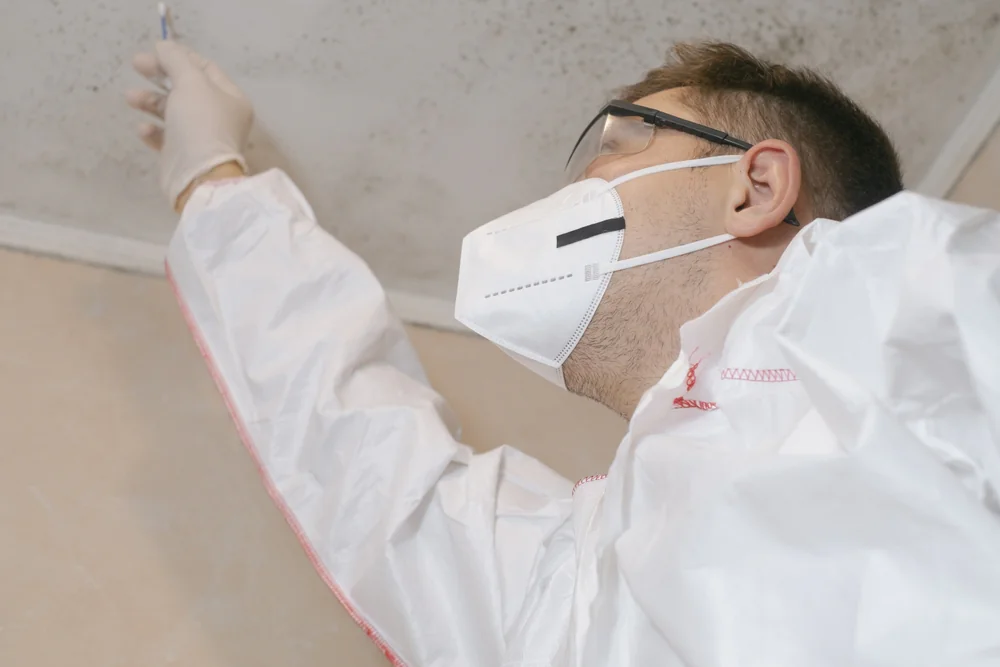
We start with a free inspection. That means checking the obvious spots and the hidden ones—behind walls, under flooring, inside HVAC systems. We’re looking for active growth and the moisture source feeding it.
Once we know what we’re dealing with, you get a written estimate before any work starts. No surprises. If insurance is involved, we’ll handle the paperwork and documentation they need.
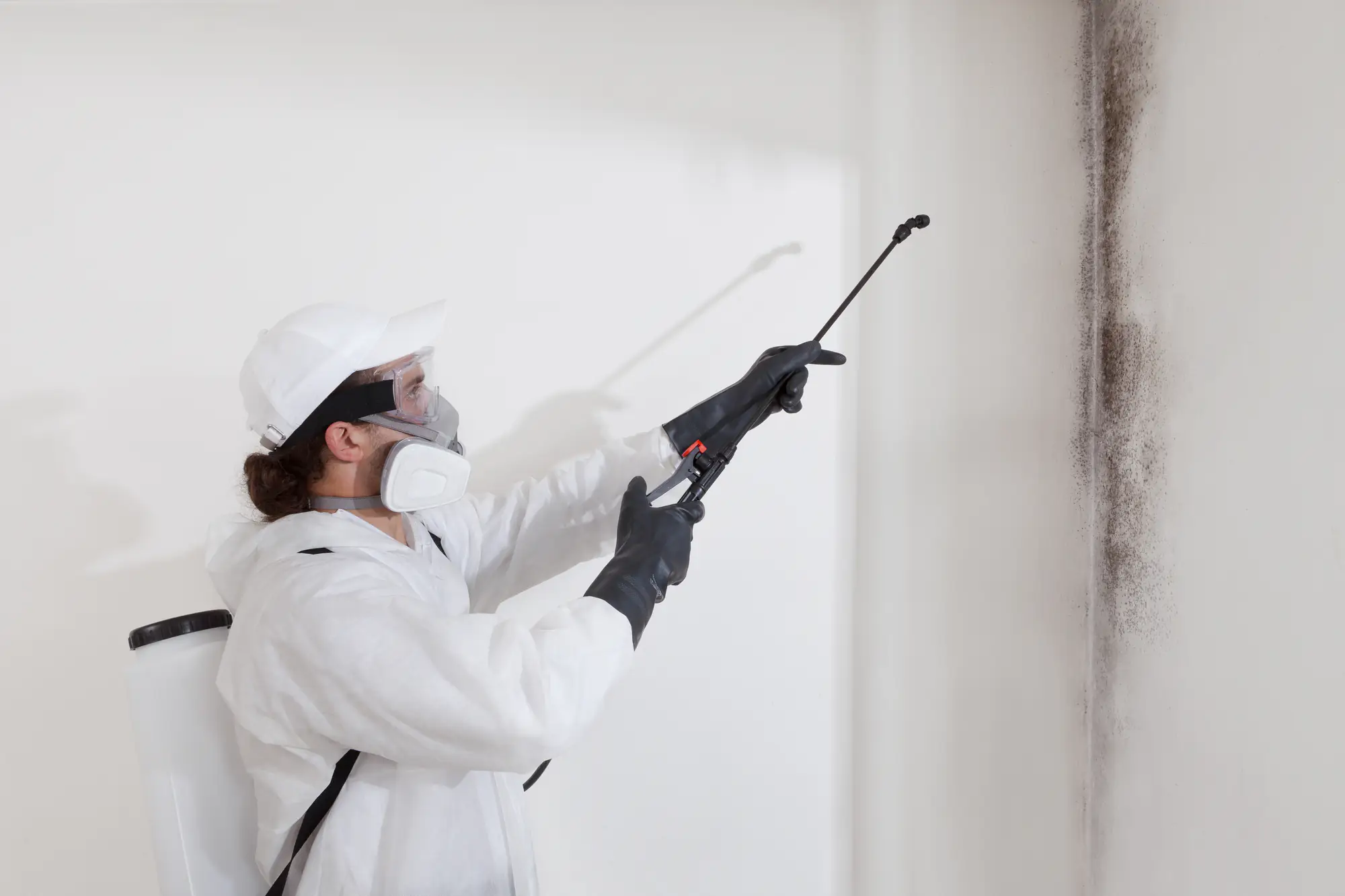
The mitigation itself involves containment first. We seal off the affected area so spores don’t spread to clean parts of your home. Then we remove contaminated materials, treat surfaces with antimicrobial solutions, and use HEPA filtration to clean the air.
After removal, we fix what caused it. That could mean repairing a leaky pipe, improving ventilation, or installing a dehumidifier. Then we test the air quality to confirm spore levels are back to normal.
Most jobs in Audubon take two to four days depending on the size of the affected area. Bathrooms and small basements are usually faster. Attic mold mitigation or crawl space work takes longer because access is harder and the conditions are trickier to control.
Ready to get started?
Every mitigation job includes inspection, containment, removal, source repair, and air quality testing. You’re not paying for five separate services. It’s one process designed to actually solve the problem.
We handle black mold mitigation, attic mold mitigation, and crawl space mold mitigation using the same approach: find it, remove it, fix what caused it, and confirm it’s gone. The location changes the difficulty, but the method stays consistent.
Audubon homes built before 1980 are especially vulnerable because construction standards were different then. Basements weren’t waterproofed the way they are now. Attics didn’t have the same ventilation requirements. That’s why older properties in Bucks County see more recurring mold issues than newer builds.
If your home has had water damage—whether from a burst pipe, roof leak, or flooding—mold mitigation should happen within 48 hours. That’s how long it takes for spores to start growing in damp conditions. The faster you act, the less damage you’re dealing with.
We also work with your insurance company if the mold resulted from a covered event like sudden pipe failure. Most standard policies don’t cover mold from neglect or long-term moisture problems, but if it’s tied to an unexpected incident, there’s a good chance your claim will go through.
Most homeowners in Audubon pay between $1,200 and $3,400 depending on the size of the affected area and how much structural damage has occurred. A small bathroom or basement corner might cost $500 to $1,500. Extensive attic mold mitigation or crawl space work that requires removing drywall and treating HVAC systems can reach $5,000 or more.
The price depends on three things: how much mold there is, where it’s located, and what’s causing it. If we need to remove materials like insulation or drywall, that adds to the cost. If the source is a leaky pipe that needs repair or a ventilation system that needs upgrading, that’s factored in too.
You’ll get a written estimate after the inspection, before any work starts. That estimate breaks down labor, materials, and any repairs needed to fix the moisture problem. No hidden fees.
Mold removal means cleaning up visible mold. Mold mitigation means stopping the conditions that let it grow in the first place. Most companies use the terms interchangeably, but the process is what matters.
Mitigation includes removal, but it also includes fixing leaks, controlling humidity, improving ventilation, and sealing off problem areas. If you only remove the mold without addressing why it’s there, it comes back. That’s especially true in Audubon where the humid climate creates ideal growing conditions year-round.
The goal of mitigation is to bring mold levels back to normal. You can’t eliminate every spore—they’re everywhere in the air. But you can control moisture so spores can’t germinate and spread. That’s what keeps your home mold-free long-term.
Most residential jobs take one to five days. A simple bathroom or small basement area can be done in a day. Attic mold mitigation or larger crawl space projects usually take two to three days. More complex situations involving multiple rooms or significant structural damage can take a week or longer.
The timeline depends on the size of the affected area, how much material needs to be removed, and how long it takes to dry everything out. We use industrial dehumidifiers and air movers to speed up drying, but we won’t rush the process. If materials aren’t completely dry before we seal things up, the mold will just come back.
You’ll know the timeline upfront. We don’t start work until you’ve approved the estimate, and that estimate includes how long the job will take from start to finish.
Yes, if the mitigation is done correctly. That musty smell comes from mold releasing volatile organic compounds as it grows. Once the mold is removed and the area is treated, the smell goes away.
But if the smell comes back, that means the moisture problem wasn’t fully fixed. Mold needs three things to grow: moisture, oxygen, and an organic material to feed on. You can’t eliminate oxygen or organic materials from your home, so controlling moisture is the only way to stop growth.
We use HEPA air scrubbers during the mitigation process to remove airborne spores and odors. After the work is done, we test the air quality to confirm spore levels are back to normal. If the smell persists after that, it means there’s mold we didn’t find, or the moisture source is still active.
It depends on what caused the mold. Most standard homeowners policies don’t cover mold damage from long-term neglect, poor maintenance, or weather-related flooding. But if the mold resulted from a sudden, unexpected event like a burst pipe or appliance failure, your policy may cover it.
The key is proving the mold came from a covered incident. That’s where documentation matters. We take photos, document the moisture source, and provide detailed reports that insurance companies need to process claims.
If your claim is denied, you’re still responsible for the mitigation. Mold doesn’t stop spreading because insurance won’t pay for it. The longer you wait, the worse the damage gets and the more expensive the fix becomes. We offer financing options to make the cost manageable even if insurance doesn’t cover it.
In most cases, yes. We contain the work area using plastic sheeting and negative air pressure so spores don’t spread to other parts of your home. You can stay in unaffected rooms while we work.
If the mold is extensive or involves black mold in areas like your HVAC system, we may recommend staying elsewhere temporarily. That’s especially true if anyone in your home has asthma, allergies, or a compromised immune system. Even with containment, some spores can become airborne during removal.
We’ll tell you upfront if staying in the home is safe or if you should make other arrangements. Most bathroom and basement jobs don’t require you to leave. Larger attic or whole-home projects might.
Other Services we provide in Audubon