
Hear from Our Customers
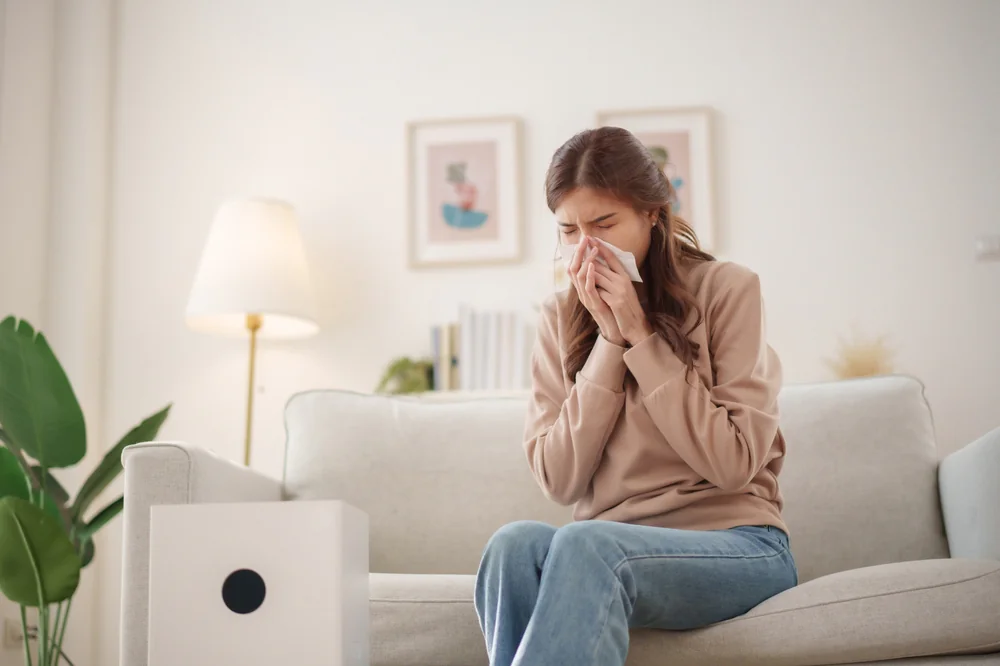
You’ve noticed the symptoms. Maybe it’s persistent allergies that won’t go away, even when you’re inside. Maybe your kids are coughing more than usual, or you smell something musty but can’t pinpoint where it’s coming from.
An indoor air quality test gives you actual data. Not guesses, not assumptions—real numbers on what’s floating around in the air your family breathes every day. We test for mold spores, allergens, VOCs, particulate matter, and other contaminants that standard home inspections miss.
Once you know what’s in your air, you can actually fix it. The test results show you exactly what needs attention, whether that’s a hidden mold problem, poor ventilation, or contaminants coming from your HVAC system. You’ll get a detailed report with spore counts, pollutant levels, and a clear explanation of what it all means for your home.
We’ve been testing and improving indoor air quality for West Bristol, PA homeowners who need straight answers about what’s happening inside their walls and ductwork. We’re IICRC-certified, which means our team follows the same protocols used by environmental scientists and industrial hygienists.
West Bristol’s older housing stock and increased precipitation over recent years have created conditions where mold and moisture problems show up more frequently. We’ve seen it in crawl spaces, behind drywall, and in HVAC systems that haven’t been maintained properly.
Our testing equipment is the same technology used in commercial buildings and healthcare facilities. We send samples to independent labs for analysis, so you’re getting scientifically accurate species identification and concentration levels—not just a visual inspection.
First, we walk through your home and identify areas where air quality issues typically show up. That includes checking your HVAC system, looking at ventilation, and noting any visible signs of moisture or mold growth.
Then we collect air samples from multiple locations throughout your home. We use calibrated equipment that pulls air through collection devices, capturing particles and spores that we send to an EPA-certified lab. We also take surface samples if we spot anything that looks like active mold growth.
The lab analysis takes a few days. Once results come back, we review them with you in plain language—what was found, where the highest concentrations are, and what those levels mean for your health. If there’s mold, we identify the species and spore count. If there are other pollutants, we explain the source and severity.
You’ll receive a written report with all the lab data, plus our recommendations for remediation or air quality improvement. If you need mold removal or other corrective work, we can handle that too. If the issue is something else—like an HVAC problem or ventilation issue—we’ll tell you exactly what type of contractor you need.
Ready to get started?
Your home air quality test covers the contaminants that actually affect health. We test for mold spores, which can trigger asthma and allergic reactions, especially in children and older adults. We measure particulate matter—the dust and debris that irritates lungs and worsens respiratory conditions. We check for VOCs, the chemicals that off-gas from building materials, cleaning products, and furnishings.
In West Bristol, PA, we’re seeing more moisture-related air quality problems due to the 5-10% increase in precipitation over recent years. That extra moisture gets into basements, crawl spaces, and attics, creating perfect conditions for mold growth. Many homes in the area were built before modern moisture barriers and ventilation standards, which compounds the problem.
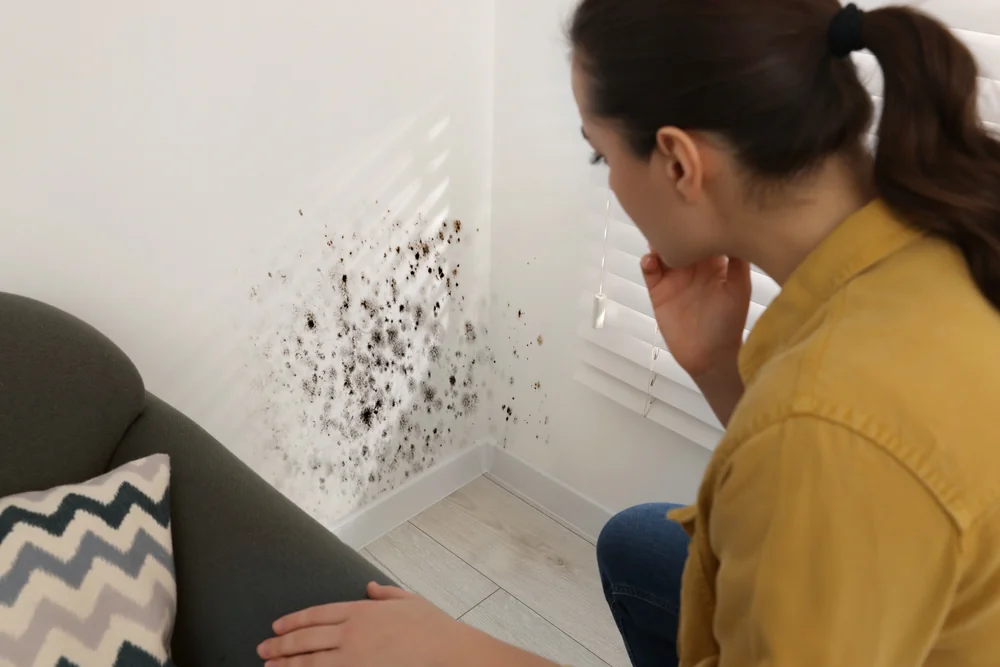
A mold air test is often the most critical part of residential air quality testing here. Mold doesn’t always show visible signs, but it releases spores into your air constantly. High spore counts can make you feel like you’re always catching a cold or dealing with allergies that never quite go away. The lab analysis we provide identifies the exact mold species and concentration levels, so you know whether you’re dealing with common environmental molds or more problematic species that require immediate remediation.
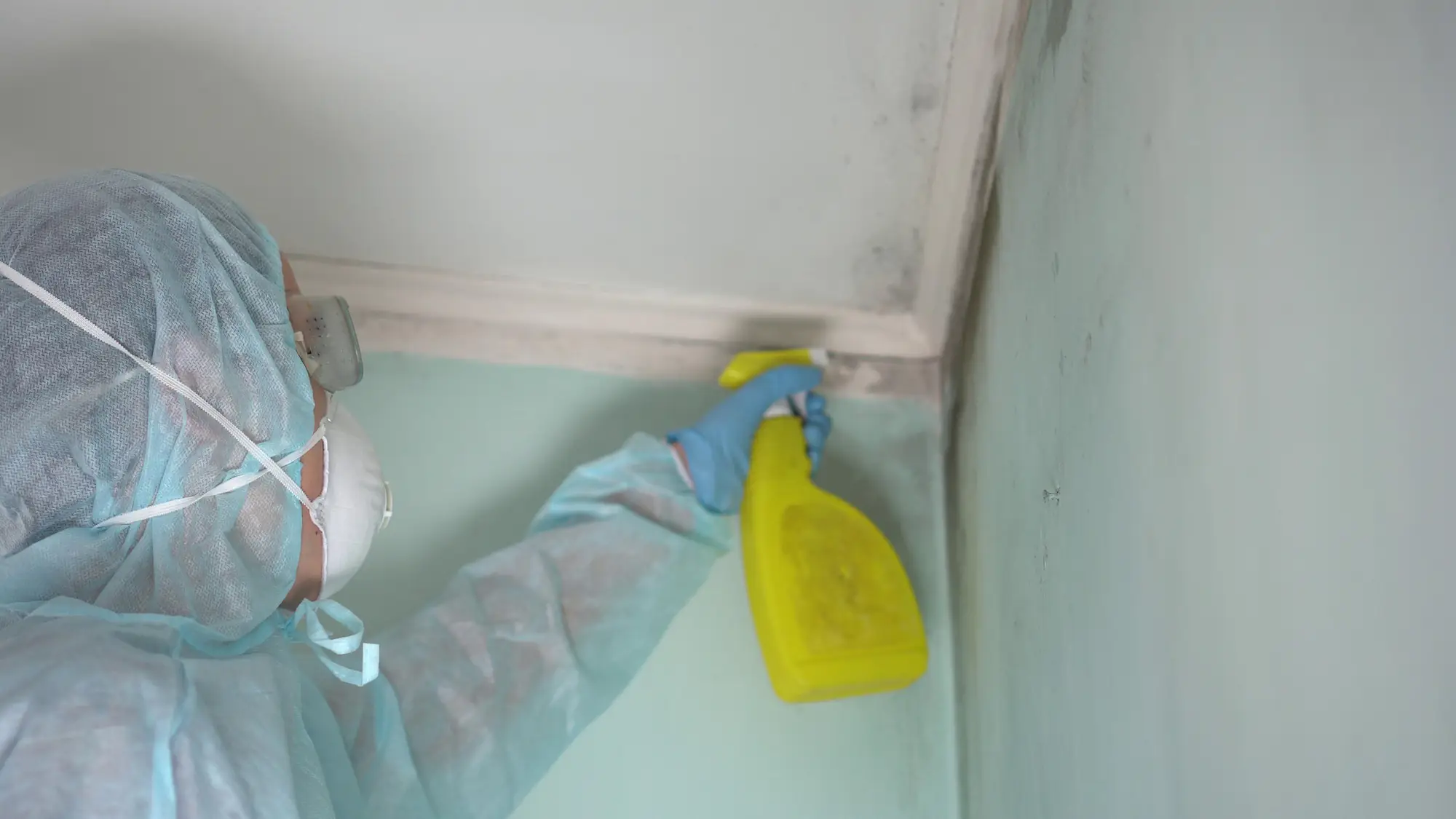
You need testing if you’re experiencing unexplained health symptoms that improve when you leave the house. That includes persistent allergies, respiratory issues, headaches, or fatigue that don’t have another clear cause.
You should also test if you smell musty odors, see any visible mold growth, or have had water damage in the past year. Even if the water was cleaned up, mold can grow behind walls or in areas you can’t see. Testing is the only way to know if spores are circulating through your air.
If you’re buying or selling a home in West Bristol, PA, air quality testing protects your investment. Mold problems can cost thousands to remediate, and knowing what you’re dealing with before closing gives you leverage to negotiate repairs or adjust the sale price.
A visual inspection only catches mold you can see. That’s useful, but it misses hidden growth in wall cavities, ductwork, crawl spaces, and other concealed areas. Air testing measures what’s actually circulating through your home, regardless of whether you can see the source.
Air samples capture mold spores, allergens, and other particles that are present in your breathing space. Lab analysis identifies the types and concentrations, giving you a complete picture of your indoor air quality. If spore counts are elevated, we know there’s a problem even if we haven’t located the source yet.
The most thorough approach combines both methods. We do a visual inspection to identify obvious issues, then use air testing to measure what’s in your environment. That way, you’re not just treating what you can see—you’re addressing the actual air quality problem affecting your family’s health.
The on-site testing takes about an hour, depending on your home’s size and layout. We collect air samples from multiple rooms, take surface samples if needed, and document conditions throughout your property.
Lab analysis typically takes 3-5 business days. The samples go to an independent, EPA-certified laboratory where technicians culture and analyze them using microscopy and other testing methods. This identifies specific mold species, measures spore concentrations, and detects other air quality issues.
Once results come back, we schedule a time to review them with you. We’ll walk through what was found, explain what the numbers mean, and discuss your options for improving your air quality. You’ll receive a detailed written report with all the lab data and our professional recommendations. If remediation is needed, we can start that process immediately or give you the information you need to make an informed decision on your timeline.
Testing costs vary based on your home’s size and how many samples we need to collect. A basic residential air quality test with lab analysis typically ranges from a few hundred dollars to around $800 for more comprehensive testing.
That might sound like a lot, but compare it to the cost of mold remediation without testing first. Remediation can run anywhere from $1,500 to $10,000 or more, depending on the extent of growth. Testing first means you’re not guessing about where the problem is or how severe it is. You’re making decisions based on actual data.
If you’re dealing with health symptoms that won’t go away, testing also helps you avoid spending money on solutions that don’t address the real problem. We’ve seen homeowners invest in air purifiers, new HVAC filters, and deep cleaning when the actual issue was hidden mold growth that needed professional remediation. Testing identifies the root cause so you can fix it once and move on.
Air testing detects mold spores that are actively circulating through your indoor environment. The lab analysis identifies the species present and measures their concentration levels. This catches both visible mold that’s releasing spores and hidden growth that you can’t see but is affecting your air.
However, air testing has limitations. If mold is growing in a sealed wall cavity or contained area where spores aren’t circulating into your main living space, air samples might not pick it up. That’s why we combine air testing with a thorough visual inspection and sometimes use surface sampling in areas where we suspect growth.
The most common mold species in West Bristol, PA homes show up clearly in air testing—species like Aspergillus, Penicillium, and Cladosporium that thrive in moisture-rich environments. If you have Stachybotrys (black mold), it typically doesn’t release as many airborne spores, but it often appears with other molds that do. Our inspection process is designed to catch both airborne and surface-level contamination so nothing gets missed.
High spore counts mean you have active mold growth somewhere in your home that needs remediation. The lab report will show which species are present and at what concentrations. We compare those numbers to outdoor baseline levels and established health guidelines to determine severity.
If remediation is needed, we’ll identify the moisture source first. Mold needs water to grow, so fixing leaks, improving ventilation, or addressing humidity problems is essential. Then we contain the affected area to prevent spores from spreading during removal, remove contaminated materials, and treat surfaces with antimicrobial solutions.
For West Bristol, PA homes, we often find that mold problems stem from basement moisture, roof leaks, or HVAC condensation issues. Once we remove the mold and fix the moisture problem, we do post-remediation testing to confirm spore counts are back to normal levels. That gives you verification that the job was done right and your indoor air quality is actually improved—not just visually cleaned up.
Other Services we provide in West Bristol