
Hear from Our Customers

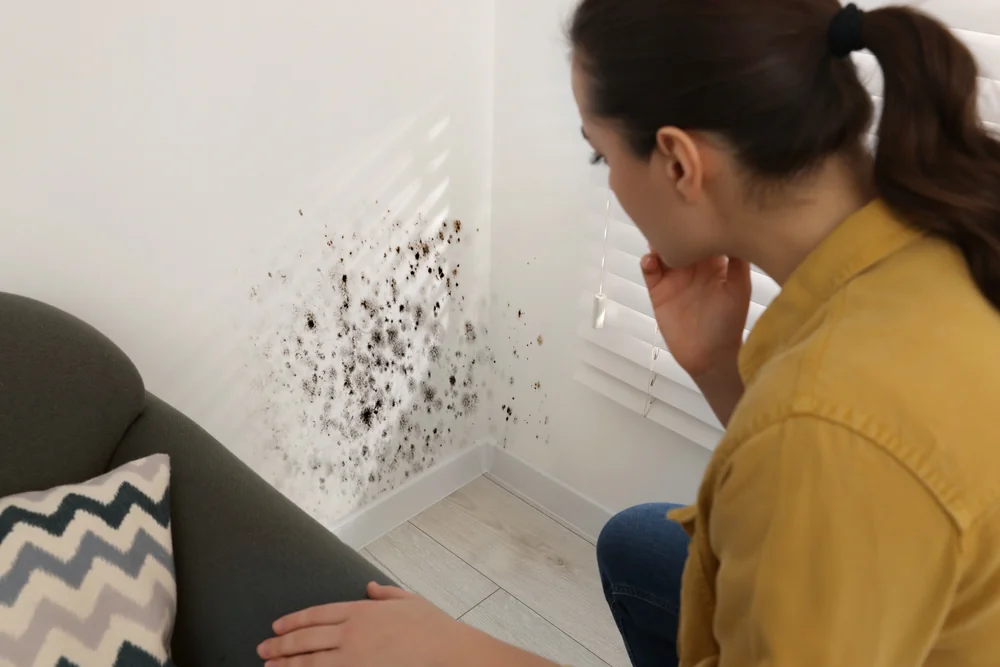
You can’t see mold spores. You can’t see elevated moisture behind your drywall. But your body knows something’s off—the headaches that disappear when you leave the house, the allergies that won’t quit, the musty smell you can’t track down.
A professional air quality test gives you actual data. We collect samples from multiple spots in your home, send them to a certified lab, and compare your indoor air to the outdoor baseline. You get a report that tells you exactly what’s there, how much, and whether it’s a problem.
Most homes in Violet Wood were built decades ago. That means older materials, settling foundations, and plenty of time for moisture to find its way in. An indoor air quality test catches issues early—before they spread, before remediation costs climb into the thousands, and before your home value takes a hit.
We’ve been serving Bucks County and the surrounding areas since 2008. We’re not new to this, and we’re not learning on your property.
We know where mold hides in older Pennsylvania homes—around windows, in basements, behind water heaters, under sinks. We know what happens when humidity sits too long in crawl spaces. And we know the difference between surface mold you can wipe away and a contamination issue that needs real attention.
You’ll work with trained professionals who use calibrated equipment, follow proper sampling protocols, and explain what they find in plain language. No upselling. No scare tactics. Just honest testing and clear next steps.

First, we walk through your home and talk about what you’ve noticed—smells, symptoms, visible moisture, or just a gut feeling something’s wrong. We look at the usual suspects: basements, bathrooms, kitchens, HVAC systems, and anywhere water could be hiding.
Then we take measurements. We use moisture meters to check walls, ceilings, and floors. Infrared cameras help us spot temperature differences that signal hidden moisture. If we’re doing a mold air test, we collect air samples from different rooms and send them to an independent lab for analysis.
You get results back fast—usually within 24 hours. The lab report breaks down what species of mold were found, the concentration levels, and whether those levels are normal or elevated. We review everything with you, answer your questions, and if there’s a problem, we explain what needs to happen next. If your air is clean, you get peace of mind and documentation you can keep for your records.

Ready to get started?
A home air quality test from us includes a full visual inspection, moisture readings throughout your property, and professional air sampling using calibrated equipment. We don’t just test one room—we compare indoor air quality to outdoor conditions so you know if what’s inside is actually abnormal.
Every sample goes to a certified laboratory. They identify specific mold species, measure spore concentrations, and flag anything that could be a health concern. You receive a detailed report with photos, moisture readings, lab results, and our written assessment.
In Violet Wood and the rest of Bucks County, we see a lot of basement moisture issues and mold growth around older windows. Homes built in the 1930s and 1940s weren’t designed with modern ventilation or moisture barriers. That’s not a flaw—it’s just how things were built. But it does mean residential air quality testing is especially important here, because problems develop quietly over time.
If we find elevated mold levels or hidden moisture, we’ll walk you through what remediation looks like, what it costs, and whether your insurance might cover it. If your air is fine, you’re done. No pressure. No unnecessary services.
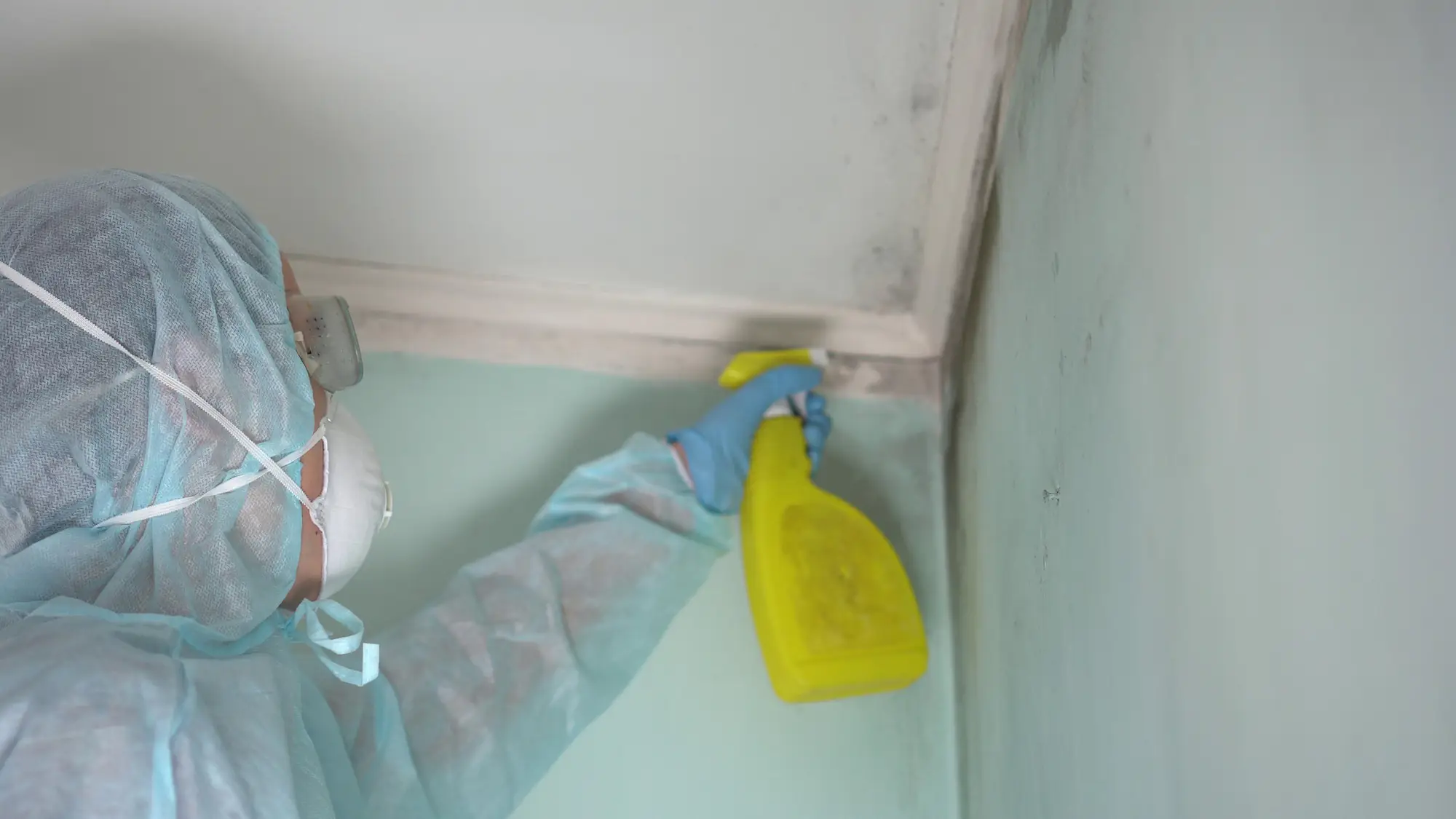
You should consider testing if you’re dealing with unexplained health symptoms that improve when you leave the house—things like persistent headaches, respiratory irritation, or allergy symptoms that don’t respond to normal treatment. That’s your body telling you something in your indoor environment isn’t right.
Testing also makes sense if you’ve had water damage, even if it was cleaned up. Mold can start growing within 24 to 48 hours after water exposure, and it often develops in places you can’t see—inside walls, under flooring, or in HVAC ducts. A musty smell is another red flag, especially if you can’t locate the source.
If you’re buying or selling a home in Violet Wood, a mold air test gives you documentation. Buyers want to know what they’re getting into, and sellers want to avoid surprises during inspection. It’s also smart to test if you’re a landlord—Pennsylvania tenants have successfully sued for mold-related health issues, and one case in Tobyhanna resulted in a $150,000 judgment.
A visual inspection is exactly what it sounds like—we look for visible mold, water stains, moisture damage, and conditions that support mold growth. It’s useful, but it only catches what’s on the surface or accessible.
Air testing goes deeper. It captures mold spores that are floating in your air, even if there’s no visible growth. This is critical because mold often hides behind drywall, under carpets, or in crawl spaces. You might have a serious contamination issue with zero visible signs, but the spores are circulating every time your HVAC system runs.
We use both methods together. The visual inspection helps us identify problem areas and moisture sources. The air samples tell us what’s actually in your breathing space and whether spore levels are elevated compared to outdoor air. In older Violet Wood homes, this combination is especially important because mold can be growing in wall cavities or basements that haven’t been opened up in decades.
Cost depends on the size of your home and how many samples you need, but most residential air quality testing runs between a few hundred dollars for a basic assessment to more if you need extensive sampling across a large property. We give you upfront pricing before we start—no surprises, no hidden fees.
Here’s why that cost matters: undetected mold can reduce your home value by 20 to 37 percent. Remediation for widespread contamination can run anywhere from $3,000 to $20,000 or more, depending on how far it’s spread. Catching a problem early with a home air quality test saves you exponentially more than the test costs.
Many homeowners’ insurance policies cover mold inspections if they’re related to a covered water damage event—like a burst pipe or roof leak. We can help you understand your coverage and provide the documentation your insurer needs. Even if you’re paying out of pocket, you’re investing in your family’s health and protecting one of your biggest financial assets.
The inspection and sampling usually take a couple of hours, depending on the size of your home and how many areas we’re testing. We’re thorough, but we’re not going to waste your time.
Lab results typically come back within 24 hours. The lab analyzes the samples, identifies any mold species present, and measures concentration levels. You’ll get a full report that breaks down what was found in each location, whether those levels are normal or concerning, and what the specific species are—because not all mold is created equal.
Once we have the results, we’ll walk you through them. We explain what the numbers mean, whether you need to take action, and if so, what that action looks like. If your air quality is fine, you’re done. If there’s a problem, we’ll give you a clear remediation plan with transparent pricing. Most of our clients appreciate how fast the process moves—you’re not left wondering for days or weeks what’s going on in your own home.
Yes, and that’s one of the biggest advantages of professional air quality testing. Mold releases spores into the air as it grows, even if the colony itself is completely hidden. When we collect air samples, we’re capturing those spores regardless of where they’re coming from.
If your test shows elevated levels of certain mold species, it tells us there’s active growth somewhere—even if we can’t see it during the visual inspection. From there, we use moisture meters and thermal imaging to narrow down the location. High moisture readings or temperature anomalies behind a wall usually indicate where the problem is hiding.
This is especially common in Violet Wood homes with older plumbing or areas that have had past water intrusion. Mold can grow inside wall cavities, under flooring, or in ceiling spaces for months or even years before it becomes visible. By the time you see it, the contamination is often much worse than it looks. Air testing catches it early, which means smaller remediation jobs, lower costs, and less disruption to your life.
First, don’t panic. Finding mold doesn’t automatically mean your home is unlivable or that you’re facing a massive bill. It means you have information, and information lets you make a smart decision about what to do next.
We’ll review the lab report with you and explain what was found, where the levels are elevated, and what species are present. Some molds are more concerning than others, and concentration matters. From there, we’ll recommend a remediation plan based on the scope of the problem—whether that’s a small contained area or something more extensive.
You’ll get a written estimate before any work starts. We’ll also help you understand whether your homeowner’s insurance might cover the remediation, especially if it’s tied to a water damage event. Our job is to fix the problem correctly the first time, which means addressing the moisture source—not just cleaning up the visible mold. If we don’t fix what caused it, it’ll come back. You’ll get a clear timeline, transparent pricing, and a team that’s been doing this for over 15 years in Bucks County.
Other Services we provide in Violet Wood