
Hear from Our Customers

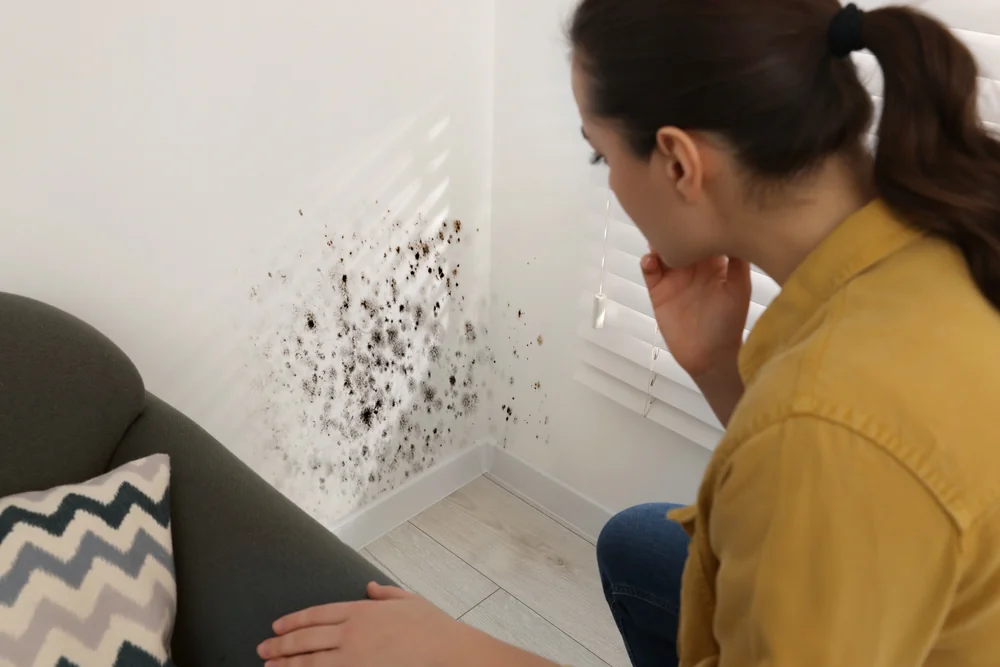
You’ve noticed the symptoms. Headaches that disappear when you leave the house. Allergies that won’t quit no matter what you try. Fatigue that doesn’t make sense.
The air inside your Upper Makefield home could be up to 70% more polluted than the air outside. You can’t see mold spores, volatile organic compounds, or particulate matter, but your body notices them every day.
A home air quality test gives you actual data instead of guessing. You’ll know exactly what’s circulating through your HVAC system and settling into your furniture. More importantly, you’ll know whether that persistent cough is seasonal allergies or something growing behind your walls.
Testing catches problems while they’re still manageable. Before the mold spreads. Before your property value takes a hit. Before you’re looking at major remediation costs instead of a targeted fix.
We focus exclusively on mold detection and air quality issues across Bucks County. We’re not a general restoration company that does mold testing on the side.
Upper Makefield’s older housing stock and Pennsylvania’s humidity levels create specific challenges. Homes here deal with basement moisture, poor ventilation in well-sealed spaces, and seasonal condensation that creates perfect conditions for mold growth.
Our certified inspectors use professional-grade equipment to test what you can’t see. We provide free initial assessments because we’d rather catch a small problem early than watch it become an expensive disaster. You get transparent pricing before any work starts, and we’re available 24/7 when you discover something that can’t wait until Monday.

We start with a visual inspection of your property. You’ll walk through your concerns with our inspector—where you’ve noticed odors, which rooms trigger symptoms, any visible water damage or discoloration.
Then we collect air samples from multiple locations in your home. These samples capture mold spores, allergens, and airborne contaminants that standard home testing kits miss. We also take surface samples if we spot potential mold growth or moisture issues.
The samples go to an accredited lab for analysis. You’re not getting a yes/no answer—you’re getting specific data about what’s in your air and at what concentration levels.
Within a few days, you receive a detailed report explaining what we found. If there’s mold, we’ll tell you what type and where it’s likely growing. If we detect elevated VOC levels or other contaminants, we’ll explain the source and health implications.
You’ll also get a clear action plan. Sometimes that means targeted mold remediation. Sometimes it’s addressing a ventilation issue or moisture source. We explain your options, give you upfront pricing, and let you decide what makes sense for your situation.
Ready to get started?
Your residential air quality testing includes multiple air samples taken from different areas of your home. We test the spaces where you spend the most time and areas where moisture or mold growth is likely.
Surface testing identifies mold species on walls, ceilings, HVAC components, or other materials. This tells us whether visible growth is actually mold and what type you’re dealing with.
You get laboratory analysis from certified facilities that specialize in indoor air quality. The report breaks down mold spore counts, identifies specific species, and compares your indoor levels to outdoor baseline samples.
Pennsylvania doesn’t have specific state regulations about mold, which means there’s no official threshold for “safe” levels. That’s why we compare your results to outdoor air and industry standards. If your indoor mold spore count is significantly higher than what’s outside, you have a problem worth addressing.
We also check for common issues in Upper Makefield homes—basement moisture from the area’s clay-heavy soil, attic condensation from temperature swings, and HVAC systems that circulate contaminated air. Your report includes specific recommendations based on what we find in your property, not generic advice that applies to every home.
You need testing if you’re experiencing health symptoms that improve when you leave your home. Persistent allergies, respiratory issues, headaches, or fatigue that don’t respond to normal treatment often point to indoor air quality problems.
Visible signs matter too. Musty odors, water stains, condensation on windows, or any history of water damage are red flags. Even if you don’t see mold, it could be growing inside walls, under flooring, or in your HVAC system.
Recent home improvements can also trigger problems. If you’ve added insulation or sealed your home for energy efficiency, you may have reduced air circulation enough to trap moisture and contaminants. Testing gives you baseline data before minor issues become major problems.
Home test kits give you a quick yes/no answer about whether mold is present. They’re cheap and fast, but they lack the precision and range of professional equipment.
Professional air quality testing uses calibrated air sampling pumps that collect specific volumes of air over set time periods. This gives you actual spore counts and concentration levels, not just “mold detected.” We test multiple locations and compare indoor levels to outdoor baselines, which tells you whether your indoor air is actually worse than normal.
Lab analysis identifies specific mold species. That matters because some molds are more problematic than others. Stachybotrys (black mold) requires different handling than Cladosporium. Professional testing also detects VOCs, particulate matter, and other contaminants that home kits miss entirely. You’re paying for accuracy and completeness, which directly affects how you solve the problem.
The on-site inspection and sample collection typically takes one to two hours depending on your home’s size and the number of areas we’re testing. We’re not rushing through—we’re documenting conditions, taking photos, and making sure we sample the right locations.
Lab analysis takes three to five business days in most cases. Rush processing is available if you’re dealing with a health emergency or time-sensitive real estate transaction.
You’ll receive a detailed written report explaining the findings. We also schedule a follow-up call to walk through the results and answer your questions. If remediation is needed, we can start work immediately after you review the report and approve the estimate.
Air quality testing is non-invasive. We collect air samples using pumps and collection devices that don’t require cutting, drilling, or damaging any surfaces.
Surface testing involves swabbing or tape-lifting samples from visible areas. We might take a small sample of material if we need to identify what’s growing on a specific surface, but we’re talking about a piece smaller than a quarter.
If we suspect hidden mold growth based on moisture readings or other indicators, we’ll discuss options with you before doing anything invasive. Sometimes a small inspection hole in a non-visible area makes sense to confirm what’s happening behind a wall. But we don’t cut into your home without explaining why it’s necessary and getting your approval first.
Testing costs vary based on your home’s size, the number of samples needed, and what we’re testing for. A basic mold air test for an average home typically runs a few hundred dollars. More comprehensive testing that includes VOCs, multiple rooms, and surface samples costs more.
We offer free initial inspections so you’re not paying just to have someone look at your property. During that inspection, we’ll give you a detailed estimate based on what your specific situation requires.
Many homeowners find that testing saves money in the long run. You’re not guessing about whether you have a problem or throwing money at solutions that don’t address the actual issue. If testing reveals a small mold colony that’s easy to remediate, you’ve avoided the cost of letting it spread throughout your home. If testing shows your air is fine, you’ve eliminated one variable and can focus on other potential causes of your symptoms.
You get a clear explanation of what we found, where it’s located, and what it means for your health and property. The report includes specific mold species, concentration levels, and how your indoor air compares to outdoor samples.
We’ll provide a detailed remediation plan with upfront pricing. You’ll know exactly what needs to be done, why it’s necessary, and what it costs before any work begins. We don’t surprise you with additional charges or scope creep.
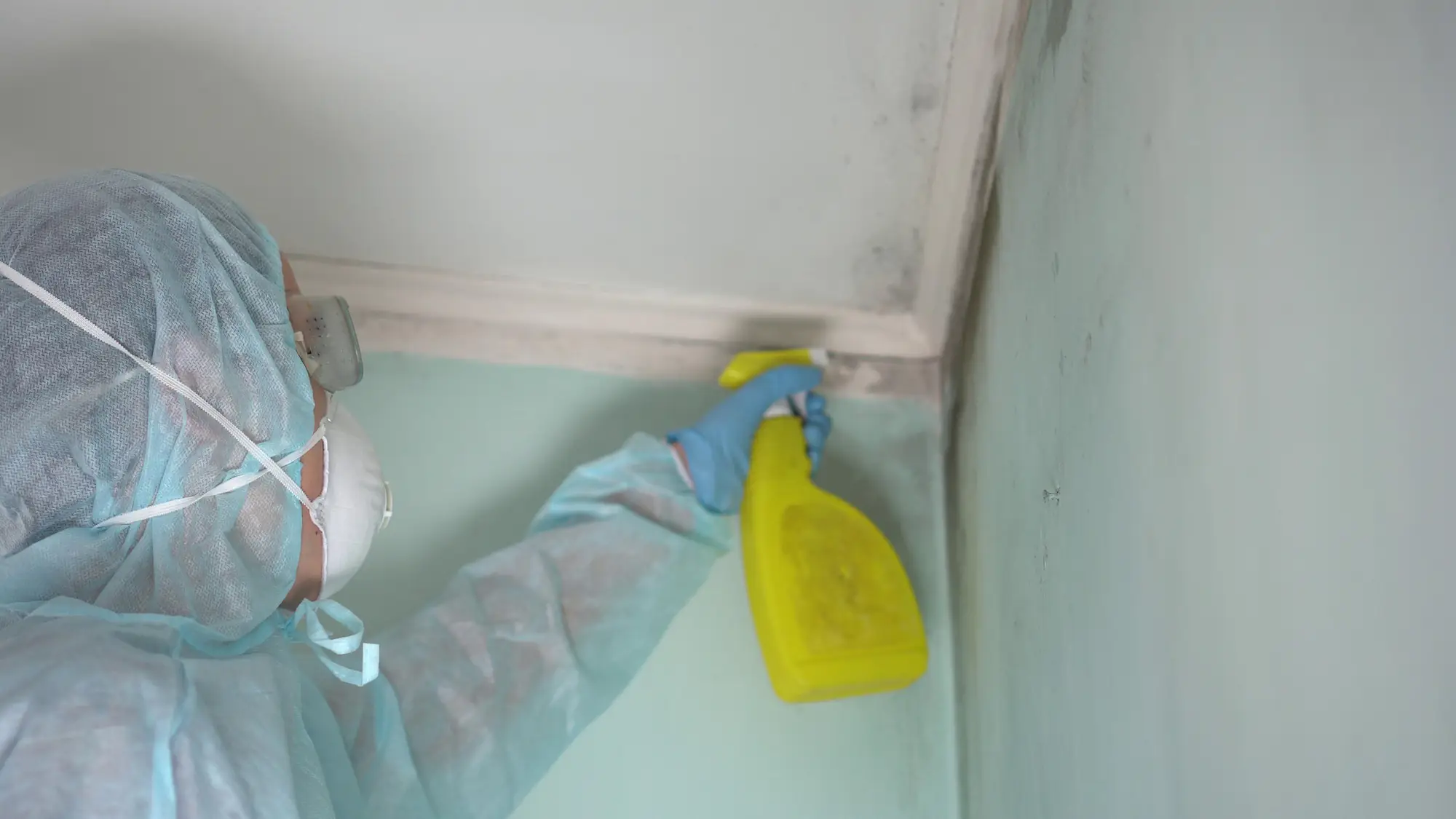
Remediation might involve removing contaminated materials, treating affected areas, addressing the moisture source, and improving ventilation. We handle everything from start to finish, including working with your insurance company if you’re filing a claim. After remediation is complete, we can perform post-remediation testing to confirm the problem is actually solved. You’re not just trusting that the work was effective—you have data proving your air quality is back to normal.
Other Services we provide in Upper Makefield