
Hear from Our Customers

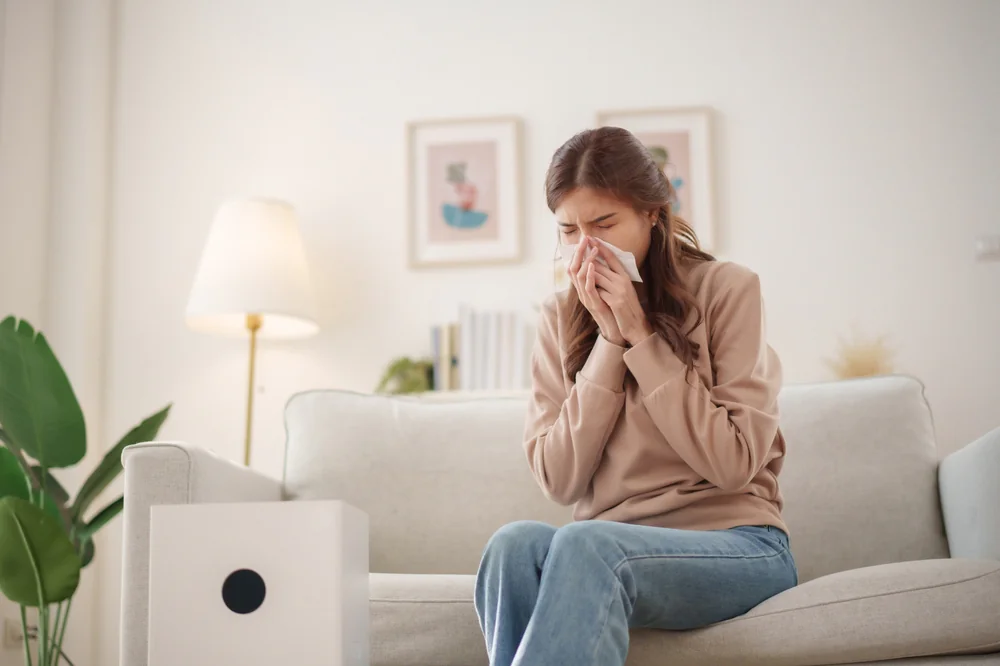
You’re dealing with allergies that won’t quit, respiratory issues that seem worse at home, or that musty smell you can’t track down. Maybe you just finished a renovation and want to make sure the air is safe. Either way, you need real data—not a guess.
A professional air quality test gives you lab results that show exactly what’s in your air. We’re talking specific mold species, spore concentrations, and how those levels compare to what’s normal outdoors. Not a pass/fail sticker. Actual information.
That matters because different molds behave differently. Some are harmless. Others—like certain strains of Aspergillus or Stachybotrys—can trigger serious respiratory problems, especially in kids or anyone with asthma. Knowing what you’re dealing with means you can make the right call about remediation, not just throw money at the problem and hope it works.
If you’re buying or selling a home in Trevose, this kind of documentation protects everyone. It keeps transactions moving and prevents surprises that tank deals or drop property values by 20% or more. And if you’re filing an insurance claim, adjusters want certified lab reports—not a hunch.
We’ve been handling air quality issues across Bucks County for years. We’ve tested basements in older Trevose homes near the Neshaminy Creek, crawl spaces in split-levels off Street Road, and newer construction with HVAC ventilation problems.
Trevose’s climate—humid summers, cold winters, proximity to water—creates the perfect environment for mold. Aspergillus, Penicillium, and Cladosporium love poorly ventilated bathrooms, damp basements, and areas around windows where condensation builds up. We’ve seen it all, and we know exactly where to look.
We use thermal imaging cameras and moisture meters to find hidden problems behind walls or under flooring. Then we take samples from specific locations and send them to a certified lab that specializes in mold analysis. No conflict of interest. No upselling. Just accurate data and a clear explanation of what it means for your home.
First, we walk through your home and talk about what you’re noticing—symptoms, smells, visible moisture, recent water damage, whatever’s going on. That conversation helps us figure out where to focus.
Next, we use moisture meters and thermal imaging to identify areas with elevated humidity or temperature differences that suggest hidden moisture. These tools let us see problems you can’t—like water trapped inside a wall or condensation pooling under insulation.
Then we collect air samples from multiple locations throughout your home. We’re not just setting a test kit on your counter. We’re sampling specific rooms, problem areas, and outdoor air for comparison. Those samples go to an independent certified laboratory that identifies mold species and measures spore concentrations.
You’ll get a detailed written report within three to five business days. It breaks down what types of mold are present, how much, and whether those levels are normal or concerning. We’ll walk you through the findings and explain what—if anything—needs to happen next. If remediation is necessary, we’ll lay out your options. If the air is fine, we’ll tell you that too.

Ready to get started?
Every residential air quality testing appointment includes a full visual inspection, moisture mapping with professional-grade meters, thermal imaging to detect hidden issues, and air sampling from all designated areas. The samples are analyzed by a nationally recognized lab, and you receive a comprehensive report that lists specific mold species and their concentrations.
In Trevose and the surrounding Bucks County area, we’re especially careful around basements and crawl spaces—common problem zones in older homes near the Neshaminy. We also check around windows, bathrooms, and HVAC systems, since temperature fluctuations and condensation create perfect breeding grounds for mold in this climate.
If you’re dealing with an insurance claim, we provide the documentation adjusters require. We’ve worked with insurance companies for years and know what they need to see. If you’re in the middle of a real estate transaction, our reports give buyers and sellers the clarity they need to move forward without surprises.
The whole process typically takes one to three hours depending on the size of your home. We’re usually able to get to your property within 24 hours of your call. And once the lab sends back results, we’ll schedule a follow-up to review everything and answer your questions—no charge for that conversation.
DIY kits can’t find hidden mold and they don’t tell you what species you’re dealing with. Most of them just give you a yes/no answer—mold present or not present. That’s not helpful when you’re trying to figure out if you have a health risk or a minor issue.
A professional air quality test uses lab analysis to identify specific mold types and measure their concentration levels. That matters because some molds are harmless, while others—like black mold or certain Aspergillus strains—can cause serious respiratory problems. You need to know the difference.
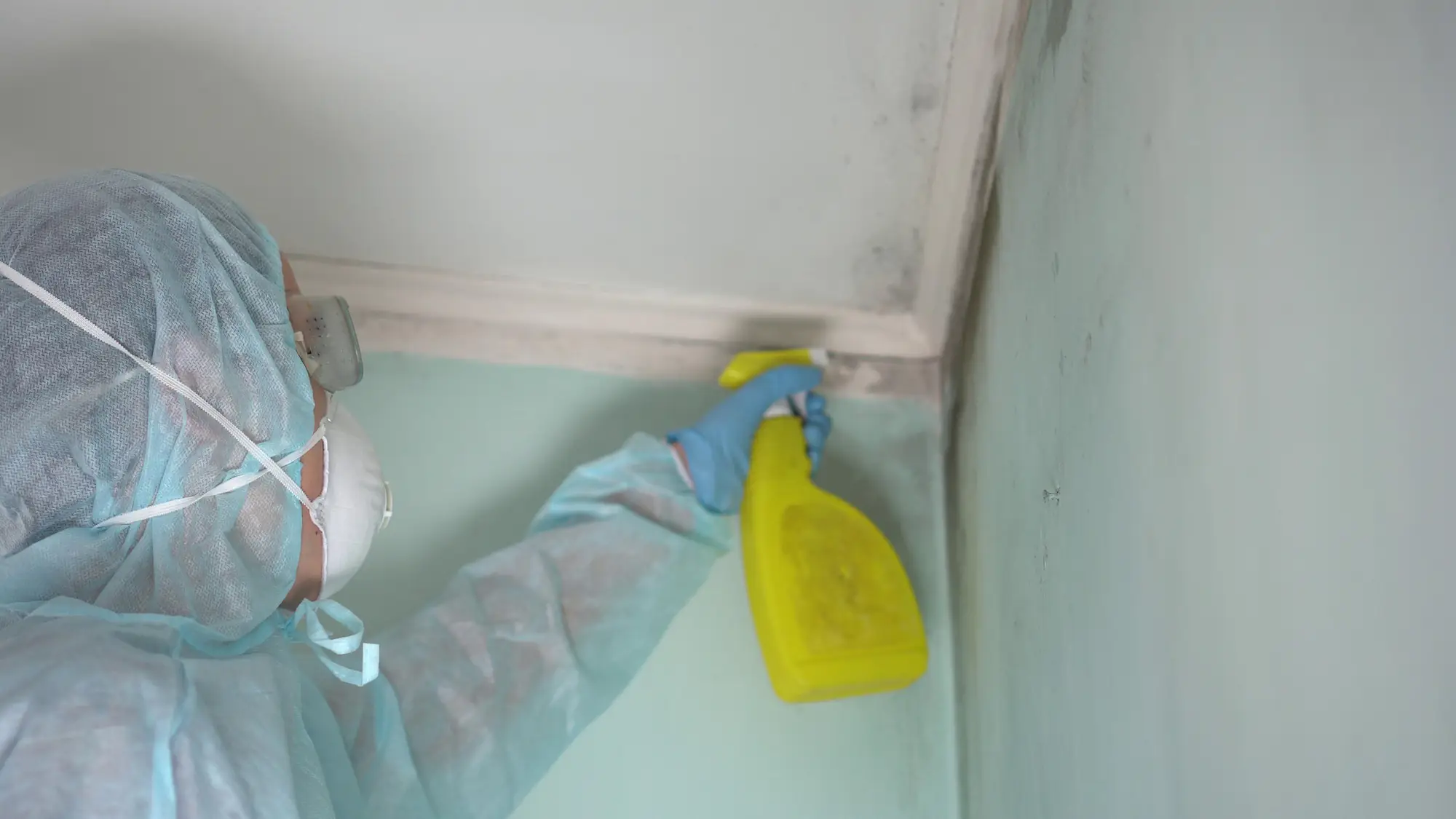
We also use thermal imaging and moisture meters to locate problems behind walls, under flooring, and in other areas a test kit sitting on your counter will never detect. If there’s hidden mold, we’ll find it. If your air is clean, we’ll confirm that too. Either way, you’re making decisions based on real data, not guesswork.
Aspergillus, Penicillium, and Cladosporium are the three we see most often in Bucks County. They thrive in humid environments, which makes Trevose a perfect location—especially in basements, bathrooms, and areas with poor ventilation.
Aspergillus is common in homes with water damage or high humidity. Some species are harmless, but others can trigger allergic reactions or lung infections, particularly in people with weakened immune systems. Penicillium usually shows up in water-damaged materials like drywall, carpets, and insulation. It’s known for causing allergies and respiratory issues.
Cladosporium is one of the most widespread molds and often appears around windows, in HVAC systems, and on fabrics. It’s generally less dangerous than the other two, but it can still cause problems for people with asthma or mold sensitivities. The key is knowing which species you have and how much of it is present—that’s what determines whether you need remediation or just better ventilation.
Lab results typically come back within three to five business days. The actual testing appointment takes one to three hours depending on the size of your home and how many areas we’re sampling.
Once we collect the air samples, they’re sent to a certified laboratory that specializes in mold analysis. The lab identifies each mold species present and measures spore concentrations. Then they compile everything into a detailed report that compares your indoor levels to normal outdoor levels.
After we receive the report, we’ll schedule a follow-up call or meeting to walk you through the findings. We’ll explain what the numbers mean, whether your air quality is normal or concerning, and what steps—if any—you should take next. That consultation is included in the service. If remediation is necessary, we’ll outline your options. If your air is fine, we’ll tell you that and you can stop worrying.
Yes, if your claim involves mold or water damage. Insurance companies want proof that the mold was caused by a covered event—like a burst pipe or roof leak—and that you took reasonable steps to address it. A certified lab report provides that documentation.
We’ve worked with insurance adjusters for years and we know what they’re looking for. The report includes specific mold species, concentration levels, moisture readings, and thermal imaging data. It shows where the problem is, how severe it is, and whether it’s consistent with the damage you’re claiming.
Some policies cover mold remediation if it’s tied to a sudden, accidental event. Others don’t. Either way, having professional documentation strengthens your case and speeds up the claims process. We can also work directly with your insurance company if needed—we’ve done it plenty of times and we’re familiar with the paperwork and follow-up they require.
Absolutely. Hidden mold is one of the most common problems we find during air quality testing in Trevose. It grows in wall cavities, under flooring, above ceilings, and inside HVAC ducts—anywhere there’s moisture and poor airflow.
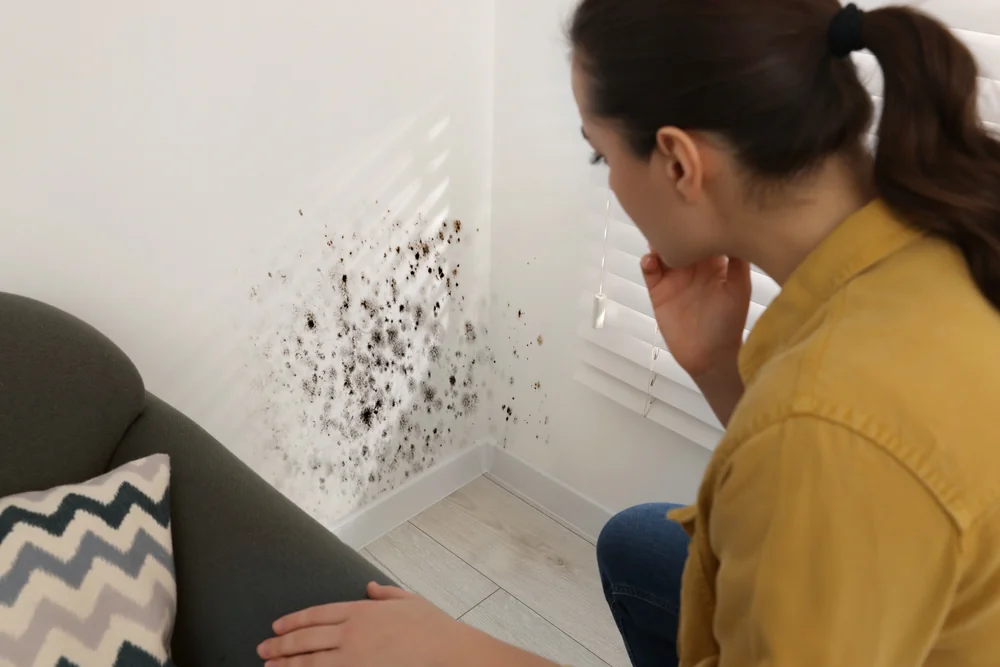
You might not see visible mold, but you’ll often notice other signs: musty odors, unexplained allergies or respiratory symptoms, discoloration on walls or ceilings, or peeling paint. Those are red flags that moisture is trapped somewhere it shouldn’t be.
That’s why we use thermal imaging cameras and moisture meters during every inspection. These tools detect temperature differences and elevated humidity levels that indicate hidden water or mold growth. If something’s there, we’ll find it and take targeted samples from those areas. Then the lab analysis confirms what species are present and whether remediation is necessary. It’s the only way to know for sure what’s happening behind your walls.
First, don’t panic. High mold levels are fixable, but they do require professional remediation—not just cleaning with bleach or covering it up. The lab report will show which mold species are present and how concentrated they are, which helps determine the right approach.
We’ll walk you through the findings and explain what needs to happen. That usually involves identifying and fixing the moisture source—whether it’s a leak, condensation problem, or ventilation issue—and then removing contaminated materials and cleaning affected areas with proper containment and filtration.
If remediation is needed, we’ll give you a clear scope of work and a timeline. We handle mold removal projects across Bucks County, so we can take care of it or refer you to a trusted specialist if it’s outside our scope. Either way, you’ll know exactly what to expect and what it’s going to cost before any work starts. The goal is to get your air quality back to normal and prevent the problem from coming back.
Other Services we provide in Trevose