
Hear from Our Customers
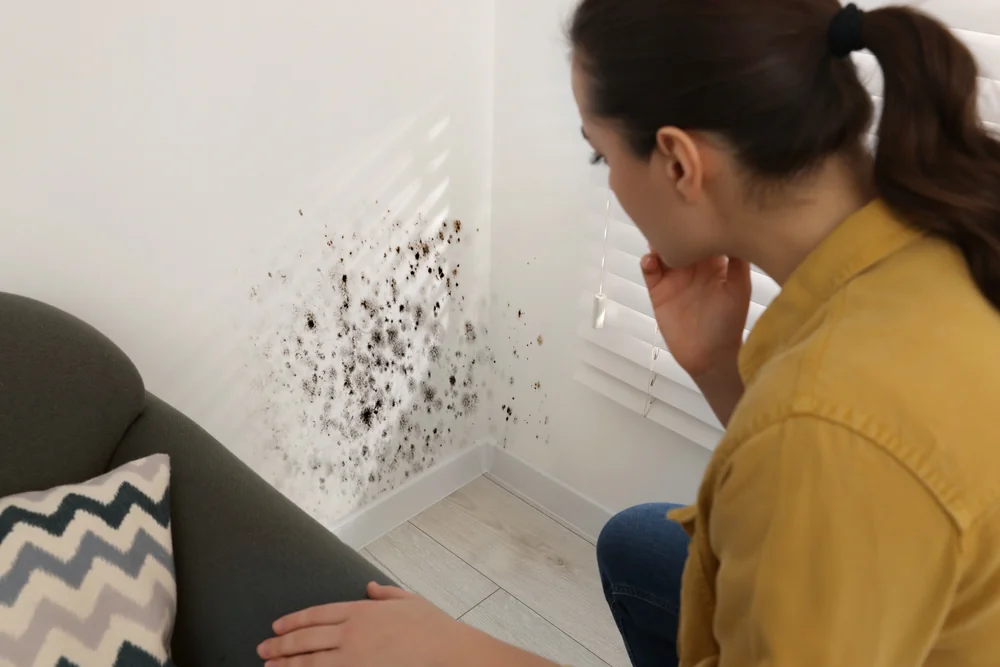
You’re noticing symptoms. Stuffy noses that won’t quit. Scratchy throats every morning. Maybe a musty smell you can’t track down. You’ve checked the obvious spots and found nothing, but something’s off.
That’s where a home air quality test comes in. We’re not guessing or eyeballing it. We use professional air quality testing equipment to measure what’s actually in your air – mold spores, allergen levels, moisture content, the works.
Here’s what you get: hard data on whether you have a problem, where it’s coming from, and how serious it is. No more wondering if those headaches are in your head or if that smell means trouble. You’ll know exactly what you’re dealing with and what needs to happen next.
Most Strawntown homes we test have some level of elevated spores or moisture issues – it’s not uncommon in this area. But knowing the difference between “keep an eye on it” and “this needs immediate attention” changes everything.
We’ve been helping Strawntown and Bucks County homeowners figure out their indoor air quality issues for years. We’re not new to this area or these homes.
The houses around here – a lot of them built between the ’70s and ’90s – have their quirks. Older HVAC systems, crawlspaces that get damp, bathrooms that never quite dry out. We’ve seen it all, and we know what to look for in homes like yours.
We’re certified, we use state-of-the-art testing equipment, and we don’t oversell you on services you don’t need. If your air quality is fine, we’ll tell you. If there’s a problem, we’ll show you the data and explain what it means in plain English.

First, we walk through your home with you. You point out where you’re noticing issues – that bedroom where everyone wakes up congested, the basement that always smells off, wherever. We’re listening for patterns and looking at the spaces that typically harbor problems.
Then we set up our testing equipment. For a mold air test, we’re collecting air samples from multiple rooms, including areas you’re concerned about and areas that seem fine for comparison. We also check moisture levels in walls, ceilings, and other surfaces because moisture is what allows mold to grow.
If we spot visible mold or water damage, we document it. Sometimes we’ll take surface samples if we need to identify specific mold types. The whole inspection usually takes an hour or two, depending on your home’s size.
After that, samples go to a certified lab for analysis. You’re not waiting weeks – most results come back within a few days. We review them with you, explain what the numbers mean, and if there’s a problem, we map out what remediation looks like. No pressure, no upselling. Just clear information so you can make the right call for your home.
Ready to get started?
You’re getting a full assessment, not a quick walk-through. We test air quality in multiple rooms, measure moisture levels throughout your home, inspect HVAC systems and common problem areas, and document any visible mold or water damage.
Every residential air quality testing service includes lab analysis of air samples, a detailed written report with spore counts and mold types identified, and a consultation where we explain your results and answer your questions. If remediation is needed, you’ll get a clear scope of work and cost estimate.
In Strawntown specifically, we’re seeing a lot of issues tied to older homes with inadequate ventilation and crawlspace moisture. The area’s humidity levels – especially during summer – create ideal conditions for mold growth. Many homes here were built before modern moisture control standards, which means basements and crawlspaces can stay damp even without obvious leaks.
We also include a free follow-up inspection after any remediation work to confirm the problem’s actually solved. That’s not standard everywhere, but it should be. You shouldn’t have to wonder if the job was done right.
The on-site portion takes about one to two hours for most homes. That’s the time we’re actually in your house collecting samples and doing the inspection.
We’re not rushing through it. We need time to set up equipment properly, collect air samples from multiple locations, check moisture levels, inspect your HVAC system, and look at areas where mold commonly hides. Larger homes or properties with multiple problem areas might take a bit longer.
After we leave, your samples go to a certified lab. Results typically come back in three to five business days. Once we have them, we’ll schedule a time to review everything with you – usually a 20-30 minute conversation where we walk through what we found and what it means for your home.
DIY kits test one spot at one moment in time. You’re getting a snapshot, not a full picture. And most homeowners don’t know where to place them or how long to run them for accurate results.
Professional air quality testing covers multiple rooms and uses calibrated equipment that measures spore counts, identifies specific mold types, and compares indoor levels to outdoor baseline levels. That last part matters – some mold spores are always present in outdoor air, so we need to know if your indoor levels are actually elevated or just normal.
We also know where to look. Mold hides in HVAC ducts, behind walls, under flooring, in crawlspaces. A DIY kit sitting on your kitchen counter isn’t going to catch those problems. Plus, our results come from certified labs with detailed analysis, not just a color-changing strip that tells you “maybe there’s mold.”
If you’re dealing with health symptoms, buying or selling a home, or have had water damage, professional testing is worth it. You need reliable data, not a guess.
Not usually. Most air quality testing is completely non-invasive. We’re collecting air samples and using moisture meters that read through surfaces without damaging them.
The only time we might need to do any minor investigation is if we find high moisture readings in a wall or ceiling and need to confirm what’s behind it. Even then, we’re talking about a small inspection hole that’s easy to patch – and we always ask permission first.
If we spot visible mold during the inspection, we might take a surface sample using tape or a swab. That doesn’t damage anything either. The goal is to figure out what’s going on without tearing your house apart.
Some situations do call for more invasive inspection – like if you’ve had major water damage or we’re finding signs of hidden mold – but that’s a separate conversation. Standard air quality testing won’t leave your home looking like a construction zone.
We offer free initial inspections, which is where we assess your situation and determine what level of testing you actually need. Some homes need comprehensive testing, others need something more targeted.
Once we understand what’s going on, we’ll give you a clear price for the testing and lab analysis. Cost depends on how many samples we’re collecting and what type of testing is needed. A basic mold air test for a smaller home costs less than comprehensive indoor air quality testing for a larger property with multiple concerns.
We’re upfront about pricing – no surprises, no hidden fees. And we work with insurance companies if your situation is covered under your policy, which can offset costs significantly.
What you’re paying for is accurate information. That’s worth something when you’re making decisions about your family’s health or potentially spending thousands on remediation. Better to know what you’re dealing with than guess and hope for the best.
First, don’t panic. Finding elevated mold levels doesn’t automatically mean your house is a disaster. It means you have information and can do something about it.
We’ll show you the lab results, explain what types of mold we found and at what concentrations, and tell you honestly whether this is a minor issue or something that needs immediate attention. Some mold situations are straightforward – fix a leak, dry things out, remove the affected material. Others require more extensive remediation.
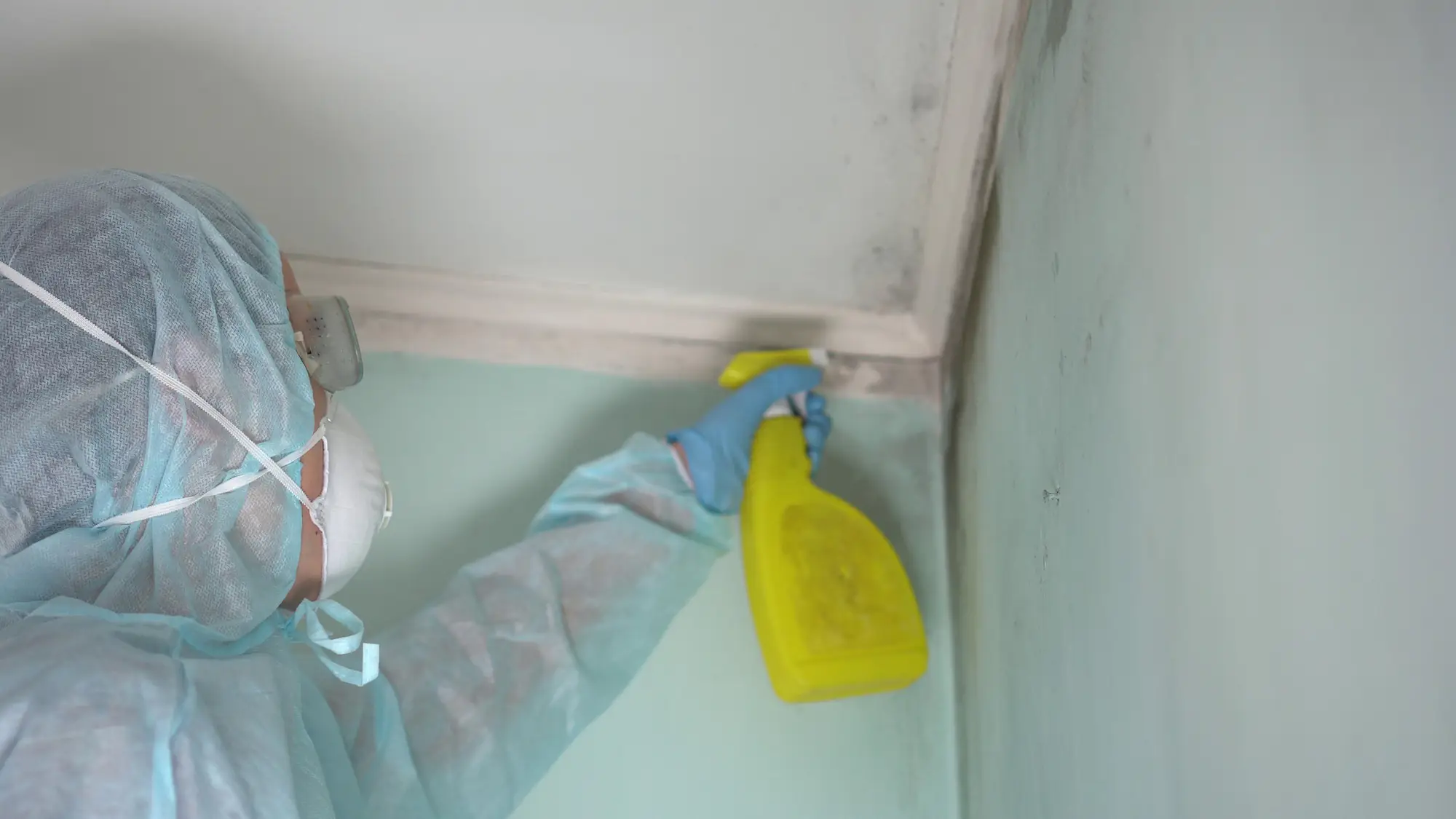
If remediation is needed, we’ll give you a detailed scope of work and cost estimate. You’ll know exactly what we’re removing, how we’re containing the work area to prevent spread, and what the timeline looks like. We handle everything from small bathroom mold issues to full basement remediation.
After the work is done, we do a follow-up test to confirm the mold levels are back to normal. That’s included. You shouldn’t have to wonder if the problem’s actually solved or just covered up.
If you’re not having any issues – no symptoms, no musty smells, no water damage – testing every three to five years is reasonable. That’s especially true for older homes or if anyone in your household has allergies or respiratory conditions.
You should test sooner if something changes. After any water damage from leaks, flooding, or roof issues. After you’ve had mold remediation done to confirm it worked. If you’re noticing new symptoms or smells. Before buying a home, especially in this area where many houses have older moisture control systems.
Strawntown’s humidity levels during summer create conditions where mold can develop quickly if you have any moisture intrusion. A small leak you don’t notice can become a bigger problem fast. Regular testing catches issues early when they’re cheaper and easier to fix.
Think of it like any other home maintenance. You’re not testing because you expect to find problems – you’re testing so you can catch them before they become expensive headaches.
Other Services we provide in Strawntown