
Hear from Our Customers
Your home’s air could be five times more polluted than the air outside. That’s not a scare tactic—it’s what studies consistently show, especially during Pennsylvania winters when homes stay sealed tight for months.
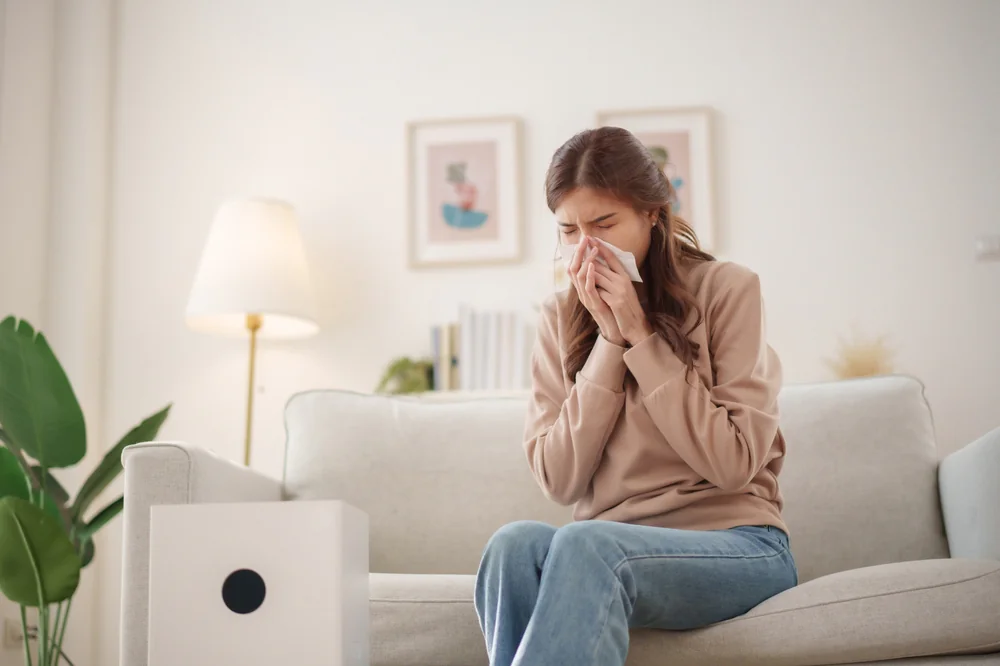
If someone in your house has been coughing more, dealing with headaches that won’t quit, or waking up congested, it’s worth finding out why. Indoor air quality testing tells you exactly what’s in the air—mold spores, VOCs, allergens, radon—so you’re not left wondering if it’s just seasonal allergies or something worse.
The test itself is straightforward. We collect air samples from different areas of your home, send them to an EPA-certified lab, and you get a detailed report that breaks down what we found and what it means. No guessing. No DIY kits that leave you with more questions than answers. Just clear information about what’s happening in your home and what to do about it.
We’ve been testing air quality and identifying mold issues in Bucks County homes for years. We know how Pennsylvania winters affect indoor air—sealed windows, running heat, poor ventilation. It all adds up.
We’re not a national franchise reading from a script. We’re local, we understand the moisture issues that come with this area’s climate, and we’ve seen what happens when small problems get ignored. Our job is to give you accurate information so you can make the right call for your home and your family.
First, we talk. You tell us what you’ve noticed—musty smells, health symptoms, visible moisture, or just a gut feeling something’s off. That conversation helps us know where to focus.
Then we come to your home and collect air samples from multiple rooms using professional-grade equipment. We’re looking for mold spores, allergens, VOCs, and other pollutants that affect indoor air quality. If we see visible signs of moisture or mold growth, we document that too.
The samples go to an independent lab for analysis. Within a few days, you get a report that shows exactly what’s in your air, the concentration levels, and whether those levels are a concern. We walk you through the results in plain language and recommend next steps if anything needs attention. If your air quality is fine, we’ll tell you that too.
Ready to get started?
A residential air quality test covers the pollutants that actually affect your health—mold spores, dust, pollen, VOCs, and other allergens. We test multiple areas because air quality isn’t the same in every room. Basements, bathrooms, and areas with poor ventilation often show different results than living spaces.
Most homeowners in Riegelsville spend between $292 and $585 for professional air quality testing, depending on the size of the home and how many areas need testing. That includes the site visit, lab analysis, and a detailed report with recommendations.
Pennsylvania has strict indoor air quality regulations, especially when mold exposure is suspected. Professional testing gives you documentation that meets those standards—important if you’re dealing with insurance claims, real estate transactions, or just want proof that your home is safe. DIY test kits don’t provide that level of detail or accuracy, and they won’t hold up if you need official documentation.
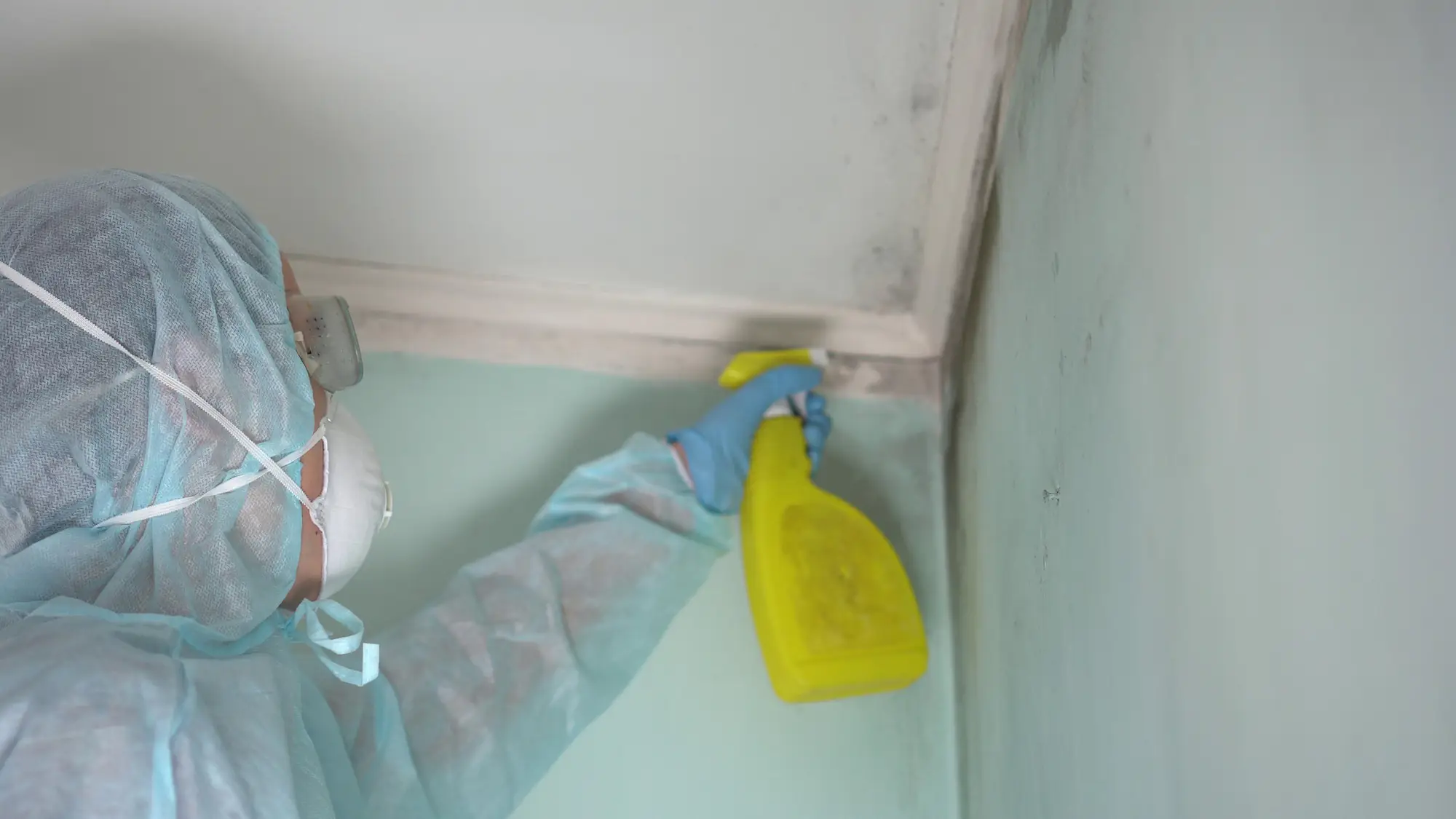
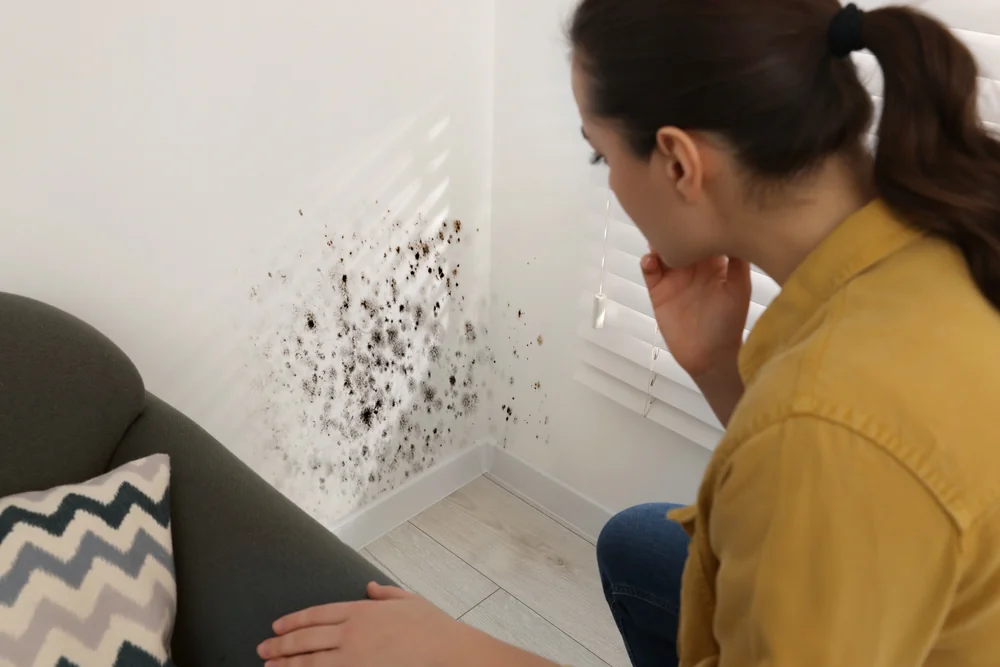
If anyone in your home is dealing with unexplained respiratory issues, allergies that seem worse indoors, persistent coughing, or sinus problems, that’s a good reason to test. Same goes if you’ve had water damage, notice musty odors, or see signs of moisture like condensation on windows or discoloration on walls.
About 70% of homes in the U.S. have some level of indoor mold, and not all of it is visible. Mold can grow behind walls, under flooring, or in HVAC systems where you’d never see it. Air quality testing detects mold spores and other pollutants even when there’s nothing obvious to point to.
Winter in Pennsylvania makes this more common. Homes stay sealed up, ventilation drops, and moisture from cooking, showers, and daily life has nowhere to go. That creates conditions where mold and allergens build up. If your symptoms get worse when you’re home or improve when you leave, testing will tell you if indoor air quality is the problem.
DIY kits test surface-level issues and give you basic yes-or-no results. They don’t tell you what type of mold you’re dealing with, how much is in the air, or whether the levels are actually dangerous. Most importantly, they don’t meet the standards needed for insurance claims, real estate transactions, or Pennsylvania health regulations.
Professional air quality testing uses calibrated equipment and sends samples to an EPA-certified lab for species identification and concentration analysis. That means you get specific information—not just “mold detected,” but what kind, how much, and whether it’s a health risk. The report includes documentation that holds up if you need it for official purposes.
We also know where to test. Air quality isn’t uniform throughout a home, and experience tells us which areas are most likely to have problems. DIY kits leave that guesswork to you, and if you test the wrong spot, you’ll miss the issue entirely.
The actual testing takes about an hour, depending on the size of your home and how many areas we’re sampling. We’re not disruptive—you can go about your day while we work.
Once we collect the samples, they go to the lab for analysis. Most results come back within three to five business days. As soon as we have your report, we’ll walk you through it and explain what the numbers mean in practical terms.
If we find elevated mold spore counts or other air quality issues, we’ll recommend specific next steps. That might be improving ventilation, addressing a moisture source, or professional mold remediation if levels are high enough to be a concern. If your air quality looks good, we’ll tell you that too—no upselling, no unnecessary services. The goal is to give you accurate information so you can make informed decisions about your home.
A comprehensive home air quality test looks for mold spores, dust, pollen, pet dander, volatile organic compounds (VOCs), and other allergens that affect respiratory health. Depending on your concerns, we can also test for radon, carbon monoxide, and asbestos if your home was built before the 1980s.
Mold is one of the most common issues we find, especially in Bucks County homes with basements or older ventilation systems. But VOCs from cleaning products, paint, furniture, and building materials also show up frequently. These chemicals off-gas over time and can cause headaches, dizziness, and respiratory irritation.
The lab analysis identifies specific types of mold, which matters because some species are more problematic than others. Knowing what you’re dealing with helps determine the right response. High levels of common allergens might just need better filtration and ventilation, while toxic mold species require professional remediation. The report breaks all of this down so you know exactly what’s in your air and what it means for your family’s health.
Yes, and that’s one of the main reasons to test. Mold doesn’t need to be visible to affect your health. It can grow inside walls, above ceiling tiles, in ductwork, or under flooring—anywhere there’s moisture and organic material for it to feed on.
Air sampling detects mold spores that are circulating through your home, even if the source is hidden. If spore counts are elevated compared to outdoor levels, that tells us there’s likely mold growth somewhere inside, and we can help narrow down where to look based on moisture patterns and building conditions.
Properties with unresolved moisture issues—leaky roofs, poor drainage, foundation cracks, or past water damage—are especially prone to hidden mold. Pennsylvania’s humid summers and cold winters create temperature swings that lead to condensation, and that moisture has to go somewhere. Testing gives you a clear picture of whether hidden mold is a problem before it becomes a bigger issue or starts affecting your family’s health.
Most homeowners in Riegelsville and Bucks County pay between $292 and $585 for professional indoor air quality testing. The cost depends on your home’s size, how many areas need testing, and whether you’re looking at a standard mold air test or a more comprehensive assessment that includes VOCs, allergens, or other pollutants.
That price includes the site visit, professional air sampling with calibrated equipment, independent lab analysis, and a detailed report with our recommendations. It’s not the cheapest option—DIY kits cost less—but professional testing gives you accurate, documented results that actually mean something.
Most people find the investment worthwhile because it either confirms their air quality is fine (peace of mind) or identifies a specific problem they can address before it gets worse. Catching mold or moisture issues early prevents bigger problems down the road—health issues, structural damage, and costly repairs. We’ll give you a clear quote before we start so there are no surprises.
Other Services we provide in Riegelsville