
Hear from Our Customers

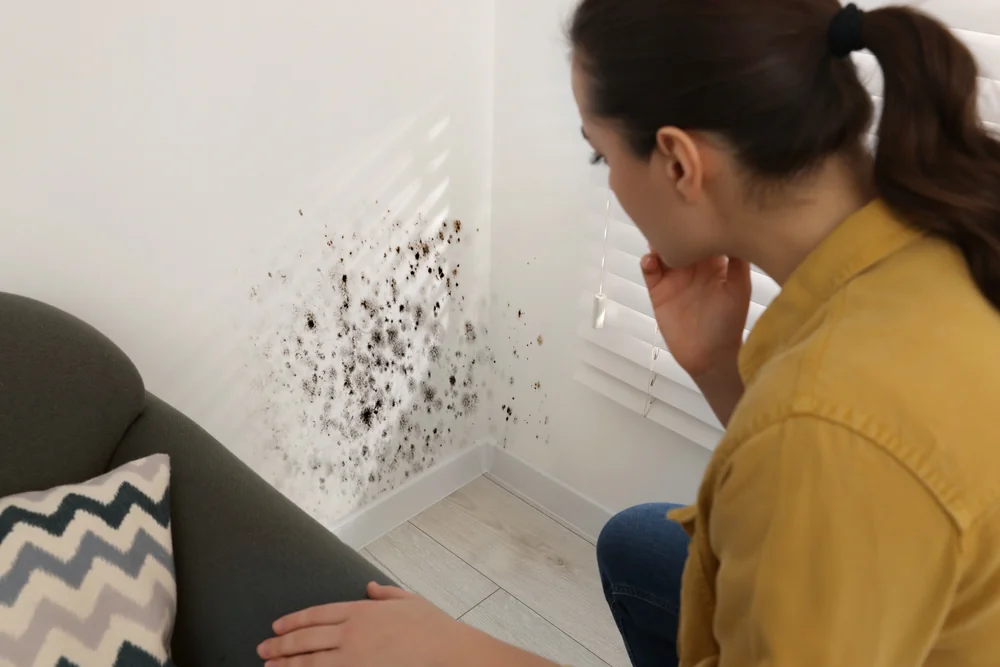
You’ve noticed the symptoms. Allergies that won’t quit, even when you’re inside. Headaches that fade when you leave the house. A musty smell you can’t track down no matter how much you clean.
Those aren’t coincidences. Your home is trying to tell you something.
A professional air quality test shows you exactly what’s in your air—mold spores, allergens, VOCs, humidity levels that breed problems. Not vague readings from a hardware store kit. Actual data about what’s affecting your family’s health right now.
Once you know what you’re dealing with, you can fix it. No more wondering if that cough is just seasonal or if your basement is making everyone sick. You’ll have answers, and more importantly, you’ll know what to do next.
We work with homeowners throughout Pipersville and Bucks County who need straight answers about their indoor air. We’re not a national franchise reading from a script. We’re local, we know the housing stock here, and we’ve seen what happens in older homes when moisture gets ignored.
Most homes in this area were built in the 80s and 90s. Basements leak. Crawl spaces trap humidity. HVAC systems circulate whatever’s growing in the ductwork. We test for all of it.
You’ll get a clear report, no jargon, and honest recommendations. If you don’t need remediation, we’ll tell you. If you do, we’ll explain why and what it’ll take to fix it.

We start with a free inspection. You walk us through your concerns—where you’re smelling odors, which rooms feel worse, any water damage history. We’re looking and listening.
Then we test. Air samples get pulled from multiple rooms to catch what’s circulating through your HVAC system. Surface samples check visible growth or suspicious stains. Moisture meters find hidden dampness in walls, floors, and ceilings where mold loves to hide. Infrared cameras spot temperature differences that signal water intrusion you can’t see.
The whole process takes a couple hours, depending on your home’s size. We’re thorough because missing one problem area means you’ll be calling someone back in six months.
You’ll get a full report within a few days. It breaks down what we found, where the problems are, and what’s causing them. If mold’s present, we’ll tell you the type and concentration. If it’s a humidity issue, we’ll explain how to control it. Every recommendation is specific to your house, not a copy-paste template.
Ready to get started?
You’re getting a multi-point inspection that covers the spaces where problems actually develop. Basements and crawl spaces get checked first—that’s where most moisture issues start in Pipersville homes. Attics come next, especially if you’ve had roof leaks or poor ventilation.
We test your HVAC system because it’s either helping you or hurting you. If there’s mold in your ductwork, it’s spreading spores every time the heat kicks on. If your system isn’t dehumidifying properly, you’re creating the exact conditions mold needs to thrive.
Living areas get sampled too. Kitchens, bathrooms, bedrooms—anywhere your family spends time. We’re measuring what you’re actually breathing, not just checking the basement and calling it done.
The equipment we use isn’t something you’ll find at Home Depot. Laser particle counters measure airborne spore concentrations. Thermal imaging reveals moisture you can’t see or feel. Lab analysis identifies exactly which mold species are present, because not all mold is the same and not all of it requires the same response.
High home values in this area mean you’ve got a lot invested in your property. Regular air quality testing catches problems early, before they turn into five-figure remediation projects or tank your resale value.
If anyone in your house has worsening allergies, unexplained respiratory issues, or symptoms that improve when they leave home, test your air. That pattern—feeling worse indoors, better outdoors—is the clearest sign something’s wrong with your indoor environment.
Visible mold, water damage, flooding, or persistent musty odors are obvious triggers. But you should also test if you’re buying or selling a home, especially older properties. Pipersville has a lot of homes from the 80s and 90s, and many have had moisture issues at some point.
DIY test kits from the hardware store won’t give you useful information. They can’t measure spore concentrations, identify species, or find hidden growth. You’ll spend $50 and still not know if you have a problem or how serious it is. Professional testing uses calibrated equipment and lab analysis. You get actual data you can act on.
A mold inspection is visual. We’re looking for growth, checking moisture levels, identifying conditions that support mold. It’s hands-on—lifting carpet edges, checking behind baseboards, inspecting HVAC components.
Air testing measures what’s actually floating around in your home. We pull air samples and send them to a lab for analysis. The lab identifies mold species and counts spore concentrations. This tells us if you’re breathing elevated levels of mold, even if we can’t see growth anywhere.
You usually want both. The inspection finds visible problems and moisture sources. The air test catches what’s hidden—mold behind walls, in ductwork, or in areas we can’t access without demolition. Together, they give you the full picture. Some situations only need one or the other, and we’ll tell you which makes sense for your specific concerns.
The on-site testing takes two to three hours for most homes. Larger properties or homes with multiple problem areas take longer. We’re not rushing through it—every room gets checked, samples get pulled carefully, and we’re documenting everything as we go.
Air samples go to an accredited lab for analysis. Turnaround is typically three to five business days. You’ll get a detailed report that breaks down what was found, where concentrations are highest, and what it means for your health and property.
Surface samples and moisture readings come back faster since we analyze some of that data on-site. If we find something that needs immediate attention—active water intrusion, severe growth, hazardous conditions—we’ll tell you that day. You won’t be waiting a week to find out your house has a serious problem that’s getting worse.
Not usually. Air quality testing is non-invasive. We’re pulling air samples, taking surface swabs, using moisture meters and thermal cameras. None of that requires cutting holes or removing materials.
If we need to verify hidden mold—say, we’re getting high readings but can’t locate the source—we might recommend a small inspection opening. That’s a judgment call based on what the data’s showing. We’ll always ask first and explain why it’s necessary.
Some situations do require limited access. If your walls are wet and we need to see what’s behind them, a small hole beats tearing out entire sections later when the problem’s worse. But standard air quality testing doesn’t involve demolition. We’re gathering information, not performing remediation.
You’ll get a clear explanation of what we found, where it is, and how serious it is. Not all mold requires professional remediation. Small surface growth in a bathroom might just need better ventilation and a proper cleaning. Elevated airborne spore counts throughout your home mean something bigger is happening.
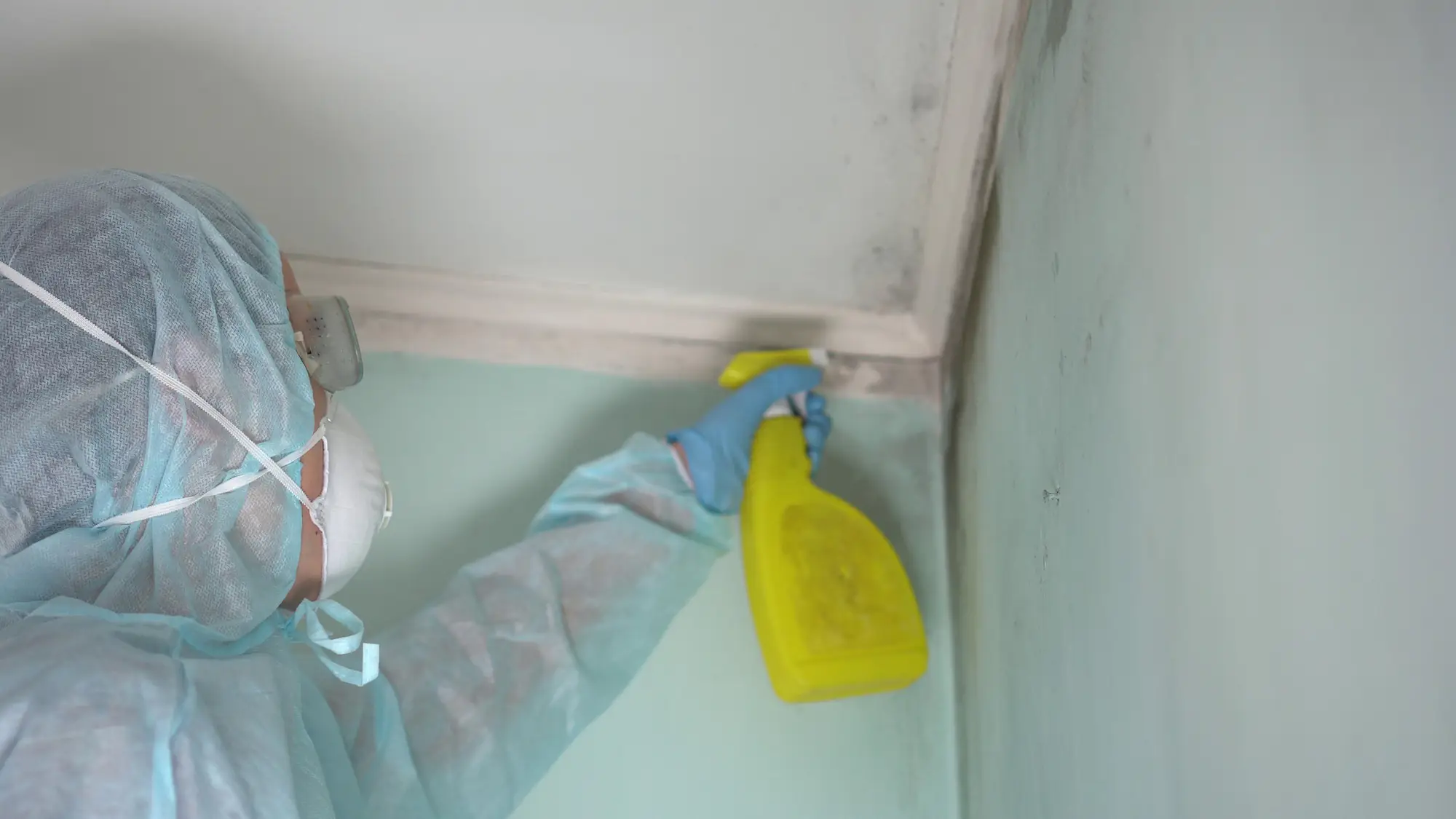
We’ll identify the moisture source first. Mold doesn’t grow without water. If you’ve got a leak, condensation problem, or humidity issue, that has to get fixed or the mold comes back no matter how well we clean it up.
Then we’ll lay out your options. Minor issues you can handle yourself with the right guidance. Extensive growth, hidden mold, or contamination in your HVAC system needs professional remediation. We’ll give you a detailed estimate before any work starts. You’ll know what it costs, how long it takes, and exactly what we’re doing. No surprises, no pressure. Some people test and then take time to think about next steps. That’s fine. The report is yours—use it however you need to.
We offer free initial inspections. That gets you a visual assessment, moisture readings, and an honest conversation about whether testing makes sense for your situation. If you don’t need it, we’ll tell you.
Full air quality testing with lab analysis typically runs a few hundred dollars, depending on how many samples we’re pulling and how large your home is. That includes the on-site inspection, air and surface sampling, lab analysis, thermal imaging, and a detailed report with recommendations.
It’s not cheap, but it’s a lot less expensive than guessing wrong. Ignoring a mold problem doesn’t make it go away—it makes it worse and more costly to fix. Testing gives you facts. You’ll know if you’re dealing with a minor issue or something that needs immediate attention. And if you’re buying a home in Pipersville, spending a few hundred on testing before closing can save you from inheriting someone else’s $20,000 mold problem.
Other Services we provide in Pipersville