
Hear from Our Customers
You shouldn’t have to guess why someone in your house keeps coughing, why allergies won’t quit, or why headaches show up at home but disappear when you leave. Indoor air quality problems don’t announce themselves until someone gets sick.
A professional air quality test gives you actual data. Not assumptions, not maybes—real numbers on mold spores, allergens, VOCs, and other contaminants floating through your rooms. You’ll know if there’s a problem, how bad it is, and what’s causing it.
That’s when you can make informed decisions. Maybe it’s a hidden mold issue behind a wall. Maybe your HVAC system is circulating dust and particles you didn’t know existed. Either way, you’re not reacting blindly anymore. You’re working with facts, and that changes everything about how you protect your family and your property.
We’ve been helping homeowners in Penns Park and throughout Bucks County understand what’s happening inside their walls and ductwork. We’re local, we’re certified, and we don’t treat air quality testing like a sales pitch for something bigger.
Bucks County consistently scores an ‘F’ for ozone levels, worse than most of Pennsylvania. That outdoor air problem gets compounded indoors, where the EPA says air can be two to five times more polluted than outside. Your home traps everything—mold spores, dust, chemicals from household products, moisture from Pennsylvania’s humid summers.
We show up with professional-grade equipment, test the spaces where you live and sleep, and give you a clear report. No upselling. No scare tactics. Just honest results and straightforward guidance on what to do next if something needs attention.
We start with a free inspection. You walk us through your concerns—maybe there’s a musty smell in the basement, visible condensation on windows, or someone’s dealing with respiratory issues that won’t go away. We listen, ask questions, and look at the areas that matter most to you.
Then we test. We use EPA-approved air sampling equipment to collect samples from multiple rooms and problem areas. We’re checking for mold spores, allergens, particulates, and other contaminants that affect indoor air quality. If you’ve got hidden mold growth in wall cavities, crawl spaces, or behind fixtures, our equipment picks up what visual inspections miss.
Samples go to a certified lab for analysis. You get a detailed report showing exactly what’s in your air, at what concentrations, and whether those levels pose health risks. We review everything with you in plain language—no jargon, no runaround. If remediation is needed, we explain what that looks like. If your air quality is fine, we tell you that too. The goal is clarity, not a guaranteed sale.
Ready to get started?
Every residential air quality test includes a thorough inspection of your property. We examine visible areas and hidden spaces where mold and moisture problems typically develop—basements, attics, crawl spaces, HVAC systems, and anywhere water damage or condensation might be an issue.
You get professional air sampling using calibrated equipment that meets industry standards. We test multiple locations throughout your home to identify problem zones and give you an accurate picture of overall air quality. This isn’t a one-room snapshot. It’s a comprehensive assessment of the environment your family lives in every day.
Bucks County’s climate creates ideal conditions for mold growth. Humid summers, cold winters, older homes with ventilation issues—it all adds up. Many Penns Park homes were built decades ago, and construction methods back then didn’t prioritize air sealing or moisture control the way modern builds do. That means more opportunities for mold, more trapped allergens, and more reasons to test before problems become expensive.
After testing, you receive a lab-certified report and a consultation. We walk through findings, answer your questions, and if there’s an issue, we explain your options for remediation. We also work with insurance companies to help simplify claims if your situation qualifies for coverage.
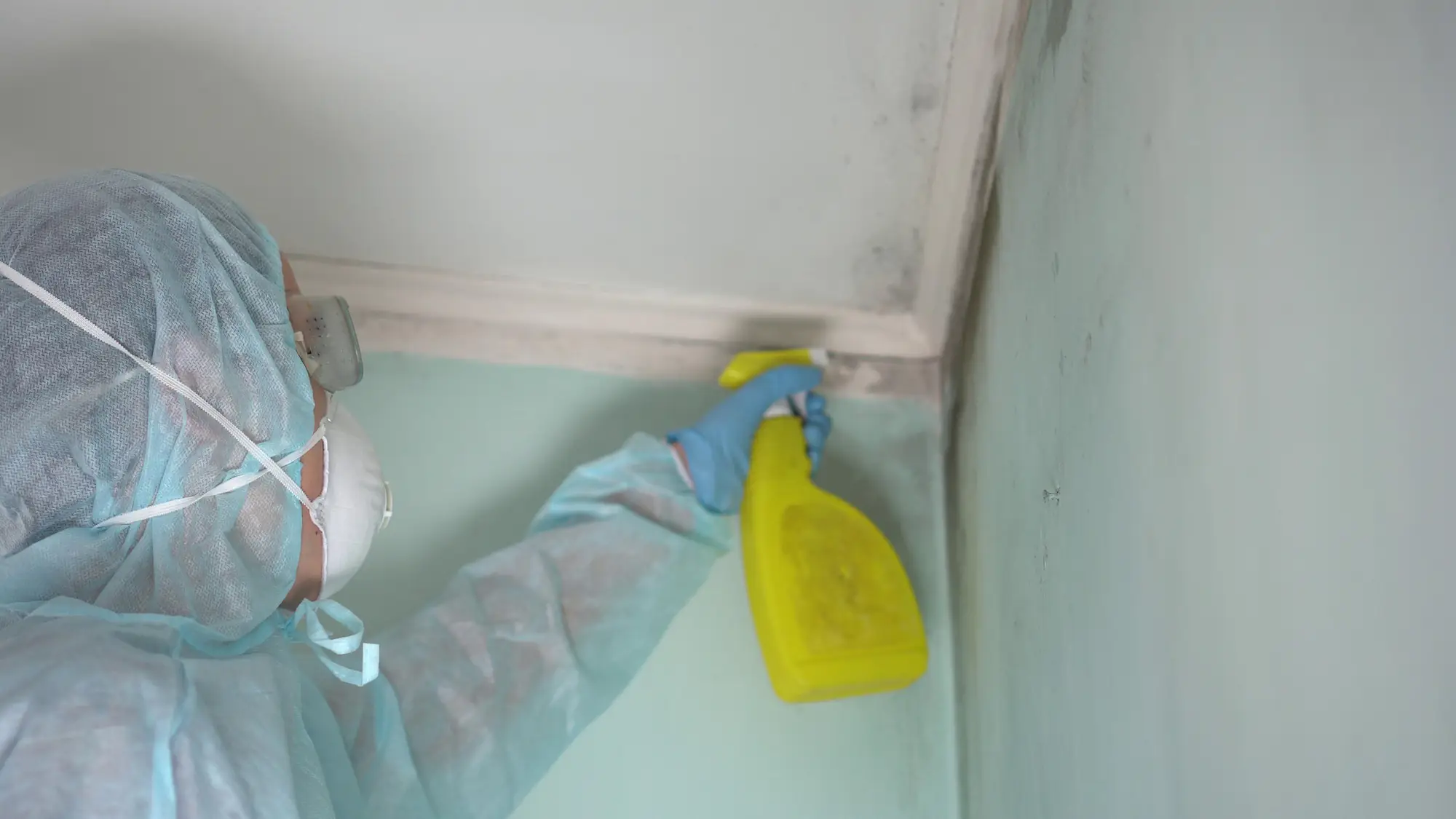
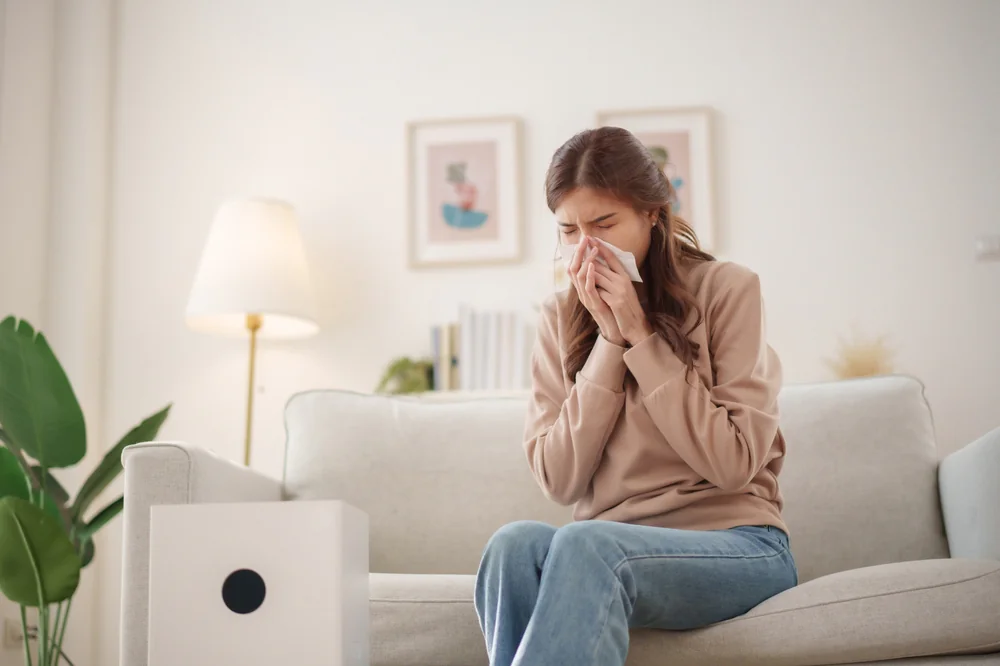
If anyone in your home is dealing with unexplained respiratory issues, persistent allergies, frequent headaches, or fatigue that improves when they leave the house, your indoor air quality might be the problem. Visible signs like water stains, condensation, musty odors, or past flooding are also red flags worth investigating.
You don’t need to wait for symptoms to get worse. A lot of homeowners test after buying a property, especially older homes in Penns Park where moisture and ventilation issues are common. Others test after renovations, HVAC work, or any situation that disturbs walls, insulation, or ductwork where mold might be hiding.
Testing gives you a baseline. Even if nothing’s wrong now, you’ll have documentation of your air quality. If something changes later—new symptoms, a leak, storm damage—you’ll know whether your air quality shifted or stayed the same. It’s useful information either way.
A mold air test identifies the types and concentrations of mold spores present in your indoor air. Different mold species have different health impacts, and some are more aggressive or toxic than others. The lab analysis tells you exactly what you’re dealing with, not just “mold” as a vague category.
The test also compares indoor spore counts to outdoor levels. Mold exists everywhere, including outside, so the question isn’t whether mold is present—it’s whether indoor levels are elevated compared to what’s normal in your environment. High indoor counts relative to outdoor air indicate active mold growth somewhere in your home.
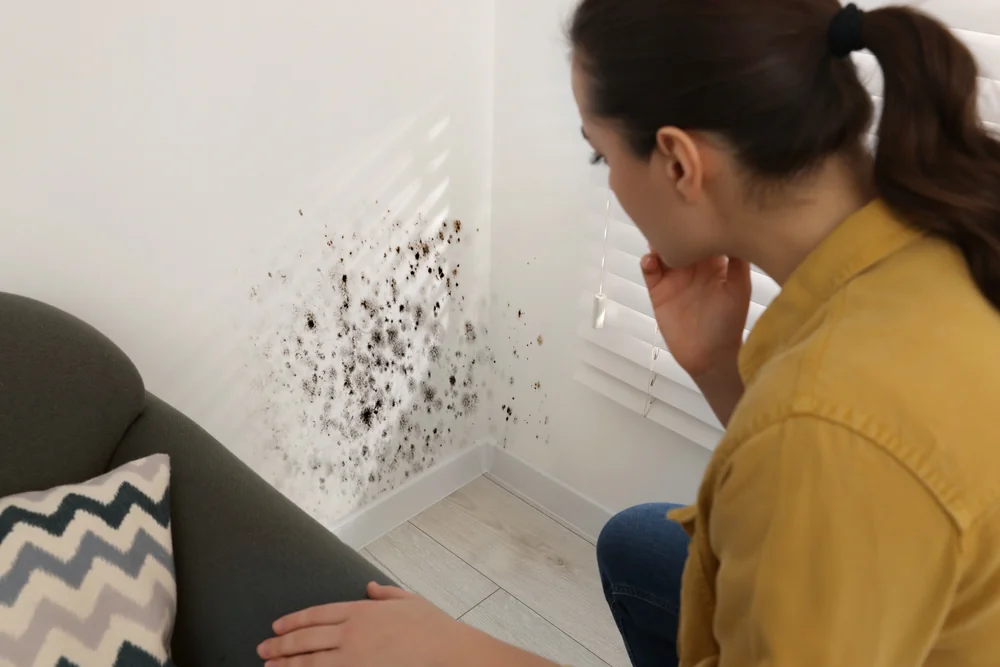
This matters because you can’t always see mold. It grows inside walls, under flooring, in HVAC ducts, and other hidden areas. You might smell it or notice health symptoms without ever finding the source visually. Air testing catches what inspections miss and gives you the data you need to take action before the problem spreads or makes someone seriously ill.
The on-site portion usually takes one to two hours, depending on your home’s size and how many areas need testing. We’re not rushing through it. We inspect the property, collect air samples from multiple rooms, check problem areas like basements and attics, and answer any questions you have while we’re there.
Lab analysis takes a few days. Most results come back within three to five business days. Once we have the report, we schedule a follow-up consultation to review findings and discuss next steps if needed. You’re not waiting weeks for answers.
If you’re dealing with an urgent situation—active water damage, recent flooding, or someone with severe respiratory distress—we offer 24/7 emergency service. We can prioritize testing and expedite lab results when timing matters. Most cases aren’t emergencies, but when they are, we move fast.
No. Air quality testing is non-invasive. We collect air samples using specialized equipment that doesn’t require cutting into walls, removing drywall, or causing any structural damage. The process is clean, quiet, and won’t disrupt your home.
If we find evidence of hidden mold and you decide to move forward with remediation, that’s when we might need to access wall cavities or other concealed spaces. But testing itself doesn’t involve demolition or mess. You’re gathering information first, then deciding what action makes sense based on what we find.
Some homeowners worry that testing will open a can of worms or force them into expensive repairs. That’s not how it works. Testing gives you clarity. What you do with that information is entirely your call. If there’s a problem, you’ll know the scope and cost before committing to anything. If there’s no problem, you’ve got peace of mind and documentation to prove it.
Cost depends on your home’s size, how many areas need testing, and what specific contaminants you’re concerned about. A standard residential air quality test for mold typically ranges from a few hundred dollars to around $600 or $700 for more comprehensive testing across multiple rooms.
We offer free inspections, so you’re not paying anything upfront just to have us assess your situation and provide a quote. We’ll walk through your home, discuss your concerns, and give you a clear price before we collect any samples. No surprises, no hidden fees.
If testing reveals mold or air quality issues that require remediation, we provide a separate estimate for that work. Testing and remediation are two different services with different costs. Some homeowners only need testing for peace of mind or documentation. Others need the full process—testing, remediation, and post-remediation verification. We price everything transparently so you can make informed decisions about what’s worth the investment for your situation and budget.
You can, but home test kits have serious limitations. Most don’t meet EPA standards for accuracy, they often test only one location instead of multiple areas, and they don’t provide the detailed lab analysis you need to identify specific mold species or contaminant concentrations. You might get a “yes” or “no” answer, but not the actionable data required to solve the problem.
Professional air quality testing uses calibrated equipment and certified lab analysis. We test multiple rooms, compare indoor and outdoor levels, and give you a comprehensive report that actually tells you what’s happening in your home. If you’re making decisions about remediation, insurance claims, or your family’s health, you need reliable information—not a $30 kit that might miss the problem entirely.
Home kits can be useful for a quick preliminary check, but if you’re serious about understanding your indoor air quality or you’re dealing with health symptoms, water damage, or visible mold, professional testing is worth the investment. You’re paying for accuracy, thoroughness, and expertise. That matters when the stakes involve your family’s respiratory health and potentially thousands of dollars in remediation costs.
Other Services we provide in Penns Park