
Hear from Our Customers

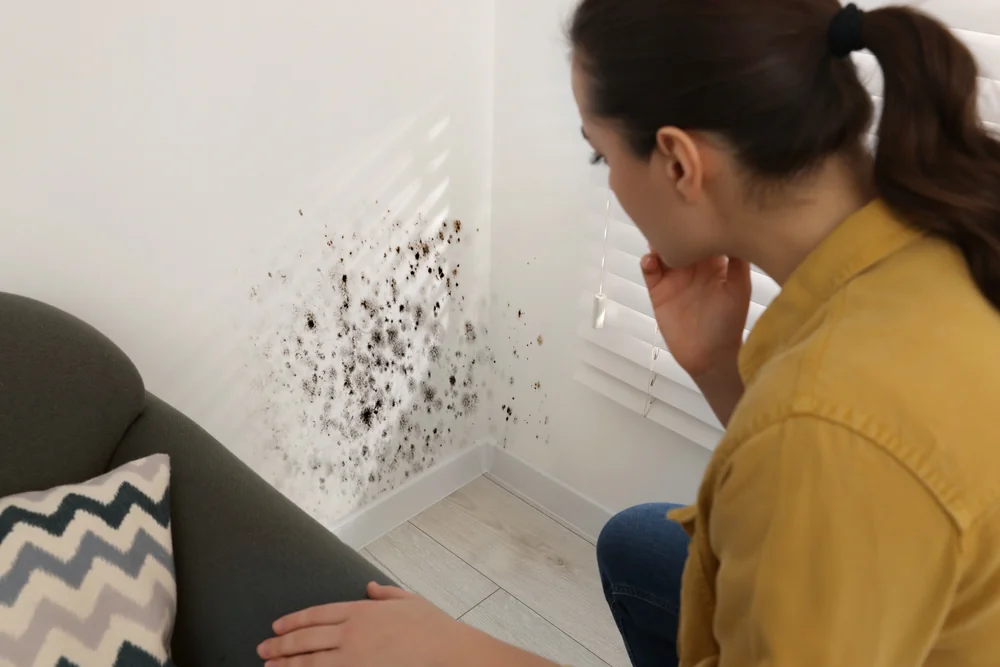
You’ve noticed the symptoms. Someone’s coughing more than usual. Allergies that won’t quit. A musty smell you can’t quite place. You’re wondering if it’s the house or just bad luck.
Here’s what most people don’t realize: indoor air can be two to five times more polluted than outdoor air. That’s not a scare tactic. That’s EPA data. And in Pennsylvania, with our humid summers and unpredictable weather swings, your home is dealing with condensation, poor ventilation, and conditions that let mold and allergens thrive behind walls, under carpets, in places you’d never think to check.
A home air quality test tells you exactly what’s going on. Not a guess. Not a DIY kit that only scratches the surface. A full assessment that identifies mold spores, volatile organic compounds, carbon monoxide, particulates, and other contaminants affecting your family’s health right now. You get a detailed report within three days, and you’ll know whether you’re dealing with a minor issue or something that needs immediate attention.
This isn’t about selling you something you don’t need. It’s about giving you the information to make the right call for your home in Oakford, PA.
We serve Oakford and the greater Bucks County area with residential air quality testing that actually gets to the root of the problem. We’re not a national chain reading from a script. We know how Pennsylvania’s climate creates the perfect storm for mold growth—those humid July afternoons, basements that never quite dry out, attics with poor airflow.
We use professional-grade equipment to test your air and inspect your property. You get a thorough visual inspection, comprehensive air sampling from every area that matters, and a written report that explains what we found in plain language. No jargon. No upselling. Just clear information about what’s happening in your home and what your options are.
If your insurance covers testing or remediation, we’ll work with them directly and provide all the documentation they need. If you just want peace of mind, we’ll give you that too.

The process is straightforward. You schedule an appointment, and we show up on time with the equipment needed to assess your home properly.
First, we walk through your property and talk about what you’ve been experiencing—symptoms, smells, visible issues, areas of concern. Then we conduct a visual inspection of spaces where moisture and mold typically show up: basements, bathrooms, kitchens, attics, crawl spaces, anywhere with plumbing or ventilation issues. We’re looking for signs of water damage, condensation, discoloration, or active mold growth.
Next comes air sampling. We collect samples from multiple rooms and areas throughout your home using professional equipment that measures mold spore counts, VOCs, carbon monoxide, carbon dioxide, and particulate matter. This typically takes one to three hours depending on the size of your property.
Once testing is complete, samples go to a certified lab for analysis. You receive a detailed written report within two to ten days that breaks down exactly what was found, where the problems are, and what levels of contamination exist. We review the findings with you and explain what steps make sense based on the results—whether that’s remediation, improved ventilation, humidity control, or just monitoring the situation.
No pressure. No hard sell. Just information you can use to make the right decision for your home in Oakford, PA.

Ready to get started?
Your indoor air quality test includes everything needed to identify the main threats to your home’s air. We test for mold spores—the invisible particles that trigger asthma, allergic reactions, and respiratory issues. We measure volatile organic compounds that come from building materials, cleaning products, and furnishings. We check carbon monoxide and carbon dioxide levels. We assess particulates like dust and dander.
In Bucks County, 40% of homes show radon levels above EPA action guidelines. That’s not a small problem. Pennsylvania has one of the most serious radon issues in the country, and radon testing should be part of any comprehensive air quality assessment. We can include that in your evaluation if it makes sense for your property.
You also get a full visual inspection. We document everything with photos, moisture readings, and notes about areas that need attention. If mold is present, we identify the type and concentration. If moisture is the issue, we pinpoint the source—whether it’s a leaky pipe, poor grading, condensation from temperature swings, or inadequate ventilation.
The report you receive isn’t a generic template. It’s specific to your home, with clear explanations of what we found and recommendations for next steps. If remediation is needed, we explain the process and timeline. If prevention is the priority, we give you actionable advice on controlling humidity, improving airflow, and addressing structural issues that contribute to poor air quality.
This is about giving you control over your home’s environment, especially in a region where weather and older housing stock create ongoing challenges for indoor air quality.
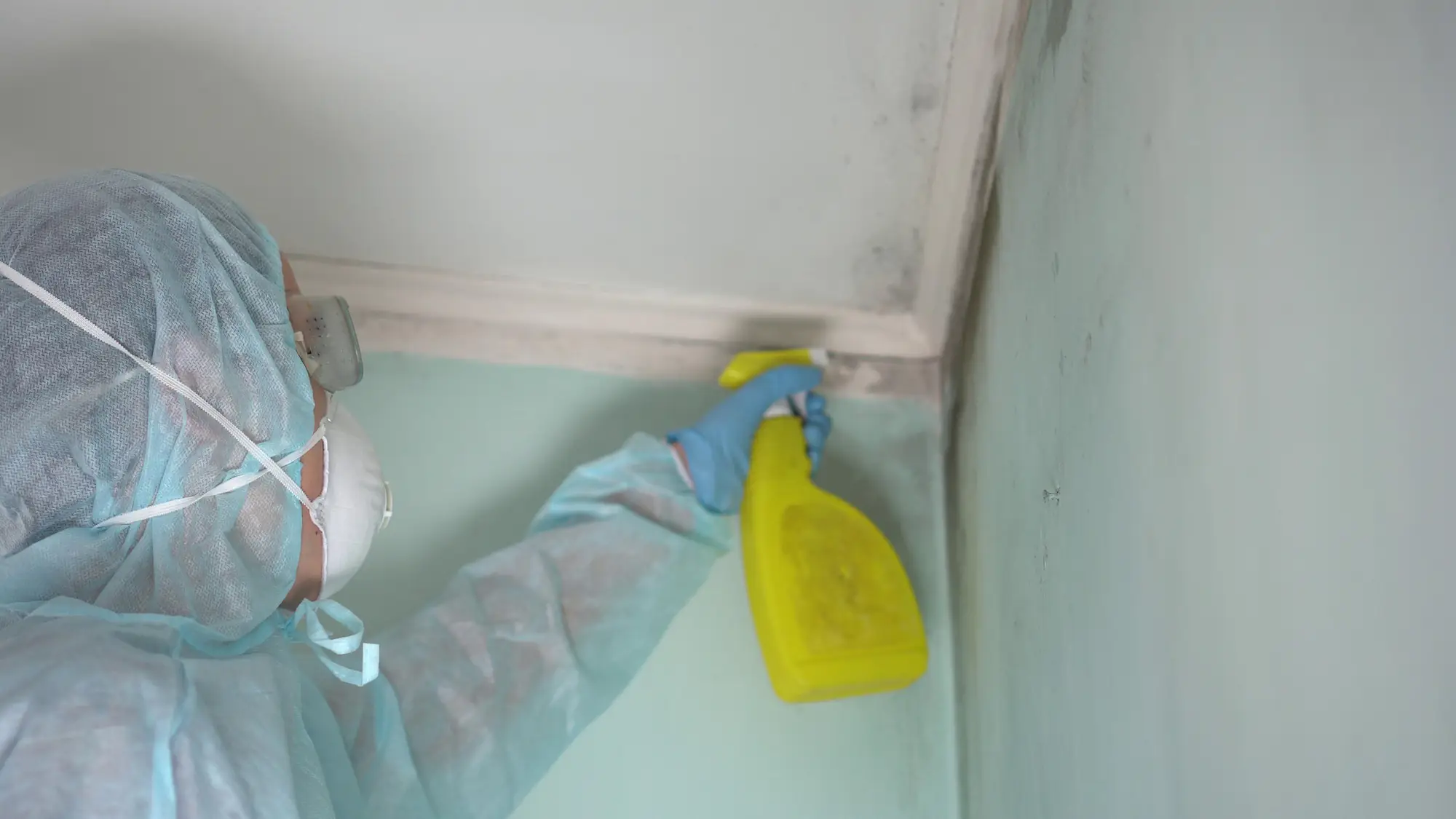
The actual testing process takes one to three hours depending on the size of your home and how many areas need to be sampled. We’re not rushing through it. We’re collecting air samples from multiple rooms, inspecting spaces where moisture and mold typically develop, taking moisture readings, and documenting everything with photos and notes.
After the on-site work is done, samples go to a certified lab for analysis. You’ll receive a detailed written report within two to ten days. Some labs can turn results around faster, but we’d rather give you accurate information than fast information. The report breaks down exactly what was found, where contamination exists, and what levels we’re dealing with.
Once you have the report, we schedule a follow-up call or meeting to walk through the findings. We explain what the numbers mean, what’s normal versus concerning, and what your options are based on the results. That conversation usually takes 20 to 30 minutes, and you can ask as many questions as you need to feel confident about next steps.
DIY kits test for surface-level issues, but they can’t give you the full picture. Most consumer kits only identify whether mold is present—they don’t tell you what type, how much, or whether the levels are actually dangerous. Some molds are harmless. Others can cause serious health problems. Without lab analysis and professional interpretation, you’re guessing.
Professional air quality testing uses calibrated equipment to measure airborne contaminants throughout your home, not just one spot. We collect samples from multiple areas, send them to certified labs, and get detailed reports that identify specific mold species, spore concentrations, VOC levels, and other pollutants. That’s the information you need to make informed decisions about remediation, ventilation, or whether you even have a problem worth addressing.
The other issue with DIY kits: they don’t include a visual inspection. Mold grows behind walls, under flooring, in attics and crawl spaces. If you’re only testing the air in your living room, you’re missing the bigger issue. Professional testing combines air sampling with a thorough property inspection, so we catch problems that aren’t visible or obvious. That’s especially important in older homes or properties with a history of water damage.
It depends on your policy and what caused the air quality issue. If you’re dealing with mold or contamination from a covered event—like a burst pipe, roof leak, or storm damage—many insurance policies will cover testing and remediation. If the problem developed over time due to poor maintenance or humidity, coverage is less likely.
The best approach: call your insurance company before scheduling testing and ask what’s covered under your specific policy. Get the details in writing if possible. Some insurers require you to use their preferred vendors. Others let you choose your own contractor as long as the work meets industry standards.
We work with insurance companies regularly and can provide all the documentation they need—detailed reports, photos, moisture readings, lab results, and a clear scope of work if remediation is necessary. We’ve helped plenty of homeowners in Bucks County navigate the claims process, and we’re happy to answer questions from your adjuster or provide additional information if that helps move things along.
Even if insurance doesn’t cover testing, the cost is usually a few hundred dollars depending on the size of your home and how comprehensive the assessment needs to be. That’s a small investment compared to ongoing health issues or property damage that gets worse over time.
Persistent coughing, sneezing, or respiratory irritation that doesn’t go away when you leave the house. Allergy symptoms that seem worse indoors than outdoors. Eye irritation, headaches, or fatigue that improve when you’re away from home for a few days. Those are the most common signs that your indoor air quality is affecting your health.
Mold exposure can also trigger asthma attacks, especially in children and adults with existing respiratory conditions. Some people experience reactions that feel like a cold that never quite clears up. Others have more severe responses—chest tightness, difficulty breathing, sinus infections that keep coming back.
If multiple people in your household are experiencing similar symptoms, that’s a strong indicator that something in the environment is the problem. High mold spore counts affect more people, not just those with known allergies or sensitivities. And in Pennsylvania, where humid summers and temperature swings create ideal conditions for mold growth, indoor air quality issues are more common than most homeowners realize.
The other red flag: visible mold or a musty smell. If you can see it or smell it, you definitely have elevated spore counts in the air. But even if you don’t see or smell anything, testing can identify contamination that’s hidden behind walls, under flooring, or in areas you don’t regularly access. That’s why professional air quality testing matters—it catches problems before they become obvious or cause serious health complications.
Yes, radon testing can be included as part of a comprehensive air quality assessment. Radon is a radioactive gas that comes from the natural breakdown of uranium in soil and rock. It seeps into homes through cracks in foundations, gaps around pipes, and other openings. You can’t see it, smell it, or taste it, but long-term exposure is the second leading cause of lung cancer in the United States.
Pennsylvania has one of the highest radon levels in the country. Forty percent of homes in the state test above the EPA’s action guideline of 4.0 picocuries per liter. That’s not a small risk. If your home hasn’t been tested for radon, it should be—especially if you’re in Bucks County, where geology and soil conditions make radon infiltration more common.
Radon testing typically involves placing a monitor in the lowest livable area of your home for 48 to 96 hours. The device measures radon levels continuously, and you get results that show whether your home is within safe limits or if mitigation is needed. If levels are elevated, radon mitigation systems can reduce concentrations by 90% or more, usually within a few days of installation.
We can coordinate radon testing alongside mold and air quality assessments so you get a complete picture of what’s happening in your home. It’s one test, one visit, and one report that covers all the major indoor air quality concerns that affect homes in this area.
First, don’t panic. Finding mold doesn’t automatically mean your home is unsafe or that you’re facing a massive remediation project. It depends on the type of mold, the concentration, and where it’s located. Some mold is surface-level and easy to address. Other situations require professional remediation to remove contamination safely and prevent it from spreading.
The lab report will identify the specific mold species and spore counts in each area we tested. We’ll walk you through the findings and explain what’s considered normal versus elevated. If remediation is necessary, we’ll outline the process: containment of affected areas, removal of contaminated materials, HEPA filtration to capture airborne spores, treatment of surfaces, and verification testing to confirm the mold is gone.
We’ll also identify the moisture source that allowed mold to grow in the first place. Mold needs water. If you don’t fix the underlying issue—whether it’s a leak, condensation, poor ventilation, or drainage problems—mold will come back even after remediation. That’s why professional testing includes a full property inspection, not just air sampling.
If the contamination is minor, we’ll give you guidance on handling it yourself—what products to use, how to clean affected surfaces, and what precautions to take. If it’s more extensive, we’ll provide a detailed scope of work and timeline for professional remediation. Either way, you’ll have the information you need to make the right decision for your home and your family’s health.
Other Services we provide in Oakford