Air Quality Testing in Narrowsville, PA

Know What You're Breathing Before It Becomes a Problem

Hidden mold and poor air quality don’t announce themselves until someone gets sick. Get a professional air quality test that finds what you can’t see.
Indoor wall corner with visible black mold growth near floor and furniture, highlighting moisture damage and potential indoor air quality issue in a residential room.

Hear from Our Customers

Person sitting on a sofa beside a home air purifier, indicating indoor air quality concerns, allergy relief, or air filtration use in a modern living room.

Professional Air Quality Testing Services

Clear Answers About What's Actually in Your Air

You’ve noticed the symptoms. Persistent coughing that won’t quit. Allergies that seem worse indoors than out. Headaches that disappear when you leave the house. Maybe you smell something musty in the basement, or you’re worried about what’s growing behind the walls after that leak last spring.

An indoor air quality test gives you real data instead of guessing. We measure mold spores, allergens, and pollutants that affect how you feel in your own home. The test identifies what’s there, how much of it exists, and where it’s coming from.

Once you know what you’re dealing with, you can fix it. No more wondering if that cough is just seasonal or if something in your house is making your family sick. You get documentation, answers, and a clear path forward.

Mold Testing Experts in Narrowsville

We've Been Testing Bucks County Homes for Years

We’ve been helping Narrowsville homeowners understand what’s in their air for years. We know Bucks County homes. We know the humidity issues that come with Pennsylvania summers and the moisture problems that show up in older basements.

Our certified inspectors use advanced detection equipment to test both visible problem areas and hidden spaces where mold grows unnoticed. We’re not here to sell you services you don’t need. We test, we report what we find, and we give you honest recommendations based on the results.

We offer free inspections because we want you to know what you’re dealing with before making any decisions. That’s how this should work.

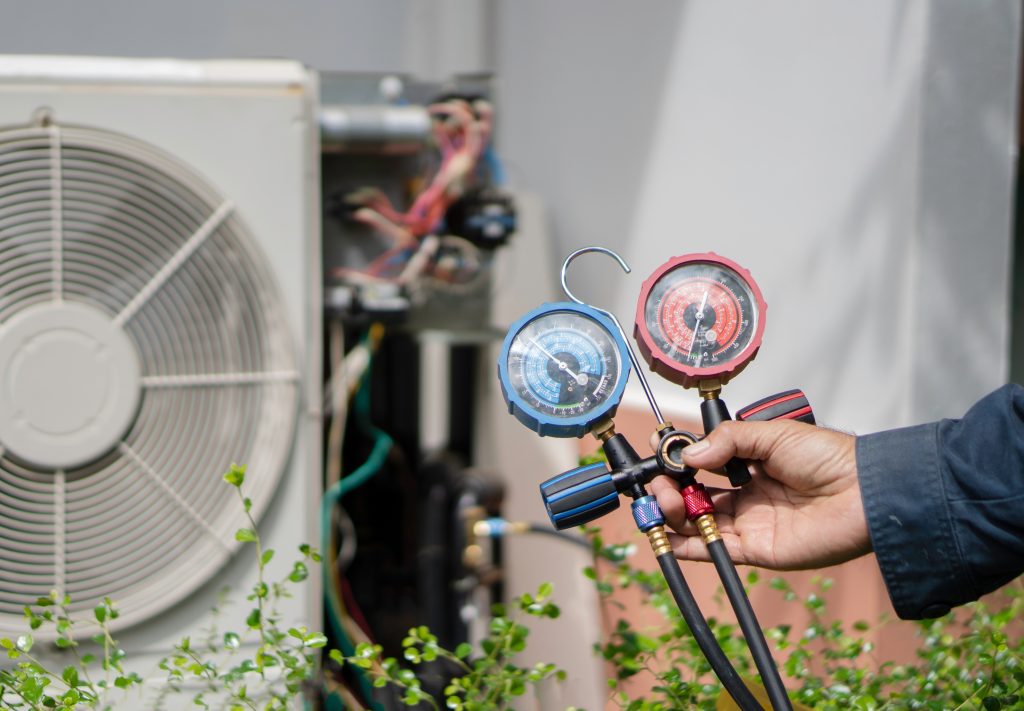
Technician holding HVAC manifold gauge set to measure pressure on an outdoor air conditioning unit during system inspection or maintenance.

Our Air Quality Testing Process

Here's Exactly What Happens During Your Test

First, we walk through your home with you. You show us the areas that concern you, and we inspect spaces where problems typically hide. Basements, crawl spaces, attics, behind appliances, under sinks. Anywhere moisture accumulates.

We take air samples from multiple locations throughout your home using professional-grade equipment. These samples capture mold spores, allergens, and other airborne particles. We also take surface samples if we see visible growth or suspect contamination in specific areas.

The samples go to a certified lab for analysis. Within a few days, you get a detailed report showing exactly what’s in your air, the concentration levels, and whether those levels pose health risks. We review the results with you in plain language and explain what they mean for your specific situation.

If the test reveals problems, we map out the source and recommend solutions. If your air quality is fine, we tell you that too. The goal is information, not fear.

Person relaxing on a sofa in a modern living room with wall‑mounted air conditioner, brick wall background, indoor plants, and home comfort setting.

Ready to get started?

Explore More Services

About Mack's Mold Removal

What's Included in Air Quality Testing

Comprehensive Testing That Covers What Actually Matters

A home air quality test from us includes inspection of your entire property, not just the obvious problem spots. We check humidity levels throughout your home because Narrowsville’s climate can push indoor humidity above the 45% threshold where mold starts thriving.

We test for mold species identification, which matters because different molds require different approaches. Some are relatively harmless. Others, like black mold, need immediate attention. The lab analysis identifies exactly what’s growing so you’re not guessing about severity.

You receive a written report with lab results, photos of problem areas, humidity readings, and specific recommendations. We explain what caused the problem, whether it’s a roof leak, poor ventilation, basement moisture, or something else. We also provide documentation that’s useful for insurance claims or real estate transactions.

The testing process typically takes a few hours on-site, depending on your home’s size. Results come back within three to five business days. We’re available 24/7 if you’re dealing with an urgent situation like flooding or sudden mold discovery.

Hand holding smartphone displaying smart home air quality app with indoor air status check, modern living room background and connected home technology.

How do I know if I need a mold air test for my home?

You need testing if anyone in your home has unexplained respiratory symptoms, allergies that worsen indoors, or persistent coughing and sneezing. These symptoms often improve when people leave the house, which points to an indoor air quality problem.

You also need testing if you’ve had water damage, roof leaks, basement flooding, or plumbing issues. Mold can start growing within 24 to 48 hours after water exposure, often in places you can’t see. Testing finds hidden growth before it becomes a bigger problem.

If you’re buying or selling a home in Narrowsville, a mold air test protects your investment. Buyers increasingly request air quality documentation, and sellers benefit from proving their property is safe. It’s cheaper to test now than to deal with disclosure issues or health problems later.

A visual inspection only catches mold you can see. An inspector looks at walls, ceilings, floors, and common problem areas. That’s useful, but it misses hidden mold growing inside walls, under flooring, in HVAC systems, or in crawl spaces.

Air testing measures what’s actually floating in your air, whether you can see the source or not. Mold releases spores that circulate through your home. An indoor air quality test captures those spores and identifies the types and concentrations present.

The most thorough approach combines both. We visually inspect your property and take air samples. That way, we find visible growth and detect hidden contamination. If your air test shows high mold spore counts but we don’t see obvious growth, we know to look deeper. The combination gives you complete information.

Professional air quality testing typically costs between $300 and $900, depending on your home’s size and how many samples we take. A basic test for a smaller home with two or three air samples runs on the lower end. Larger homes or properties with multiple problem areas require more samples and cost more.

We offer free initial inspections, which means we assess your situation before recommending testing. Sometimes a visual inspection reveals obvious issues that don’t require lab analysis. Other times, testing is necessary to understand what’s happening.

We work with insurance companies if your air quality problems stem from covered events like storm damage or plumbing failures. Many policies cover testing and remediation costs. We help with the claims process and provide documentation your insurer needs.

The cost of testing is minimal compared to ongoing health problems or property damage from undetected mold. Pennsylvania doesn’t regulate indoor mold, which means protecting your home’s air quality is entirely up to you.

The on-site portion takes two to four hours for most homes. We inspect your property, take air and surface samples, measure humidity levels, and document problem areas. Larger homes or properties with extensive suspected contamination take longer.

Lab analysis takes three to five business days. The samples go to a certified laboratory that identifies mold species, counts spore concentrations, and compares your indoor air to outdoor baseline samples. This comparison shows whether your indoor levels are abnormally high.

Once results come back, we schedule a follow-up consultation to review findings. That conversation usually takes 30 to 45 minutes. We walk through the report, explain what the numbers mean, show you where problems originate, and discuss solutions.

From your first call to receiving your complete report and recommendations, the entire process typically takes one week. We offer rush testing for urgent situations, which delivers results in 24 to 48 hours. That’s useful if you’re dealing with sudden water damage or need fast answers for a real estate transaction.

Yes. A comprehensive indoor air quality test measures multiple contaminants beyond mold. We test for allergens like dust mites, pet dander, and pollen that accumulate indoors. We also measure humidity levels, which affect comfort and mold growth potential.

Depending on your concerns, we can test for volatile organic compounds (VOCs) from paints, cleaning products, and building materials. We can also test for radon, a colorless, odorless gas that’s common in Pennsylvania basements and causes serious health risks over time.

The standard residential air quality testing focuses on mold because that’s the most common indoor air problem in Bucks County. Our humid climate creates ideal conditions for mold growth, especially in basements and crawl spaces. But if you have specific concerns about other contaminants, we customize the testing to address what matters for your situation.

People spend about 90% of their time indoors. What you breathe at home directly affects your health. Testing gives you a complete picture of your indoor environment so you can make informed decisions about improvements.

Keep your home’s normal routine for at least 48 hours before testing. Don’t deep clean, open all the windows, or change your usual ventilation patterns. We need to test your typical indoor air conditions, not an artificially improved version.

Make sure we can access all areas of your home, including basements, attics, crawl spaces, and utility rooms. Move stored items if they’re blocking walls, pipes, or areas where you’ve noticed moisture or musty smells. The more we can inspect, the more accurate your results.

If possible, avoid running air purifiers or opening windows the day of testing. These actions temporarily improve air quality but don’t reflect what you’re actually breathing most of the time. We want to capture real conditions.

Let us know about any recent water damage, leaks, flooding, or areas where you’ve noticed condensation or musty odors. That information helps us focus testing on the most likely problem areas. The more context we have, the better we can target our inspection and sampling.

Other Services we provide in Narrowsville