
Hear from Our Customers
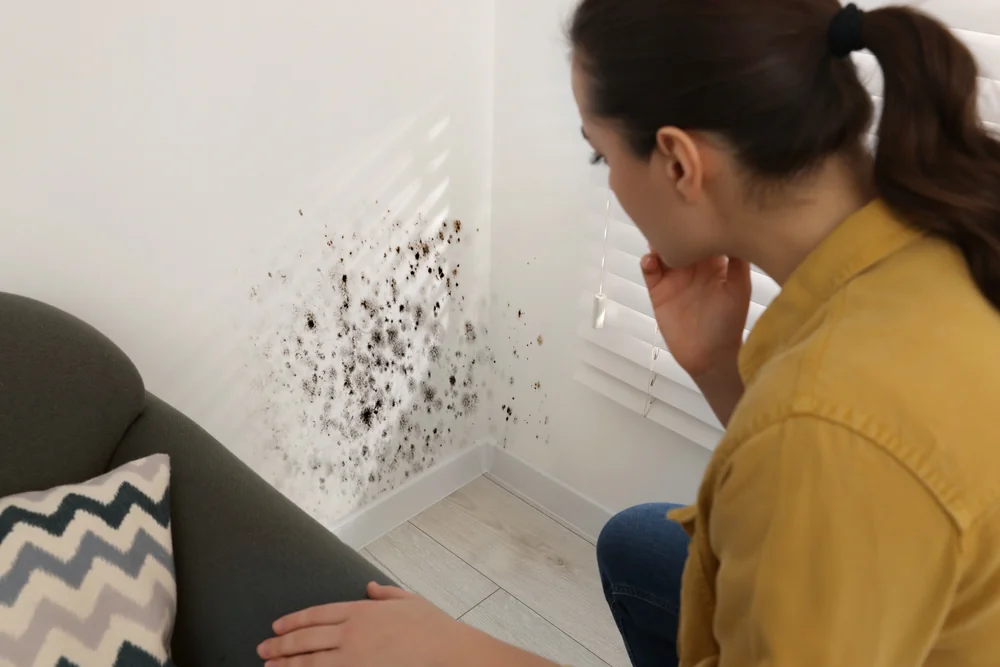
You’re not imagining it. That musty smell in the basement, the allergies that won’t quit, the headaches that disappear when you leave the house—they’re all signs your indoor air quality needs attention.
Most homeowners in Maple Beach don’t realize their air is the problem until symptoms get worse. Mold grows behind walls. Allergens settle into HVAC systems. Pollutants build up in spaces you can’t see. A home air quality test shows you exactly what’s there and where it’s coming from.
The EPA says indoor pollutant levels run 2 to 5 times higher than outdoors. In Bucks County, where humidity spikes and older homes mix with newer construction, those numbers can climb even higher. Testing gives you a baseline—real data you can act on instead of guessing what might help.
Once you know what’s affecting your air, you can target the fix. No wasted money on filters that don’t address the actual issue. No wondering if that mold smell is serious. Just clear answers and a plan that works.
We’ve been testing and improving indoor air quality across Bucks County for years. We know how Maple Beach homes respond to local weather patterns—the humidity that creeps into basements near the Delaware River, the way older construction traps moisture, and where mold hides in homes built before modern ventilation standards.
We’re not a national franchise reading from a script. We live here, work here, and understand the specific air quality challenges that come with this area. When we test your home, we’re looking at it through the lens of what we’ve seen in hundreds of local properties.
You’ll get straightforward results and honest recommendations. If your air quality is fine, we’ll tell you. If there’s a problem, we’ll explain what it is, why it matters, and what it takes to fix it—no upselling, no scare tactics.
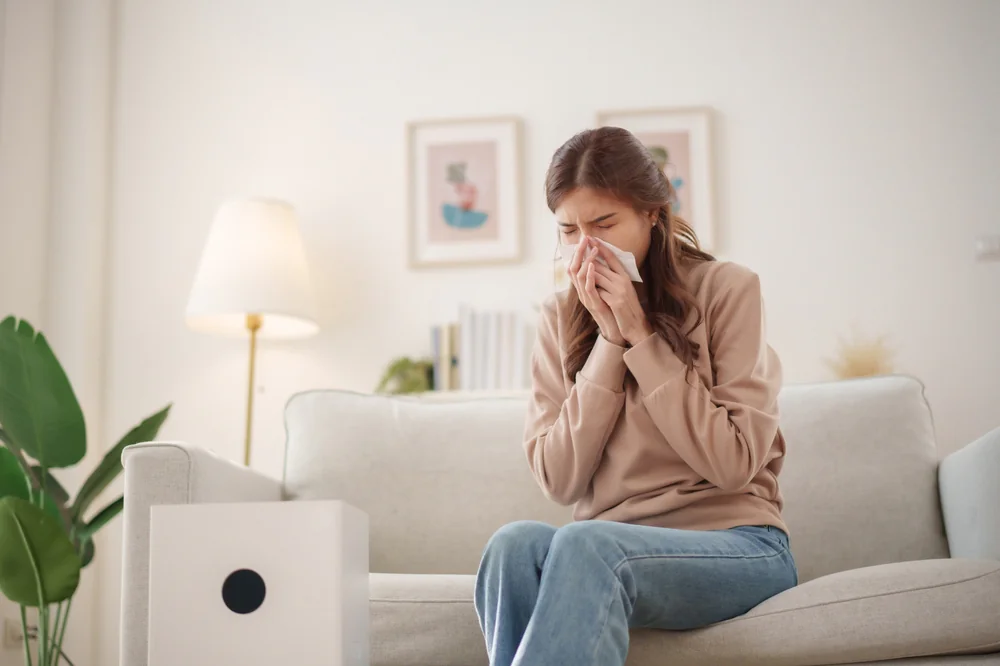
First, we walk through your home and talk about what you’ve noticed—smells, symptoms, problem areas. That conversation tells us where to focus and what pollutants to test for.
Then we set up our equipment. For mold air testing, we use air sampling pumps that capture spores in specific rooms. For broader indoor air quality testing, we measure particulates, VOCs, carbon dioxide levels, and humidity. The equipment runs for a set period to get an accurate read on what’s circulating through your space.
Samples go to a certified lab for analysis. You’re not waiting weeks—most results come back within a few days. We review them with you in plain language: what we found, what the levels mean, and whether they’re within safe ranges.
If something’s elevated, we explain the source and what needs to happen next. Sometimes it’s a ventilation issue. Sometimes it’s hidden mold that needs remediation. Sometimes it’s an HVAC system that’s circulating dust and allergens. The test tells us which one applies to your home, so you’re not guessing or paying for fixes that don’t match the problem.
Ready to get started?
Every residential air quality testing appointment covers the areas that matter most in your home. We test for mold spores, which are common in Bucks County’s humid climate and often concentrate in basements, bathrooms, and attics. We measure particulate matter—the dust, pollen, and debris that aggravate allergies and respiratory issues.
We also check VOC levels, which spike after painting, new flooring, or furniture installation. Carbon dioxide gets measured too, especially in homes with poor ventilation where levels above 1,000 ppm start affecting focus and energy. Humidity readings round out the test, since anything above 60% creates conditions for mold growth.
In Maple Beach, where about 16% of homes were built before the 1940s, we pay extra attention to older construction. These homes weren’t designed with modern HVAC systems or vapor barriers, so moisture and air quality issues show up differently than in newer builds. We adjust our approach based on your home’s age and layout.
After testing, you get a detailed report that breaks down each pollutant, shows how your levels compare to safe thresholds, and highlights any areas of concern. If mold spores are above 200 per cubic meter—the industry standard for safety—we’ll map out what remediation looks like. If your HVAC system is circulating allergens, we’ll explain how to address it. The goal is to give you enough information to make a confident decision about next steps.
Most homeowners in Maple Beach pay between $300 and $600 for a standard indoor air quality test. That covers common pollutants like mold spores, particulates, VOCs, and humidity levels in the main living areas of your home.
If you need more extensive testing—multiple floors, a large square footage, or specialized tests for specific chemicals—the cost can go up to $1,000 or more. But for most residential properties, the standard range applies.
Professional air quality testing costs more than a DIY kit, but the accuracy and detail are worth it. DIY kits often miss contamination or give you vague results that don’t tell you what to do next. Professional testing uses calibrated equipment and lab analysis, so you’re getting data you can actually act on. You’re not just finding out there’s mold—you’re finding out how much, what type, and where it’s concentrated.
Most experts recommend testing your indoor air quality once a year, especially if you have kids, elderly family members, or anyone with asthma or allergies. Annual testing catches problems early, before they turn into expensive repairs or ongoing health issues.
You should also test after any major event that affects your home’s environment. Water damage from a leak or flood creates conditions for mold growth within 24 to 48 hours. Renovations introduce dust, VOCs from paint or flooring, and disturb areas that might have hidden contamination. If you’re moving into a new home, testing before you settle in gives you a clear picture of what you’re starting with.
In Bucks County, where humidity fluctuates and weather patterns create moisture issues, annual testing makes sense. It’s preventative maintenance for your home’s air—catching small problems before they become big ones. If your last test showed elevated levels of anything, follow-up testing confirms whether your remediation efforts worked.
Mold air testing focuses specifically on mold spores in your home’s air. We measure spore counts in different rooms, identify the types of mold present, and compare your levels to outdoor air and industry safety standards. If you’ve noticed musty smells, visible mold, or allergy symptoms that suggest mold exposure, this test zeroes in on that issue.
A full indoor air quality test covers mold plus a broader range of pollutants. You’re testing for particulates like dust and pollen, VOCs from household products and building materials, carbon dioxide levels that indicate ventilation problems, and humidity that affects comfort and mold risk. It’s a more comprehensive look at everything affecting your air.
Which one you need depends on what you’re dealing with. If you suspect mold, start with mold air testing. If you’re experiencing symptoms but don’t know the cause, or if you want a complete picture of your home’s air quality, go with the full test. We can walk you through which option makes sense for your situation during the initial consultation.
Air quality testing detects mold spores circulating through your home’s air, which often indicates hidden mold growth. If spore counts are elevated in a specific room, it tells us mold is likely growing somewhere in that area—even if you can’t see it.
But air testing alone doesn’t pinpoint the exact location. That’s where a mold inspection comes in. We combine air testing with a visual inspection of common problem areas: behind walls where plumbing runs, in attics with roof leaks, under flooring that’s been exposed to moisture, and in crawl spaces with poor ventilation. We use moisture meters and thermal imaging to find hidden water sources that feed mold growth.
In Maple Beach homes, especially older ones near the Delaware River, basements and attics are the most common hiding spots. Humidity from the river, combined with poor ventilation in older construction, creates perfect conditions for mold. Air testing shows us there’s a problem. The inspection shows us where it is. Together, they give you the full picture so remediation targets the right areas and actually solves the issue.
If your mold air test shows spore counts above 200 per cubic meter, you need remediation. That’s the industry standard for safe indoor air, and anything above it means mold is actively growing and spreading in your home.
We’ll start by identifying the source—where the mold is growing and what’s feeding it. Mold needs moisture, so there’s always a water issue behind it. Leaking pipes, roof damage, foundation cracks, high humidity, or poor ventilation. Fixing the mold without fixing the moisture problem means it’ll come back.
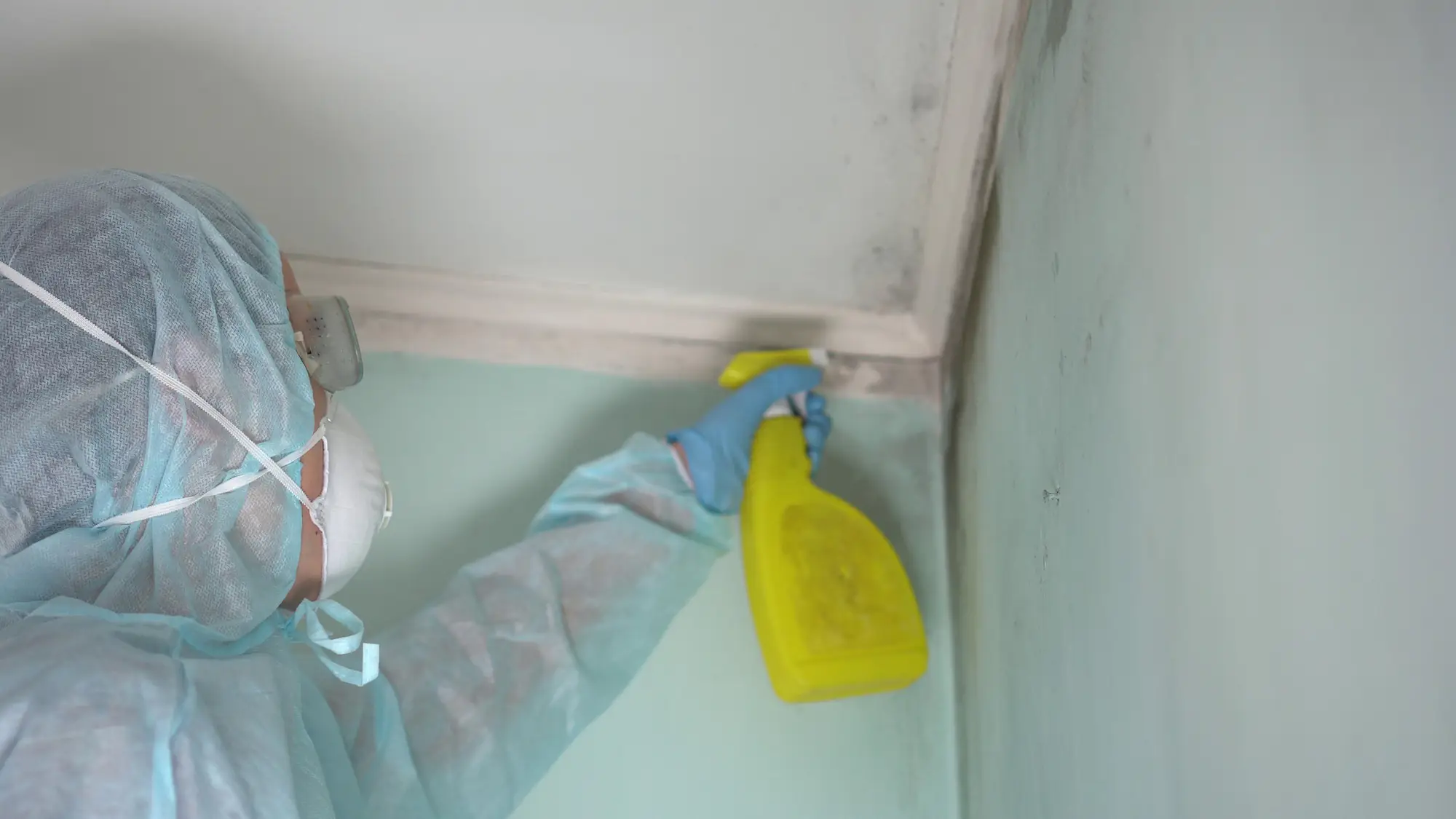
Remediation involves containing the affected area to prevent spores from spreading, removing contaminated materials like drywall or insulation, treating surfaces with antimicrobial solutions, and sealing the area to prevent regrowth. We follow IICRC guidelines, which means removing 100% of affected materials and confirming the space is clean before we close it up. After remediation, we do post-treatment air quality testing to verify spore counts dropped below safe levels. That final test confirms the job’s done right and your air is clean.
Yes, if poor air quality is causing or worsening your symptoms. Mold spores, dust, pollen, and other airborne pollutants are common triggers for allergies, asthma, and respiratory irritation. When you reduce those pollutants, symptoms often improve.
Testing shows you what’s actually in your air, so you’re not guessing. If mold spores are elevated, remediation brings levels down and reduces exposure. If particulates are high, better filtration and HVAC maintenance can help. If VOCs are spiking from household products, improving ventilation makes a difference.
The WHO reports that 93% of children under 18 are exposed to air pollution levels above safe thresholds, and indoor air is often worse than outdoor air. In Bucks County homes, where humidity and older construction create additional challenges, addressing air quality can cut respiratory issues significantly. One study found that cleaner indoor air reduces respiratory disease by 80% and decreases student absences by 13%. If you or your family are dealing with ongoing symptoms that improve when you leave the house, your air quality is worth testing. It’s not a guaranteed fix for every health issue, but it eliminates a major environmental factor that’s within your control.
Other Services we provide in Maple Beach