
Hear from Our Customers
You’ve noticed the symptoms. Maybe it’s the allergies that won’t quit, the musty smell you can’t track down, or the headaches that seem worse at home. You’re not imagining it.
Indoor air quality problems are real, and they’re common in Bucks County homes. Mold spores, dust mites, pet dander, and other airborne contaminants don’t announce themselves. They just sit there, circulating through your HVAC system, settling into your furniture, and affecting how you feel every single day.
A home air quality test gives you actual data. Not guesses. We use air sampling and surface testing to measure what’s in your air and where it’s coming from. You’ll get a detailed report that shows contamination levels, identifies problem areas, and explains what needs to happen next. No more wondering if something’s wrong. You’ll know exactly what you’re dealing with and how to fix it.
We’ve been testing air quality and inspecting for mold in Holly Hill and throughout Bucks County for over 20 years. We’re not new to this. We’ve seen what happens when moisture gets trapped in basements, when HVAC systems spread contamination, and when small problems turn into expensive ones.
Holly Hill homes deal with specific challenges. The humidity here creates conditions where mold thrives. Older homes have ventilation issues. Newer construction sometimes traps moisture. We know what to look for because we’ve been doing this work in your area for decades.
When you call us, you’re getting technicians who understand residential air quality testing and know how to interpret results in a way that actually helps you make decisions.

First, we talk. You tell us what you’ve noticed—symptoms, smells, visible issues. That conversation shapes where we focus our testing.
Then we walk through your home. We’re looking at areas where air quality problems typically start: basements, crawl spaces, bathrooms, kitchens, HVAC systems. We check for visible mold, moisture issues, and ventilation problems.
Next comes the actual testing. We collect air samples from multiple rooms to measure spore counts and identify contaminants. If we see visible growth or suspect surface contamination, we take surface samples too. The samples go to a lab for analysis.
Within a few days, you get a detailed report. It shows what we found, where contamination levels are high, and what’s causing the problem. More importantly, it includes specific recommendations for fixing the issues—whether that’s addressing a moisture source, cleaning your ducts, or scheduling mold remediation.
You’re not left guessing what to do next. The report gives you a clear path forward.
Ready to get started?
Our residential air quality testing covers the contaminants that actually affect your health. We test for mold spores, which are the primary concern in most Holly Hill homes. Bucks County’s climate creates ideal conditions for mold growth, especially in basements and areas with poor ventilation.
We also identify other allergens and pollutants—dust mites, pet dander, pollen that’s made its way indoors, and bacteria. If your home has that “sick building” feeling—where people feel better when they leave—these are usually the culprits.
The testing process uses professional-grade equipment. Air pumps collect samples over a set period, capturing what’s actually circulating through your rooms. Surface samples use swabs or tape lifts to test visible growth or suspicious areas. Every sample gets analyzed by a certified lab.
What you receive is a report that breaks down contamination levels by room, compares them to outdoor baseline levels, and identifies specific types of mold or allergens present. For Holly Hill homeowners, this information is especially valuable if you’re buying or selling property, dealing with insurance claims, or just trying to figure out why your family’s health has declined since moving in.
Most homeowners in Holly Hill pay between $300 and $800 for professional air quality testing, depending on home size and how many samples you need. A basic mold air test with 2-3 air samples runs on the lower end. Comprehensive testing that includes multiple rooms, surface samples, and detailed analysis costs more.
The price covers the on-site inspection, sample collection, lab analysis, and a detailed report with recommendations. Some companies charge separately for the inspection and lab fees, so ask for a complete breakdown upfront.
If you’re testing because of health symptoms or before buying a home, the investment makes sense. You’re getting data that either confirms a problem exists or rules it out completely. That’s worth knowing before you spend thousands on remediation you might not need—or before you ignore a problem that’s making your family sick.
Persistent allergy symptoms that don’t improve when you leave the house are the biggest red flag. If you’re dealing with constant congestion, itchy eyes, coughing, or headaches that seem worse at home, your indoor air quality deserves a closer look.
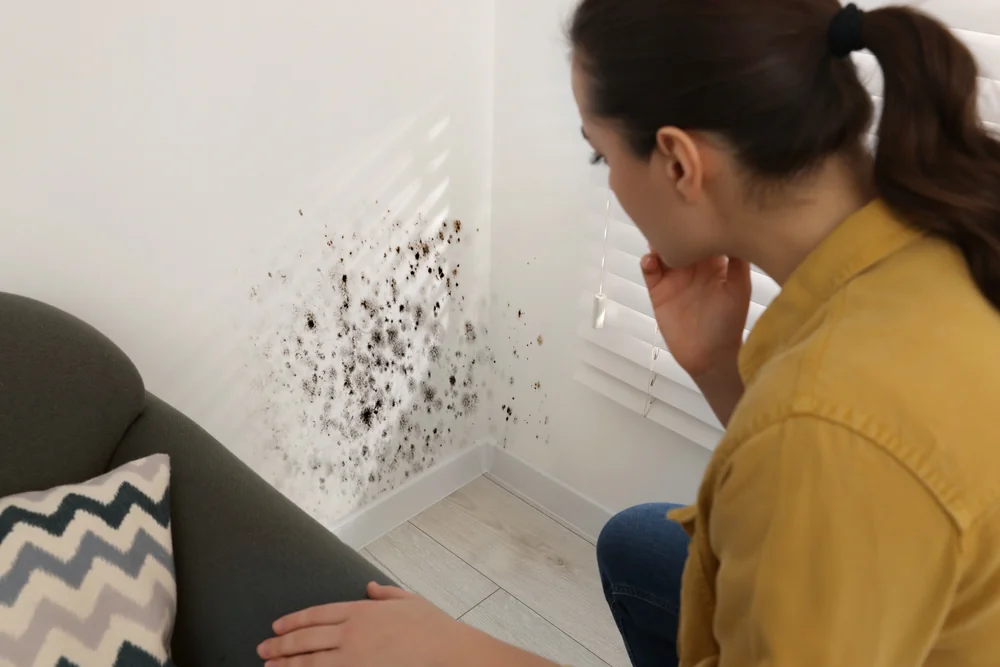
Musty odors are another clear sign, especially in basements, bathrooms, or areas with poor ventilation. That smell means mold is growing somewhere, even if you can’t see it. Visible mold growth—even small patches—indicates a larger problem, because what you see is just surface level.
Other warning signs include condensation on windows, water stains on ceilings or walls, recent water damage or flooding, and respiratory issues that developed after moving into the home. If anyone in your household has asthma and it’s gotten worse, or if you’re experiencing unexplained fatigue and poor sleep quality, testing can identify whether airborne contaminants are the cause. Holly Hill’s humidity makes these issues more common than you’d think.
The on-site portion takes 1-2 hours depending on your home’s size and how many areas we’re testing. We’re not rushing through it. We need time to inspect, collect samples properly, and document conditions.
Air samples run for a specific duration to capture an accurate picture of what’s circulating. Surface samples are quicker—just a few minutes per location. If we’re testing multiple rooms or taking several samples, that adds time.
After we leave, samples go to the lab. Analysis typically takes 3-5 business days. You’ll receive a detailed report that explains findings and includes specific recommendations. If you need results faster for a real estate transaction or urgent health concern, some labs offer expedited testing for an additional fee.
The whole process from scheduling to receiving your report usually spans about a week. That timeline gives you answers without unnecessary delays, and it ensures the lab work is thorough and accurate.
DIY air quality test kits exist, but they’re not comparable to professional testing. The cheap kits you find online often give false positives or miss contamination entirely. They don’t measure spore counts accurately, and they can’t identify specific mold types or allergen levels.
Professional air quality testing uses calibrated equipment that collects samples at controlled rates. The samples go to certified labs where technicians identify and quantify exactly what’s in your air. You get actual data—spore counts, mold species, contamination levels compared to outdoor baselines.
More importantly, professional testing includes an inspection. We’re looking at your home’s conditions, identifying moisture sources, checking ventilation, and spotting problems that a test kit sitting on your counter would never catch. The report you receive includes context and recommendations based on what we found and what we know about homes in Holly Hill.
If you’re dealing with health symptoms, preparing for remediation, or need documentation for insurance or real estate purposes, professional testing is the only option that gives you reliable, defensible results.
First, don’t panic. Finding mold doesn’t mean your home is unlivable or that you’re facing a five-figure remediation bill. It means you have information you can act on.
The report will show you where contamination levels are elevated, what types of mold are present, and how severe the problem is. Some mold findings are minor—surface growth that can be cleaned and prevented with better ventilation. Other findings indicate hidden growth that requires professional remediation.
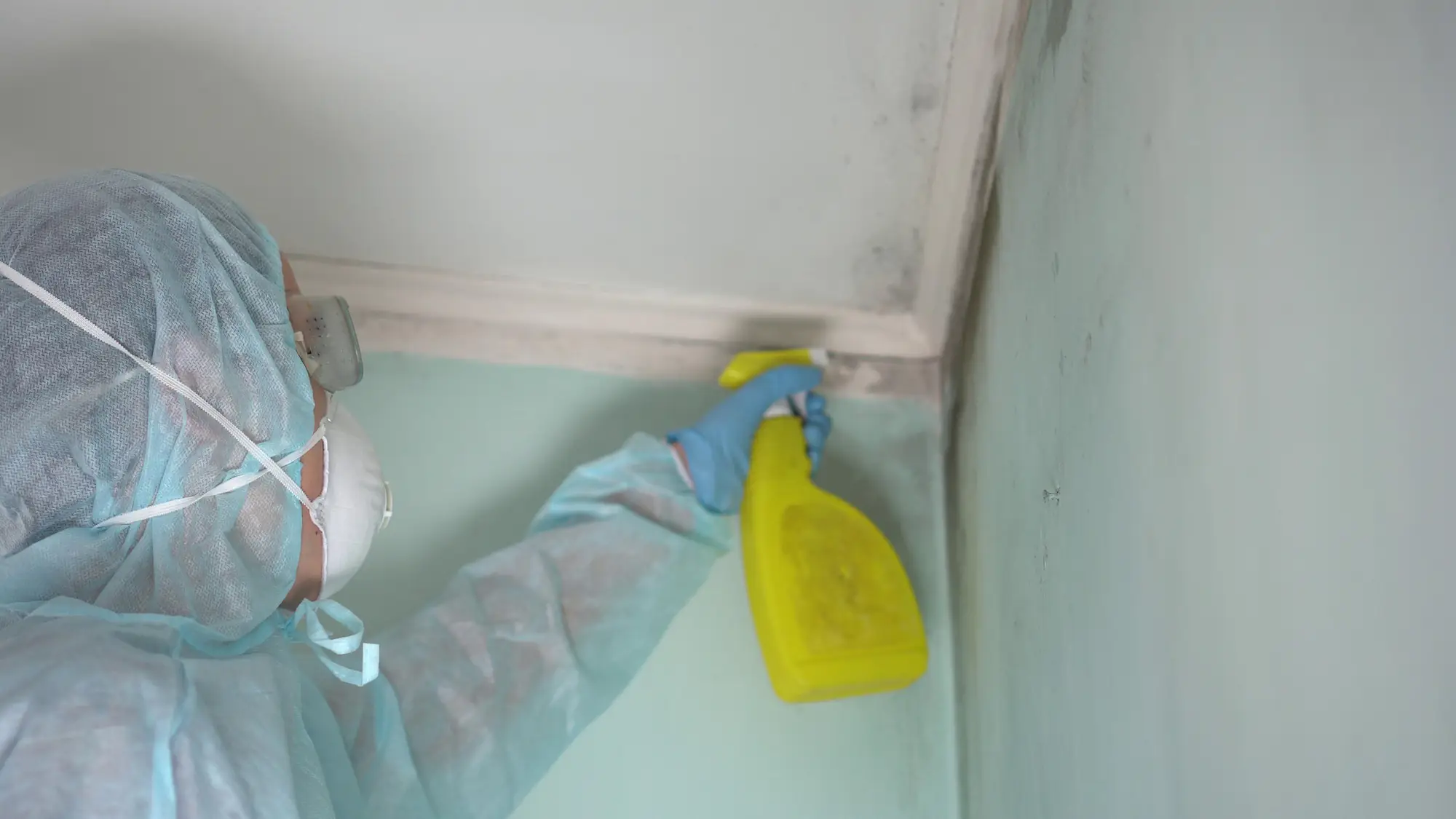
We’ll walk you through the results and explain what needs to happen. If it’s a small, contained issue, we can often handle remediation quickly. If it’s more extensive, we’ll map out a plan that addresses the source of moisture, removes contaminated materials, and prevents future growth.
The key is addressing the underlying cause. Mold grows because moisture is present. Whether that’s a plumbing leak, poor ventilation, high humidity, or water intrusion, fixing the moisture problem is how you prevent mold from coming back. Our recommendations focus on long-term solutions, not just cleaning up what’s visible right now. That’s how you protect your home and your family’s health going forward.
If the home inspection flagged moisture issues, visible mold, musty odors, or water damage, absolutely get air quality testing before you close. You need to know what you’re buying into. Mold remediation can cost thousands, and some contamination isn’t obvious during a walkthrough.
Even if the inspection didn’t raise red flags, testing makes sense if the home has a basement, if it’s been vacant for a while, or if the seller disclosed previous water damage. Holly Hill’s humidity and older housing stock create conditions where mold problems are common. Buyers often discover issues after moving in, when it’s too late to negotiate repairs or walk away.
A mold air test gives you leverage. If testing reveals elevated spore counts or hidden contamination, you can ask the seller to remediate before closing, negotiate a lower price, or decide the home isn’t worth the risk. It’s a few hundred dollars that could save you from a major expense and health problems down the road.
For sellers, pre-listing air quality testing can actually help. If your home tests clean, that’s a selling point. If there’s an issue, you can address it before buyers find it and panic. Either way, you’re controlling the narrative instead of reacting to buyer concerns during negotiations.
Other Services we provide in Holly Hill