
Hear from Our Customers
You can’t see most of what’s floating around your home. Mold spores, allergens, chemical off-gassing, carbon monoxide—they don’t announce themselves until someone’s coughing, sneezing, or waking up with headaches.
A home air quality test tells you exactly what’s there. Not a guess. Not a hunch based on a musty smell. Actual data about what you’re breathing and where it’s coming from.
Once you know what’s wrong, you can fix it. That means fewer allergy flare-ups, better sleep, and peace of mind that your kids aren’t inhaling something harmful every time they play in the basement. Indoor air quality testing doesn’t just identify problems—it gives you a roadmap to solve them before they get worse or cost more to fix.
We’ve been testing air quality and inspecting for mold in Bucks County for over 20 years. We know how homes are built here, what goes wrong, and what actually works to fix it.
Greenbrook homes deal with the same issues we see across the county—aging housing stock, Pennsylvania’s humidity swings, and radon levels that put 40% of local homes above EPA action guidelines. We’ve tested hundreds of properties, and we know what to look for.
When you call us, you’re not getting a national franchise reading from a script. You’re getting someone who understands your home, your air, and what’s realistic to fix in this area.
First, we talk. You tell us what you’re noticing—smells, symptoms, concerns about mold or recent water damage. That helps us know where to focus.
Then we test. Depending on what you need, that might mean air sampling to catch airborne mold spores or allergens, surface testing if we see visible growth, or environmental testing for things like carbon monoxide and volatile organic compounds. We use professional equipment, not the stuff you’d buy at a hardware store.
After testing, we send samples to a lab and get you a detailed report. It’s not vague—it tells you what’s in your air, how much, and whether it’s a problem. Then we walk you through what it means and what to do next. If remediation is needed, we handle that too. If it’s something simple you can manage yourself, we’ll tell you that instead.
Ready to get started?
Residential air quality testing covers more than just mold. We’re looking at the full picture of what’s affecting your indoor air—allergens, pollutants, moisture levels, and any signs of contamination that could be making you or your family sick.
In Greenbrook and across Bucks County, we see recurring issues tied to Pennsylvania’s climate and older housing. Radon is a big one—it’s invisible, odorless, and present in a huge percentage of local homes. Mold is another. When basements stay damp or HVAC systems aren’t maintained, spores build up fast. Add in poor ventilation during winter when windows stay closed, and your indoor air can become two to five times more polluted than the air outside.
A mold air test is often part of the process, especially if you’ve had water damage, notice musty odors, or see discoloration on walls or ceilings. But we’re also checking for things you wouldn’t think to test for—chemical vapors from household products, carbon monoxide from faulty heating equipment, and particulate matter that triggers asthma or allergies. The goal is to give you a complete understanding of your air quality so nothing gets missed.
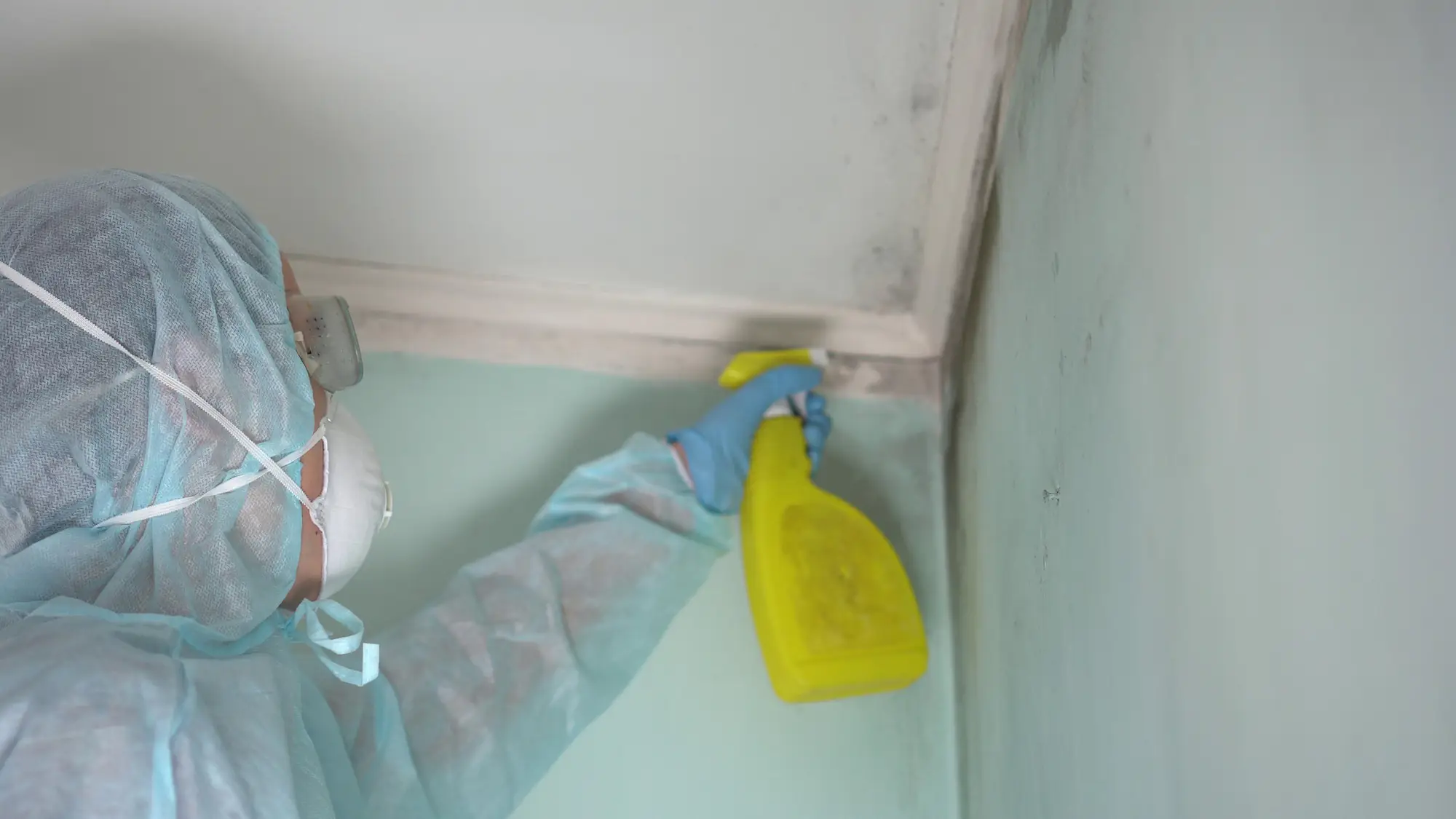
Most homeowners in Greenbrook and Bucks County spend between $290 and $585 for a standard indoor air quality assessment. The actual cost depends on what you’re testing for and how many areas of your home need to be sampled.
If you just need a basic mold air test in one or two rooms, you’re on the lower end. If you want comprehensive testing that includes radon, VOCs, allergens, and multiple air samples throughout the house, it costs more. We don’t upsell you on tests you don’t need—we base our recommendations on what you’re experiencing and what makes sense for your situation.
You’ll get a detailed report with lab results and a clear breakdown of findings. That’s not something you can get from a home test kit, and it’s worth the investment if you’re dealing with ongoing symptoms or planning to address a mold or air quality issue the right way.
If anyone in your house is coughing, sneezing, getting headaches, or feeling tired for no clear reason—especially if symptoms improve when you leave the house—that’s a red flag. Indoor air problems don’t always announce themselves with visible mold or obvious smells.
Other signs include musty odors, condensation on windows, water stains on ceilings or walls, or a recent flood or leak that wasn’t fully dried out. If your HVAC system hasn’t been serviced in years, that’s another reason to test. Ducts can circulate mold spores, dust, and allergens throughout your home without you realizing it.
Pennsylvania homes also deal with radon, which you can’t see or smell. If you’ve never tested for it and you’re in Bucks County, there’s a good chance your levels are elevated. The only way to know for sure is to test. Waiting until someone gets sick isn’t a strategy—it’s a gamble.
The on-site portion usually takes one to two hours, depending on the size of your home and how many areas we’re testing. We’re not rushing through it—we’re being thorough.
After we collect samples, they go to a lab for analysis. You’ll typically get results back within a few days to a week. Once we have the report, we’ll walk you through it and explain what everything means in plain language.
If you need faster results because you’re dealing with a health issue or a real estate transaction, let us know upfront. We can often expedite lab processing. The key is that you’re getting accurate, reliable data—not a rushed guess that leaves you wondering if the problem is really solved.
You can buy DIY test kits, but they’re limited. Most only test for one or two things—like mold or radon—and the accuracy varies. You’re also interpreting the results yourself, which means you might miss something or overreact to something that’s not actually a problem.
Professional air quality testing uses calibrated equipment and lab analysis. We’re sampling air in multiple locations, checking for a wider range of contaminants, and giving you a report that’s detailed enough to guide real decisions. If remediation is needed, you’ll know exactly what to address and why.
Homeowners sometimes spend hundreds on air purifiers or DIY fixes that don’t solve the root problem. If your symptoms keep coming back or you’re not sure what’s causing them, professional testing saves you time and money in the long run. You’re paying for clarity and a real solution, not just a product off the shelf.
We test for mold spores, allergens like dust mites and pollen, volatile organic compounds from paints and cleaners, carbon monoxide, radon, and particulate matter that affects breathing. The exact scope depends on what you’re concerned about and what we observe during the inspection.
Mold is one of the most common issues in Bucks County homes, especially in basements and areas with past water damage. But air quality problems aren’t always mold-related. Radon is a serious concern in Pennsylvania—it’s a radioactive gas that seeps up from the ground and accumulates indoors. You can’t detect it without testing, and long-term exposure increases cancer risk.
Chemical off-gassing is another issue people don’t think about. New furniture, carpets, and household products release VOCs that build up in poorly ventilated spaces. If your home feels stuffy or you’re getting headaches indoors, that could be why. Testing identifies what’s actually there so you’re not guessing or treating the wrong problem.
Yes. A mold air test measures the concentration of mold spores in your indoor air and compares it to outdoor levels. If your indoor counts are significantly higher, that tells us you have a mold problem that needs attention.
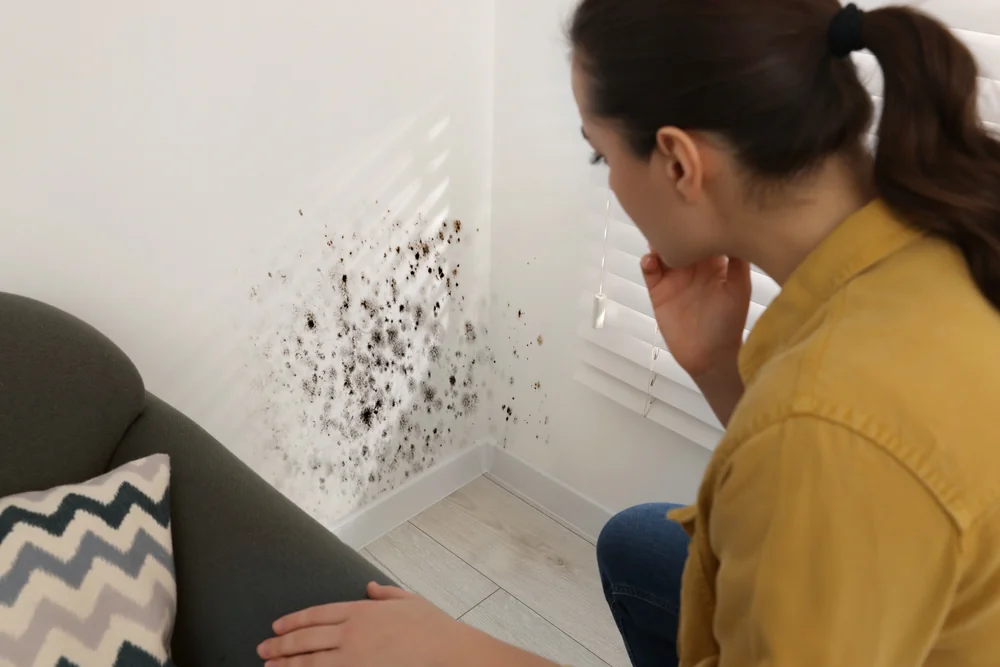
We also do visual inspections and surface testing if we see signs of growth—discoloration, water stains, or areas that feel damp. Air sampling catches mold you can’t see, which is important because hidden mold in walls, crawl spaces, or HVAC systems can still affect your health.
If we find mold, we don’t just hand you a report and walk away. We explain where it’s coming from, what’s feeding it (usually moisture), and what needs to happen to get rid of it and keep it from coming back. Mold remediation is more than wiping down surfaces—it’s about fixing the underlying problem so you’re not dealing with the same issue six months later.
Other Services we provide in Greenbrook