
Hear from Our Customers

You’re spending 90% of your time indoors. If something’s off—persistent coughing, headaches that won’t quit, that musty smell you can’t pin down—you need answers, not more worry.
A home air quality test gives you data. Real numbers. Exact contaminants. We’re talking mold spores, radon levels, allergens, and pollutants that build up inside your home and make indoor air two to five times worse than what’s outside.
Once you know what’s there, you can fix it. No more wondering if it’s in your head. No more treating symptoms while the cause keeps spreading. You get a clear path forward—whether that means mold removal, better ventilation, or just peace of mind that your air is clean.
We serve homeowners throughout Goldenridge, PA and the surrounding Bucks County area. We’ve built our reputation on careful environmental evaluations paired with clear explanations—no jargon, no upselling, just honest assessments.
Goldenridge homes face the same indoor air quality challenges as the rest of Pennsylvania—40% of homes in the state show radon levels above EPA action guidelines. Add in the moisture issues common to this region, and you’ve got conditions where mold thrives.
We use the same advanced testing methods whether we’re checking a basement in Goldenridge or an attic across the county. You get the same thorough inspection, the same detailed report, and the same straightforward conversation about what comes next.

First, we walk through your home and talk about what you’re noticing—symptoms, smells, visible issues, or just a general sense that something’s wrong. This helps us know where to focus.
Then we collect samples. Air samples capture what’s floating around that you’re breathing in daily. Surface samples check for mold growth in specific spots. If radon is a concern, we set up monitoring equipment that measures levels over time since radon is colorless and odorless.
After collection, samples go to a lab for analysis. You get a detailed report that breaks down exactly what’s in your air, where the problems are, and how severe they are. We explain everything in plain language—what the numbers mean, what’s causing the issue, and what your options are for fixing it.
The whole process is straightforward. Most residential air quality testing takes a few hours for the inspection and sample collection, then a few days for lab results. You’re not left wondering what’s happening or what comes next.

Ready to get started?
Our indoor air quality test covers the contaminants that actually affect Goldenridge homes. Mold spores are a big one—we identify the type and concentration, which matters because some molds are worse than others. We also test for radon, which is critical in Pennsylvania where exposure increases lung cancer risk.
We check for allergens, VOCs (volatile organic compounds from household products), and other pollutants that accumulate indoors. Our equipment finds problems in hidden places—inside walls, under flooring, in ductwork—where you can’t see but where mold and contamination often start.
You receive a written report with lab results, clear explanations of what we found, and specific recommendations. If we find mold, we tell you the type, location, and severity. If radon levels are high, we explain what that means and what mitigation looks like. If your air is clean, we tell you that too.
The goal is to give you enough information to make a smart decision. Whether you need our mold removal services, duct cleaning, or just some ventilation improvements, you’ll know exactly what you’re dealing with.
Cost depends on what you’re testing for and how big your home is. A basic mold air test for a typical Goldenridge home usually runs a few hundred dollars. If you want comprehensive testing that includes radon, VOCs, and multiple sample locations, expect to pay more.
Here’s why it’s worth it: finding mold early saves you thousands in remediation costs. A small mold problem caught now might cost $500 to fix. Wait until it spreads through your HVAC system or into multiple rooms, and you’re looking at $5,000 or more.
We give you an upfront price before we start. No surprises, no hidden fees. You decide what level of testing makes sense for your situation and budget.
Persistent health symptoms are the biggest red flag. If you or your family are dealing with coughing, sneezing, headaches, dizziness, or fatigue that gets better when you leave the house, your indoor air quality might be the culprit.
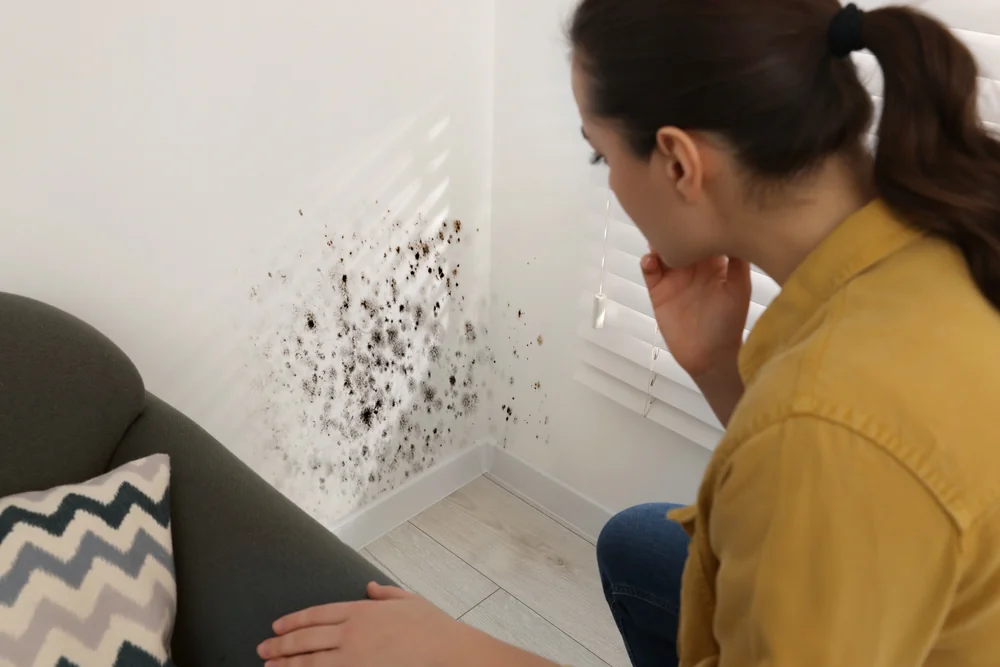
Musty odors are another clear sign, especially in basements, bathrooms, or areas with past water damage. Visible mold growth—even small spots—means there’s likely more you can’t see. If you’ve had flooding, leaks, or moisture problems, testing shows whether mold took hold.
Some situations call for testing even without obvious symptoms. Buying a home in Goldenridge? Test before you close. Selling a property? Testing gives buyers confidence. Have young kids, elderly family members, or anyone with asthma? Testing protects the most vulnerable people in your home.
The inspection and sample collection usually take two to four hours depending on your home’s size and how many areas we’re testing. We’re thorough, but we’re not wasting your time.
Lab analysis takes three to five business days in most cases. Radon testing takes longer—typically 48 to 96 hours of continuous monitoring to get accurate readings since radon levels fluctuate.
You’ll have results and a full report within a week for most residential air quality testing. If you’re dealing with an urgent situation—severe symptoms, active water damage, or a real estate transaction deadline—let us know. We can often expedite lab processing.
DIY test kits exist, but they have serious limitations. Home test kits for mold often give false positives or miss problems entirely because you’re guessing where to sample. Radon test kits are more reliable, but you still need to follow exact protocols or the results are meaningless.
Professional air quality testing uses calibrated equipment and proper sampling techniques. We know where mold hides in Goldenridge homes—behind walls near plumbing, in crawl spaces with poor ventilation, in attics with roof leaks. We’re not guessing.
Lab analysis is another advantage. Professional samples go to certified labs that identify specific mold species and measure exact concentrations. That matters for health risk assessment and remediation planning. A DIY kit can’t tell you if you’re dealing with Stachybotrys (black mold) or harmless surface mold.
If you’re trying to save money, DIY radon testing is reasonable as a first step. But for mold, allergens, or comprehensive indoor air quality assessment, professional testing gives you information you can actually use.
First, don’t panic. Finding mold is common, and catching it through testing means you’re addressing it before it becomes a major problem.
We explain exactly what we found—the type of mold, where it’s growing, and how extensive the contamination is. Some molds are worse than others. Some situations need immediate remediation, others can wait while you plan and budget.
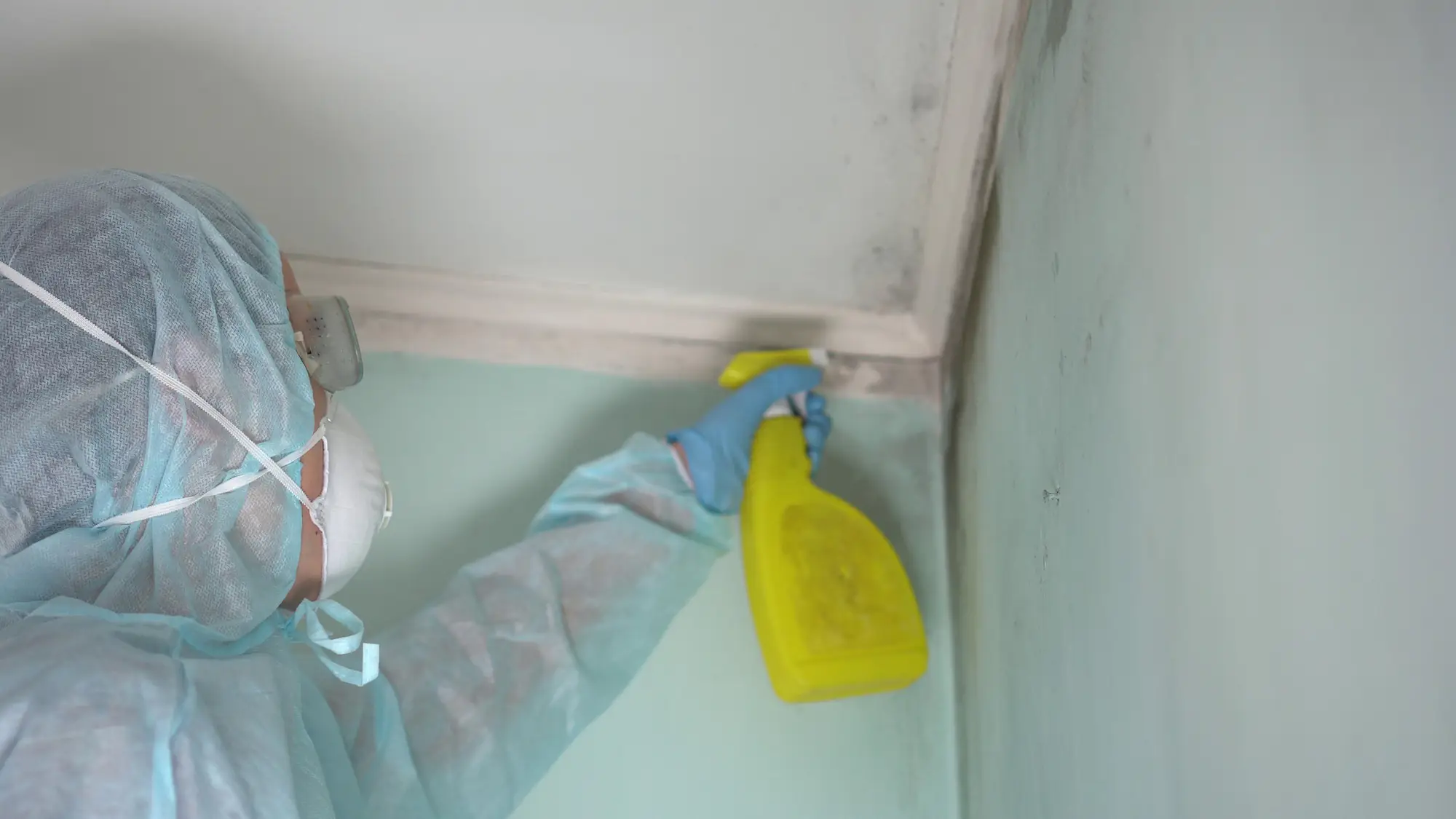
You get clear options. Small, contained mold growth might be something you can handle yourself with proper safety equipment. Larger infestations or toxic mold species need professional mold removal services. We walk you through what each option looks like, what it costs, and what happens if you wait.
Our job is to give you information, not scare you into unnecessary services. If remediation makes sense and you want us to handle it, we can start right away. If you want to get other quotes or think about your options, that’s fine too. The testing results are yours—use them however you need to.
Yes, and you should ask for it. Forty percent of Pennsylvania homes have radon levels above EPA action guidelines. Radon is a radioactive gas that seeps up from soil and gets trapped in your home. You can’t see it, smell it, or taste it, but long-term exposure increases lung cancer risk significantly.
Goldenridge sits in an area where radon is common. Testing is the only way to know if your home has elevated levels. We place monitoring equipment in your lowest lived-in level—usually the basement—and measure radon concentration over several days.
If levels come back high, radon mitigation systems are effective and relatively affordable. A typical system costs a few thousand dollars to install and drops radon to safe levels permanently. Compare that to the health risk of doing nothing, and testing makes sense for every Goldenridge homeowner.
Other Services we provide in Goldenridge