
Hear from Our Customers
You shouldn’t have to leave your house to breathe easier. If allergies flare up indoors, if someone’s always congested, or if there’s a smell you can’t pin down—your air quality is trying to tell you something.
A home air quality test gives you actual data. Not assumptions. You’ll know if mold spores are circulating, if humidity levels are feeding growth in hidden spaces, or if dust mites and allergens are concentrated in areas you can’t see. That clarity changes everything.
Once you know what’s in your air, you can address it. No more throwing money at air purifiers that don’t solve the root issue. No more wondering if the problem is in your head. Just a clear path to cleaner air and fewer symptoms.
We’ve been testing and treating indoor air quality issues across Bucks County for years. We know how Furlong homes respond to humidity swings, how older construction traps moisture, and where mold hides when you’ve got a finished basement or crawl space that stays damp.
Our team uses certified testing methods and equipment that actually measures what’s happening in your air—not just what’s visible on a wall. We’re local, we’re direct, and we don’t upsell services you don’t need.
If testing shows a problem, we’ll tell you exactly what it is and what it takes to fix it. If your air checks out fine, we’ll tell you that too.

First, we walk through your home and talk about what you’re noticing—symptoms, smells, visible moisture, whatever’s going on. That conversation matters because it tells us where to focus.
Next, we collect air samples from multiple areas. These samples get analyzed in a lab to measure mold spore counts, allergen levels, and other airborne contaminants. We also check humidity levels and inspect areas where moisture tends to accumulate—basements, crawl spaces, attics, around windows and HVAC systems.
You’ll get a detailed report that breaks down what we found, what the numbers mean, and whether action is needed. If there’s mold growth or elevated spore levels, we’ll explain where it’s coming from and what needs to happen to eliminate it. If your air quality is fine, you’ll have documentation proving it—helpful if you’re buying, selling, or just want peace of mind.
The whole process typically takes a few hours onsite, and you’ll have results within a few days.
Ready to get started?
Every residential air quality testing appointment includes a visual inspection, air sampling from key areas of your home, humidity and moisture readings, and lab analysis of collected samples. You’re not paying for a quick look around—you’re getting measurable data.
Furlong’s climate creates specific challenges. Humid summers and temperature swings mean basements stay damp, condensation builds up, and mold finds places to grow even in well-maintained homes. Older homes in the area—especially those with stone foundations or limited ventilation—are even more vulnerable.
Our testing accounts for those local conditions. We know where to look in Bucks County homes, and we know what levels of mold spores are normal versus concerning for this region. That local knowledge makes the difference between a generic test and one that actually tells you something useful.
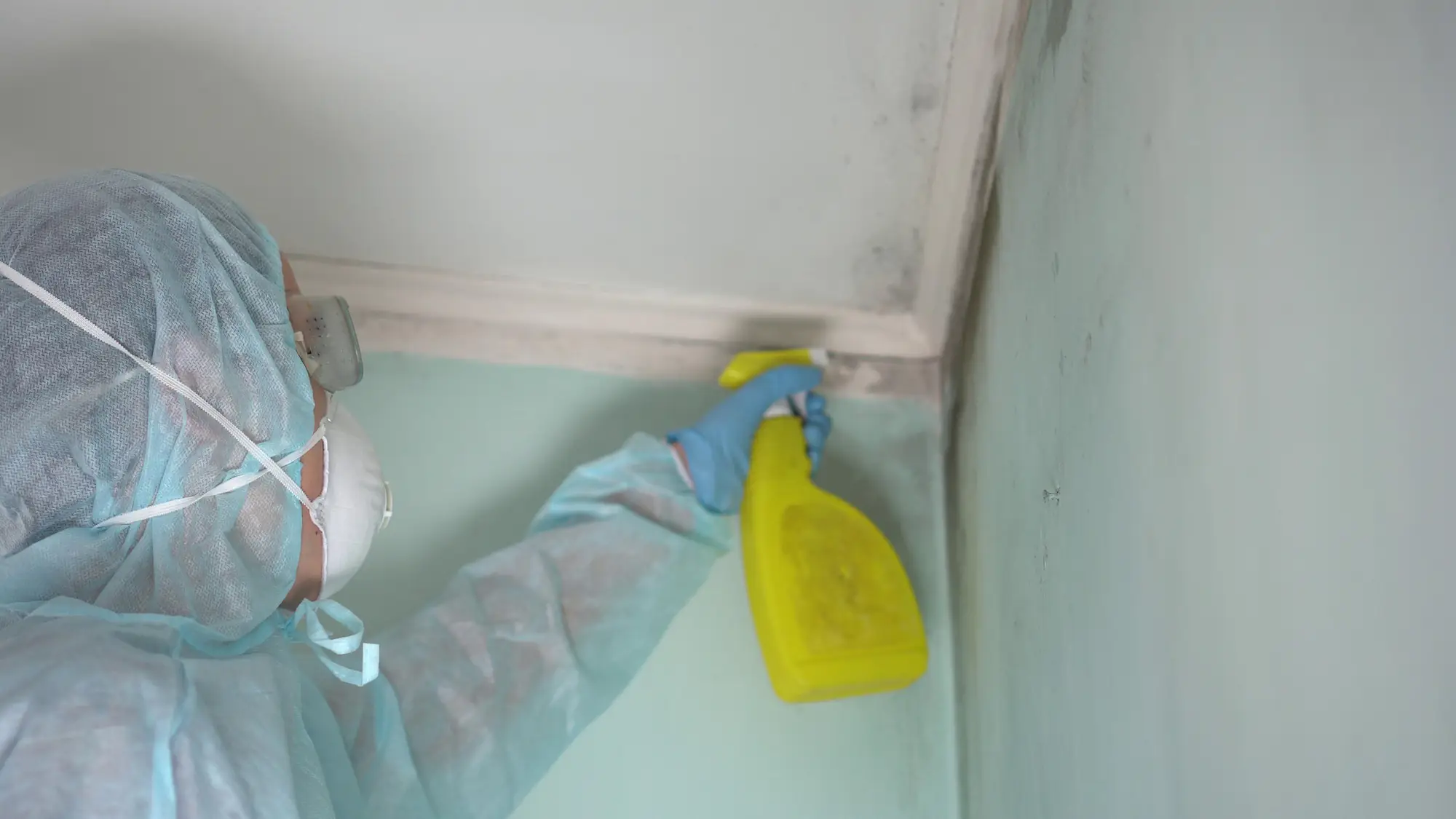
After testing, you’ll receive a written report with lab results, photos from the inspection, and clear recommendations. If remediation is needed, we handle that too—but the testing stands alone. You’re never obligated to use us for the fix.
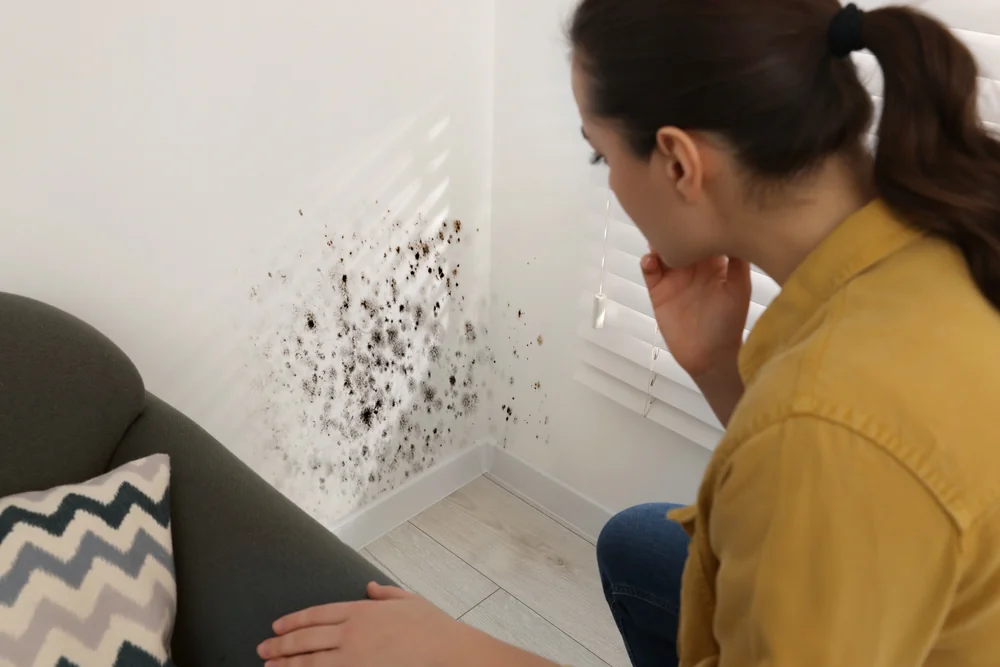
If you’re experiencing allergy symptoms that get worse indoors, persistent coughing or sinus issues, unexplained fatigue when you’re home, or musty odors you can’t locate—those are all signs your air quality might be compromised. Visible mold is an obvious trigger, but you don’t need to see mold to have a problem.
Homes with previous water damage, high humidity, poor ventilation, or finished basements are at higher risk. If you’ve had a leak, flooding, or even just chronic condensation on windows, mold spores can become airborne and affect your health without visible growth.
Testing removes the guesswork. It tells you whether your symptoms are related to your indoor environment or something else entirely. And if you’re buying or selling a home in Furlong, an air quality test provides documentation that protects everyone involved.
A visual inspection looks for visible mold growth, water damage, and conditions that support mold. It’s useful, but it only catches what’s on the surface. Air testing measures what’s actually floating in your air—mold spores, allergens, and other contaminants you’re breathing every day.
You can have elevated mold spore levels without visible growth. Mold can be growing inside walls, under flooring, in HVAC ducts, or in crawl spaces you never see. Air sampling picks up those hidden problems because spores circulate through your home even when the source is out of sight.
The most thorough approach combines both. We inspect visually to identify problem areas and moisture sources, then we test the air to measure contamination levels and confirm whether remediation is necessary. That combination gives you the full picture.
The onsite portion usually takes two to three hours depending on the size of your home and the number of areas we’re testing. We’ll collect air samples, check moisture levels, inspect common problem areas, and document anything that looks concerning.
Samples go to a certified lab for analysis. You’ll typically have results within three to five business days. The report includes spore counts, types of mold identified (if present), comparison to outdoor baseline levels, and our assessment of whether the levels are normal or require action.
If we find something that needs immediate attention—like active water intrusion or extensive visible growth—we’ll let you know right away. But the detailed lab results take a few days to process. Once you have the report, we’ll walk you through it and answer any questions. No confusing jargon, just clear explanations of what the numbers mean for your home and your health.
Air testing tells you whether mold spores are present in your air and at what concentration. It confirms whether you have a mold problem, but it doesn’t pinpoint the exact location. That’s where the visual inspection and moisture mapping come in.
During the inspection, we look for signs of water damage, check humidity levels in different areas, and use moisture meters to detect hidden dampness in walls, ceilings, and floors. Those clues usually lead us to the source. High moisture plus elevated spore counts in a specific area tells us where to focus.
In some cases, if air testing shows high spore levels but we can’t locate visible growth, we may recommend additional invasive inspection—like opening up a wall or checking inside ductwork. But most of the time, combining air sampling with a thorough visual inspection gives us enough information to identify where mold is growing and what’s feeding it.
Cost depends on the size of your home and how many samples you need. A basic residential air quality test with a few sample locations typically runs a few hundred dollars. Larger homes or more comprehensive testing with additional sample points will cost more.
We provide upfront pricing before we start. No surprises, no hidden fees. You’ll know exactly what you’re paying for and what’s included—inspection time, number of air samples, lab analysis, and a detailed report with recommendations.
Some homeowners try to save money with DIY test kits, but those often give unreliable results or don’t include professional interpretation. You end up with numbers you don’t understand and no clear next step. Professional testing costs more upfront, but it gives you accurate data and a real plan. If you’re dealing with health symptoms or trying to protect your property value, that accuracy is worth it.
Absolutely. For buyers, an air quality test protects you from inheriting a hidden mold problem that could cost thousands to remediate. Sellers can use testing to document that their home’s air quality is good—which removes buyer concerns and can speed up the sale.
If a home inspection flags potential moisture issues or if there’s any history of water damage, air quality testing provides objective data. It either confirms there’s a problem that needs addressing or proves the air is clean despite past issues.
In Furlong’s real estate market, where many homes are older and basements are common, air quality testing is becoming a standard part of due diligence. It’s a relatively small investment that can prevent major disputes during closing or give you leverage to negotiate repairs if contamination is found. Either way, you’re making decisions based on facts instead of assumptions.
Other Services we provide in Furlong