
Hear from Our Customers
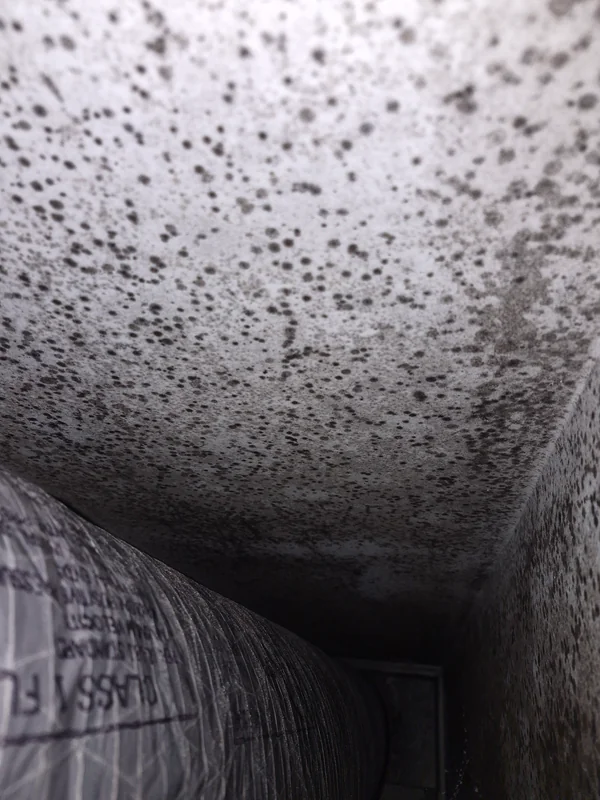
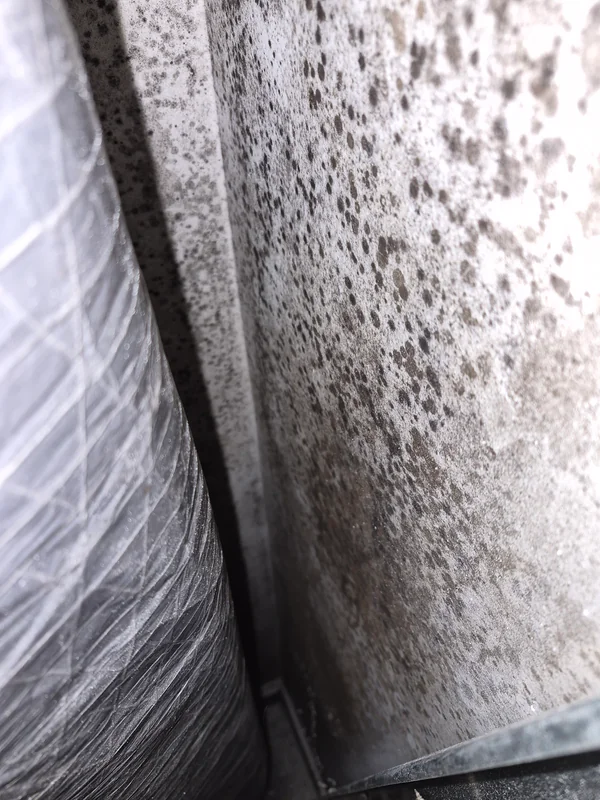
Most Wynnefield homeowners never think about their ductwork until something forces the issue a persistent musty smell when the heat kicks on, a kid with unexplained respiratory symptoms, or a mold job that got done in the basement but left the HVAC system untouched.
The ductwork is the part of your home that connects every room, and if there’s contamination in it, every heating and cooling cycle is distributing that contamination everywhere.
Wynnefield’s housing stock is predominantly rowhomes and twins built between the 1930s and 1960s. That means most duct systems in this neighborhood are 60 to 80 years old, routed through tight interior spaces, and made from materials that trap moisture at every bend and joint. Add the fact that your eastern backyard is essentially West Fairmount Park and the Schuylkill River corridor a geography that creates measurably higher ambient humidity than inland neighborhoods and you have the exact conditions where mold establishes itself inside ductwork without anyone noticing.
After a professional air duct cleaning from Mack’s Mold Removal, the difference isn’t just cleaner air. It’s sleeping through the night without congestion, not dreading allergy season, and knowing the system circulating air to your kids’ rooms has actually been inspected by someone who understands mold not just someone with a vacuum and a low quote.
Mack’s Mold Removal & Inspections is based in Bensalem, PA, and serves Wynnefield and the surrounding Philadelphia County area along with Bucks, Montgomery, Delaware, and Chester Counties. This isn’t a general cleaning company that added duct work to its service list. Mold remediation is the core of what we do, and that expertise changes how we approach every duct cleaning job.
When a general HVAC technician cleans ducts, they’re looking for dust and debris. When a certified mold specialist does it, we’re looking for what’s actually growing in the dark, damp sections of your system that no filter ever reaches. In a neighborhood like Wynnefield, where homes along Wynnefield Avenue and the surrounding blocks were built generations ago, that distinction matters. Older ductwork has decades of accumulated conditions that a routine cleaning pass won’t address.
We offer free inspections and upfront pricing you know exactly what you’re looking at before any work begins. Flexible financing is available for families who need to address the problem now without waiting on the budget to line up perfectly.

It starts with a free inspection. A certified mold specialist from Mack’s Mold Removal comes to your Wynnefield home, walks the system, and assesses what’s actually there. In older rowhomes and twins, that means checking the duct runs through interior walls and tight spaces the sections that accumulate the most moisture and are the least accessible.
If there’s mold present, you’ll know before any work begins. If there isn’t, you’ll know that too.
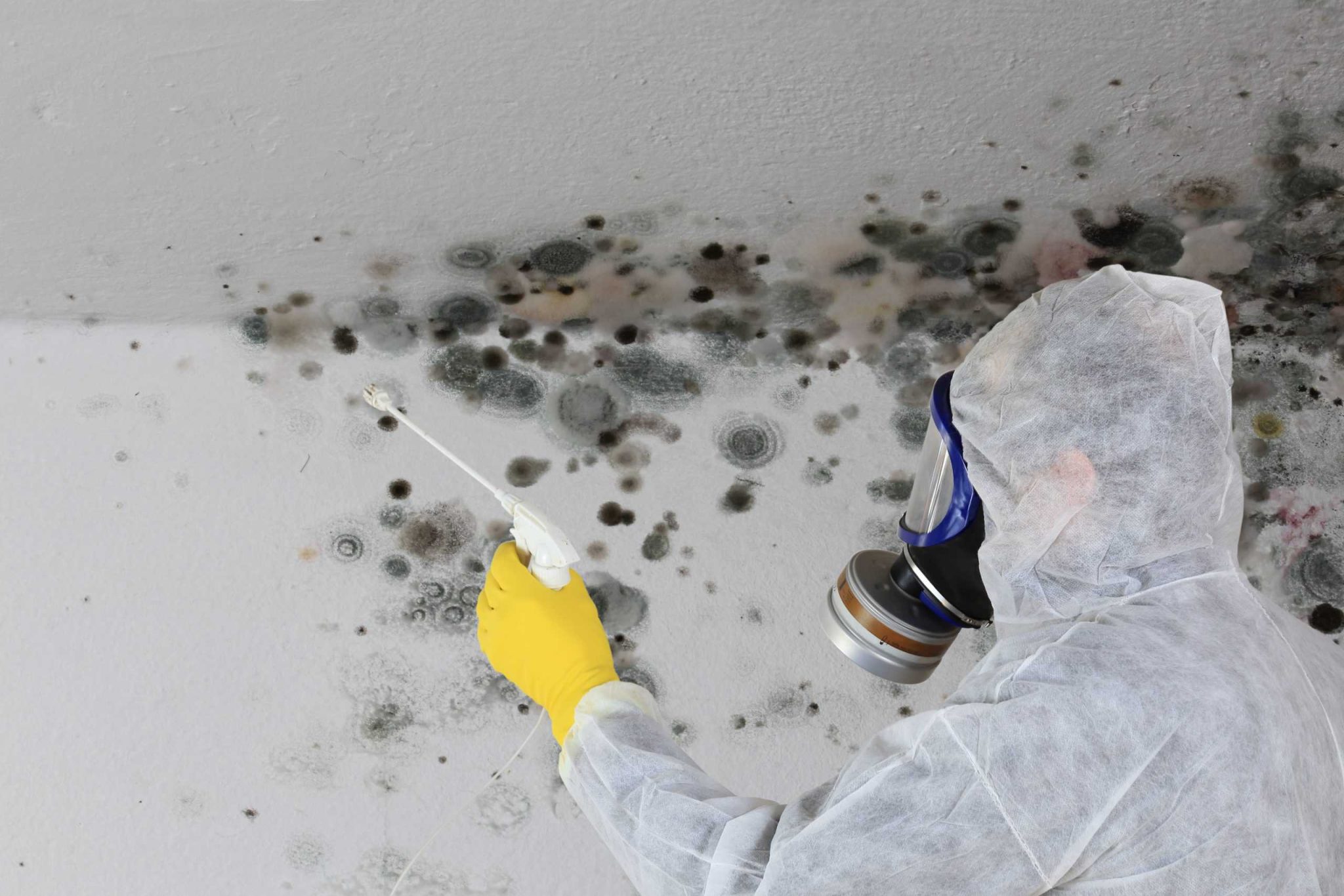
From there, the cleaning process uses professional-grade equipment negative air pressure systems and HEPA vacuums that physically remove contamination from the full duct system, both supply and return sides. This isn’t a one-vent pass. Proper air duct cleaning covers the entire system, and in Wynnefield’s attached homes where ductwork runs through shared wall spaces, that thoroughness matters.
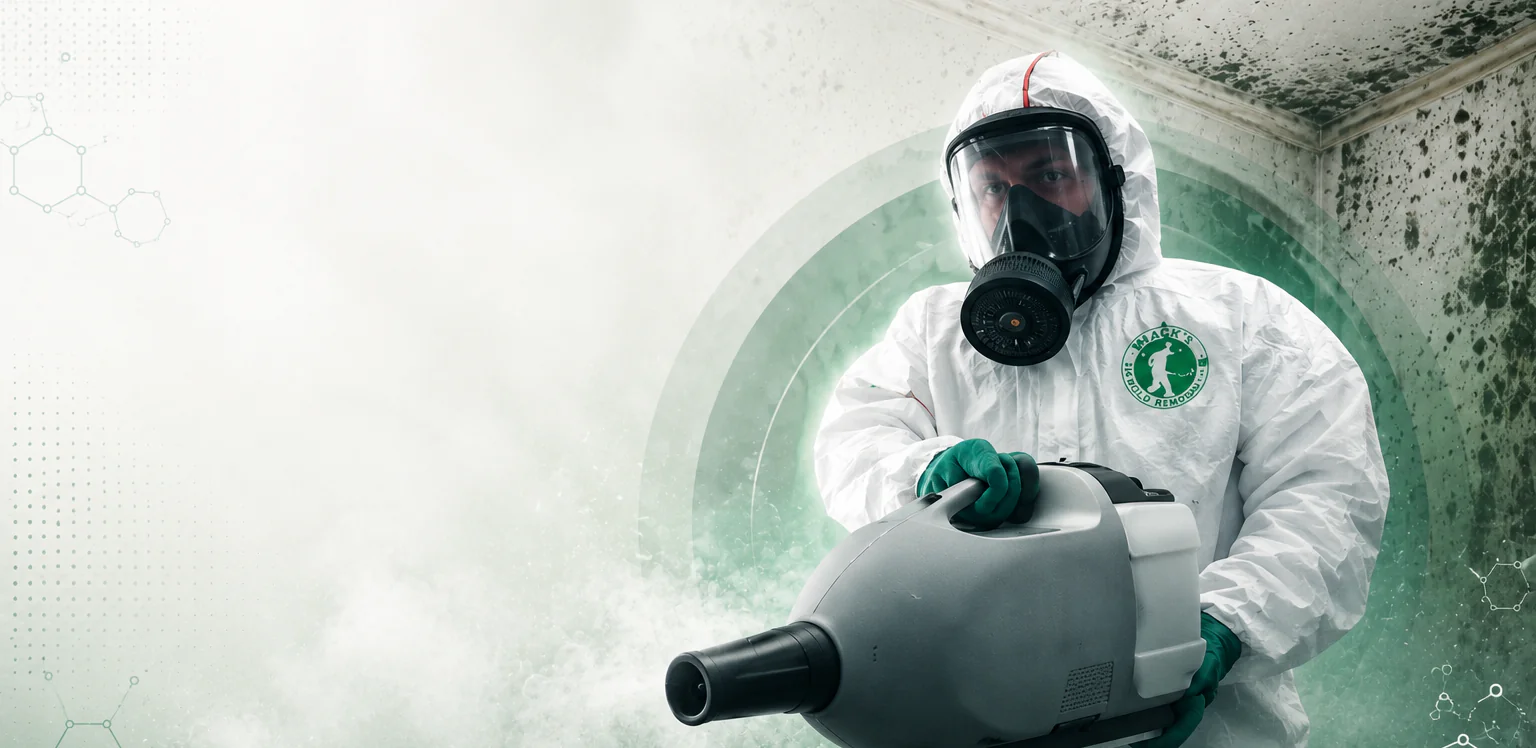
If mold is confirmed, containment protocols go in place before anything is disturbed, so spores aren’t redistributed to rooms that were previously unaffected.
After the cleaning is complete, we don’t just pack up and tell you it’s done. Affected areas are tested to confirm the mold is gone a post-cleaning verification step that most general duct cleaners skip entirely. You get documentation of what was found and confirmation that the work actually worked. If your situation involves a homeowner’s insurance claim, we work directly with your insurer so that process doesn’t fall on you to navigate alone.
Ready to get started?
Air duct cleaning addresses the physical debris, biological buildup, and mold contamination inside your HVAC ductwork. But for Wynnefield homes particularly the older attached construction where moisture has had decades to work its way into the system cleaning alone sometimes isn’t the complete answer.
Air duct sanitizing applies EPA-registered antimicrobial treatments to the interior duct surfaces after the mechanical cleaning is done, targeting the biological contamination that vacuuming can’t fully eliminate. Given the elevated humidity that comes with living adjacent to the Schuylkill River corridor and Fairmount Park, sanitizing after cleaning gives your system a protective layer that slows re-contamination between service visits.
Dryer vent cleaning is also part of what we handle, and in Wynnefield’s rowhomes it’s worth taking seriously. Many of these homes have dryer vents that run long horizontal distances through interior walls before exiting the building exactly the configuration where lint accumulates fastest and the fire risk is highest. The NFPA reports nearly 16,000 dryer-related house fires annually in the U.S., with failure to clean the vent as the leading cause.
Mold inspection and indoor air quality testing round out the full picture. If you’ve had any water intrusion, a basement moisture issue, or prior mold work done anywhere in your home, the ductwork is the system most likely to have been overlooked and the one that connects every room in the house.
The most common sign is a musty or stale smell that shows up specifically when your heating or cooling system turns on and then fades once the air settles. That pattern points to something in the ductwork itself, not just general household odor. You might also notice that allergy or respiratory symptoms seem worse at home than they do elsewhere, or that family members with asthma are having more frequent flare-ups without a clear explanation.
In Wynnefield’s older rowhomes and twins, the ductwork often runs through interior wall cavities that stay cooler and darker than the rest of the structure. Those conditions combined with the ambient humidity that comes from living near the Schuylkill River and Fairmount Park create exactly the environment where mold grows slowly and invisibly. A visual check at the register won’t tell you much; the contamination typically develops deep inside the system where no one looks.
The only reliable way to know is a professional inspection with mold testing. We offer free inspections, so you’re not paying to find out whether the problem is real before deciding whether to address it.
Yes, and this is one of the most important things to understand about HVAC-related mold. Your duct system is designed to move air to every room in the house. When mold is present in any section of that system, every time the heat or AC runs, it’s distributing spores throughout the entire home including rooms that look and smell completely fine. By the time you notice a problem in a specific room, the ductwork has often been seeding it for months.
This is especially relevant in Wynnefield’s rowhomes, where the HVAC system may be the only mechanical system moving air through the full structure. There’s no cross-ventilation the way you’d get in a detached home with windows on multiple sides. The duct system does the work, which means contamination in the ducts reaches everywhere the system reaches.
If you’ve had mold remediated in your basement or walls which is common in older Philadelphia attached homes that have dealt with moisture intrusion and the ductwork wasn’t inspected as part of that job, there’s a real possibility the system has been recontaminating the remediated areas ever since. A post-remediation duct inspection is the step that closes that loop.
The general industry guidance is every three to five years under normal conditions, but “normal conditions” is doing a lot of work in that sentence. For Wynnefield homes built in the 1930s through 1960s, normal conditions include ductwork that may have never been professionally cleaned, materials that are more prone to moisture retention than modern flex duct, and routing through tight interior spaces where debris packs in over time.
If you’ve recently purchased an older home in Wynnefield and don’t have documentation of prior duct cleaning, treating it as overdue is a reasonable starting point.
Beyond the age of the home, certain situations push the timeline up regardless of when the last cleaning happened: any confirmed or suspected mold anywhere in the home, water intrusion or a plumbing leak, renovation work that generated significant dust, or worsening allergy and respiratory symptoms without another clear cause. Philadelphia’s humid summers and the moisture environment near the Schuylkill corridor also mean that biological growth in ductwork can develop faster here than in drier climates. If you’re uncertain where your system stands, a free inspection gives you a clear picture without committing to anything.
This is one of the most common situations we see, and the short answer is: the duct inspection is the step most people skip and then regret. When mold remediation is done on walls, floors, or basement areas, the focus is on the visible and accessible contamination. The HVAC ductwork which runs through or adjacent to those same areas is frequently not included in the scope of the remediation job unless someone specifically asks for it.
Here’s the problem with skipping it: if mold was present in your basement or walls, and your duct system runs through or near those areas, there’s a meaningful chance the ductwork was exposed to the same moisture conditions that caused the mold to grow in the first place. Every time the system runs after remediation, it pulls air through those same sections of duct. If there’s contamination in there, it undoes the remediation work gradually.
In Wynnefield’s older attached homes, where basement moisture and aging infrastructure go together, a post-remediation duct inspection is standard practice rather than optional follow-up.
Air duct cleaning is the mechanical process using professional equipment to physically remove dust, debris, biological buildup, and mold growth from inside the duct system. It’s the core service, and it’s what addresses the visible and physical contamination. Air duct sanitizing is a separate step that comes after cleaning: an EPA-registered antimicrobial treatment is applied to the interior duct surfaces to kill remaining biological contaminants that mechanical cleaning alone can’t fully eliminate.
Whether you need both depends on what’s in your system. If the inspection finds significant mold growth or biological contamination, sanitizing after cleaning is the more complete approach especially in an environment like Wynnefield, where the combination of older ductwork and elevated ambient humidity from the Fairmount Park and Schuylkill River corridor creates ongoing pressure for biological growth. Cleaning removes what’s there now; sanitizing slows what comes back.
For a home that’s had mold issues, or one where the ductwork is aging and the moisture environment is persistently elevated, doing both makes practical sense. If the inspection reveals only dust and debris with no biological contamination, cleaning alone may be sufficient and we’ll tell you that honestly rather than recommend more than the situation calls for.
Yes, we provide dryer vent cleaning throughout Wynnefield and the surrounding Philadelphia County area. The clearest signs that your dryer vent needs attention are a dryer that takes longer than one cycle to fully dry a load, a dryer that feels unusually hot to the touch during operation, or a laundry room that feels warmer and more humid than it should while the dryer is running. Any of those points to restricted airflow in the vent.
In Wynnefield’s rowhomes, dryer vents frequently run long horizontal distances through interior walls before they can exit the building a layout that’s common in attached Philadelphia construction and one that accelerates lint accumulation compared to a short, straight exterior vent run. The longer and more complex the vent path, the faster it restricts, and the higher the fire risk when it does.
For a home where the vent has never been professionally cleaned or where it’s been several years since the last service, scheduling a cleaning is a straightforward way to remove a fire risk. We can assess your system during a free inspection and let you know what you’re working with.
Other Services we provide in Wynnefield