
Hear from Our Customers
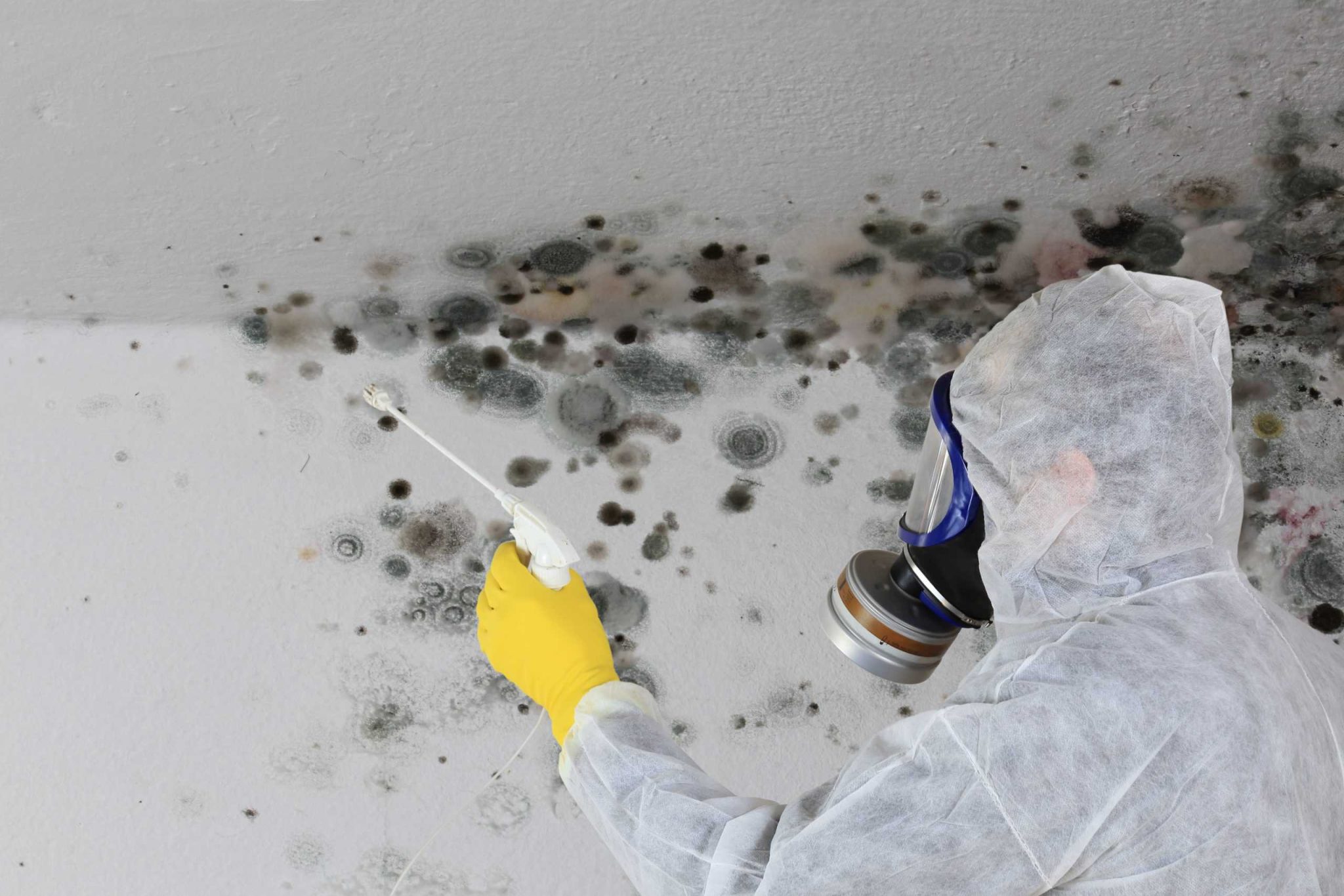
If you’ve been noticing a musty smell every time the heat or AC kicks on, or your allergies have been worse inside than out, the issue probably isn’t your home it’s what’s moving through it. When mold gets into your ductwork, your HVAC system stops being a comfort system and starts being a distribution system. Every cycle pushes contaminated air into every room, every day.
For Wycombe homeowners, this is a more serious problem than it sounds. Many of the homes in this area particularly those built between the 1940s and 1960s have ductwork that’s never been professionally inspected, let alone cleaned by someone who understands mold. That’s just the reality of older homes in Wrightstown and Buckingham Townships. The duct systems were built to last, and they did but decades of use in a climate that sees rain on 156 days a year and peak humidity hitting 78% in both February and October means the inside of those ducts has been under sustained moisture pressure for a very long time.
Once the contamination is cleared and verified not just cleaned and closed up you get your home back. The smell is gone. The air feels different. And if you have kids or anyone with respiratory sensitivities in the house, that difference is something you notice immediately.
We’ve been serving Bucks County for over 15 years, which means we’ve been inside a lot of homes in Wrightstown Township, Buckingham Township, and the surrounding communities the mid-century colonials, the newer construction on larger lots, the homes that have been in families for decades. We know what the ductwork in Wycombe looks like, and we know what happens to it when Bucks County summers do their thing.
We’re not a franchise. There’s no call center routing your job to whoever is available. When you reach out, you’re talking to the people who will actually do the work. We use certified mold inspectors, send samples to a lab when there’s something to confirm, and we test after the job is done not just to tell you it’s finished, but to prove it. That post-job verification step is something most companies skip entirely. We don’t, because we know it’s the part that actually matters to you.
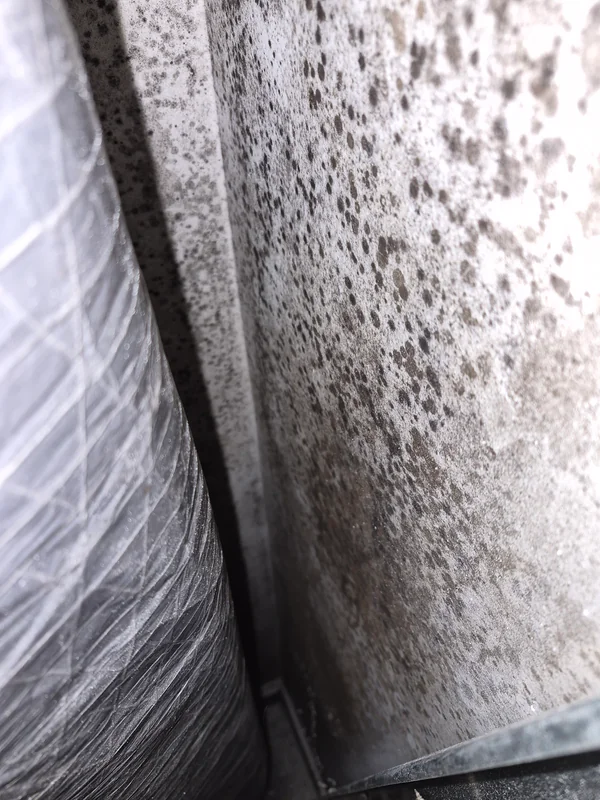
It starts with a free inspection. Before anything is quoted or scheduled, we take a look at your system the ductwork, the HVAC unit, the registers and give you an honest read on what’s there. If there’s mold, we’ll tell you where it is, how extensive it looks, and what addressing it actually involves. You get upfront pricing before any work begins, and that number doesn’t change once we’re inside.
If mold is confirmed, we don’t just run a vacuum through the ducts and call it a day. We contain the affected area to prevent spores from spreading to other parts of your home during the cleaning process something a general HVAC cleaner typically doesn’t do, and something that matters a lot in a larger home. Wycombe’s housing stock runs large: four, five, and six-bedroom homes with extensive duct systems that cover a lot of square footage. Disturbing mold in a large duct network without proper containment can make the problem worse, not better.
After the cleaning and any necessary remediation, we test the area again. Lab samples go out, results come back, and you have documented confirmation that the mold is gone not just our word for it. If your situation involves an insurance claim, we work directly with your insurer so that piece doesn’t fall on you.

Ready to get started?
Air duct cleaning is the core of what we do on these jobs, but it’s rarely the only thing that needs attention. In Wycombe’s older homes particularly those built in the mid-20th century the dryer vent is often an afterthought that hasn’t been serviced in years. Longer vent runs, which are common in larger single-family homes, accumulate lint faster and are harder to clear on your own. The NFPA tracks roughly 15,970 dryer-related house fires every year in the U.S., and failure to clean the vent is the leading cause. It’s a straightforward service that takes a fraction of the time and removes a real risk.
We also offer air duct sanitizing as a separate step from mechanical cleaning. Cleaning removes the physical debris the dust, the buildup, the visible contamination. Sanitizing applies an antimicrobial treatment to the duct surfaces after cleaning to address biological residue that the vacuum doesn’t fully eliminate. When mold is the reason you’re calling, sanitizing isn’t optional it’s the step that completes the job. Skipping it is like mopping a floor but leaving the bacteria behind.
For homes in Wycombe with confirmed or suspected mold in the HVAC system, we approach the job as a mold remediation first and a duct cleaning second. That distinction in how we think about the work is what separates a real fix from a temporary one. Financing is available if the scope of the job is larger than expected we’d rather you get the full job done right than cut corners because of cost.
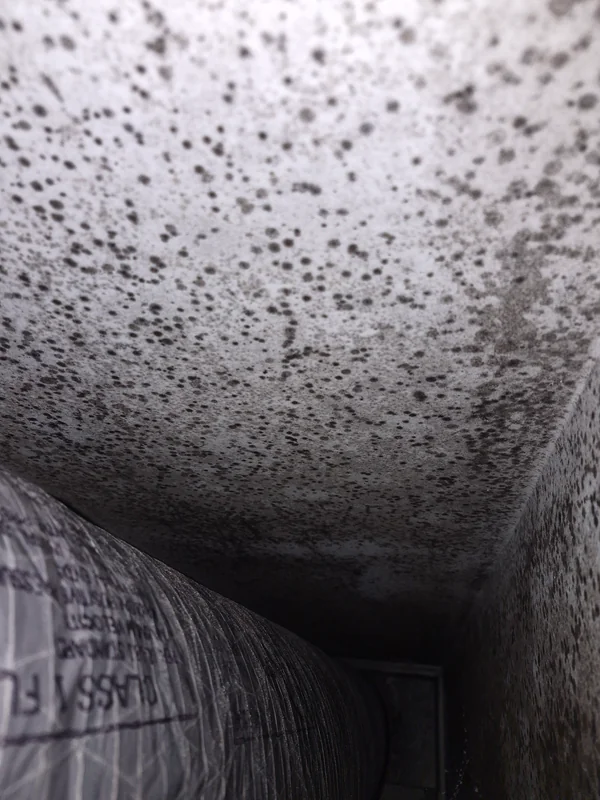
The most common sign is a musty or stale smell that appears specifically when your HVAC system turns on not a general house smell, but one that’s clearly tied to airflow. You might also notice worsening allergy or asthma symptoms that are worse indoors than outside, or visible discoloration around the supply registers on your walls or ceilings. Those dark rings around vent covers are often the first visible clue.
In Wycombe specifically, the combination of older housing stock and sustained year-round humidity creates conditions where mold can establish itself inside ductwork without any single dramatic event no flood, no burst pipe. It’s often just the accumulation of moisture over time in a system that’s never been inspected. The only way to know for certain is a proper inspection. We offer free inspections, so there’s no cost to finding out what’s actually in your system before you commit to anything.
That’s a fair question, and the honest answer is: it depends on why you’re asking. The EPA’s position is nuanced they don’t recommend routine duct cleaning as a blanket practice for every home. But they do explicitly recommend it when mold is confirmed in the system, when there’s been a pest or rodent infestation in the ductwork, or when debris is visibly clogging the registers and reducing airflow.
For Wycombe homeowners with older homes that have never had their ducts professionally serviced, or for anyone who’s noticed the signs of mold the musty smell, the respiratory symptoms, the discoloration near vents this falls squarely into the “worth it” category. The cost of not addressing confirmed mold in an HVAC system is another full remediation job down the road, potential structural damage, and ongoing health exposure for everyone in the house. A home worth $550,000 or more deserves to be maintained at that level.
Cleaning and sanitizing are two different steps that work together, but they’re not the same thing. Cleaning is the mechanical process using negative air pressure equipment and HEPA-filtered vacuums to physically remove dust, debris, and biological buildup from inside the duct system. It’s the heavy lifting part of the job.
Sanitizing comes after. It involves applying an antimicrobial treatment to the interior duct surfaces to kill any remaining biological contamination that the cleaning process dislodged or left behind. If your reason for calling is mold which is the case for a significant portion of the homes we service in Bucks County then sanitizing is not an add-on you can skip. Cleaning alone removes the visible material, but mold can leave behind spores and residue on duct surfaces that will continue to affect your air quality if they’re not treated. For Wycombe homes where mold has had years or decades to establish itself in older ductwork, doing both steps is how you actually solve the problem rather than postpone it.
For a typical home, a thorough professional air duct cleaning takes somewhere between four and six hours. That’s the industry standard for a job done properly covering both supply and return ducts, the air handler, and the registers throughout the house.
Wycombe’s housing stock skews large. The area has a higher proportion of four, five, and six-bedroom homes than 96% of American neighborhoods, which means more duct runs, more registers, and more surface area to cover. A larger home will be toward the higher end of that time range, and if mold remediation is part of the job containment setup, careful removal, post-cleaning verification you should plan for the technicians to be there most of the day. That’s not a problem; it’s what doing the job right actually looks like. Any company promising to clean a large home’s entire duct system in an hour or two isn’t cleaning it thoroughly.
Yes, and this is one of the most important things to understand about mold in HVAC systems. Your duct system connects every room in your home. When mold establishes itself anywhere in that network on the evaporator coil, in the ductwork near a damp section, or at a return air intake every time the system runs, it pulls air across that contamination and pushes it through every supply register in the house.
This is why the size of Wycombe’s homes matters so much in this context. A large home with an extensive duct system doesn’t just have a mold problem in one room it has a distribution problem that affects every room. And it’s also why we don’t just run a vacuum through the ducts when mold is involved. We set up containment first, so that the cleaning process itself doesn’t spread spores to areas of the system that were previously unaffected. That step adds time to the job, but it’s the difference between fixing the problem and relocating it.
Most of the companies that show up when you search for air duct cleaning in Wycombe are general duct cleaners they’re set up to remove dust and debris, and they do that fine. But when mold is the issue, a general duct cleaner working without mold remediation training can actually make things worse by disturbing a colony without proper containment, spreading spores through the system in the process.
We bring certified mold remediation expertise to every air duct job. We’ve been doing this in Bucks County for over 15 years, we send samples to a lab when there’s something to confirm, and we test after the job is done so you have documentation not just our word that the mold is gone. For a homeowner in Wrightstown or Buckingham Township with a home that’s been in the family for decades, or a newer home where the tight construction has kept moisture locked in, that level of verification matters. We also work directly with insurance companies when the situation involves a claim, and financing is available if the scope of the job is larger than expected.
Other Services we provide in Wycombe