
Hear from Our Customers
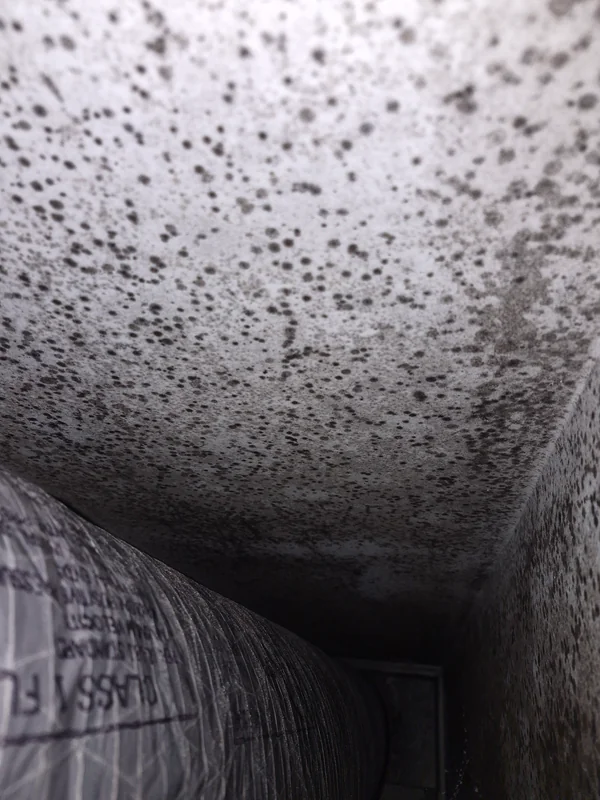
The most common thing homeowners notice first is the smell that faint mustiness that kicks on with the AC every summer. In Woodside, that’s not just a dust problem. Lower Makefield Township borders the Delaware River and the Delaware Canal, and that moisture doesn’t stay outside. It finds its way into basements, crawl spaces, and eventually your HVAC system.
When your ductwork has been harboring mold, every time your system runs, it’s pushing contaminated air into every room in the house simultaneously. After a proper cleaning and inspection, that changes. The musty smell goes away. Allergy symptoms that have been quietly getting worse congestion, scratchy throat, irritated eyes often ease up noticeably.
If you have kids in Pennsbury schools or elderly family members spending most of their time at home, the difference in what they’re breathing every day is real and meaningful. For Woodside homeowners specifically, there’s another dimension worth considering. With median home values in this community sitting well above $600,000, a mold problem that spreads through the ductwork and recontaminates a space you already paid to remediate is not just a health issue it’s an asset protection issue. Catching it early, documenting it properly, and confirming it’s gone protects the investment you’ve made in your home.
We’ve been doing this work in Bucks County for over 15 years. We’re based in Bensalem about 12 to 15 miles from Woodside via I-295 and Lower Makefield Township is a regular part of our service area, not an afterthought on a list. We understand the Delaware River corridor, the moisture patterns that come with it, and what that means for the homes built in Woodside and surrounding areas during the 1970s and 1980s.
What separates us from a general HVAC cleaning company is our mold remediation background. Disturbing mold inside ductwork without proper containment protocols can spread spores through the entire system. That’s a risk a standard duct cleaner may not account for and it’s exactly the kind of thing certified mold specialists are trained to handle correctly from the start.
We also work directly with insurance companies when mold-related claims are involved, which matters in a community with Lower Makefield’s flooding history. Free inspections, upfront pricing, and post-cleaning verification are standard not add-ons.

It starts with a free inspection. Before any cleaning begins, we assess the system not just a glance at the registers, but a real look at what’s happening inside the ductwork. In homes near the Delaware River corridor in Woodside, that inspection often turns up moisture-related contamination in sections of the duct system that are completely invisible from the outside. This step matters because cleaning a system with active mold without first understanding what you’re dealing with can make things worse, not better.
Once the inspection is complete and the scope is clear, we use professional-grade equipment negative air pressure systems and HEPA vacuums that pull debris and contaminants out of the ductwork rather than pushing them around. Supply ducts and return ducts are both addressed. If mold is present, containment protocols are in place before anything is disturbed.
For homes in Lower Makefield that have experienced flooding whether from the July 2023 flash floods along the Delaware Canal or the 2021 storm events our inspection pays particular attention to areas where moisture may have infiltrated the system from below. After the cleaning is done, we don’t just hand you an invoice and leave. Affected areas are tested to confirm the mold is gone. You get documentation not a verbal assurance, but actual verification. For a Woodside homeowner with a significant financial stake in their property, that’s the part that matters most.

Ready to get started?
Air duct cleaning addresses the physical debris, dust, and biological contamination inside your ductwork. But in a community like Woodside where homes sit in a moisture-heavy corridor along the Delaware River, and where much of the housing stock was built in the 1970s and 1980s cleaning alone often isn’t the complete answer.
Air duct sanitizing applies antimicrobial treatment to the interior of the duct system after mechanical cleaning, targeting any remaining biological contamination. When mold has been present, skipping this step leaves the conditions for regrowth in place, especially during Bucks County’s humid summers when your AC is running hard and generating condensation inside the system.
Dryer vent cleaning is a separate service that often gets overlooked until something goes wrong. The NFPA reports roughly 15,970 dryer-related house fires per year in the U.S., and the leading cause is failure to clean the vent. In larger homes and Woodside has no shortage of them longer dryer vent runs accumulate lint faster and are more prone to blockage. This isn’t a comfort upgrade. It’s a fire safety issue.
We also offer indoor air quality testing, which can be a useful starting point if you’re not sure whether your system has a problem or you just want a baseline reading. All services come with the same free inspection and upfront pricing commitment the number you’re given before the work starts is the number on the invoice when it’s done.
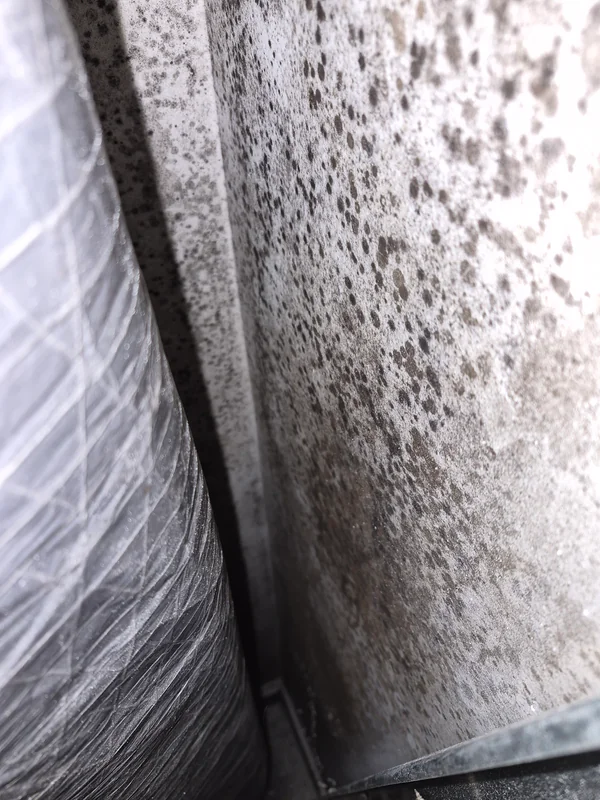
The most common sign is a musty smell that appears specifically when your HVAC system kicks on not a general odor in the house, but one that comes and goes with the airflow. You might also notice allergy or respiratory symptoms that seem worse indoors than outside, or visible discoloration around your vent registers. By the time you can see or smell something, the contamination is often well established inside the duct system where you can’t reach it.
In Woodside and Lower Makefield, the risk is higher than in many other parts of Bucks County because of the proximity to the Delaware River and Canal. Homes here experience elevated ambient humidity, and older ductwork common in the 1970s and 1980s construction that dominates the area tends to retain moisture more readily than modern metal systems. A free inspection from us will tell you exactly what’s in your system before you commit to anything.
The honest answer is: it depends on why you’re getting it done. Routine cleaning for a home with no moisture issues and no history of mold where the ducts are just dusty has mixed evidence behind it.
But that’s a different situation from what most Woodside homeowners are dealing with when they call. If there’s been any water intrusion a flooded basement, a saturated crawl space after one of the storms that have hit Lower Makefield in recent years or if you’ve already had mold remediated somewhere in the house, your HVAC system is the next logical place to check. Mold in ductwork doesn’t stay put. Every time the system runs, it distributes spores to every room. In that specific scenario, cleaning and sanitizing the duct system is not optional maintenance. It’s the step that prevents a contained problem from becoming a whole-home problem.
Cleaning is the mechanical process using professional equipment to physically remove debris, dust, and biological material from inside the ductwork. Sanitizing is what comes after: an antimicrobial treatment applied to the interior surfaces of the ducts to kill any remaining biological contamination that the cleaning process alone can’t fully eliminate.
For a home with no history of mold or moisture issues, cleaning may be sufficient. But in Lower Makefield Township, where the Delaware River corridor creates baseline humidity conditions that don’t go away after the cleaning truck leaves, sanitizing is often the step that actually prevents regrowth. If your AC runs hard through a Bucks County July which it does it’s generating condensation inside the system. Without sanitizing, you’re cleaning the visible contamination and leaving the conditions for it to come back. We’ll tell you honestly whether sanitizing makes sense for your specific situation after the inspection.
Yes and this is one of the most common gaps in a mold remediation job. Most contractors address the visible mold: the walls, the framing, the surfaces. What often gets skipped is the HVAC system, which may have been drawing air from that contaminated space the entire time the mold was active. If your air handler or any duct runs are located in or near the affected area, there’s a real possibility that mold spores were pulled into the system and have since colonized sections of the ductwork.
This matters especially in Woodside-area homes with basements or crawl spaces that sit close to the water table along the Delaware River corridor. If you had remediation done and didn’t have the duct system inspected as part of that process, it’s worth doing now. We do post-remediation verification as a standard part of the process testing after the cleaning to confirm the mold is actually gone, not just visually absent.
A thorough air duct cleaning for a typical home takes somewhere between four and six hours. That’s the industry standard for a job done correctly both supply and return ducts addressed, not just a quick pass at the registers. If mold is present and containment protocols are required, the timeline may extend slightly depending on the scope of what’s found during the inspection.
For Woodside homeowners with larger homes and many in this community are well above average square footage plan for the longer end of that range. The process does require access to your HVAC system and vents throughout the house, so you’ll want to be home or have someone available. Any company quoting you a full duct cleaning in under two hours is either skipping steps or not cleaning the full system.
Yes. We work directly with insurance companies when mold-related claims are involved, and this is genuinely useful for homeowners in Lower Makefield Township. The area has experienced significant flooding events the July 2023 flash floods that caused major damage along the Delaware Canal, and the 2021 storm remnants that sent the Delaware River above flood stage and insurance claims tied to water damage and subsequent mold are not uncommon here.
Navigating that process on your own, while also trying to manage the actual remediation work, is a lot. Having a company that already has relationships with adjusters and understands how to document mold-related work for a claim can save you real time and money. The documentation from the inspection and post-cleaning verification the lab results confirming the mold is gone is in a format that supports the claim rather than complicating it. If you’re in that situation, it’s worth asking about the insurance process when you call to schedule the free inspection.
Other Services we provide in Woodside