
Hear from Our Customers
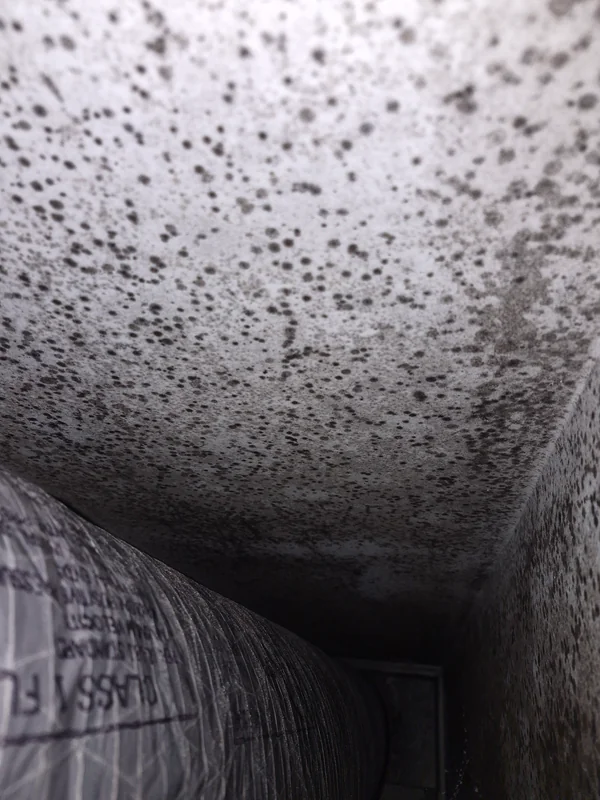
If you’ve had your basement dried out, your walls remediated, or your floors replaced after a water event, there’s a real chance your HVAC system is still holding onto what you thought you got rid of. Every time your system kicks on, it pulls air from the lower levels of your home including any spaces that took on moisture and pushes it through every room. If mold established itself in the ductwork, it doesn’t stay put. It travels.
For homeowners in Woodhill and the surrounding Upper Makefield area, this isn’t a theoretical risk. The Delaware River corridor’s wooded terrain creates ambient humidity that stays elevated well beyond what you’d find in a more open suburban setting. Bucks County already averages 49 inches of rain per year well above the national average and the tree cover and proximity to the river keep that moisture from dissipating the way it would elsewhere. That combination means condensation inside ductwork is a recurring condition here, not a one-time event.
What changes after a proper air duct cleaning isn’t just what’s in the air it’s what’s not. No more musty smell when the AC kicks on. No more wondering whether the remediation job you paid for is being undone every heating cycle. And for families with kids attending Sol Feinstone Elementary or anyone in the household with respiratory sensitivities, that peace of mind is worth more than the service itself.
We’re based in Bensalem, PA the same county as Woodhill and have been serving Upper Makefield Township for over 15 years. That’s not a marketing number. It means we’ve worked inside the historic stone farmhouses along Woodhill Road, the estate homes near Jericho Mountain, and the newer construction that still sits on clay-heavy soil with sump pumps doing the heavy lifting every time it rains hard.
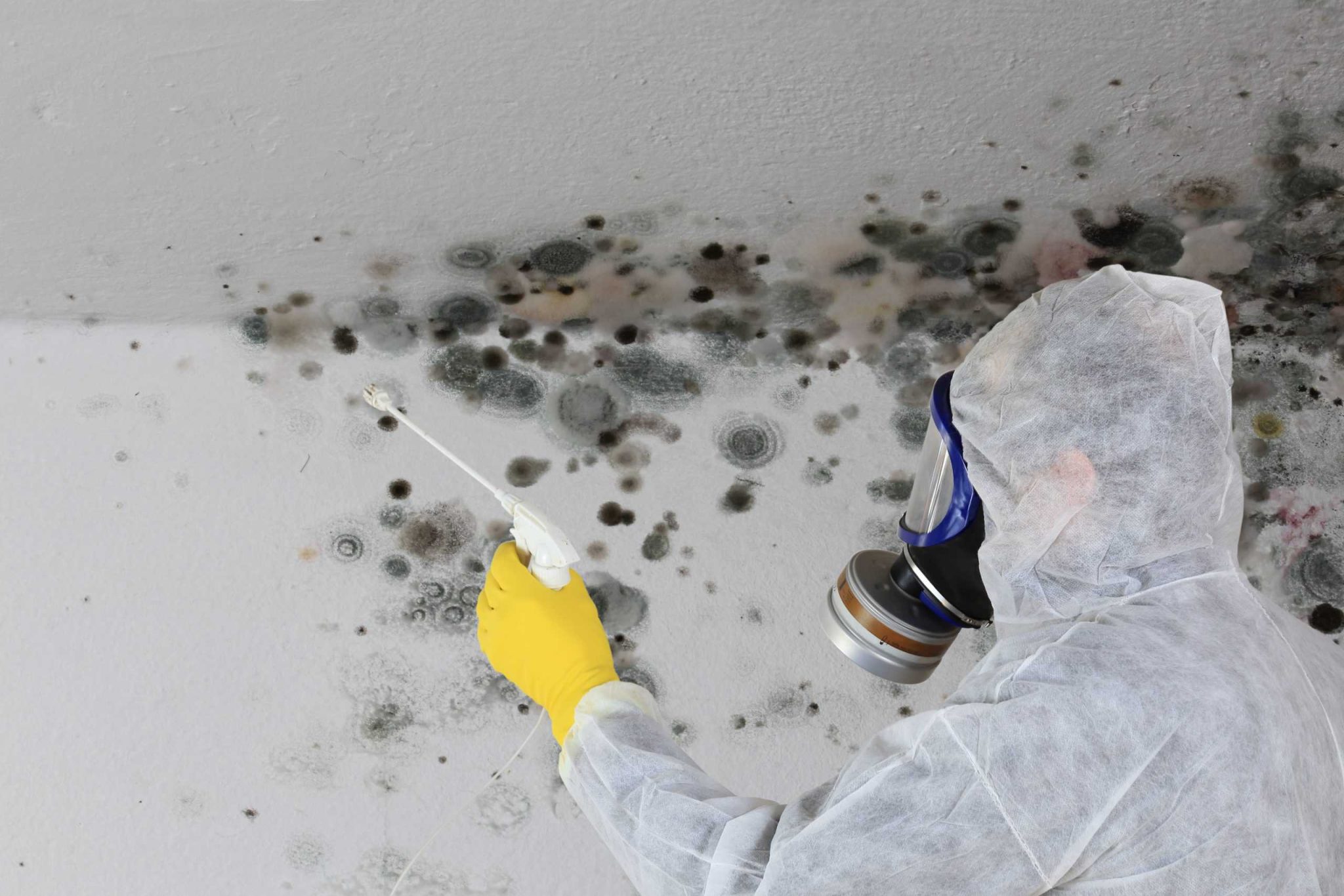
What separates us from a general HVAC company that offers duct cleaning as a side service is our mold remediation background. Our technicians are certified mold remediation specialists, which means when we’re inside your ductwork, we’re not just vacuuming dust we’re looking for biological contamination, identifying where moisture is getting in, and cleaning in a way that doesn’t spread spores into the rooms you’ve already cleaned. We also work directly with insurance companies, which matters in a township where flood-related claims are a real part of life for a lot of homeowners.
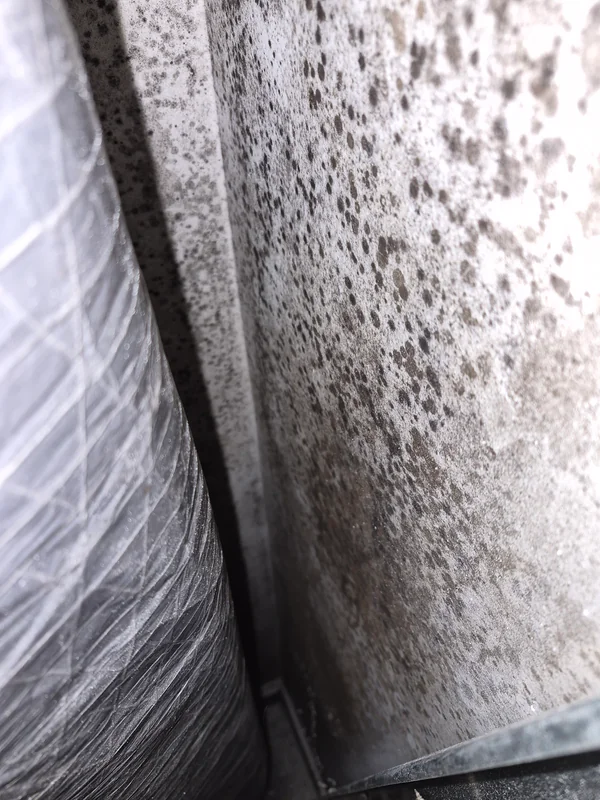
It starts with a free inspection. Before any work is quoted or scheduled, one of our certified technicians comes out to assess your system what’s in the ducts, where moisture may have entered, and whether mold is present or just suspected. For homes in Upper Makefield that have experienced flooding from Houghs Creek or dealt with recurring basement seepage, this inspection often turns up contamination in the lower duct sections and return vents that the homeowner had no idea was there. You get a clear picture of what you’re dealing with and an upfront price before anything moves forward.
From there, the cleaning itself is a contained process. We use equipment that creates negative air pressure inside the duct system, which means loosened debris and any biological material gets pulled out rather than pushed further into the home. Supply ducts, return ducts, and the air handler are all addressed not just the registers you can see at the floor or ceiling. For the larger estate homes common in this part of Bucks County, that can mean significant ductwork coverage across multiple zones, and the job is sized accordingly.
Once the cleaning is complete, we test to confirm the mold is actually gone not just disturbed. That post-service verification step is documented, which matters when you’re protecting a home worth $655,000 or more and want proof, not just a handshake. If dryer vent cleaning or air duct sanitizing is part of the job, those are completed in the same visit so you’re not scheduling a second appointment.

Ready to get started?
The homes in Woodhill and Upper Makefield Township aren’t cookie-cutter. You’ve got properties along Woodhill Road with construction dating back to 1753, retrofitted ductwork that was never designed for a modern HVAC system, and estate-scale homes exceeding 7,000 square feet with multi-zone systems that cover enormous ground. A generic duct cleaning company with a truck and a shop vac isn’t the right tool for any of those situations.
We handle air duct cleaning, HVAC duct cleaning, mold-specific duct remediation, dryer vent cleaning, and air duct sanitizing all performed by certified mold specialists, not general maintenance technicians. The distinction matters most when mold is involved. Disturbing mold inside ductwork without proper containment protocols can spread spores throughout a home faster than leaving it alone. Our remediation training means the cleaning is done with containment in place, so the work you’re paying for actually holds.
For Upper Makefield homeowners who rely on wells, septic systems, and sump pumps, the risk of a sudden basement flood is real and recurring especially during the late summer storm season and spring snowmelt along the Delaware River. Our around-the-clock availability means you’re not waiting until Monday morning after a Friday night sump failure to get someone on the phone. Financing is available for those who want to spread the cost, and the free inspection means there’s no financial commitment until you know exactly what you’re looking at.

Yes and this is one of the more important questions a homeowner in Woodhill and Upper Makefield can ask. The July 2023 flash flood was a catastrophic event, but flooding along Houghs Creek and Jericho Creek has been a recurring reality in this township long before that. When water enters a home’s lower levels, mold can begin establishing itself within 24 to 48 hours. The HVAC system with its air handler often located in the basement and return vents at floor level is one of the first places that moisture reaches and one of the last places most homeowners think to check after a water event.
Even if your basement was professionally dried and remediated, that work may not have included the ductwork. Mold that survives in the ducts can recontaminate a fully remediated space within a single heating or cooling season. A certified inspection will tell you definitively whether contamination is present, and it costs you nothing upfront. If you experienced flooding in 2023 or any subsequent event and haven’t had your ducts inspected since, it’s worth finding out what’s actually in there before another winter of running the heat.
The most common sign homeowners notice first is a musty smell that appears specifically when the HVAC system kicks on and then fades once the air settles. Dust doesn’t produce that smell. Mold does. You might also notice that allergy or respiratory symptoms seem worse indoors than outdoors, or that they’ve gradually worsened over a season without a clear explanation.
Visually, you may see discoloration around vent registers dark or greenish staining near the edges of a supply or return vent. But mold in ductwork typically grows in the interior sections of the system where you can’t see it at all, which is why a professional inspection with proper equipment is the only reliable way to know for certain. In Woodhill’s humid, wooded environment, where ambient moisture levels run higher than surrounding communities, the conditions for mold growth inside ductwork are present for much of the year not just after an obvious water event. A musty HVAC smell in this area deserves a real answer, not a wait-and-see approach.
They’re two separate steps, and whether you need both depends on what’s in your system. Cleaning is the mechanical process using negative air pressure equipment to physically remove debris, dust, biological material, and contamination from the ductwork. Sanitizing is what comes after: applying an antimicrobial treatment to the interior surfaces of the ducts to address any remaining biological activity that the cleaning loosened but didn’t fully eliminate.
If your ducts are being cleaned for routine maintenance and there’s no mold present, sanitizing may not be necessary. But if mold is confirmed which is a realistic finding for many Upper Makefield homes given the combination of high humidity, older housing stock, and recurring moisture events sanitizing is the step that completes the job. Cleaning without sanitizing in a mold situation is like wiping a surface but skipping the disinfectant. We’ll tell you after the inspection which steps are actually warranted for your specific system, rather than automatically bundling services you may not need.
It does, and it’s worth understanding before you hire anyone. Older homes in Woodhill and throughout Upper Makefield Township including the stone farmhouses and Colonial-era properties that characterize this part of Bucks County were not built with modern HVAC systems. Ductwork was retrofitted over generations, often imperfectly, creating gaps, dead zones, and sections that are difficult to access with standard equipment. These older systems accumulate debris and moisture in ways that newer, purpose-built ductwork does not.
The practical implication is that a technician who is used to working in standard suburban construction may not be equipped for what they find in a historic Woodhill property. Our experience in this specific area including work inside older homes throughout Bucks County over the past 15-plus years means we’re not encountering these challenges for the first time when we arrive at your property. The inspection phase is especially important for older homes because it identifies the specific access points, problem areas, and containment needs before any work begins, rather than discovering complications mid-job.
The industry standard recommendation is every three to five years for a typical home under normal conditions. But Upper Makefield’s conditions aren’t typical for much of the year. The combination of the Delaware River corridor’s elevated ambient humidity, Bucks County’s above-average annual rainfall, and the wooded terrain that keeps moisture from dissipating quickly means that the interior of ductwork in this area stays damp longer than it would in a drier, more open suburban environment. That sustained moisture exposure compresses the realistic cleaning interval for many homes here.
Beyond the baseline interval, there are specific triggers that warrant an inspection regardless of when you last had the ducts cleaned: any flooding or water intrusion event, a confirmed mold problem elsewhere in the home, visible discoloration near vent registers, or a musty smell when the system runs. For Upper Makefield homeowners who experienced the 2023 flooding or who deal with recurring basement moisture from sump pump cycles, those triggers may apply more frequently than the general guideline suggests. When in doubt, a free inspection gives you a current picture of what’s actually in your system.
Yes. We offer dryer vent cleaning for Upper Makefield homeowners, and it’s worth taking seriously as a fire safety issue rather than just a maintenance task. The National Fire Protection Association reports roughly 15,970 dryer-related house fires per year nationally, with failure to clean the vent as the leading cause. In larger homes and Woodhill has no shortage of estate-scale properties with laundry rooms located well away from exterior walls the dryer vent run is longer, which means lint accumulates faster and the risk compounds more quickly than it would in a compact suburban home.
For homes along Woodhill Road and throughout the township that were built or expanded over many decades, the dryer vent routing may not follow a direct path to the exterior. Bends, extended runs, and older flexible duct material all increase lint buildup. We can inspect and clean the dryer vent as part of the same visit as an air duct cleaning job, so you’re addressing both the mold-related HVAC concern and the fire safety concern without scheduling two separate appointments.
Other Services we provide in Woodhill