
Hear from Our Customers
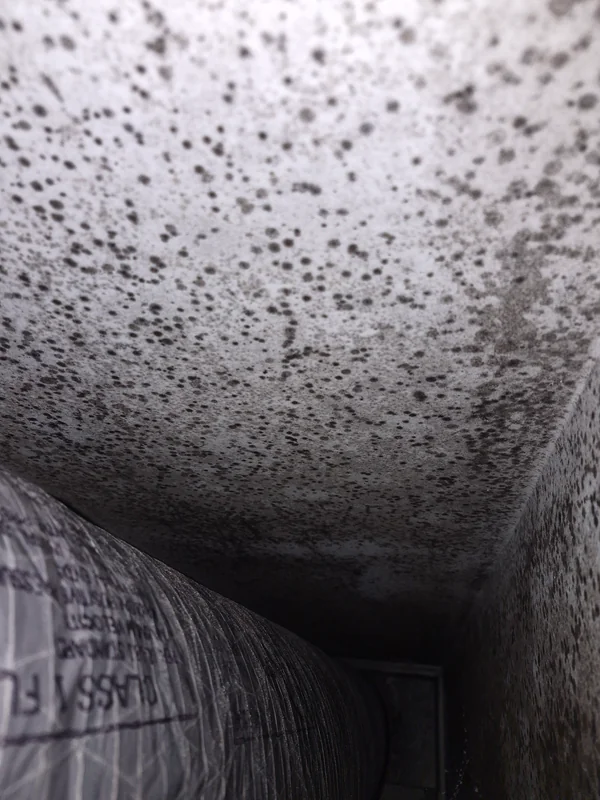
Most Wissahickon homeowners don’t think about their air ducts until something forces the issue a musty smell when the heat kicks on, allergy symptoms that won’t quit, or mold discovered elsewhere in the house that leaves you wondering about the vents. By the time you’re searching for answers, the problem has usually been building for years.
Here’s what changes after we clean your ducts properly: the air moving through your home isn’t carrying whatever has been accumulating in those duct runs for decades. For a neighborhood where most homes were built before 1939 and forced-air systems were retrofitted into structures never designed for them, that’s not a minor distinction.
Wooden joist cavities used as return ducts, supply runs threaded through century-old wall chases, basement furnace systems pulling air from damp crawl spaces these aren’t modern, cleanly engineered duct systems. They collect moisture, organic material, and over time, mold.
Wissahickon sits directly alongside the gorge and Wissahickon Valley Park. That 1,800-acre wooded creek corridor keeps ambient humidity elevated longer than open suburban terrain even in spring and fall when other neighborhoods have dried out. Your HVAC system pulls from that environment every time it runs. Getting the ducts cleaned means you’re not recirculating what that environment has deposited inside your system for the past several decades.
We’re based in Bensalem, PA, and have been doing this work for over 15 years across Philadelphia County and the surrounding region. Wissahickon falls squarely within our service area and we’ve seen enough pre-war Philadelphia rowhomes and twins to understand what makes them different from a new suburban build in ways that actually change how the job gets done.
This isn’t a multi-branch franchise operation. Jeff, our owner, is personally involved in the work multiple customers have named him by name in reviews specifically because of it. When you call, you’re reaching someone who’s accountable for the outcome, not a call center routing your job to whoever’s available.
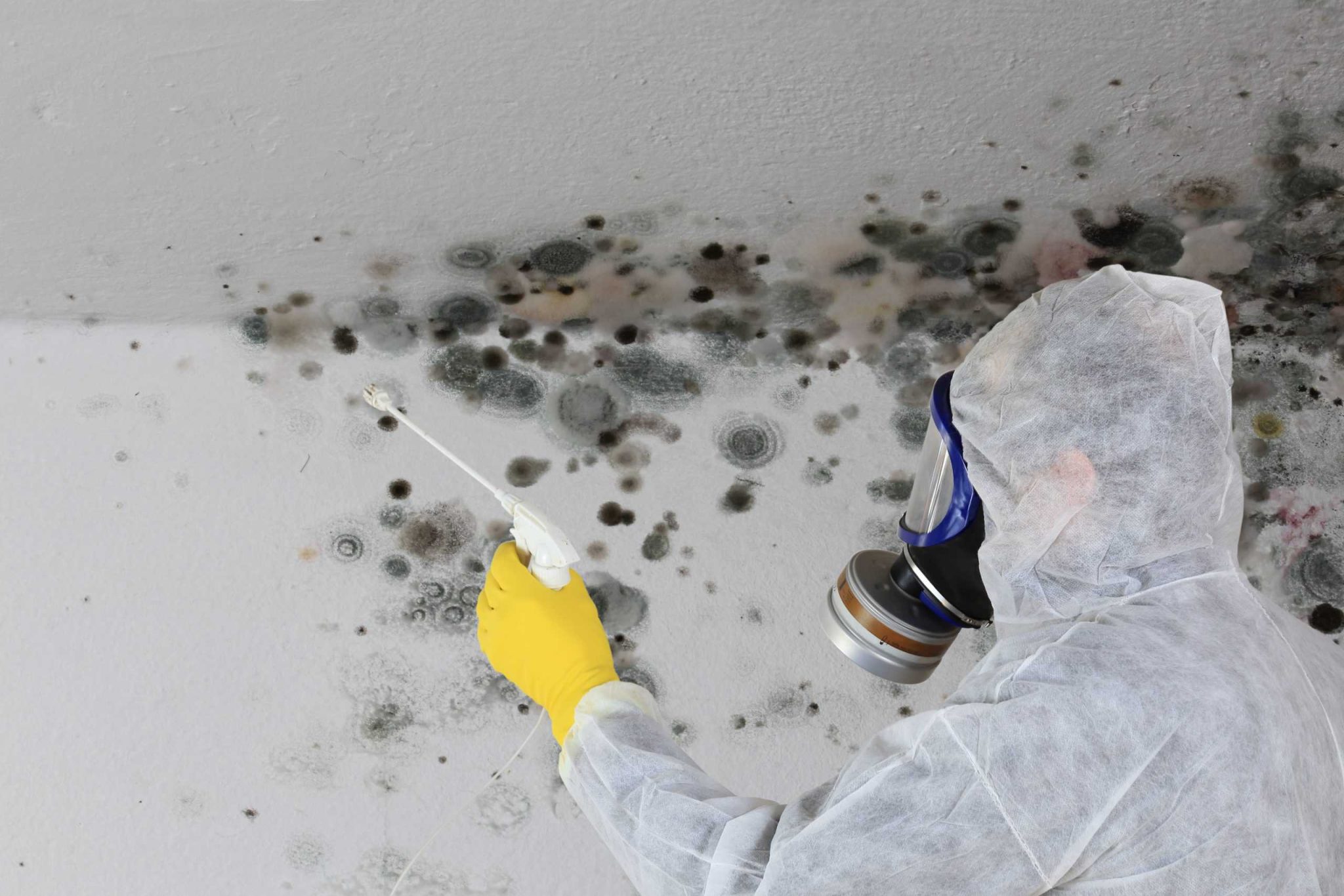
Our mold remediation background matters here too. Wissahickon’s older housing stock, combined with the gorge microclimate along Henry Avenue and the upper slopes near the park, creates conditions that a general duct cleaner isn’t trained to handle correctly. Disturbing mold in ductwork without proper containment spreads spores. We bring certified remediation knowledge to every duct job not just a vacuum and a brush.

It starts with a free inspection. Before any work begins, we take a real look at your system what type of ductwork you have, where the return ducts are pulling from, whether there’s visible mold growth or just the conditions that lead to it. In Wissahickon’s older royhomes, that inspection often turns up things you didn’t know were there: panned joist returns drawing air across bare framing, supply runs with decades of buildup in sections that were never accessible from the register end, or exterior dryer vent caps blocked by leaf debris from the gorge’s tree canopy. You get a written quote before anything moves forward.
The cleaning itself uses professional-grade negative air pressure equipment not the kind of setup you can rent or buy at a hardware store. This matters specifically when mold is involved, because the goal isn’t just to dislodge debris but to capture it under containment so it doesn’t redistribute through your home. We clean both supply and return ducts. Dryer vent runs are cleared of the full lint path, not just the section near the appliance.
After the job, if mold was identified and treated, we test the affected areas to confirm it’s been eliminated lab results, not just a visual check. You get documentation you can actually use, whether that’s for your own peace of mind, an insurance claim, or a future home sale.
Ready to get started?
Air duct cleaning covers the full HVAC system supply ducts, return ducts, and the air handling unit itself. In Wissahickon’s attached housing, return ducts are often fashioned from the structural framing rather than purpose-built sheet metal, which means the inspection step is especially important before cleaning begins. We also offer air duct sanitizing as a follow-on treatment: after mechanical cleaning removes physical debris, an antimicrobial application addresses any remaining biological contamination. When mold has been confirmed in the system, sanitizing isn’t optional it’s the step that prevents recolonization.
Dryer vent cleaning is a separate but closely related service, and in Wissahickon’s rowhomes it carries real stakes. When your dryer shares walls with neighbors on both sides, the vent run can’t take a short, direct path to the exterior. Long horizontal basement runs with multiple elbows give lint every opportunity to accumulate and the heavy leaf fall from the gorge’s mature tree canopy means outdoor vent caps in this neighborhood get blocked more often than in open suburban areas. The NFPA reports that failure to clean dryer vents is the leading cause of dryer-related house fires, with nearly 16,000 occurring annually. A complete dryer vent cleaning clears the entire run, not just the section you can reach.
We also work directly with insurance companies when mold in an HVAC system is part of a larger water damage or remediation claim a practical advantage that most standalone duct cleaners can’t offer.
If your home was built before 1939 and most in Wissahickon were there’s a reasonable chance the ductwork has never been professionally cleaned, and a meaningful chance it was never designed to be. When forced-air heating and cooling arrived in these homes, ductwork was retrofitted into structures built for coal stoves and radiators. That often meant supply runs threaded through wall chases and return ducts fashioned from wooden joist cavities rather than purpose-built sheet metal. Those improvised systems accumulate debris in ways that modern duct layouts don’t, and they’re harder to inspect from the register end.
Whether cleaning is the right call depends on what’s actually in the system, which is why the inspection step matters. If there’s visible mold near registers, a persistent musty smell when the HVAC runs, or you’ve recently had mold remediated elsewhere in the house, those are clear signals. If you’ve never had it done and the home is several decades old, it’s worth finding out what’s there before assuming everything is fine.
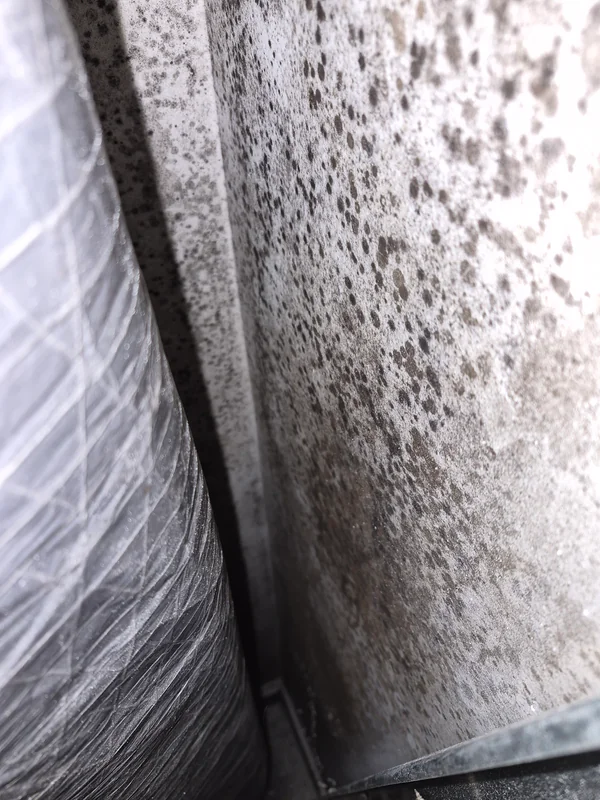
The most common sign is a musty or earthy smell that appears specifically when the heating or cooling system turns on and disappears when it’s off. That pattern points to the HVAC system as the source rather than a basement or crawl space issue. Discoloration around supply registers, worsening allergy or asthma symptoms that don’t track with outdoor pollen seasons, and visible dark growth near vent openings are also indicators worth taking seriously.
In Wissahickon specifically, the gorge microclimate along the upper slopes near Henry Avenue keeps ambient humidity elevated longer than in open suburban neighborhoods. That moisture gets pulled into return air intakes and, in older rowhomes with wooden joist returns or basement furnace systems, creates exactly the dark, damp conditions mold needs. You can’t see most of what’s inside a duct system from the register end a professional inspection with proper lighting and access equipment is the only way to know for certain what’s there.
Cleaning and sanitizing are two separate steps that address two different problems. Mechanical cleaning using negative air pressure equipment and agitation tools removes the physical debris that has accumulated in the ductwork: dust, lint, organic material, and any mold colonies that have established on duct surfaces. This is the core of the job and takes several hours for a typical home.
Sanitizing applies an antimicrobial treatment to the interior duct surfaces after mechanical cleaning is complete. The goal is to address any remaining biological contamination that the cleaning process dislodged but didn’t fully remove, and to reduce the likelihood of mold reestablishing in the system. When mold has been confirmed in the ductwork which is a realistic scenario in Wissahickon’s older housing stock given the combination of retrofitted duct systems and gorge-adjacent humidity sanitizing is a necessary follow-on step, not an optional upgrade. Cleaning without sanitizing in a confirmed mold situation leaves the job incomplete.
In a detached suburban home, the dryer is usually against an exterior wall and the vent run is short and relatively direct. In a Wissahickon rowhome, that’s rarely the case. Shared walls on both sides mean the vent can’t exit straight through the back of the house it has to route through the basement ceiling, navigate around the neighboring unit’s structure, and eventually reach an exterior wall that may be at the front or side of the building. That adds length and elbows to the run, and every additional foot and every additional bend is a place where lint accumulates.
Add in the leaf debris from Wissahickon Valley Park’s heavy tree canopy blocking exterior vent caps, and you have a dryer vent situation that requires more attention than a standard suburban installation. Lint buildup restricts airflow, forces the dryer to work harder, and at sufficient accumulation creates a genuine fire risk. A complete cleaning addresses the full run from the appliance connection to the exterior termination, not just the accessible section near the dryer.
For most homes, a thorough air duct cleaning takes somewhere between four and six hours. That range accounts for the size of the system, how many supply and return vents are in the home, and what conditions are found during the job. In Wissahickon’s older rowhomes, where duct layouts are sometimes irregular and access points aren’t always where you’d expect them, the inspection phase at the start of the job is important for setting an accurate timeline.
You should plan to be home, or have someone present, for the duration of the job. Our technicians need access to the furnace or air handler, all supply and return registers, and the dryer vent termination point which in a rowhome may require access to the basement and potentially the front or side of the building depending on how the vent is routed. We offer flexible scheduling, including availability outside standard business hours, which matters in a neighborhood where most residents commute into Center City via the Wissahickon Station rail line and aren’t home during the day.
It depends on the cause. Homeowner’s insurance typically covers mold remediation including duct cleaning when the mold is a direct result of a covered water event: a burst pipe, a roof leak, or a flooding incident that was sudden and accidental. If the mold developed gradually over time due to high ambient humidity or deferred maintenance, most policies won’t cover it. The distinction matters, and the documentation you provide to the insurance company matters even more.
We work directly with insurance companies on claims, which is a practical advantage when you’re dealing with a mold situation in an older Philadelphia rowhome where the line between sudden damage and long-term moisture accumulation isn’t always obvious. Having a certified mold remediation company not just a duct cleaner document the scope of the problem, the source, and the remediation process gives your claim a much stronger foundation. Post-remediation lab testing that confirms the mold has been eliminated is exactly the kind of documentation insurers and future buyers respond to.
Other Services we provide in Wissahickon