
Hear from Our Customers

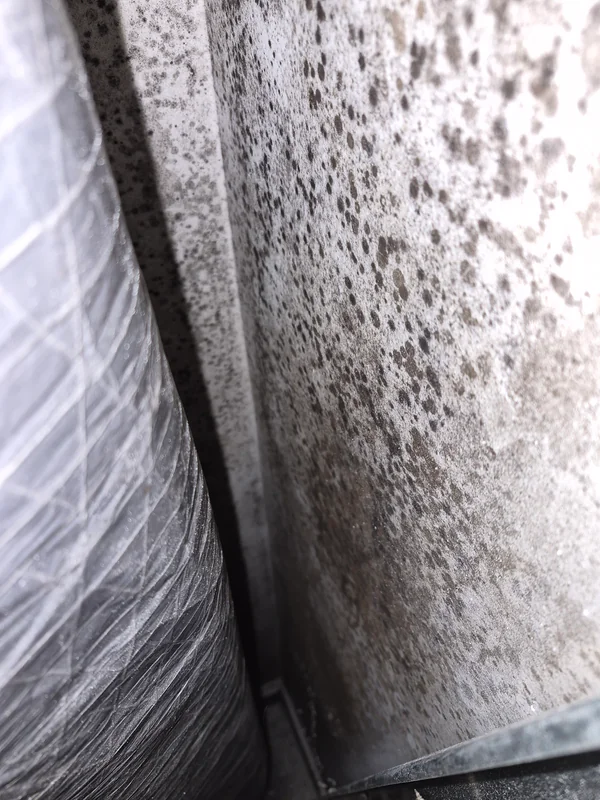
When mold or debris is living inside your ductwork, your HVAC system becomes the delivery mechanism pushing whatever’s in there into every room, every time it runs. Getting that cleaned out isn’t just a maintenance checkbox. It changes what your family is breathing on a daily basis.
East Whiteland Township sits in a valley that channels moisture toward the floor where most homes are built. Valley Creek runs through the township, humidity exceeds 60% for the better part of the year, and Chester County’s own climate projections show rainfall increasing further over the coming decades. The homes built during the Great Valley Corporate Center development boom of the 1980s and 1990s are now 30 to 40 years old, and a lot of that original ductwork has never been professionally cleaned.
After we complete a proper cleaning and inspection, the musty smell that kicks on with your AC stops. Allergy symptoms that seemed to have no source often trace back to contaminated ductwork. And if mold is confirmed, you’ll have documentation showing it was found, treated, and verified gone not just cleaned over and hoped for the best.
We’ve been doing this work for over 15 years across Chester County and the surrounding Pennsylvania counties. This isn’t a franchise operation or a national brand routing your call through a call center. When you reach out, you’re talking to people who actually do the work and who know White Horse and East Whiteland Township’s specific moisture conditions, housing stock, and seasonal patterns from years of working in them.
White Horse homeowners have high standards and expect straight answers. We bring certified mold inspectors to every job not just duct cleaning technicians. That distinction matters when you’re dealing with a valley-floor property near Valley Creek, a 1980s townhome in the Frazer corridor, or a historic home along Swedesford Road that’s been managing moisture since long before modern HVAC systems existed.
We offer free inspections, upfront pricing, and post-cleaning verification through lab testing. That’s our process no surprises, no upsells.
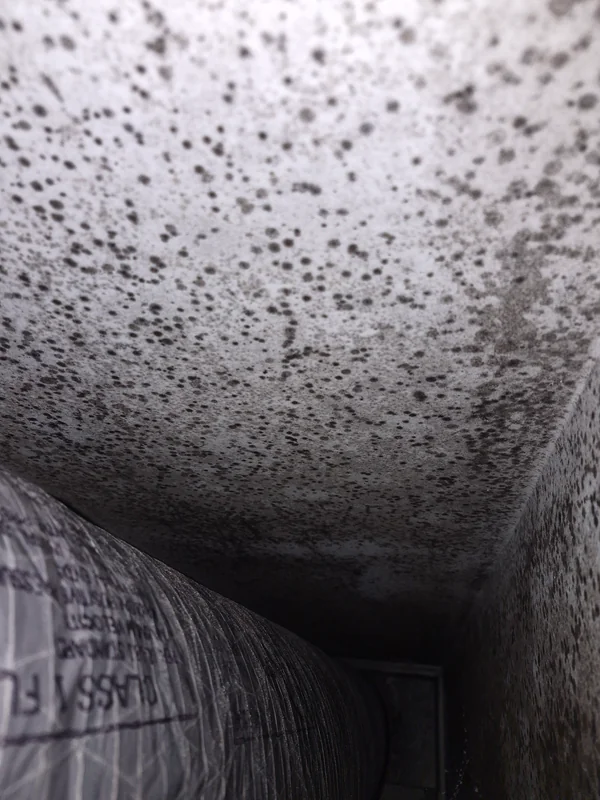
It starts with a free inspection. Before any cleaning begins, a certified inspector evaluates your HVAC system the ductwork, the coils, the drip pans, the registers to understand what’s actually in there. In White Horse and the surrounding East Whiteland area, that inspection often turns up moisture-related issues that a quick visual check at the register never would. The valley geography here creates conditions that push moisture into places most homeowners never think to look.
If mold is found, we contain it before anything is disturbed. This is where our mold remediation background makes a real difference. A general duct cleaner who disturbs mold without containment protocols can spread spores through the entire system. We treat it the same way a full mold remediation job would be handled with proper containment, safe removal, and environmentally friendly products that are safe for children and pets.
Once the cleaning is complete, the job isn’t done. We test affected areas after the work to confirm the mold is gone. You get documentation. You get a result you can verify not just a receipt for a service you have to take on faith.

Ready to get started?
Our air duct cleaning covers both supply and return ducts not just the registers you can see. Cleaning only one side of the system is a common shortcut that leaves the job half done. Every job includes a full inspection of the HVAC system, mechanical cleaning of the ductwork, and post-cleaning verification to confirm the results.
For White Horse homes where mold is confirmed in the system, air duct sanitizing is the step that follows mechanical cleaning. Sanitizing applies antimicrobial treatment to the interior surfaces of the ductwork to address biological contamination that a vacuum alone won’t eliminate. In a climate where East Whiteland Township’s humidity sits above 60% for most of the year, that additional layer of treatment isn’t overkill it’s the difference between cleaning a duct and actually decontaminating one.
We also offer dryer vent cleaning, and it’s worth taking seriously. The NFPA reports nearly 16,000 dryer-related house fires per year nationally, with failure to clean the vent as the leading cause. Older homes along Swedesford Road and the 1980s-era townhome communities throughout East Whiteland Township often have longer or more complex dryer vent runs that accumulate lint faster than homeowners expect. We work directly with insurance companies on mold-related claims something no general duct cleaner in the Chester County market offers and flexible financing is available for larger jobs.
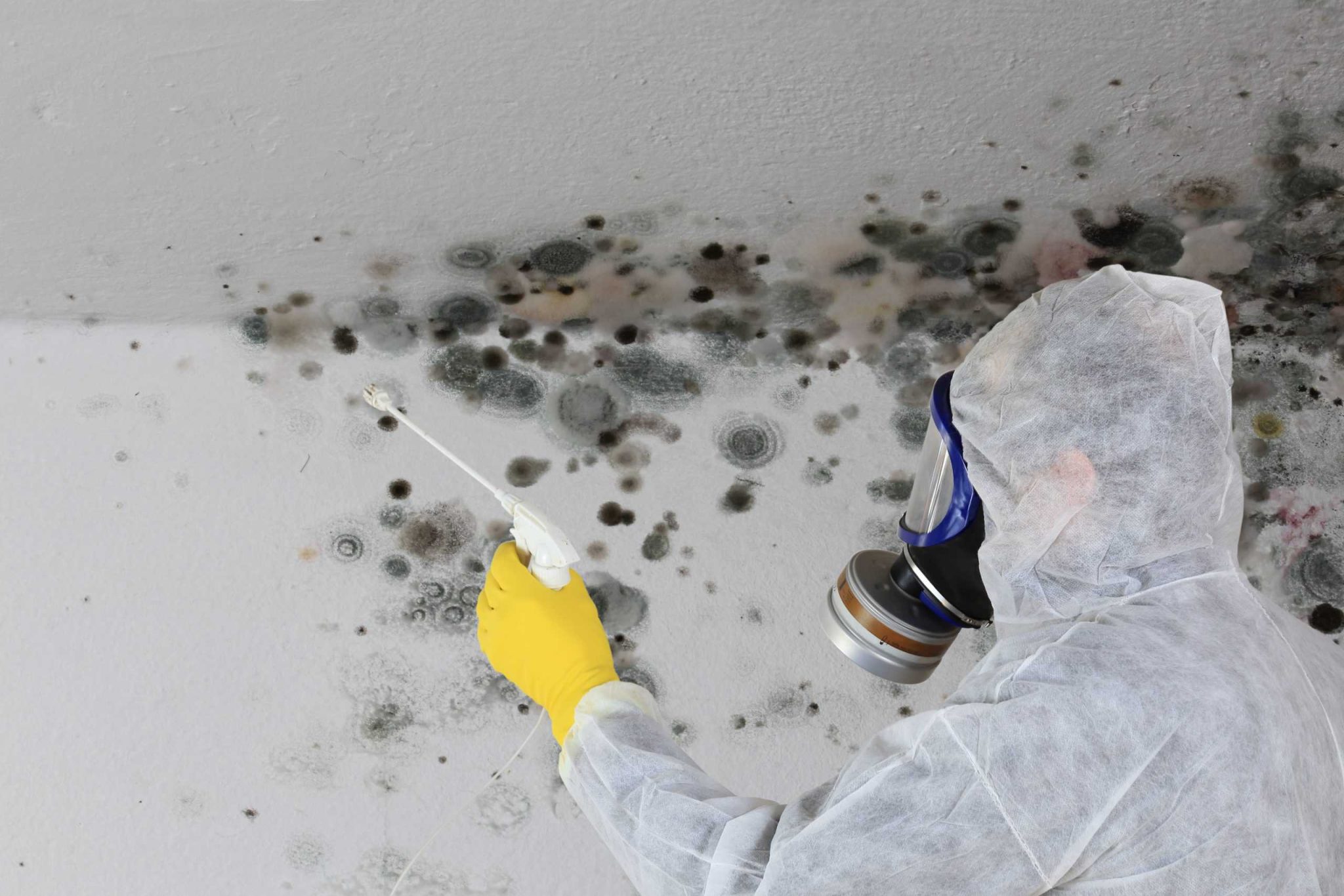
The most common sign is a musty smell that appears specifically when your HVAC kicks on and fades when it shuts off. That pattern smell tied to airflow is a strong indicator that something biological is living inside the ductwork, not just on a surface you can clean. Other signs include worsening allergy or asthma symptoms indoors that improve when you leave the house, visible discoloration around registers or vent covers, and a history of water intrusion in your home.
In White Horse and the broader East Whiteland area, the risk factors are higher than in many other communities. The Chester Valley’s geography channels moisture toward the valley floor where most homes sit. Valley Creek runs through the township, and East Whiteland Township officially identifies flooding as the most significant natural hazard facing Chester County. Homes that have experienced any water intrusion even minor basement seepage are at elevated risk of mold reaching the HVAC return system. We offer free inspections that will tell you definitively what’s in there, without any obligation to proceed.
It depends on what’s driving the question. If your ducts are in a relatively new home with no history of moisture issues, no mold, no pest activity, and no renovation debris routine cleaning may not make a measurable difference to your air quality. The EPA is pretty clear on this, and we’ll tell you the same.
But that’s not the situation most White Horse homeowners are in. East Whiteland Township has above-average rainfall, persistent high humidity, a significant stock of 30- to 40-year-old homes built during the Great Valley Corporate Center development era, and a valley-floor geography that creates moisture conditions year-round. When mold is confirmed in ductwork, the EPA explicitly recommends cleaning. When a home has experienced flooding something the township’s own Flood Recovery Guide addresses directly cleaning and inspecting the HVAC system is part of the recommended response, not an upsell. In those situations, cleaning isn’t just worth it. It’s the step that keeps a remediated home from getting re-contaminated through the air system.
A thorough job on a typical home takes four to six hours. That’s the industry standard for a complete cleaning both supply and return ducts, full system access, proper equipment setup and breakdown. If a company is quoting you a job that takes an hour, they’re either cleaning a very small system or they’re not cleaning it properly.
For homes in East Whiteland Township particularly the larger colonials and single-family homes on generous lots that are common throughout the area the job may run toward the longer end of that range depending on the size of the duct system and what’s found during the inspection. If mold remediation is involved, the timeline extends further because containment, treatment, and post-cleaning verification are part of the process. We’ll give you a clear time estimate before the job starts, and that estimate reflects what the work actually requires not a number designed to get you to book.
Cleaning and sanitizing are two separate steps that address two different problems. Cleaning is the mechanical process using professional equipment to physically remove dust, debris, and biological material from inside the ductwork. Sanitizing is what comes after, when an antimicrobial treatment is applied to the interior surfaces to address any remaining biological contamination that mechanical cleaning alone doesn’t fully eliminate.
For a home in White Horse dealing with confirmed mold in the HVAC system, doing the cleaning without the sanitizing step is like mopping a floor without disinfecting it you’ve removed the visible material, but the underlying contamination is still there. Given that East Whiteland Township’s humidity stays above 60% for most of the year, and given the valley-floor moisture conditions that make mold a persistent risk in this area, sanitizing is often the step that determines whether the problem stays gone or comes back within a season or two. We use environmentally friendly products for the sanitizing process safe for children and pets, which matters in a community where Great Valley School District families with young kids make up a significant part of the homeowner base.
Yes, and this is one of the more important things to understand about mold in ductwork. When mold colonizes inside a duct system, your HVAC becomes the delivery mechanism. Every time the system runs, air passes through the contaminated section and carries spores to every room connected to that duct run. A mold problem that started in one area of the home a wet basement, a flooded utility room, a section of wall with a slow leak can be distributed throughout the entire house through the air system without anyone realizing it.
This is especially relevant for East Whiteland Township homeowners who have experienced flash flooding, which has been documented in the area and is specifically addressed in the Chester County Health Department Flood Recovery Guide that the township distributes to residents. If water entered your home and reached any part of the HVAC system including return air vents the risk of mold spreading through the ductwork is real. Getting the ducts inspected and cleaned after any water intrusion event isn’t a precaution. It’s how you prevent a contained problem from becoming a whole-house one.
The general industry recommendation is every three to five years for a typical home with no specific issues. But “typical” doesn’t describe most homes in White Horse. The combination of Chester Valley’s valley-floor moisture environment, East Whiteland Township’s above-average rainfall, and the age of the housing stock throughout the Frazer and Swedesford Road corridors means the conditions that accelerate buildup inside ductwork are present here year-round.
Homes that have experienced any flooding, water intrusion, or known mold issues should be inspected immediately not on a calendar schedule. Homes with older ductwork from the 1980s or 1990s that has never been professionally cleaned should be evaluated sooner rather than later, regardless of whether symptoms are present. And if you’ve recently had mold remediated elsewhere in your home walls, basement, crawlspace having the HVAC system inspected at the same time is the step that prevents the remediated space from being recontaminated through the air system. We offer free inspections, so the first step costs you nothing except the time it takes to find out what’s actually in your system.
Other Services we provide in White Horse