
Hear from Our Customers

The most immediate thing most people notice is the smell or rather, the absence of it. That musty odor that hits when the furnace fires up in October isn’t something you have to live with. Once the ductwork is properly cleaned and any mold contamination is addressed at the source, the air moving through your home stops carrying whatever has been building up inside those ducts for years.
For homes in Wheat Sheaf, that matters more than it does in most places. The community sits in a genuine moisture corridor the Delaware River to the west, Van Sciver Lake’s 1,396 acres to the east and the Cape Cods and twins along Old Bristol Pike were built in an era when coal-to-gas heating conversions happened without anyone cleaning the ductwork afterward. That history is still inside a lot of these systems, and it affects what your family breathes every time the HVAC runs.
Beyond the air quality, a clean duct system also runs more efficiently. The U.S. Department of Energy has documented that 25 to 40 percent of heating and cooling energy is lost through ductwork and buildup inside the ducts is a direct contributor. For households in Morrisville Borough managing older systems, that efficiency gap is real and recoverable.
We’re based in Bensalem, PA, and have been working in Bucks County for over 15 years. We already serve Wheat Sheaf with mold remediation, mold inspection, mold testing, and air quality testing so adding air duct cleaning to an existing job, or starting fresh with a duct inspection, isn’t a stretch. This is a neighborhood we know well.
What separates us from a standard duct cleaning company is our mold background. General duct cleaners vacuum debris. We bring certified mold remediation protocols to the process containment, source identification, and post-cleaning verification that the contamination is actually gone. That distinction matters in Morrisville’s older housing stock, where decades of moisture exposure from the river corridor have had time to do real damage inside duct systems that may never have been professionally cleaned.
Our inspections are free, pricing is upfront, and the work is backed by real documentation not just a handshake and an invoice.
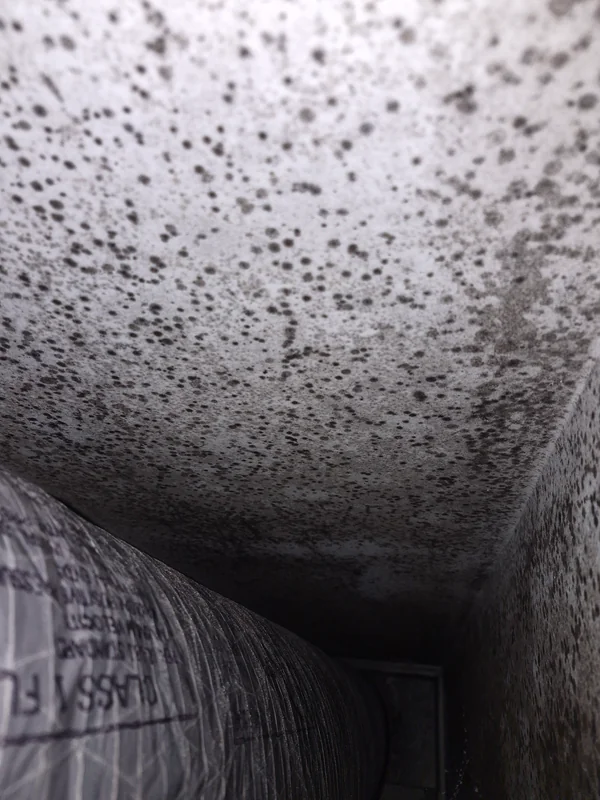
It starts with a free inspection. Before any equipment comes out, we assess the system registers, return vents, accessible duct sections, and any areas where mold growth is suspected. In Wheat Sheaf’s older homes, that inspection often includes a closer look at basement connections and crawl space ductwork, because those are the areas most exposed to moisture intrusion from the surrounding water table and seasonal flooding along the Delaware River corridor.
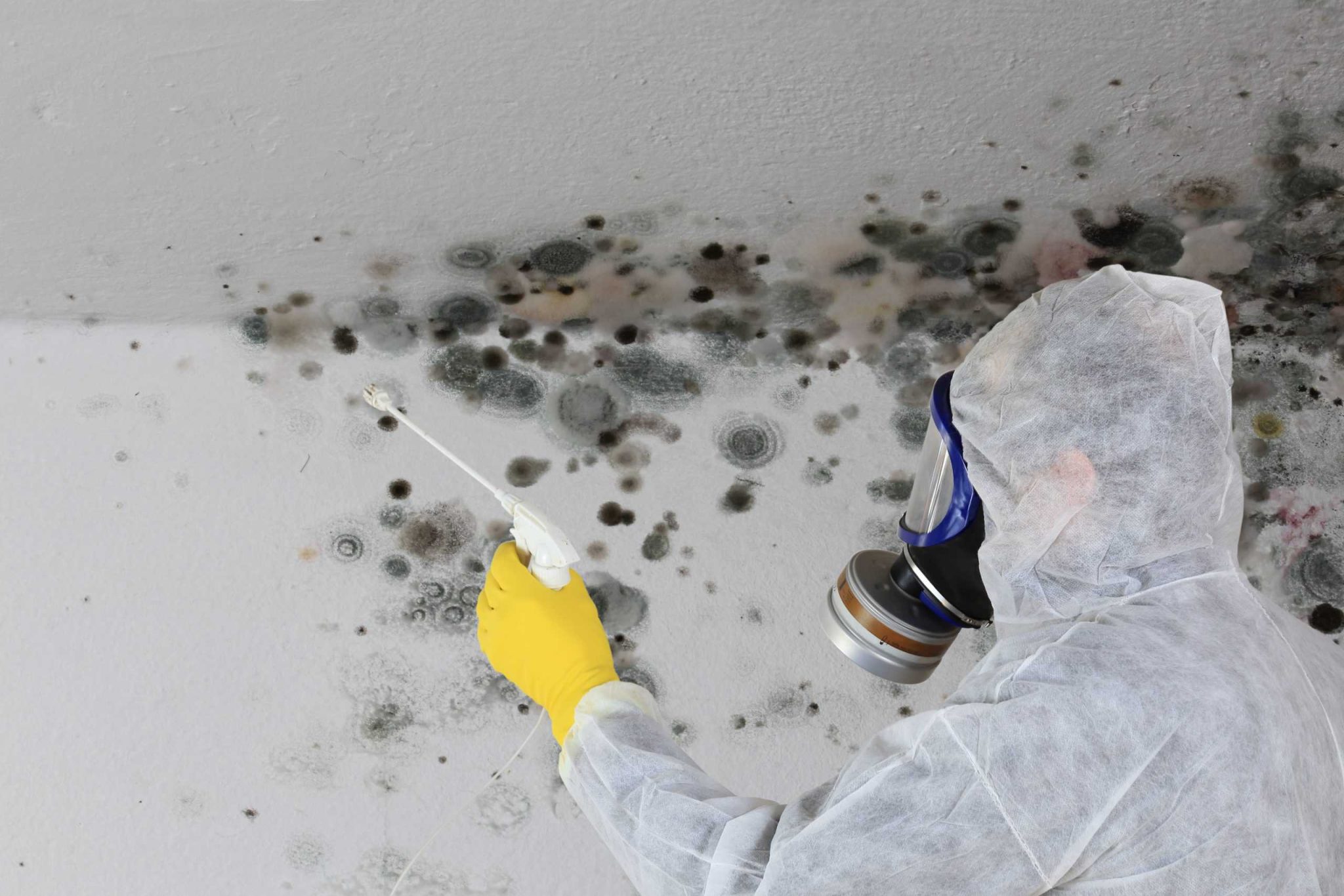
Once the scope is confirmed and you have a clear, written price, the cleaning begins. We use negative air pressure methods that pull debris out of the system rather than pushing it around an important distinction when mold spores are involved. Disturbing mold without containment protocols can spread contamination to every room in the house. That’s the risk a general duct cleaner takes. It’s not a risk we take.
After the cleaning, affected areas are tested to verify the mold is gone. You get documentation before the job is closed out. If mold in air ducts was the concern going in, you leave with proof that it was addressed not just a receipt and a hope that it worked. For homeowners near the river who’ve already dealt with flood-related mold in their walls or basement, that verification step is the part that finally lets them stop wondering.

Ready to get started?
Air duct cleaning is the core of what this page covers, but it rarely exists in isolation especially in Morrisville Borough. When moisture has been working on a home for 50 or 70 years, the ductwork usually isn’t the only thing that needs attention. We handle air duct sanitizing as a follow-on step after mechanical cleaning, applying antimicrobial treatments that address biological contamination the vacuum alone can’t eliminate. For homes that have experienced any flooding along the Delaware River corridor, or that carry FEMA flood zone designations, this step isn’t optional it’s the difference between cleaning and actually resolving the problem.
Dryer vent cleaning is also part of the picture. The NFPA reports roughly 15,970 dryer-related house fires per year, and failure to clean the vent is the leading cause. In Wheat Sheaf’s older homes many of which had laundry rooms added or reconfigured over decades original dryer vent configurations may not meet current standards and are often overdue for a professional cleaning. It’s a fire safety issue, not a maintenance preference.
We also work directly with insurance companies when mold or water damage is part of the claim. For homeowners in active FEMA flood zones along the Delaware, that support during the claims process is often as valuable as the cleaning itself. Financing is available if the scope of work is larger than a single service call budget can absorb.
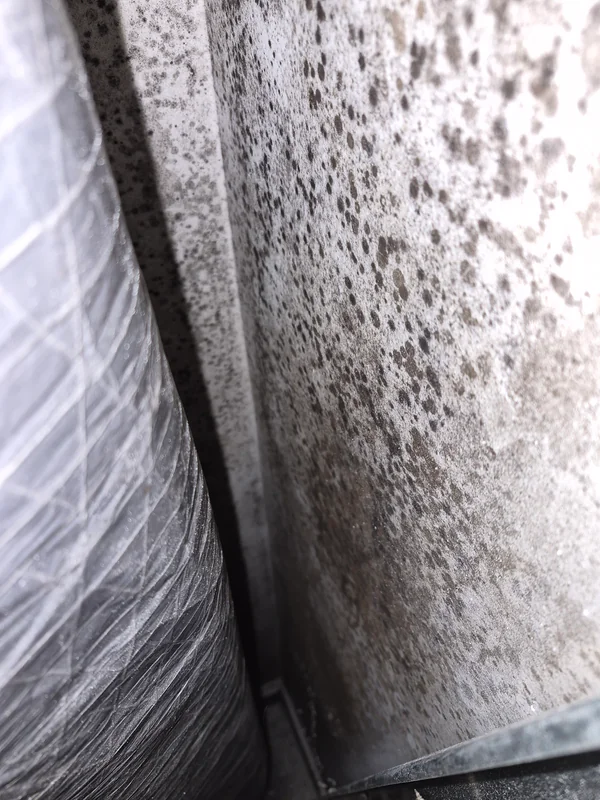
The most common sign is a musty or stale smell that appears specifically when the HVAC system is running not just in one room, but throughout the house. That’s the ductwork distributing whatever is living inside it. You might also notice that allergy or asthma symptoms in your household have been getting worse without an obvious explanation, or that there’s visible discoloration around vent registers.
In Wheat Sheaf specifically, the risk is elevated by the area’s geography. Homes near the Delaware River and Van Sciver Lake deal with ambient humidity levels that are consistently higher than inland Bucks County communities, and the older housing stock along Old Bristol Pike Cape Cods and twins built in the 1920s through 1950s often has ductwork that has never been professionally inspected. If your home has had any basement water intrusion or flood-related damage, the probability that moisture reached the duct system is high. A free inspection from us will tell you exactly what you’re dealing with before you spend anything.
The honest answer is: it depends on what’s in your ducts. The EPA’s position on routine duct cleaning absent a specific problem is that the evidence for air quality benefits is limited. But the EPA also explicitly recommends cleaning when mold is confirmed in the system, when there’s been a pest or rodent infestation, or when substantial debris is blocking airflow. Those aren’t rare scenarios in Wheat Sheaf’s older housing stock.
If you’re calling because something smells wrong when the heat runs, or because you’ve recently had mold remediated somewhere else in the house and you’re wondering about the ducts, that’s exactly the scenario where cleaning is warranted not a sales pitch. The risk of not cleaning mold-contaminated ductwork is that every time the system runs, it redistributes spores to every room simultaneously. One problem in one section of duct becomes a whole-house problem over time. If the inspection comes back clean, you’ll know. If it doesn’t, you’ll know that too and you’ll have a clear price before any work begins.
Yes, and this is one of the most common blind spots after a flood-related mold remediation job. Most remediation work focuses on visible surfaces walls, flooring, framing, basement materials. The HVAC system, which draws air from the basement and pushes it through ductwork to every room in the house, is often the last thing addressed or the first thing skipped.
Morrisville Borough carries active FEMA flood zone designations along the Delaware River, and water intrusion events whether from a major flood or a more routine basement seepage create exactly the conditions where mold spores enter the duct system. If those spores aren’t addressed, they get redistributed every time the furnace or air conditioning runs, which can recontaminate areas that were just remediated. We approach post-flood duct cleaning with full mold remediation protocols, not just a standard vacuuming, because the contamination in these situations is biological not just dust and debris.
For most homes, a proper air duct cleaning takes between four and six hours. That’s the industry standard for a complete job cleaning both supply and return ducts, not just the registers you can see. Any company promising to clean your entire system in under two hours is cutting corners somewhere, and in a home where mold is a concern, those corners matter.
In Wheat Sheaf’s older Cape Cods and twins, the duct layout can add some complexity. Homes built in the 1920s through 1950s sometimes have irregular duct configurations from coal-to-gas heating conversions, or added sections from later renovations. We account for that during the initial inspection so the time estimate you get before the job starts is based on your actual system, not a generic average. If mold is found and air duct sanitizing is warranted as a follow-up step, that adds time, but you’ll know that going in, not after the crew has already started.
Air duct cleaning is the mechanical process physically removing debris, dust, and biological material from inside the ductwork using negative air pressure and specialized equipment. Air duct sanitizing is a separate step that applies an antimicrobial treatment to the interior surfaces of the ducts after they’ve been cleaned, targeting any remaining biological contamination that the mechanical cleaning alone doesn’t fully eliminate.
Whether you need both depends on what the inspection finds. If the ducts are dusty and debris-laden but there’s no mold present, cleaning alone may be sufficient. But if mold growth is confirmed which is a realistic finding in homes near the Delaware River corridor where ambient humidity is elevated year-round sanitizing is the step that actually addresses the biological problem rather than just removing the visible material. We’ll tell you clearly after the inspection which services are warranted and why. There’s no pressure to add services that aren’t necessary for your specific situation.
The general industry recommendation is every three to five years for a typical home. But for older homes in Wheat Sheaf particularly those built before 1960 that have never had a professional duct cleaning the starting point isn’t a schedule, it’s an inspection to establish a baseline. You can’t set a maintenance interval for a system you’ve never assessed.
The moisture conditions specific to this area accelerate the timeline. Homes along Old Bristol Pike and throughout Morrisville Borough deal with sustained humidity from the river and lake corridor that inland Bucks County communities don’t face to the same degree. That moisture load increases the rate at which organic material accumulates inside older ductwork, which in turn creates more favorable conditions for mold growth between cleanings. For homes in this area, the practical answer is: get an inspection first, understand what’s actually in the system, and then set a cleaning schedule based on real findings rather than a generic number. We offer free inspections, so getting that baseline information doesn’t require a financial commitment upfront.
Other Services we provide in Wheat Sheaf