
Hear from Our Customers
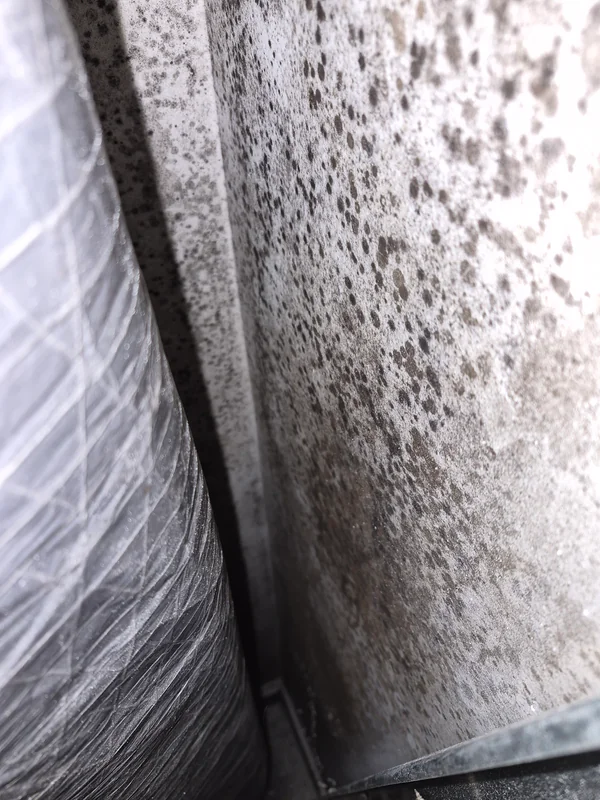
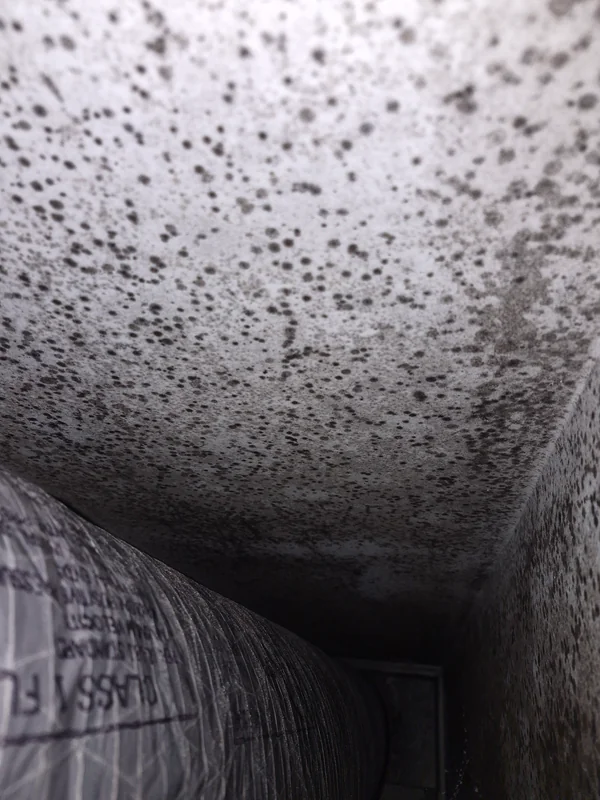
Most people don’t think about their ductwork until they smell something they can’t explain that damp, stale odor when the heat kicks on for the first time in October, or the allergy symptoms that seem to get worse every summer. In Washington Square West, where most of the housing stock was built before 1940, that smell usually has a story behind it.
When forced-air HVAC was retrofitted into these narrow rowhouses and converted condos decades ago, the ductwork had to go somewhere inside wall cavities, under floors, through spaces that were never designed to move air. Those hidden sections don’t get airflow. They collect moisture. And with Philadelphia summers regularly pushing humidity past 70%, they become exactly the kind of dark, damp environment where mold takes hold and spreads silently through every room every time your system runs.
After a proper air duct cleaning and mold inspection, the difference is noticeable. The smell is gone. The system runs cleaner. And you’re not left wondering what’s circulating through your home every time the HVAC kicks on. For residents living near Pennsylvania Hospital or working at Jefferson Health who already understand what mold exposure does to airways, this isn’t an abstract concern it’s a straightforward problem with a straightforward fix.
Mack’s Mold Removal & Inspections has been doing this work for over 15 years, and the difference between what we do and what a standard duct cleaning company does comes down to one thing: we’re mold specialists first. That changes how we approach every job.
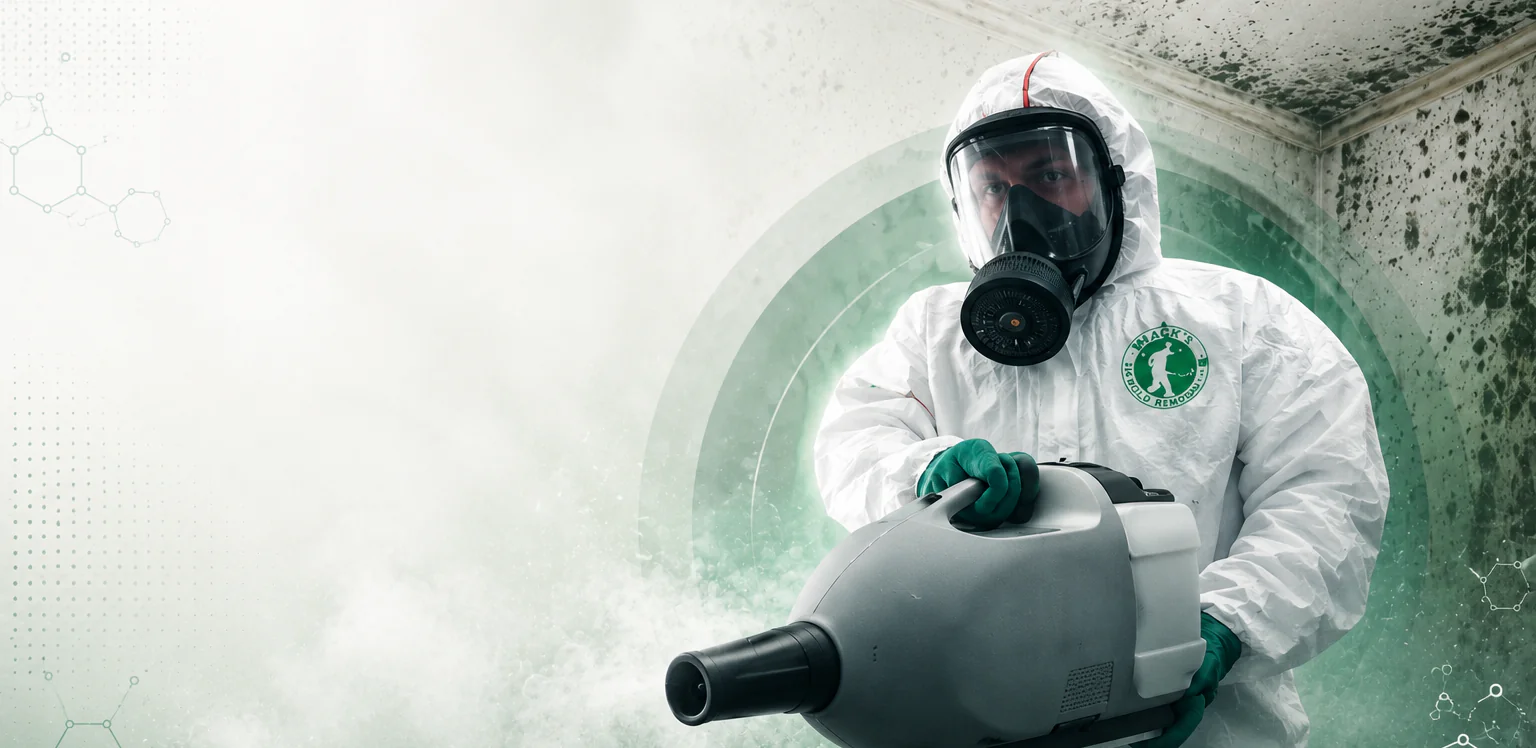
A general duct cleaner vacuums what they can reach and moves on. When mold is involved especially in the kind of irregular, modified ductwork common in Washington Square West’s condo conversions and pre-war rowhouses disturbing it without proper containment doesn’t clean the problem. It spreads it. We use negative air pressure, HEPA filtration, and containment protocols specifically because we know how mold behaves in a connected system.
We’re based in Bensalem and serve Philadelphia County, including Washington Square West and the surrounding Center City neighborhoods. Every job involves a certified inspector, upfront pricing before any work begins, and post-remediation lab testing to confirm the mold is actually gone not just moved around.
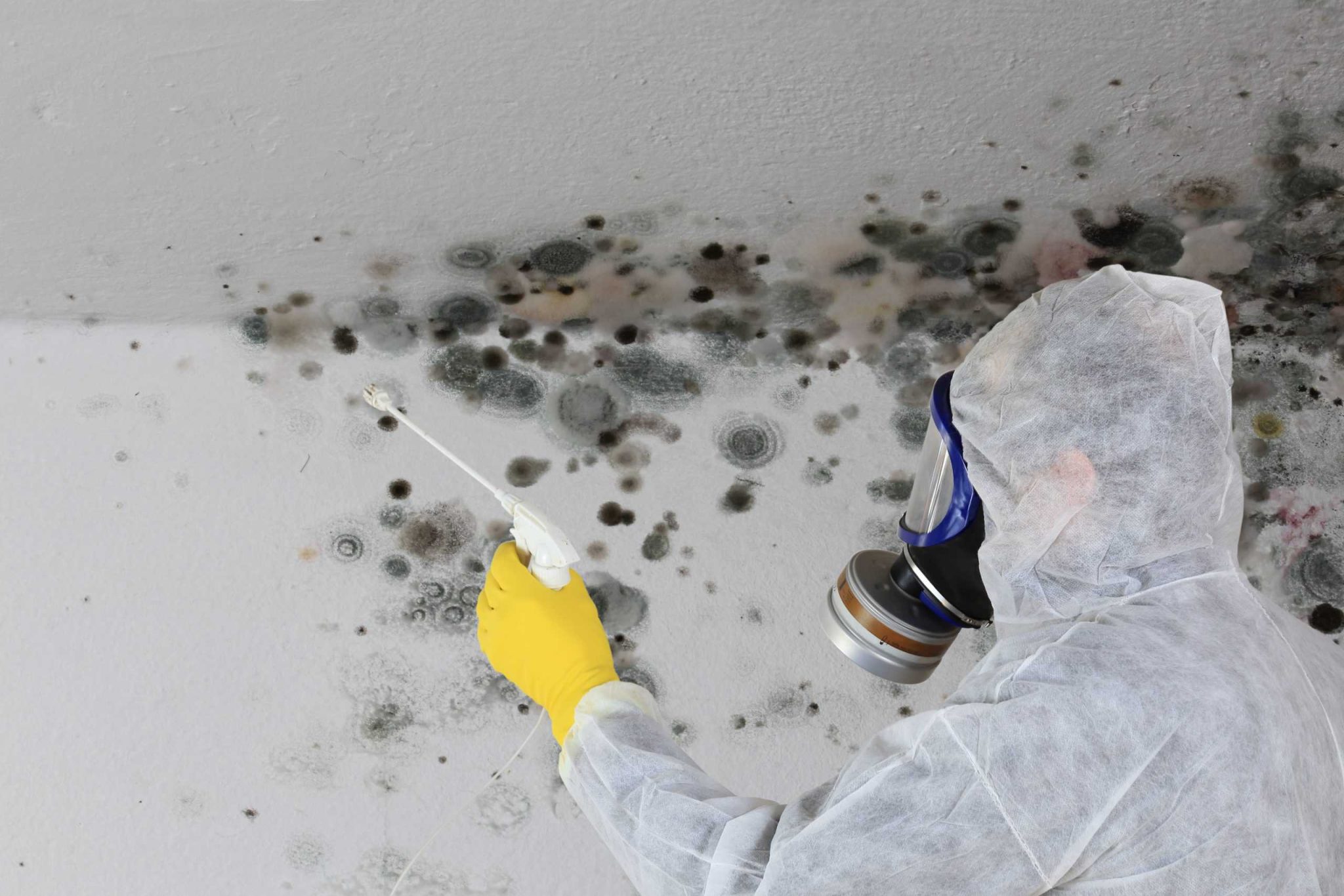
It starts with a free inspection. Before anyone touches your ductwork, we need to understand what we’re actually dealing with and in Washington Square West, that’s rarely straightforward. Condo conversions, retrofitted duct runs, shared walls between units, basement laundry setups with long dryer vent paths these aren’t standard configurations, and we don’t treat them like they are. The inspection maps your actual system, identifies where moisture is accumulating, and determines whether mold is present and where.
From there, we give you a clear picture of what needs to happen and what it will cost before any work begins. If mold is confirmed in the ductwork, we set up containment negative air pressure and physical barriers so that the cleaning process doesn’t push spores into the rest of your home. This step is what separates mold remediation from a standard duct vacuuming. We then clean both supply and return ducts, address the source of the moisture problem where possible, and apply air duct sanitizing treatments when needed.
The final step is the one most companies skip: we test after the job is done. Lab results confirm the mold is gone, not just disturbed. Given that Philadelphia summers create conditions where mold can reestablish quickly if the moisture source isn’t addressed, that verification isn’t optional it’s the only way to know the job actually worked.
Ready to get started?
Air duct cleaning from Mack’s Mold Removal & Inspections covers the full system supply ducts, return ducts, and the components in between. We don’t clean one side and call it done. In a Washington Square West rowhouse or condo where the duct layout may have been modified multiple times over the decades, a partial cleaning can leave contaminated sections untouched while giving the impression the job is complete.
When mold is confirmed, air duct sanitizing is included as part of the remediation process not sold as a separate upsell. This involves applying antimicrobial treatments after mechanical cleaning to address biological contamination that a vacuum alone can’t fully eliminate. It matters in this neighborhood specifically because Philadelphia’s humidity levels mean that a cleaned-but-not-sanitized system can see mold return within a single humid season.
We also handle dryer vent cleaning for Washington Square West homes, which is more important than most residents realize. Rowhouses with basement laundry rooms often have longer vent runs with multiple bends exactly the configuration where lint accumulates fastest and fire risk climbs. The NFPA reports nearly 16,000 dryer-related house fires per year, with clogged vents as the leading cause.
For renters who want documentation of a mold or air quality issue to present to a landlord, our inspection reports and lab results give you a professional paper trail. We also work directly with insurance companies when remediation costs fall under a homeowner’s or landlord’s policy.

The most common sign is a musty or stale smell that appears specifically when your HVAC system runs not a general odor in the home, but one that comes and goes with the system. In Washington Square West’s older rowhouses, this is particularly common in fall when the heat kicks on for the first time after a humid Philadelphia summer. Other signs include allergy or respiratory symptoms that seem worse indoors than outside, or visible discoloration around vent registers.
The challenge with pre-war construction is that most of the ductwork runs through spaces you can’t see or access inside wall cavities, beneath floors, in tight ceiling chases. By the time you notice a smell or visible growth near a register, the problem in the hidden sections of the duct system is often already significant. A professional mold inspection with lab testing is the only way to know for certain what’s in there and where it’s concentrated, rather than guessing based on surface symptoms alone.
It depends on why you’re doing it. The EPA’s position is nuanced routine duct cleaning in the absence of a specific problem has unclear benefits. But when mold is confirmed in the ductwork, when there’s been pest activity, or when significant debris is blocking airflow, the EPA explicitly recommends cleaning. In those situations, it’s not optional maintenance it’s addressing a real problem that affects the air in every room of your home every time the system runs.
The scam concern is legitimate and worth taking seriously. The industry has a documented bait-and-switch problem where companies advertise very low prices and then aggressively upsell once they’re in your home. The way to protect yourself is to work with a company that offers a free inspection and gives you upfront written pricing before any work begins so the number you’re quoted is the number you pay. That’s how we operate. If the inspection shows your ducts are clean and there’s no mold present, we’ll tell you that too.
Yes, and it’s something we encounter regularly in Washington Square West and the surrounding Center City neighborhoods. When a rowhouse is converted into multiple residential units, the original ductwork is often modified, extended, or rerouted to serve each unit separately but the results are rarely clean or standard. You may have duct runs that pass through common walls, floor cavities shared with the unit above or below, or junction points that were never designed for the airflow load they’re now carrying.
The first step is always the inspection, which maps what you actually have rather than assuming a standard layout. In some cases, sections of ductwork that cross unit boundaries require coordination with building management or neighboring unit owners to access properly. If that’s the situation in your building, we’ll walk you through what’s needed before any work begins. We also provide documentation of the work completed useful for condo associations or building managers who need a record of maintenance performed on shared infrastructure.
The general industry recommendation is every three to five years for a typical home. But in Washington Square West specifically, a few factors can shorten that window. Philadelphia’s summers consistently push outdoor humidity past the EPA’s mold-growth threshold, and HVAC systems running continuously through heat index values that reached over 100°F in recent summers are generating significant condensation inside ductwork. If your system is working hard through a Philadelphia summer and the ducts haven’t been inspected in several years, waiting the full five-year cycle isn’t the right call.
Other situations that warrant more frequent cleaning regardless of the standard timeline: if you’ve had any renovation work done in the home, which pushes drywall dust and construction debris into the duct system; if you’ve had a water intrusion event anywhere in the building; or if you’ve recently had mold remediated elsewhere in the property and haven’t had the HVAC system checked. In that last case, the ducts are often how mold reestablishes itself in a space that’s already been remediated and addressing the surface mold without checking the system leaves the job incomplete.
Air duct cleaning is the mechanical process physically removing dust, debris, and biological material from inside the duct system using negative air pressure equipment and HEPA vacuuming. Air duct sanitizing is what comes after: applying antimicrobial treatments to the interior surfaces of the ducts to address biological contamination that mechanical cleaning alone can’t fully eliminate. Mold spores, bacteria, and other biological matter can remain on duct surfaces even after a thorough cleaning, and sanitizing is what kills what’s left behind.
Whether you need both depends on what the inspection finds. If the cleaning reveals mold growth inside the ductwork, sanitizing is a necessary follow-up step not an optional add-on. In Washington Square West’s climate, where humidity stays elevated through most of the summer and HVAC systems run hard to compensate, a cleaned-but-not-sanitized duct system is at meaningful risk of mold returning within one or two humid seasons. If the inspection shows no mold and the issue is primarily accumulated dust or debris, sanitizing may not be necessary. We’ll tell you honestly what the inspection shows and what we recommend based on what we actually find.
This is a real situation and more common than most renters realize. In a neighborhood where the majority of residents rent, the decision to address mold or HVAC issues sits with the landlord and landlords don’t always move quickly, especially when the problem isn’t visible. What changes the dynamic is documentation. A professional mold inspection with lab results is a formal, third-party record of what was found, where it was found, and what the recommended remediation involves. That’s a different conversation than telling your landlord you think something smells off.
Pennsylvania law requires landlords to maintain rental properties in a habitable condition, and confirmed mold in an HVAC system that’s actively distributing spores throughout a unit is a habitability issue. A certified inspection report from Mack’s Mold Removal & Inspections gives you the documentation to make that case clearly to your landlord, to a property manager, or if necessary, to Philadelphia’s Department of Licenses and Inspections. We also work directly with insurance companies when remediation costs may fall under a landlord’s property policy, which sometimes makes the financial conversation easier for property owners who might otherwise push back on the cost.
Other Services we provide in Washington Square West