
Hear from Our Customers
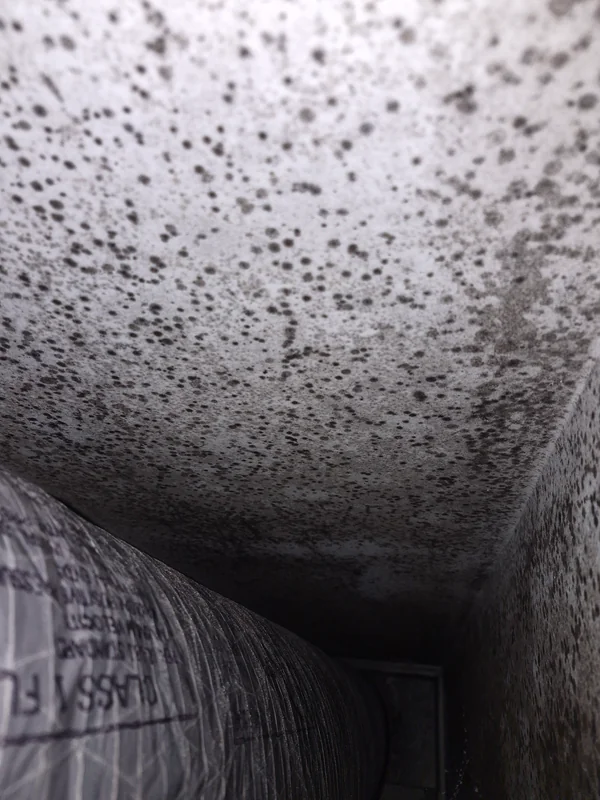
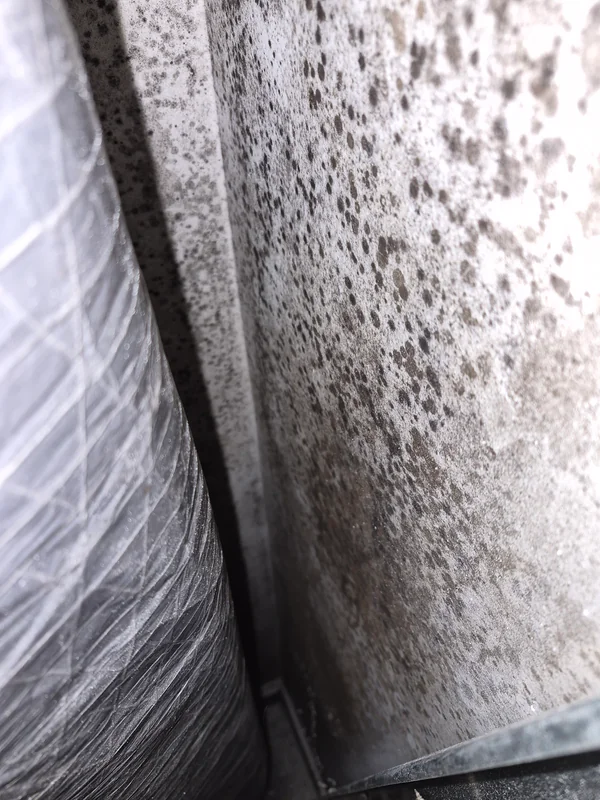
Most homes in Washington Crossing were built in the 1960s and 1970s. That means ductwork that’s been sitting inside your walls for 50 or 60 years cycling through Bucks County’s above-average rainfall, humid summers, and cold winters without ever being professionally cleaned. By the time you’re noticing a smell or dealing with symptoms, the contamination is usually well established inside the system, not just at the register.
The Delaware River floodplain creates a specific condition here that inland Bucks County towns don’t deal with to the same degree. Ground-level humidity along River Road and in neighborhoods like Buckland Valley and Lakeside is measurably higher, especially in spring and fall when temperature shifts between the river surface and the air pull moisture into homes through basements, crawl spaces, and gaps in older foundations. That moisture follows the stack effect upward straight into your HVAC system.
Once we clean the ductwork and address any mold properly, the difference is real. You’re not recirculating the same contaminated air through every room every time the heat or AC runs. For families in the Traditions community or in older colonials along River Road, that’s not a minor upgrade it’s a meaningful change in what your household is actually breathing every day.
Mack’s Mold Removal & Inspections is based in Bensalem and has been serving Bucks County homeowners for over 15 years. When you reach out to us, you’re dealing with a certified mold remediation team that already knows Washington Crossing the river corridor conditions, the aging housing stock in the 18977 ZIP code, the stone foundations common in historic properties near the park, and the moisture patterns that make HVAC contamination a recurring problem in this area.
That background matters when you’re dealing with mold in ductwork specifically. A general duct cleaning company can vacuum registers. What they can’t do is identify where the moisture source is, contain active mold properly during removal, or verify with post-cleaning lab testing that the problem is actually gone. We do all three and have done it for Washington Crossing residents long enough to know exactly where moisture hides in homes along River Road.
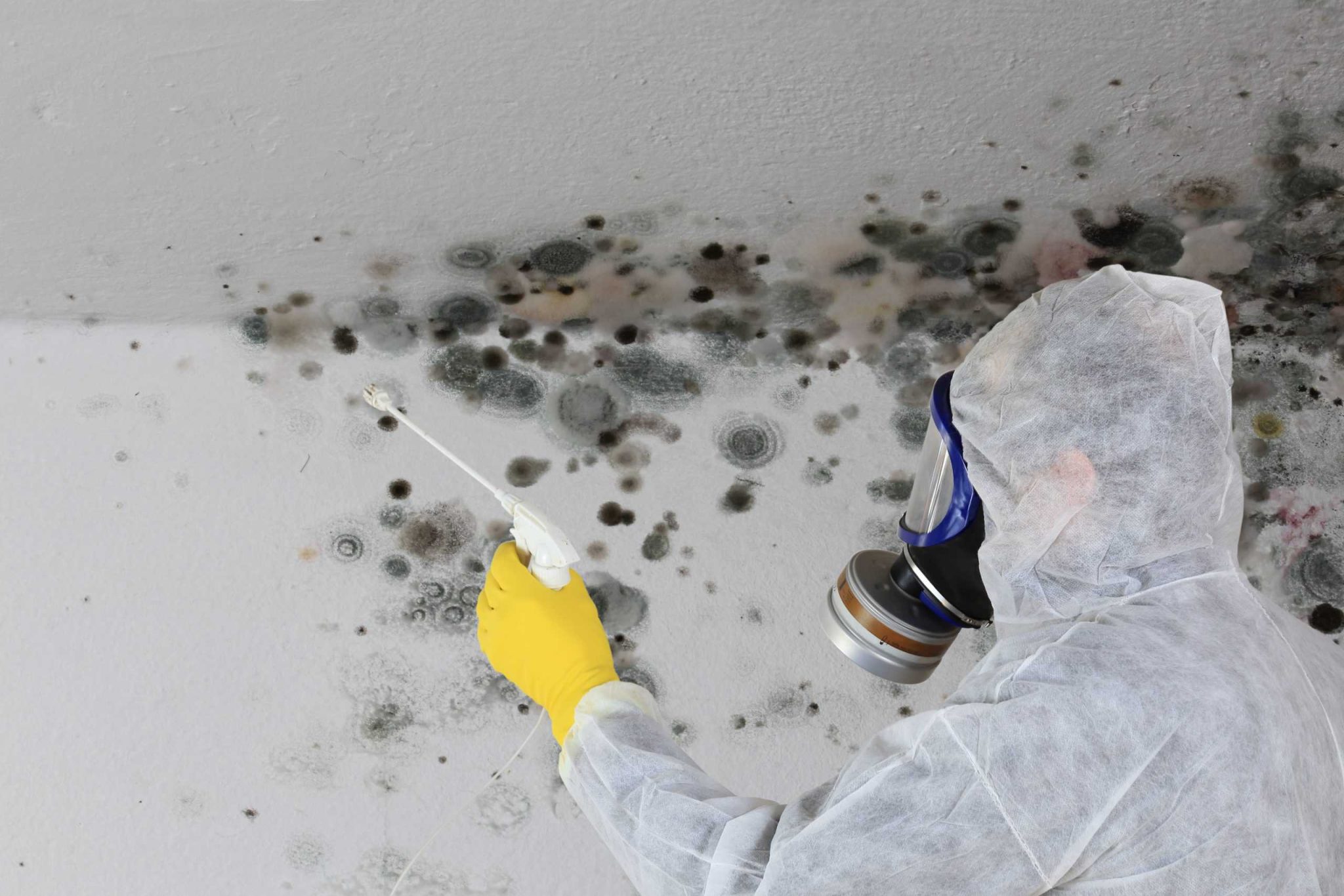
It starts with a free inspection. Before any cleaning begins, we assess your ductwork, identify any visible mold or contamination, and pull samples for lab analysis if warranted. In Washington Crossing, that inspection pays particular attention to areas where moisture intrusion is most likely basement duct connections, return air pathways near exterior walls, and any sections of ductwork running through unconditioned spaces where condensation builds in older colonial-style homes.
From there, the actual cleaning uses professional-grade equipment negative air pressure systems and HEPA-filtered vacuums that physically removes biological debris from inside the duct system. This is not a surface wipe. It’s a mechanical process that works through the entire system, both supply and return sides, which is the only way to do the job correctly. For homes with longer duct runs, like many of the larger properties in Washington Crossing, this typically takes several hours to complete properly.
After the cleaning, if mold was present, we treat the affected areas and then test again. You get documentation showing what was found and confirmation that it’s been addressed. That post-cleaning verification step is something most duct cleaners skip entirely we include it because the goal is a result you can confirm, not just a service you paid for.

Ready to get started?
Air duct cleaning covers the mechanical removal of dust, debris, and biological contamination from your HVAC ductwork but in a home with confirmed or suspected mold, cleaning alone isn’t the complete answer. Air duct sanitizing applies an antimicrobial treatment to the interior surfaces of the duct system after the physical cleaning is done. The two steps work together: cleaning removes what’s there, sanitizing addresses what might remain at a microscopic level. For Washington Crossing homes dealing with the persistent humidity conditions of the river corridor, skipping the sanitizing step after a mold-related cleaning doesn’t make much sense.
Dryer vent cleaning is a separate service that’s worth taking seriously, especially in larger colonial homes where the vent run travels through walls and floors before exiting the structure. The longer the run, the faster lint accumulates, and the higher the fire risk. The NFPA reports roughly 15,970 dryer-related house fires per year nationally, with failure to clean the vent as the leading cause. In homes along Mt. Eyre Road or in the Traditions community where dryer vents may not have been serviced in years, this is a straightforward safety issue.
We also handle indoor air quality testing and post-remediation cleanup, which means if the duct cleaning surfaces a larger mold issue elsewhere in your home in the attic, crawl space, or behind walls you don’t have to start over with a different company. We can assess and address the full picture in one engagement.

Yes, and it’s not a minor factor. Washington Crossing sits directly on the Delaware River floodplain, and the river corridor generates ground-level humidity that is measurably higher than what you’d find in inland Bucks County towns particularly in spring and fall when temperature differentials between the river surface and the air are greatest. That elevated humidity works its way into homes through basements, crawl spaces, and the gaps in older foundations, including the stone foundations common in historic properties near Washington Crossing Historic Park.
Once moisture gets into the lower levels of a home, it doesn’t stay there. The stack effect pulls warm, humid air upward through the structure and into the HVAC system. In a home built in the 1960s or 1970s which describes most of the housing stock in the 18977 ZIP code that process has been happening for decades. The result is often mold growth in the interior sections of ductwork that you can’t see from the register and wouldn’t detect until you’re noticing a musty smell when the system runs or dealing with respiratory symptoms that don’t have another obvious explanation.
The most common sign is a musty or earthy smell that appears specifically when your HVAC system turns on and disappears when it’s off. That pattern smell tied directly to the system running points to contamination inside the ductwork rather than a surface issue elsewhere in the home. You might also notice discoloration around supply registers, or household members experiencing worsening allergy or respiratory symptoms that seem tied to time spent indoors.
The honest answer is that you can’t definitively confirm mold in your ducts without an inspection. What looks like dust buildup at the register could be just that or it could be the visible edge of a larger biological contamination deeper in the system. A proper inspection involves looking beyond the register opening, pulling samples from interior duct surfaces, and sending those samples to a lab for analysis. That’s the only way to know what you’re actually dealing with. We offer free inspections in Washington Crossing, so there’s no cost to getting a real answer before deciding on next steps.
Older homes carry a specific set of ductwork risks that newer construction doesn’t. Duct systems installed in the 1960s were designed to different standards, often using materials that have since degraded insulation that’s broken down and become a substrate for mold, galvanized metal with surface rust that mold colonizes readily, and seams and joints that have loosened over decades of thermal expansion and contraction. None of this is visible from the outside, and most of it wouldn’t show up on a standard home inspection.
In Washington Crossing specifically, the combination of aging ductwork and river corridor humidity is a pairing that warrants attention. A home that’s been well maintained on the surface updated kitchen, new roof, fresh landscaping can still have a duct system inside the walls that’s never been professionally cleaned in 50 or 60 years. For long-tenure homeowners or buyers who’ve recently purchased a property in the area, a duct inspection and cleaning is one of the more straightforward maintenance decisions you can make for a home of this age.
They’re two different steps that address two different things. Air duct cleaning is the mechanical process using professional equipment to physically remove dust, debris, mold spores, and biological material from inside the ductwork. It’s the foundation of the job. Air duct sanitizing comes after the cleaning and involves applying an antimicrobial treatment to the interior surfaces of the duct system to address any remaining biological contamination at a microscopic level that the physical cleaning alone can’t fully eliminate.
Whether you need both depends on what’s found during the inspection. If the cleaning is being done primarily for general maintenance and no mold is confirmed, sanitizing may be optional. But if mold is present which is a realistic finding in Washington Crossing homes given the river corridor humidity and the age of most ductwork in the area stopping at cleaning without sanitizing leaves the job incomplete. Mold doesn’t need much to re-establish itself, especially in a duct environment that continues to see moisture exposure. Doing both steps together is the more thorough approach when biological contamination is involved.
The general industry guidance is every three to five years for a typical home under normal conditions. But Washington Crossing isn’t a typical humidity environment, and most homes in the area aren’t recently built. For a home in the 18977 ZIP code older construction, river corridor moisture exposure, possibly with a history of any water intrusion in the basement or crawl space a more conservative approach makes sense. Every three years is a reasonable starting point, and after any event that introduces significant moisture into the home, an inspection sooner than that is worth doing.
Specific triggers that should move duct cleaning up the priority list regardless of your last service date: a musty smell from the HVAC system, visible discoloration near registers, any flooding or water intrusion event, recent mold remediation elsewhere in the home, or worsening allergy or respiratory symptoms in household members. Upper Makefield Township has documented flood risk from both the Delaware River and local creeks like Jericho Creek and Hough’s Creek if your home has experienced any water event in recent years, the ductwork deserves a look even if it was cleaned before the event occurred.
It’s a legitimate fire safety service, not a maintenance add-on. The National Fire Protection Association reports approximately 15,970 dryer-related house fires per year in the United States, and failure to clean the dryer vent is the leading cause. In Washington Crossing, the concern is especially relevant for larger colonial-style homes and estate properties where the dryer vent run is longer than in a typical suburban house.
A vent that travels through interior walls, across a floor, and out through an exterior wall accumulates lint faster than a short run, and blockages develop in sections you can’t access or inspect yourself. The Traditions community, with homes built around 1982, has housing stock that’s now over 40 years old meaning original or early-replacement dryer vent installations that may not have been professionally serviced in years. A blocked or partially blocked dryer vent also makes your dryer work harder and run longer, which shortens the life of the appliance. Getting it cleaned addresses both the fire risk and the equipment wear issue at the same time.
Other Services we provide in Washington Crossing