

Hear from Our Customers
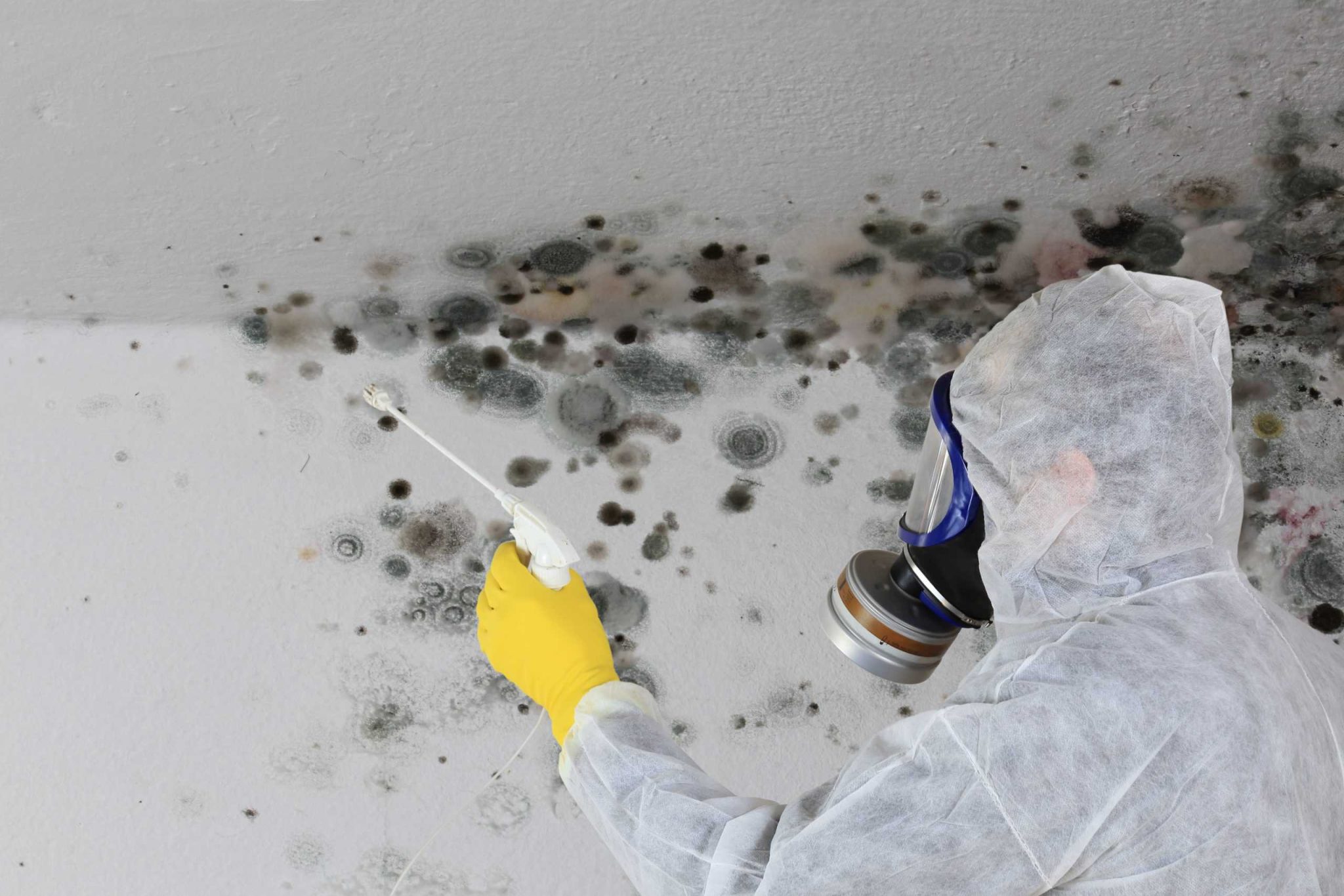
Most Tullytown homes in the Levittown section were built between 1949 and 1955. That’s over 70 years of ductwork original in some cases, replaced in others during the 1970s and 1980s running through homes that sit on terrain the borough’s own Open Space Plan describes as a Delaware River floodplain. Levittown Lake, Van Sciver Lake, Martin’s Creek, and the Delaware & Lehigh Canal all sit within Tullytown’s 2.11-square-mile footprint.
That much water nearby means the ground under your home holds moisture year-round, and your HVAC system pulls that ambient humidity through your ducts every single time it runs. Over time, that moisture deposits on evaporator coils and in the interior sections of your ductwork exactly the dark, damp environment where mold takes hold. You may not see anything at the register, but the problem doesn’t start there. It starts deep inside the system, in sections you can’t reach without professional equipment and the training to know what you’re looking at.
When the work is done right, the difference is straightforward. The musty smell when the heat kicks on in October goes away. Your family stops breathing whatever was circulating through those 70-year-old ducts every time the system cycled. And you have documentation not just a promise that the job was actually completed.
We’re based in Bensalem, about 15 minutes from Tullytown via Bristol Pike. That’s not a regional franchise routing a crew from across the county it’s a short drive down the same road the Levittown SEPTA station sits on. We’ve been working in lower Bucks County for over 15 years, which means we’ve been inside Levittown-era homes long enough to know what aging ductwork, concrete block foundations, and undersized bathroom exhaust fans actually look like in the field.
What sets us apart from a general duct cleaning company is the certification behind our work. We are mold remediation specialists not technicians with a vacuum and a truck. When mold is present in a duct system, disturbing it without proper containment spreads spores to every room the system serves. That’s a risk a general cleaner won’t tell you about. We will, and we handle it correctly from the start.
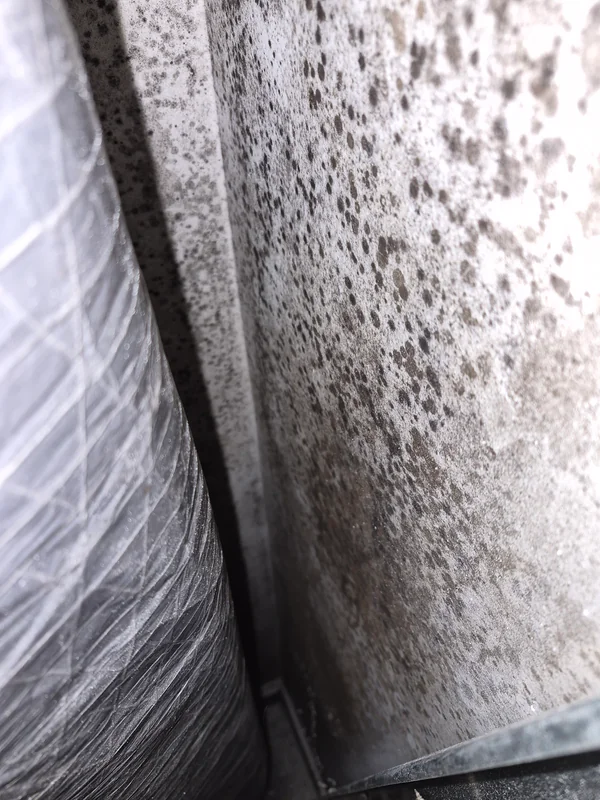
It starts with a free inspection. Before any work begins, a certified inspector looks at your system not just the registers you can see, but the interior ductwork, the evaporator coil area, and the return air pathways. In a Tullytown home, especially one built during the Levittown era, that inspection often reveals conditions you had no way of knowing about: moisture accumulation on coil surfaces, debris built up in duct runs that haven’t been touched in decades, or visible mold growth in sections of the system that are completely hidden from view.
If mold is found, containment comes before cleaning. This is the step that separates a mold specialist from a standard duct cleaner. We use proper containment protocols to prevent spores from being disturbed and redistributed through your home during the cleaning process. From there, the mechanical cleaning removes physical debris and buildup throughout the supply and return duct system both sides, not just one.
The final step is verification. We test the affected areas after the job to confirm the mold has been eliminated. In a borough with Tullytown’s moisture environment, knowing the work was done right isn’t optional it’s the only way to have real confidence in the result. Standard mold remediation work in Tullytown doesn’t require a municipal permit, so there’s no administrative delay between inspection and getting started.
Ready to get started?
Air duct cleaning and air duct sanitizing are not the same thing, and in a moisture-heavy environment like Tullytown’s, the distinction matters. Mechanical cleaning removes physical debris dust, buildup, biological material from the interior of your duct system. Sanitizing applies an antimicrobial treatment after the cleaning to address any remaining biological contamination that physical removal alone doesn’t eliminate. When mold has been active in a duct system, both steps are necessary. We use environmentally friendly products throughout, which matters in a community where 40% of households have children under 18.
Dryer vent cleaning is also part of what we handle, and it’s worth taking seriously in a dense borough like Tullytown. With homes closely spaced and dryer vents that can run longer or at tighter angles in older construction, lint buildup is a genuine fire risk not a maintenance preference. The NFPA reports more than 15,000 dryer-related house fires annually, with failure to clean the vent as the leading cause.
If mold found in your HVAC system is connected to a water damage event a basement flood, moisture intrusion from the elevated water table, or a leak in an aging Levitt-era home your homeowner’s insurance may cover part or all of the remediation. We work directly with insurance companies on claims, handling the documentation so you don’t have to figure it out on your own. Financing is also available for work that isn’t covered, so cost doesn’t have to be the reason you wait.
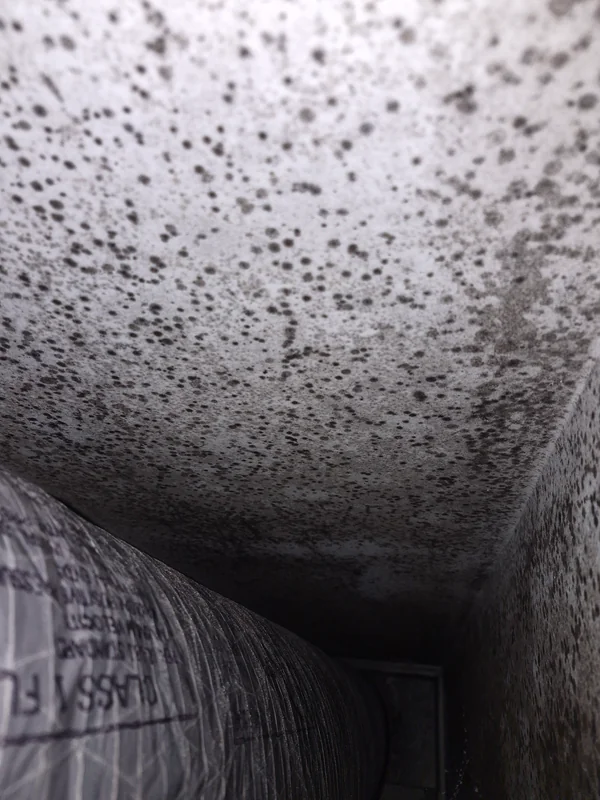
The most common first sign is a musty smell that appears specifically when your HVAC system runs not all the time, but when the heat or air conditioning kicks on. That smell is often dismissed as “just the house,” especially in older Levittown-era homes where residents have grown accustomed to certain baseline odors. But when the smell is coming from the vents themselves, it’s worth having a certified inspector look at the interior ductwork rather than assuming it’s nothing.
Other signs include worsening allergy or asthma symptoms that seem to improve when you’re out of the house, visible discoloration around registers or on vent covers, and a general stuffiness that doesn’t resolve with normal cleaning. In Tullytown’s moisture-rich environment with the elevated water table from the Delaware River floodplain and the borough’s multiple water features mold in ductwork is not a rare edge case. It’s a realistic outcome for homes that haven’t had their systems inspected in several years, particularly those built in the 1950s with aging or partially original duct runs.
The honest answer is that it depends on what’s in your ducts. The EPA’s position on routine duct cleaning absent a specific confirmed problem is that the evidence for broad health benefits is limited. But the EPA also explicitly recommends cleaning when mold is confirmed in the system, when there’s been a pest or rodent infestation, or when substantial debris is visibly blocking airflow. Those aren’t edge cases in Tullytown. They’re realistic findings in homes that are 70 years old, sitting on a floodplain, with ductwork that may not have been seriously inspected since the 1970s.
The concern about upselling is legitimate. The industry has a documented $99 bait-and-switch problem where low-ball offers are followed by aggressive add-on pressure once a technician is in your home. We operate differently the inspection is free, the pricing is upfront before any work begins, and the quote you’re given is the price you pay. If the inspection finds nothing worth cleaning, you’ll be told that too.
Yes, and it’s one of the more important things to understand about HVAC mold specifically. Your duct system connects every room in your home. When mold is growing inside the ductwork, every heating and cooling cycle distributes spores through that entire network to the bedrooms, the living areas, the kitchen, everywhere the system reaches. One contaminated section of duct becomes a whole-house exposure issue over time.
This is also why the method of cleaning matters as much as the cleaning itself. A general duct cleaning company that disturbs mold growth without proper containment can actually make the problem worse by releasing spores into the air during the process. We use containment protocols before any mechanical cleaning begins, specifically to prevent that from happening. In a home where the HVAC system is the primary air distribution mechanism which is the case in virtually every Levittown-era home in Tullytown getting this step right is not optional.
This is one of the most common situations that leads Tullytown homeowners to call us, and the short answer is yes it’s worth having the ducts inspected after any mold remediation work elsewhere in your home. The HVAC system is often the last thing checked during a mold remediation job focused on a specific area like a basement or crawl space. But if the conditions that caused mold growth in the basement moisture intrusion, elevated humidity, groundwater were present for any length of time, the air your HVAC return was pulling from that space may have already introduced mold spores into the duct system.
In Tullytown specifically, where basement moisture is a structural reality for many homes given the floodplain location and the aging 1950s sump systems in Levittown properties, this scenario is common enough that it’s worth treating as a standard follow-up step rather than an optional one. A post-remediation duct inspection gives you a complete picture of whether the problem was contained to the area that was treated or whether it traveled further through the system.
For a typical residential home, a thorough professional air duct cleaning takes approximately four to six hours. That’s the industry standard for a job done correctly cleaning both the supply and return duct runs, not just one side of the system. If mold is found and containment is required before cleaning begins, the timeline may extend depending on the extent of the growth and how much of the system is affected.
In older Levittown-era homes, the duct layout can add complexity. Some of these homes have duct runs in locations that require more access work than a newer home with a more straightforward layout. The free inspection we conduct before any work begins gives you a realistic timeline before anything is scheduled, so you know what to expect. A job that takes four hours is worth doing right a job that takes 45 minutes and costs $99 almost certainly didn’t clean both sides of your system or address anything beyond what was visible at the register.
Yes, we offer financing. Mold and HVAC issues don’t wait for a convenient time financially. In a community like Tullytown, where many residents are maintaining aging Levittown-era homes on working-class budgets, the cost of a necessary service shouldn’t be the reason a family keeps breathing through a contaminated system for another season.
The free inspection is the starting point there’s no cost to find out what’s actually in your ducts. From there, if work is recommended, the pricing is laid out upfront before anything begins. If the scope is larger than expected, or if the situation involves mold remediation in addition to standard duct cleaning, financing means you can move forward with the full job rather than doing a partial fix and hoping the rest holds. We also work directly with homeowner’s insurance companies when the work is connected to a covered water damage event, which can reduce or eliminate out-of-pocket costs entirely depending on your policy.
Other Services we provide in Tullytown