

Hear from Our Customers
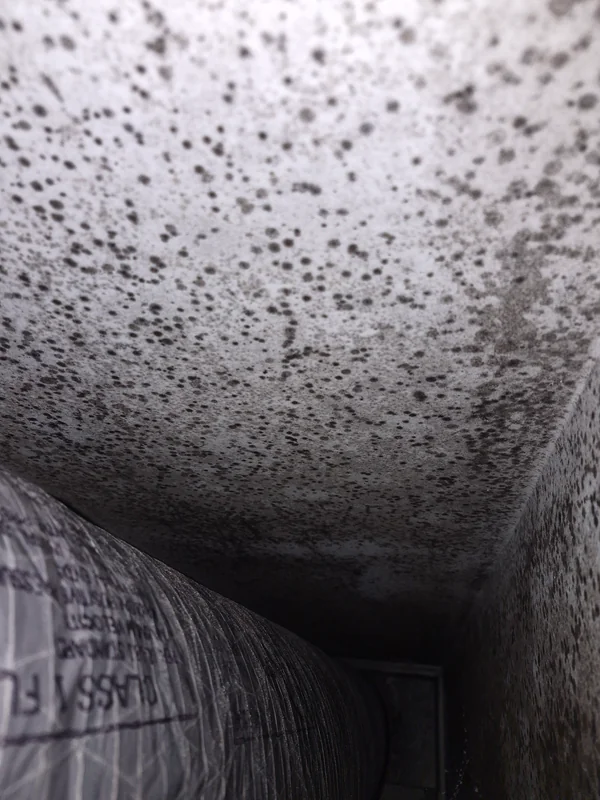
If your heat or AC kicks on and you catch a faint musty smell, that’s not just an old house being an old house. In Trevose, where annual rainfall sits around 46 inches and summer dew points regularly push past 70°F, the inside of aging ductwork stays damp enough for mold to take hold and once it does, your HVAC system becomes the delivery mechanism. Every time the system runs, it’s distributing whatever is living in those ducts to every room in the house simultaneously.
The homes in Trevose were built primarily between the 1920s and 1960s. Many have never had their ductwork professionally inspected, let alone cleaned. That’s not a knock on anyone it’s just the reality of older construction in a high-humidity climate. What it means practically is that the air circulating through your home right now may be carrying mold spores, accumulated dust, and decades of biological buildup that no amount of air freshener is going to fix.
After a professional cleaning and sanitizing, the difference is noticeable. Less stuffiness. Fewer allergy flare-ups. The HVAC system runs more efficiently because it’s not pushing air through clogged, contaminated passages. And if you have kids or older family members at home, you’re not left wondering what they’re breathing every time the heat comes on.
We’re based in Bensalem, the same township that borders Trevose along Brownsville Road. This isn’t a company routing calls through a regional dispatch center. When you call Mack’s Mold Removal, you’re reaching a local operation that has spent over 15 years working in Bucks County homes, including the older residential neighborhoods that define this part of lower Bucks.
What sets us apart from a standard duct cleaning company is the mold remediation background. Most duct cleaners are equipped to remove dust. When mold is involved which in a home with 1950s-era ductwork and Trevose’s humidity levels is a real possibility disturbing it without proper containment protocols can spread spores further into the home. We bring certified mold inspection and remediation expertise to every job, which means the cleaning is done the right way for the actual problem at hand.
After the work is done, we test to confirm the mold is gone. That’s not standard in this industry. It should be.
It starts with a free inspection. Before any cleaning begins, a certified inspector walks through your home and assesses the actual condition of your duct system not just what’s visible at the register, but what’s happening deeper in the ductwork where mold growth typically originates. In Trevose’s older housing stock, this step often surfaces issues that weren’t on the homeowner’s radar at all.
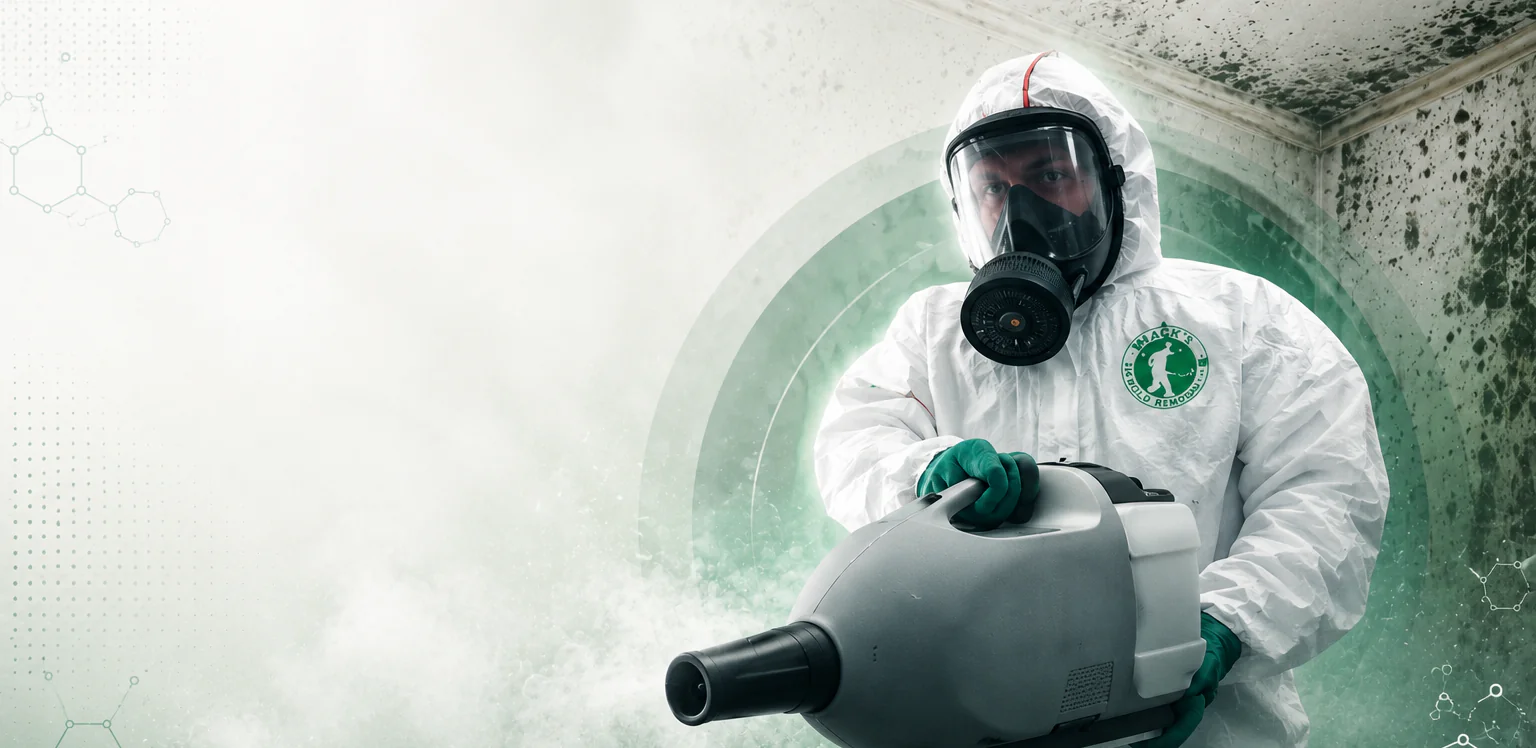
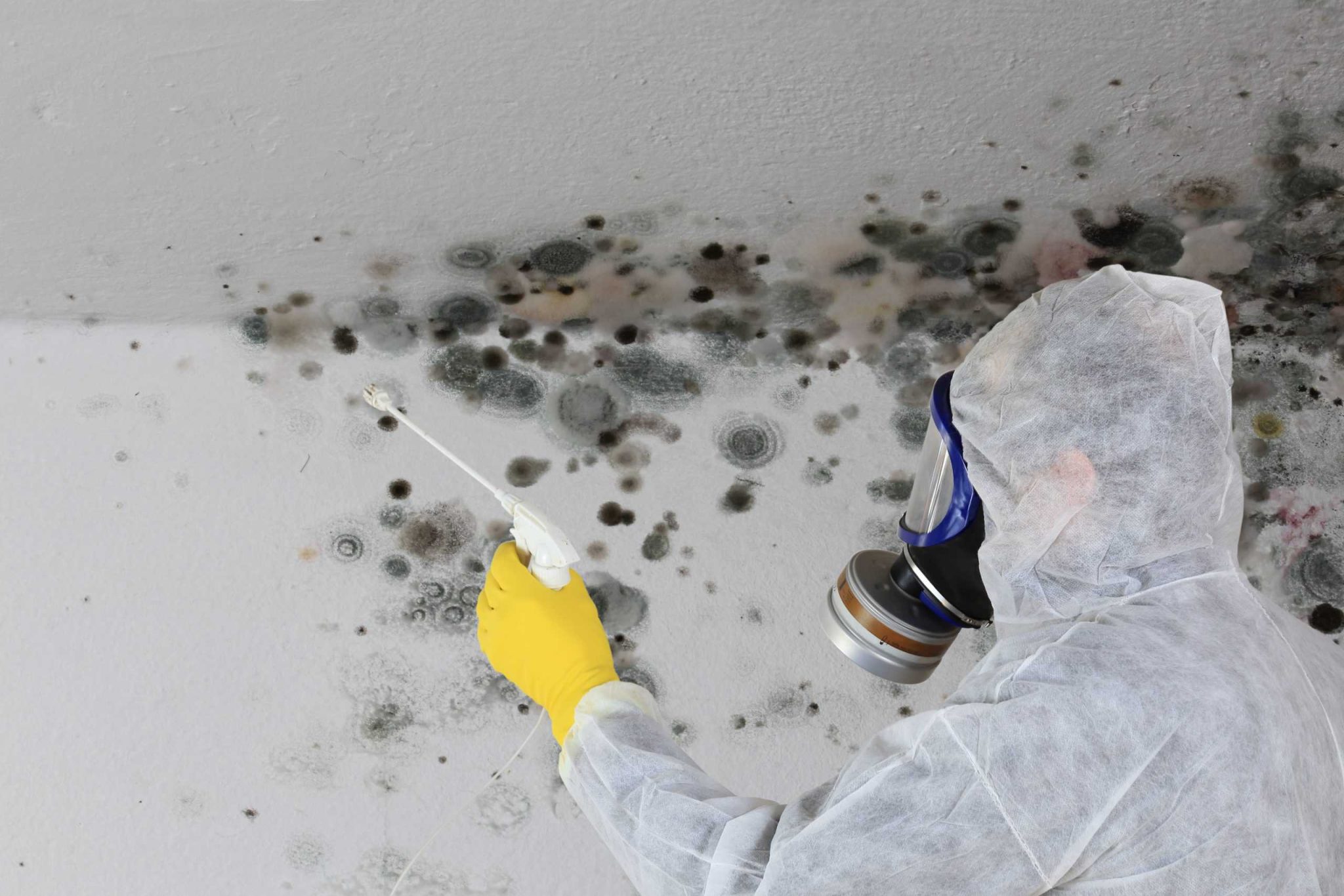
If mold is found, containment comes first. This is where the mold remediation background matters. The affected sections of ductwork are isolated so that the cleaning process doesn’t push spores into living areas. From there, the mechanical cleaning removes debris, buildup, and biological contamination from both supply and return ducts a full system clean, not just the vents you can see. If mold was present, air duct sanitizing follows: an antimicrobial treatment applied to the interior duct surfaces to address what mechanical cleaning alone can’t fully eliminate.
The last step is verification. We test the affected areas after the job to confirm the mold is actually gone not assumed gone, confirmed. Given that Trevose’s wet summers and aging home construction create conditions where mold can reestablish quickly if the job isn’t done completely, that post-cleaning confirmation isn’t optional. It’s the only way to know the work held.
Ready to get started?
Air duct cleaning is the core service, but it doesn’t exist in isolation. We at Mack’s Mold Removal also handle dryer vent cleaning, air duct sanitizing, and mold inspection as part of a complete indoor air quality approach. In Trevose, where some homes still have original or early-generation dryer vent configurations from mid-century construction, dryer vent cleaning isn’t a minor maintenance item the NFPA reports over 15,000 dryer-related house fires annually, and failure to clean the vent is the leading cause. If your home was built in the 1950s or 60s and the vent has never been serviced, that’s a fire risk sitting behind your dryer right now.
For homes where mold is confirmed in the duct system, cleaning alone isn’t the complete answer. Air duct sanitizing the application of antimicrobial treatment after mechanical cleaning addresses the biological contamination that the vacuum doesn’t fully eliminate. In Bucks County’s humid climate, skipping this step often means the problem returns faster than it should.
We also work directly with insurance companies on claims, which matters in situations where mold in the HVAC system is tied to a water damage event or a post-storm moisture issue. Flexible financing is available for jobs where the scope expands beyond a standard cleaning. Upfront pricing is given before any work begins what you’re quoted is what you pay.
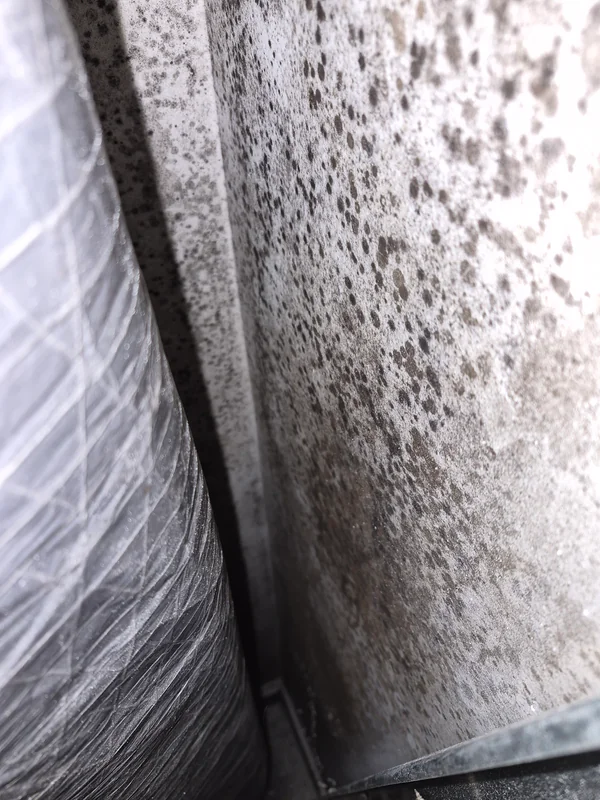
The most common sign is a musty or stale smell that appears specifically when your heating or cooling system turns on and then fades once the air stops moving. That pattern points to something inside the duct system itself, not just general household odors. You might also notice that allergy or respiratory symptoms are worse at home than they are elsewhere, or that certain rooms feel stuffier than they should despite the HVAC running normally.
In Trevose, particularly in homes built in the 1940s through 1960s, the conditions for mold growth inside ductwork are genuinely favorable. Many of these homes have ductwork that has never been professionally inspected. Add in Bucks County’s above-average annual rainfall and summer humidity levels that regularly push dew points past 70°F, and the interior of aging metal ducts can stay damp enough for mold to establish and spread. A free inspection from a certified mold specialist is the only way to know for certain what’s actually inside your system and it’s a better starting point than guessing based on smell alone.
Air duct cleaning is the mechanical process physically removing dust, debris, and biological buildup from inside the duct system using professional equipment that creates negative air pressure to pull contaminants out rather than push them further in. It addresses the physical material that’s accumulated in the ducts over time.
Air duct sanitizing is a separate step that comes after cleaning. It involves applying an antimicrobial treatment to the interior duct surfaces to kill the biological contamination mold spores, bacteria that mechanical cleaning dislodges but doesn’t fully eliminate. If your ducts just have years of ordinary dust buildup, cleaning alone may be sufficient. But if mold is involved, sanitizing is the step that actually addresses the biological problem at its root. In a home with older ductwork in a high-humidity environment like Trevose, skipping sanitizing after a mold-related cleaning often means the issue returns sooner than it should, because the conditions that allowed mold to grow in the first place haven’t changed. Doing both gives you a complete result, not just a partial one.
Yes and that’s what makes HVAC-related mold different from mold found in a single location like a basement wall or under a sink. When mold colonizes inside ductwork, the HVAC system itself becomes the distribution mechanism. Every time the heat or air conditioning runs, it moves air through the contaminated sections and carries spores to every room connected to the system. A problem that started in one section of ductwork can affect the entire house within a relatively short period of time.
This is particularly relevant for Trevose homeowners with older homes, where ductwork runs throughout the structure and may have accumulated moisture over decades. It’s also why the cleaning process matters as much as the cleaning itself disturbing mold inside ducts without proper containment protocols can accelerate the spread rather than stop it. We use containment procedures drawn from mold remediation practice, not just standard duct cleaning protocol, specifically to prevent cross-contamination during the job. That distinction is worth understanding before you hire anyone to go inside your duct system.
The general industry guidance is every three to five years for a typical home under normal conditions. But “normal conditions” is doing a lot of work in that sentence. For an older home in Trevose one built in the 1940s or 1950s with original or early-generation ductwork the baseline risk is already higher than a newer home with modern construction and better moisture control. Bucks County’s climate adds to that: roughly 46 inches of annual rainfall and humid summers create conditions where moisture finds its way into HVAC systems more readily than in drier parts of the country.
If you’ve recently had mold remediated anywhere else in the home a basement, a crawl space, a bathroom the ducts should be inspected regardless of when they were last cleaned. Mold remediation that doesn’t account for the HVAC system can result in recontamination of the treated area if the ducts were carrying spores during the remediation. Similarly, if you’ve recently purchased an older Trevose home and have no record of prior duct cleaning, an inspection is a reasonable first step before assuming the system is clean.
It’s a legitimate fire safety issue, not a convenience add-on. The National Fire Protection Association reports more than 15,000 dryer-related structural fires per year in the United States, and the leading cause is failure to clean the dryer vent not mechanical failure, not electrical problems, but lint buildup in the vent itself. Lint is highly combustible, and when it accumulates in a vent that isn’t regularly cleared, it creates a direct fire risk every time the dryer runs.
For homes in Trevose, particularly those built in the mid-20th century, dryer vent configurations can be longer or more complex than modern installations, with more bends and turns that trap lint more easily. Some older homes also have venting that terminates in a less-than-ideal location or hasn’t been updated since original construction. A dryer that takes two or three cycles to dry a normal load is often a sign that airflow through the vent is restricted and restricted airflow means heat is building up somewhere it shouldn’t be. Having the vent professionally cleaned and inspected is a straightforward way to eliminate a risk that most homeowners don’t think about until something goes wrong.
We handle both, and that combination is actually the point. Most air duct cleaning companies are equipped to remove dust and debris they’re not mold specialists. If a standard duct cleaning technician finds mold inside your system, they may not have the training or equipment to handle it safely, and cleaning mold without proper containment can spread spores rather than eliminate them.
We bring certified mold inspection and remediation expertise to every air duct cleaning job. That means if mold is found during the inspection which in an older Trevose home with Bucks County’s humidity levels is a real possibility the response is appropriate to the actual problem, not a generic cleaning protocol applied to a biological issue. The inspection is free, the pricing is given upfront before any work begins, and the job ends with post-cleaning verification to confirm the mold is actually gone. For homeowners in Trevose who want one company that can assess, clean, remediate, and verify rather than hiring a duct cleaner and then separately calling a mold specialist when something turns up we handle the full scope from start to finish.
Other Services we provide in Trevose