
Hear from Our Customers

The homes along Main Street and Church Road the brick cottages, the Colonials, the ranchers built between the 1940s and the 1980s were constructed long before anyone thought much about what was growing inside the ductwork. Decades of humid southeastern Pennsylvania summers have had time to work on those systems.
When we finally get them cleaned by someone who actually knows what mold looks like inside a duct, the difference is real. Fewer mornings waking up congested. Less of that musty smell when the heat or AC first kicks on. Air that doesn’t feel like it’s working against you.
For Telford residents in particular, this matters more than the average suburb. The Indian Valley’s hot, humid summers push moisture into everything including the interior of your HVAC system, where it sits in the dark and does exactly what moisture does. If you’ve got kids in the house, or you’re in one of the borough’s active adult communities like Rockhill Village, you’re spending a lot of time breathing whatever’s cycling through those vents.
Getting that system inspected and cleaned by a mold specialist not just a general duct cleaner means you actually know what was in there, and you know it’s gone. There’s also the practical side. A cleaner system runs more efficiently. Less buildup means your equipment isn’t working harder than it needs to, which matters when you’re heating and cooling a home through a full Pennsylvania winter and a full mid-Atlantic summer back to back.
We’ve been working in Bucks and Montgomery County homes for over 15 years. Telford is one of those places we know well not because we read about it, but because we’ve been inside its basements after spring thaws, in its attics after roof leaks, and now in its ductwork when residents start asking the question that always comes next: “What about the vents?”
We’re based in Bensalem, and we cover both counties Telford straddles Bucks and Montgomery so there’s no ambiguity about whether you’re in our service area. You are. Our team is IICRC-certified, and we bring the same mold remediation standards to air duct work that we apply to every other job. That means containment, testing, and verification not just a vacuum and a handshake.
We work with insurance companies directly, offer flexible financing, and give you upfront pricing before any work begins. No surprises after the fact.
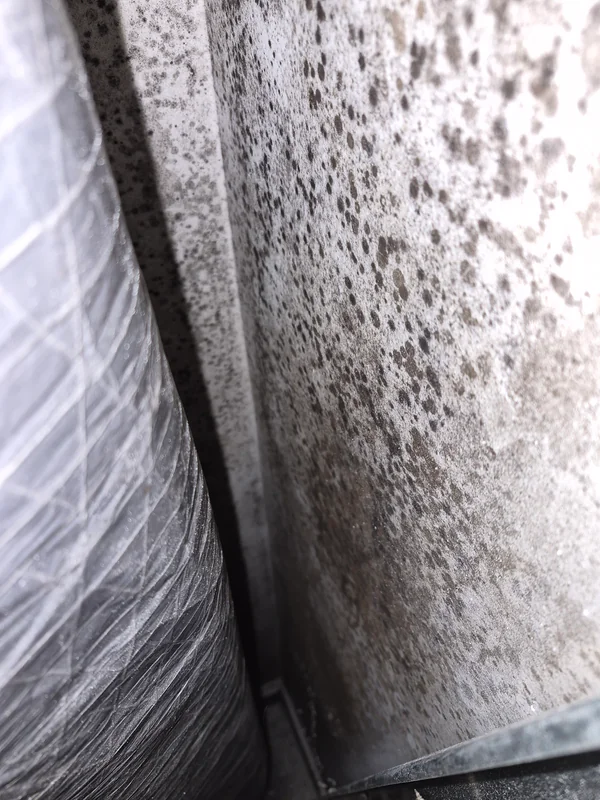
It starts with a free inspection. Before anything gets cleaned, we look at what’s actually in your system not just at the register, but deeper into the ductwork where the real issues hide. In Telford’s older homes especially, what you can see at the vent cover is rarely the full picture.
Mold tends to grow in the interior sections of the system, where it’s dark, damp, and undisturbed. We use that inspection to figure out exactly what you’re dealing with and give you a clear, written quote before we do anything else.
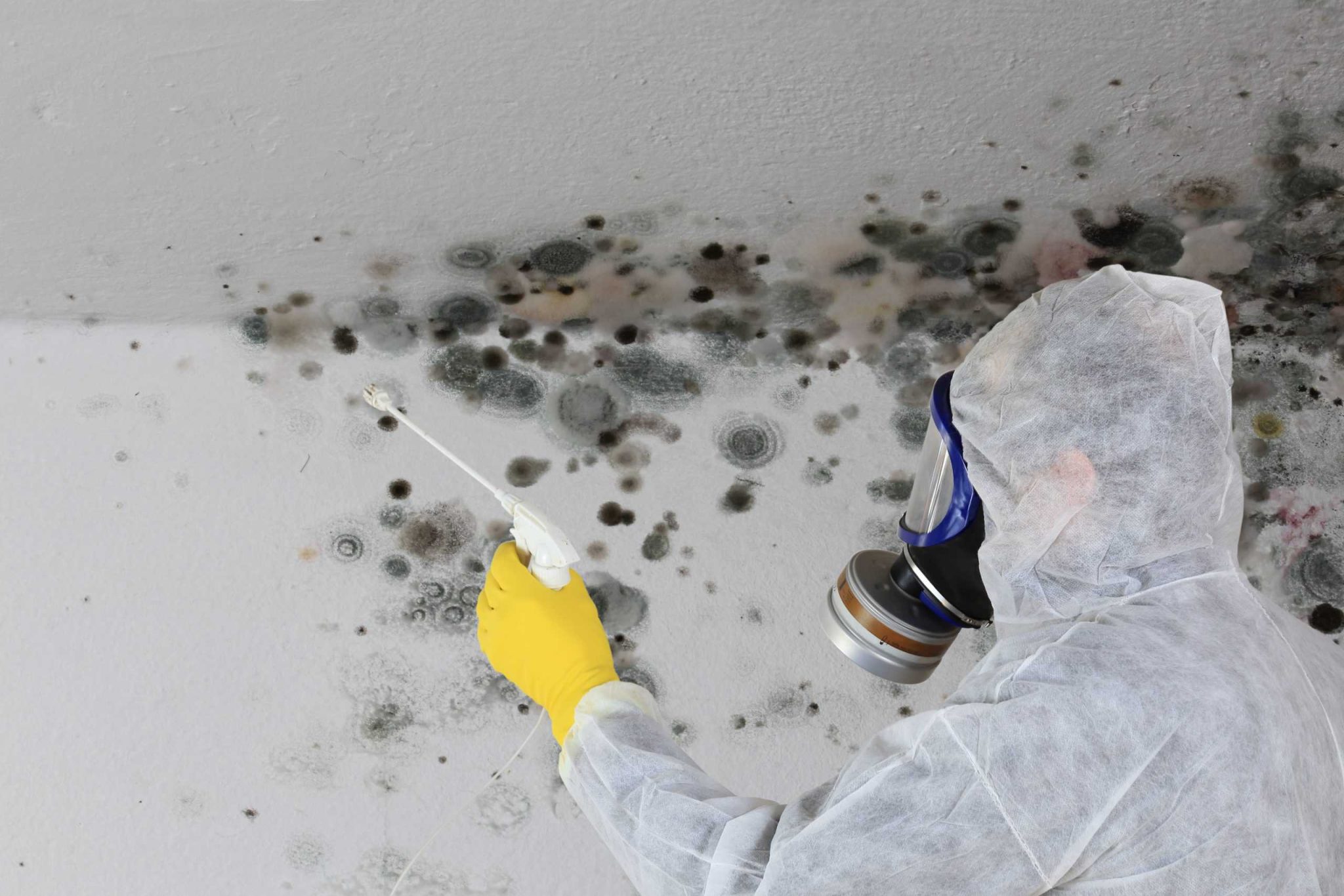
Once we’re on the job, we use professional-grade negative air pressure equipment and HEPA filtration the kind of setup that removes debris and biological contaminants without spreading them into your living space. This is where the difference between a mold specialist and a general duct cleaner becomes obvious. Disturbing mold inside ductwork without proper containment pushes spores into every room. We don’t do that.
After the cleaning, we don’t just pack up and leave. We test the affected areas to confirm the problem is actually resolved. That post-cleaning verification step is something most providers skip entirely. For Telford homeowners who suspected mold in their system especially those who’ve already had remediation work done elsewhere in the house that documentation matters. It’s proof, not a promise.
Dryer vent cleaning follows the same standard: a full inspection of the vent run, mechanical clearing of the obstruction, and confirmation that airflow is restored before we’re done.

Ready to get started?
Air duct cleaning is the foundation mechanical removal of dust, debris, and biological growth from both supply and return ducts throughout the system. But in a borough where humid summers are the norm and a lot of the housing stock has never had this done, cleaning alone sometimes isn’t enough.
Air duct sanitizing goes a step further, applying an antimicrobial treatment after the mechanical cleaning to address any remaining biological contamination. It’s a separate step, and it’s one worth asking about if mold was confirmed in your system.
Dryer vent cleaning is something Telford’s denser housing stock makes especially relevant. A lot of the homes in this borough the twins, the rowhouses, the attached units have dryer vents that run longer distances or through shared walls before they exit the building. The longer and more convoluted the run, the faster lint accumulates, and the higher the fire risk.
The NFPA reports nearly 16,000 dryer-related house fires per year nationally, with failure to clean the vent as the leading cause. In Telford’s older attached housing, this isn’t a background concern it’s a real one.
We also offer indoor air quality testing and HVAC mold inspections for homeowners who aren’t sure yet whether they have a problem. If you’ve noticed worsening allergy symptoms, a musty smell when the system runs, or visible discoloration near your registers, that’s the right place to start. A free inspection costs you nothing and tells you exactly what you’re dealing with before you commit to anything.
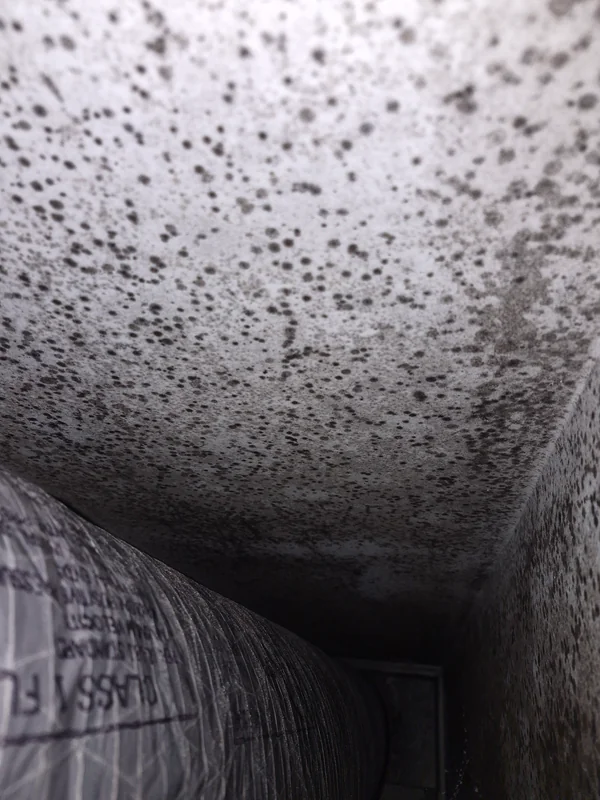
The most common sign is a musty smell that appears when your heating or cooling system first kicks on and then fades as the air circulates. That smell is often mold or mildew that’s been disturbed by airflow inside the duct system. Other signs include visible discoloration around your vent registers, worsening allergy or asthma symptoms that seem to improve when you leave the house, or a history of moisture problems in the home a flooded basement, a roof leak, or high indoor humidity over a prolonged period.
In Telford specifically, the combination of older housing stock and southeastern Pennsylvania’s humid summers creates conditions where mold inside ductwork is more common than most homeowners expect. Homes built before the 1990s often have ductwork that’s never been inspected, let alone cleaned. The only reliable way to know for certain is a professional inspection. We offer free inspections, so there’s no financial risk in finding out.
Air duct cleaning is the mechanical process using professional equipment to physically remove dust, debris, mold spores, and other buildup from inside your duct system. It’s the core service, and it’s what most people are referring to when they search for duct cleaning. Air duct sanitizing is a separate step that comes after the mechanical cleaning. It involves applying an antimicrobial treatment to the interior surfaces of the ducts to address any remaining biological contamination that the physical cleaning process may not have fully eliminated.
If your ducts have confirmed mold growth, sanitizing is worth discussing. Cleaning removes the visible and physical presence; sanitizing treats the surfaces that were exposed. For Telford homeowners dealing with a mold situation especially in older homes where moisture has had years to work on the system doing both gives you a more complete result and a higher level of confidence that the problem has been addressed, not just reduced.
Yes, and this is one of the more serious aspects of mold in ductwork that people don’t always realize. Your HVAC system moves air through every room in the house. When mold is present inside the duct system, every heating and cooling cycle distributes spores through every supply vent which means a mold problem that started in one section of the ductwork can affect your entire living space.
This is also why it matters who cleans your ducts. A general duct cleaner who disturbs mold inside the system without proper containment can actually make this worse pushing spores that were settled into the air and spreading them further. We use containment protocols and negative air pressure equipment specifically to prevent this from happening. The goal is to remove the contamination from the system, not redistribute it. For Telford residents who’ve already had mold remediated in a basement or crawl space, the ducts are the logical next question because if the HVAC was running during that period, it may have been carrying spores throughout the house the entire time.
It’s a fair question, and the answer is straightforward: dryer vent cleaning is a fire safety service, not a comfort upgrade. The National Fire Protection Association reports approximately 15,970 dryer-related house fires per year in the United States, and the leading cause is failure to clean the dryer vent. Lint is highly flammable, and it accumulates inside the vent run every time you use the dryer. Over time, that buildup restricts airflow, causes the dryer to overheat, and creates the conditions for a fire.
In Telford’s older and more densely built housing the twins, the rowhouses, and the attached units throughout the borough dryer vents often run longer distances or through shared walls before they exit the building. Longer vent runs accumulate lint faster and are harder to clear with a DIY brush kit. If your dryer is taking longer than usual to dry a load, or if the exterior vent flap isn’t opening fully when the dryer runs, those are signs the vent is partially blocked. We clear the full run and confirm airflow is restored before the job is done.
The general industry guidance is every three to five years for a typical home, but that’s a baseline not a rule that applies equally to every situation. Several factors push that timeline shorter. If you’ve had any water intrusion in the home a flooded basement, a roof leak, or persistent high humidity the ductwork should be inspected sooner rather than later, because those are exactly the conditions that allow mold to establish itself inside the system. If someone in the household has asthma, allergies, or a compromised immune system, more frequent inspection and cleaning makes sense.
For Telford homes specifically, the age of the housing stock is a real factor. If you’re in a home built in the 1950s, 60s, or 70s and you’ve never had the ducts professionally cleaned, you’re likely well past the point where an inspection is overdue regardless of what the calendar says. The same applies if you’ve recently moved into a home and don’t know the history of the HVAC system. A free inspection from us will tell you what you’re actually working with before you make any decisions.
This is one of the most common situations we see, and the honest answer is: yes, it’s worth checking. When mold is present in a basement or crawl space, the HVAC system is often running throughout the period before and during remediation. That means the system may have been pulling mold-contaminated air from the affected area and distributing it through the ductwork and depending on how long the problem existed before it was caught, there may be growth established inside the ducts that the basement remediation didn’t address.
We’re in a unique position to answer this question because mold remediation is what we do first and foremost. We know what to look for inside duct systems that have been exposed to a mold event, and we know how to test for it after the work is done. For Telford homeowners who’ve gone through the stress of a remediation job and want to know the full picture is clean, a duct inspection is the logical next step and the free inspection means you find out without committing to anything upfront.
Other Services we provide in Telford