
Hear from Our Customers
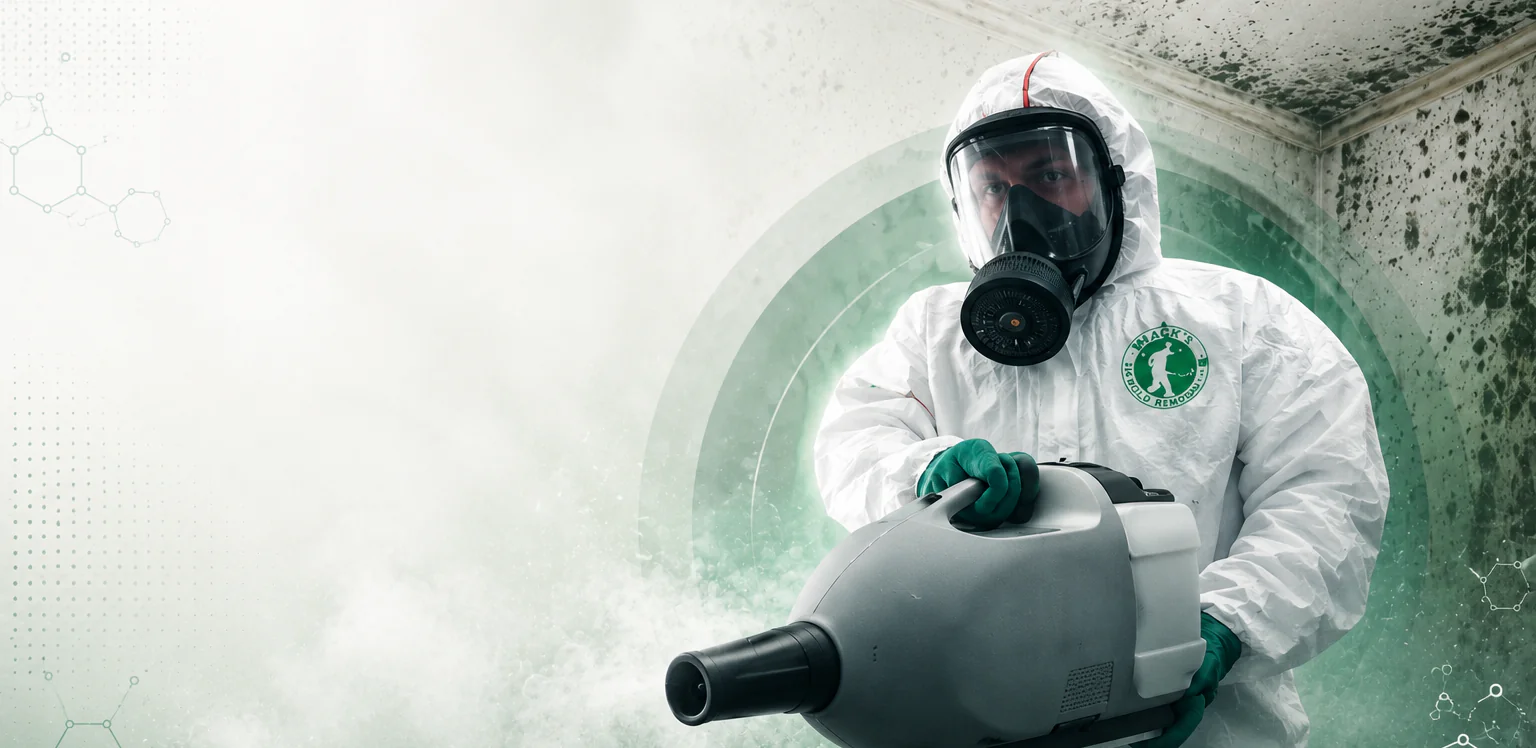
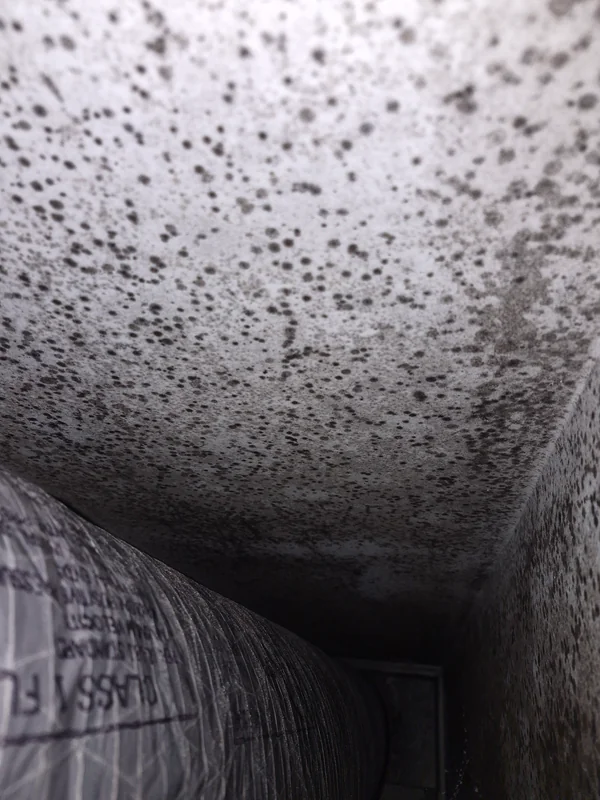
Most people don’t think about their ductwork until something feels off a musty smell when the heat kicks on, allergy symptoms that won’t quit, or a vague sense that the air just isn’t right. By the time you notice it, mold has often been circulating through your home for months.
For Strawntown homeowners specifically, this isn’t a remote possibility. Haycock Township is hemmed in by Lake Nockamixon to the southeast, Lake Towhee sits within the township itself, and Haycock Creek and Tohickon Creek drain through properties across the area. That’s a lot of ambient moisture working its way into crawlspaces, foundations, and eventually the HVAC systems of homes that were built long before anyone thought much about vapor barriers or sealed duct insulation.
When your ducts get cleaned properly by someone who understands mold, not just dust you stop recirculating the problem. Respiratory symptoms ease. The musty smell disappears. And if you work from home or spend most of your day in the house, which a significant number of Strawntown residents do, that difference is something you feel every single hour of the day.
We’ve been working through Bucks County for over 15 years, with an active presence right here in Strawntown and the broader Upper Bucks County area. Our team is made up of certified mold remediation specialists not general HVAC technicians who added duct cleaning to a service menu, but people who understand how mold establishes itself, spreads, and gets eliminated for good.
What sets us apart isn’t a tagline. It’s that after the job is done, we test the affected areas to confirm the mold is actually gone. That post-remediation verification step is something most companies skip entirely. Customers notice it comes up repeatedly in reviews from people who specifically mention feeling reassured that the work was confirmed, not just completed.
We already maintain an active presence in Strawntown, providing air quality testing services to residents dealing with exactly the kinds of conditions older homes, crawlspace moisture, summer humidity that make this area’s HVAC systems uniquely vulnerable. We understand the specific moisture challenges that Haycock Township properties face.

It starts with a free inspection. Before anything is quoted or scheduled, one of our certified inspectors looks at your system not just the registers you can see, but the interior duct sections, the air handler, and any areas where moisture could have entered. In older Strawntown homes, that often means paying close attention to crawlspace return air plenums, which are a common entry point for the kind of ground-level moisture that feeds mold growth near the creek drainages and lake-adjacent properties in Haycock Township.
Once the inspection is complete, you get upfront pricing before any work begins. The number you’re given is the number you pay no surprises, no upsells once our crew is in your home. If mold is confirmed in the ductwork, our cleaning process involves proper containment first. That’s a step a general duct cleaner will skip, and skipping it means disturbing mold spores and spreading them to rooms that weren’t affected before. Our containment protocol prevents that.
After mechanical cleaning, if mold was present, we apply air duct sanitizing to address biological contamination that physical removal alone can’t fully eliminate. Then comes the part most companies don’t do: post-cleaning verification. Samples go to a lab. You get confirmation not a promise, actual documented proof that the mold is gone.
Ready to get started?
Our air duct cleaning covers the full system supply ducts, return ducts, the air handler, and any components where mold, debris, or biological contamination could be hiding. This isn’t a one-register-at-a-time service. It’s a complete assessment and cleaning of the entire air pathway through your home.
We also offer dryer vent cleaning, and in Strawntown it’s worth taking seriously. Older homes in Haycock Township often have longer vent runs than newer suburban builds particularly when dryers are located in interior rooms or on upper floors, which is common in pre-1980 construction. Longer runs accumulate lint faster, and the NFPA reports that failure to clean dryer vents is the leading cause of the roughly 15,970 dryer-related house fires reported each year. Professional cleaning with the right equipment reaches the full length of the vent run in a way that a DIY brush kit simply cannot.
For homes where mold is confirmed in the ductwork, air duct sanitizing follows the mechanical cleaning an antimicrobial treatment that addresses what the vacuum can’t reach. We also work directly with insurance companies on claims, which matters for Strawntown homeowners who’ve experienced water intrusion or crawlspace flooding and may have a legitimate insurance component to their remediation. Financing is available for larger jobs, and our free inspection means there’s no cost to finding out exactly what you’re dealing with before you commit to anything.
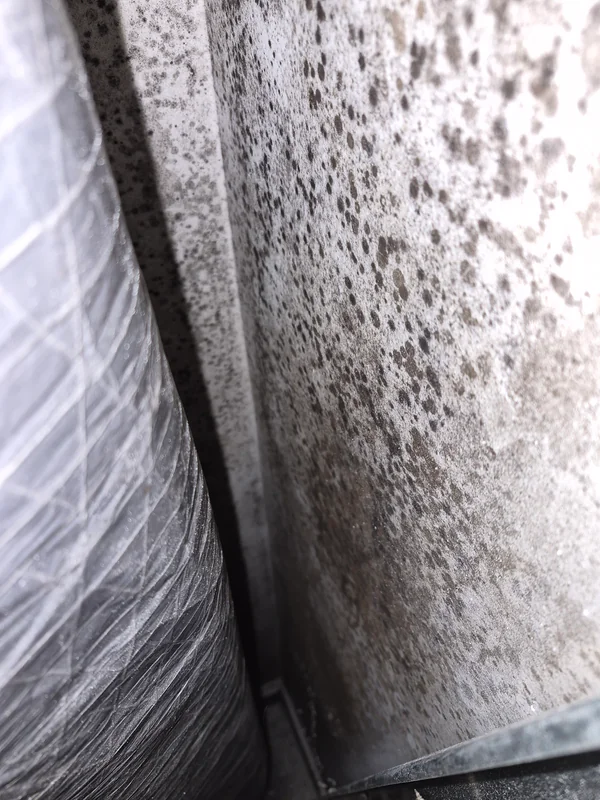
The most common sign is a musty or earthy smell that appears specifically when your HVAC system runs not when the house is closed up, but when air starts moving. If the smell fades when the system is off and returns when it kicks on, that’s a strong indicator the source is inside the ductwork itself rather than somewhere else in the house.
Other signs include worsening allergy or asthma symptoms that seem tied to being indoors, visible discoloration or dark staining near registers, or a history of moisture problems in your crawlspace or basement. In Haycock Township, where Strawntown properties sit near Lake Nockamixon, Lake Towhee, and multiple creek drainages, crawlspace moisture is a common entry point for mold that eventually reaches the air system. The only way to know for certain is a professional inspection we offer free inspections, so there’s no cost to getting a definitive answer.
This is one of the most important questions to ask before you hire anyone. A general HVAC technician or standard duct cleaning company is trained to remove dust, debris, and buildup but mold requires a completely different approach. If mold is disturbed without proper containment, the cleaning process itself can spread spores to rooms that weren’t previously affected. That makes the problem worse, not better.
We bring certified mold remediation expertise to every duct cleaning job. That means containment protocols are in place before mechanical cleaning begins, and post-cleaning lab verification confirms that mold has been eliminated rather than just moved around. If mold is your concern and in older Haycock Township homes with crawlspace foundations, it often should be a mold specialist is the right call.
The general industry recommendation is every three to five years for a typical home, but that baseline assumes relatively controlled indoor conditions. Strawntown and the broader Haycock Township area introduce variables that can push that timeline shorter. Homes with crawlspace foundations near creek drainages or lake-adjacent properties experience elevated ambient humidity and higher groundwater levels, which increase the rate at which moisture infiltrates HVAC systems. Older ductwork particularly fiberglass duct board and early sheet-metal systems common in pre-1980 construction is more permeable to moisture than modern sealed systems.
If your home was built before 1980, if you’ve had any crawlspace flooding or moisture intrusion in recent years, or if you’ve never had the ducts inspected since purchasing the home, those are all reasons to move sooner rather than waiting for the five-year mark. Our free inspection gives you a current picture of what’s actually in the system so you’re making a decision based on real information, not a general schedule.
Air duct cleaning is the mechanical process using professional equipment to physically remove dust, debris, mold, and biological material from inside the ductwork. It’s the core service, and it requires the right equipment to do properly. A thorough cleaning of a typical home takes four to six hours, covers both supply and return ducts, and uses negative air pressure systems that pull contaminants out rather than pushing them further into the system.
Air duct sanitizing is a separate step that follows the mechanical cleaning. It involves applying an antimicrobial treatment to the interior surfaces of the ductwork to address biological contamination mold spores, bacteria, and other organisms that physical removal alone may not fully eliminate. When mold has been confirmed in a Strawntown home’s ductwork, sanitizing is an important follow-up to the cleaning, not a replacement for it. Both steps together give you the most complete result, particularly in homes where moisture conditions have been favorable to mold growth over an extended period.
Yes, and this is a step that gets skipped more often than it should. When mold is found and remediated in a basement or crawlspace, the focus is usually on the visible affected area walls, joists, insulation, flooring. But if your HVAC system’s return air plenum or air handler is located in or near that space, which is very common in older Haycock Township homes with crawlspace construction, mold spores can have already entered the duct system before the remediation ever started.
If the ducts aren’t inspected and cleaned after a mold remediation job, you risk recontaminating the remediated space every time the system runs. We handle both the remediation and the duct work, so nothing gets missed in the handoff between services. Post-remediation duct inspection is particularly important in Strawntown-area homes given the moisture conditions that made the original mold problem possible in the first place.
It’s a legitimate fire safety service, and the data behind it is straightforward. The National Fire Protection Association reports approximately 15,970 dryer-related home fires per year, with failure to clean the vent as the leading cause. That’s not a fringe scenario it’s the most common reason dryer fires start.
In Strawntown and the surrounding Haycock Township area, older home construction often means longer dryer vent runs than you’d find in a newer suburban build. When a dryer is located in an interior room or on an upper floor common in pre-1980 homes the vent has to travel a greater distance to reach an exterior wall. Longer runs accumulate lint faster and are harder to clear without professional equipment that can reach the full length of the duct. A standard brush kit from a hardware store typically handles the first few feet. Professional cleaning covers the entire run, which is the only way to actually reduce the fire risk. If you can’t remember the last time your dryer vent was cleaned, or if your dryer is taking longer than usual to dry a full load, those are both reasons to have it looked at.
Other Services we provide in Strawntown