
Hear from Our Customers

Most people in Spruce Hill don’t think about their ductwork until something tips them off a musty smell when the heat kicks on, allergy symptoms that won’t quit, or a mold remediation job somewhere else in the house that leaves them wondering about the vents. Once you know what’s actually circulating through your system, you can do something about it. That’s the point of a real inspection and a proper cleaning.
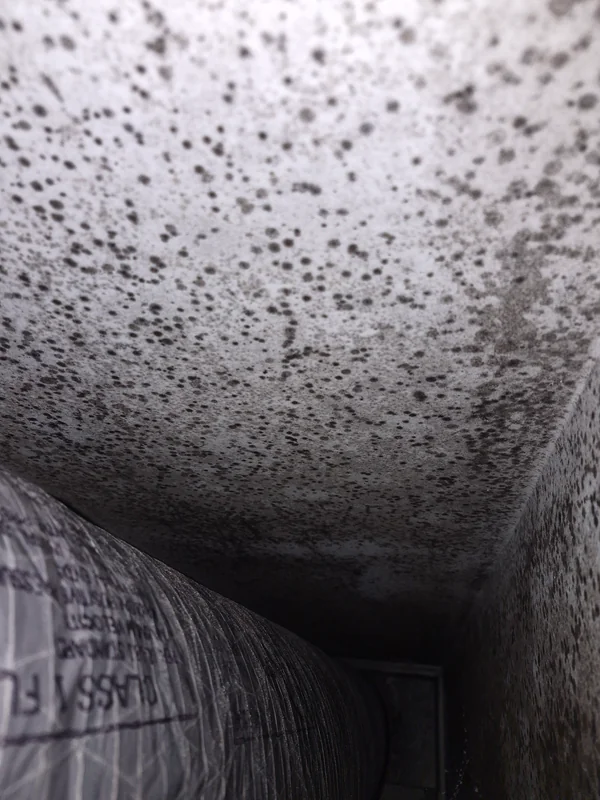
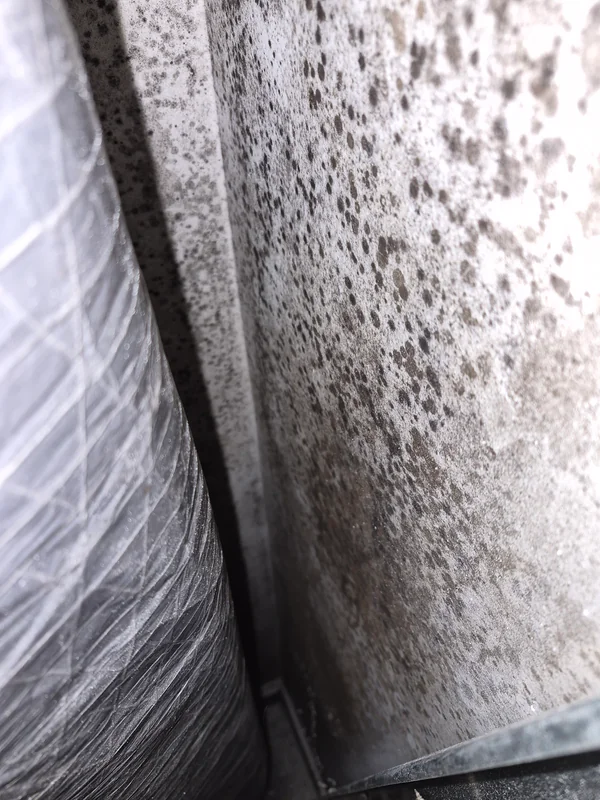
Spruce Hill’s housing stock makes this more urgent than most neighborhoods. The Victorian twins and rowhouses along Spruce Street, Baltimore Avenue, and the blocks surrounding Clark Park were built between 1850 and 1910 long before forced-air HVAC existed. Ductwork was retrofitted into these buildings later, routed through wall cavities and basement spaces that were never designed to be sealed or maintained. Philadelphia’s summer humidity regularly runs above 70%, and the Schuylkill River’s proximity keeps ambient moisture elevated from late spring through early fall. That combination old ductwork, damp basements, and sustained humidity creates exactly the conditions where mold grows inside a system you can’t see.
After a proper cleaning and post-service verification, what changes is simple: you stop guessing. You know the system is clean, you have documentation to back it up, and every time your HVAC runs, it’s moving clean air not redistributing whatever had been growing in the dark sections of your ductwork for years.
We’re based in Bensalem, PA, and serve Philadelphia County including Spruce Hill and the broader University City area. This isn’t a franchise with rotating crews. It’s an owner-operated company with over 15 years of experience, certified mold inspectors, and a track record built on showing up, doing the job right, and proving it with post-cleaning lab verification.
What makes us different in a neighborhood like Spruce Hill isn’t just the certification it’s the combination of mold remediation expertise and HVAC cleaning knowledge that no general duct cleaner can offer. When mold is growing inside a century-old retrofitted duct system, you need someone who understands both the building and the biology. We do.
We also work directly with insurance companies on applicable claims and offer flexible financing practical support for homeowners navigating a situation that wasn’t in their budget. A free inspection is always the starting point, so you know exactly what you’re dealing with before any decision is made.
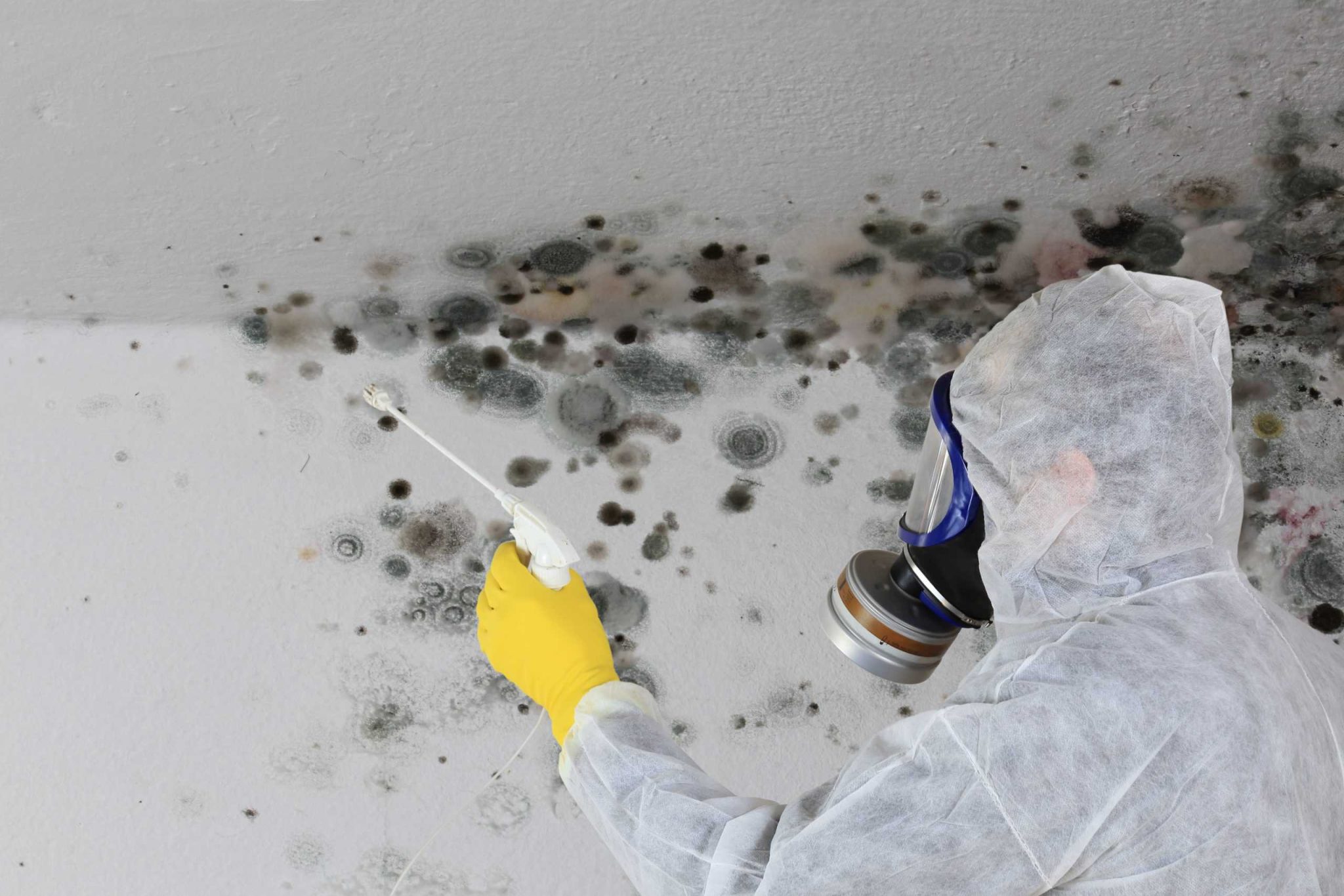
It starts with a free inspection. A certified inspector from our team looks at your full HVAC system not just the registers you can see, but the interior duct sections, the air handler, and any areas where moisture is likely to have entered the system. In Spruce Hill’s older homes, that often means paying close attention to basement-level air handlers and retrofitted ductwork running through wall cavities that have absorbed decades of humidity cycling. If mold is present, we identify where it is, how extensive it is, and what the right approach looks like for your specific system.
From there, the cleaning itself uses professional-grade equipment negative air pressure systems and HEPA vacuums that physically remove contaminants from the interior of the ductwork without pushing debris or spores into your living space. Containment protocols matter here, especially in converted multi-unit buildings where shared ductwork means a problem in one unit can affect every floor. This isn’t a shop vac at the register. It’s a contained, systematic process that works from the inside out.
What sets us apart is what happens after the cleaning. Affected areas are tested to confirm mold levels are within acceptable parameters not just a verbal assurance, but documented lab results. For Spruce Hill homeowners and landlords who need to show proof of remediation for Philadelphia’s L&I compliance requirements or for their own peace of mind, that documentation is the part that actually closes the loop.

Ready to get started?
The core service is a full HVAC duct cleaning supply ducts, return ducts, and the air handler using professional containment and extraction equipment. When mold is identified during the inspection, the process expands to include mold-specific remediation protocols: containment to prevent spore spread, targeted removal, and post-cleaning lab testing to verify the result. Air duct sanitizing is available as an add-on, applying antimicrobial treatment to the interior duct surfaces after mechanical cleaning an important step when biological contamination is confirmed.
Dryer vent cleaning is also part of what we offer, and in Spruce Hill’s rowhouses and converted Victorian buildings, it’s worth taking seriously. Research specific to Philadelphia’s row home stock has documented that dryer vents in these buildings are frequently terminated under the roof deck rather than vented to the exterior meaning every dryer cycle sends warm, moist air into interior building cavities. That’s a mold risk and a fire risk in the same pipe. The NFPA reports over 15,000 dryer-related house fires per year nationally, with failure to clean vents as the leading cause.
For landlords managing multi-unit properties in the neighborhood particularly those dealing with Philadelphia L&I enforcement or tenant habitability complaints we provide the documented, professional service record that protects you. The free inspection is where everything starts, and the post-cleaning lab verification is what makes the work provable.
Yes, meaningfully so and it comes down to how these homes were built and how HVAC was added later. Spruce Hill’s Victorian rowhouses and twin homes were constructed between roughly 1850 and 1910, decades before forced-air heating and cooling existed. When ductwork was eventually retrofitted into these buildings, it was routed through wall cavities, floor voids, and basement spaces that were never designed to be airtight, insulated, or regularly accessed.
Those spaces tend to absorb moisture from Philadelphia’s humid summers and from the damp basements that are common in stone and brick foundations of this age. The result is that ductwork in Spruce Hill’s older homes is far more likely to have moisture intrusion points, poor sealing, and contact with organic material all of which create the conditions mold needs. A general duct cleaner working in a newer suburban home and a mold specialist working in a 120-year-old Spruce Hill rowhouse are dealing with fundamentally different situations. The inspection process needs to account for the building’s age and construction, not just what’s visible at the register.
The honest answer is that you usually can’t tell from the outside. Mold in ductwork grows in the dark, interior sections of the system not at the register where you’d see it. The most common signs that something biological is going on are a musty or earthy smell that appears specifically when the HVAC system runs, allergy or respiratory symptoms that worsen at home but improve when you’re outside or in a different building, and visible discoloration around vent covers or on the duct surfaces near registers.
That said, symptoms alone aren’t a diagnosis. The only way to know for certain is an inspection ideally one that includes lab testing of any suspicious material. Our free inspection is designed exactly for this: a certified inspector looks at the full system, identifies whether what’s present is dust and debris or active mold growth, and gives you a clear picture of what you’re actually dealing with before any cleaning decision is made. You shouldn’t have to guess about what’s circulating through your home’s air.
Philadelphia’s housing code holds landlords responsible for maintaining habitable conditions, and that includes addressing mold when it’s present in a rental unit. The Department of Licenses and Inspections enforces these standards tenants can file complaints through Philly 311, which triggers an L&I inspection and, if a violation is found, a formal citation with a remediation timeline. In Spruce Hill, where the majority of residents rent and where the university population is particularly aware of tenant rights and habitability standards, the risk of a complaint escalating to an L&I citation is real.
The practical protection for landlords is documentation. A professional air duct cleaning with post-service lab verification gives you a written record that the work was done, that mold levels were confirmed within acceptable parameters, and that you responded to the issue appropriately. That documentation matters both for L&I compliance and for any disputes with tenants. We can also work directly with insurance companies in cases where the mold damage is part of a covered event which takes some of the administrative burden off the property owner.
They’re two different steps that address two different problems. Air duct cleaning is the mechanical process using professional equipment to physically remove dust, debris, and biological material from inside the ductwork. It clears out what’s there. Air duct sanitizing comes after the cleaning and involves applying an antimicrobial treatment to the interior duct surfaces to address any remaining biological contamination that the mechanical cleaning alone can’t fully eliminate.
If your ducts are being cleaned for routine maintenance and there’s no confirmed mold, cleaning alone is typically sufficient. But if mold has been identified which is common in Spruce Hill’s older homes given the moisture conditions in retrofitted ductwork and damp basements sanitizing is the step that addresses the residual risk. Think of it this way: cleaning removes the visible and accessible growth; sanitizing treats the surface environment so regrowth is less likely. When mold is the reason you’re having the ducts cleaned, doing only the mechanical cleaning and skipping the sanitizing step is leaving the job half-finished.
The general industry recommendation is every three to five years for a typical home, but that baseline assumes a relatively modern, well-sealed duct system in a climate-controlled environment. Spruce Hill’s Victorian rowhouses don’t fit that profile. Retrofitted ductwork in 100-plus-year-old buildings, damp stone or brick basements, and Philadelphia’s sustained summer humidity with relative humidity regularly running above 70% from June through September all push the practical timeline shorter.
A more realistic approach for Spruce Hill homeowners is to have the system inspected every two to three years, and to move up that timeline if you notice a musty smell when the HVAC runs, if you’ve recently had water intrusion or mold found elsewhere in the building, or if you’ve just purchased the home and have no documentation of prior cleaning. New homeowners in particular often discover that the previous occupants whether longtime residents or student renters never had the ducts professionally cleaned. The free inspection is a low-risk way to find out where you actually stand.
The short answer is no and this is one of the most well-documented scams in the home services industry. The $99 offer is typically a bait-and-switch: a low entry price designed to get a technician in the door, followed by aggressive upselling once they’re inside. Consumer Reports, Angi, and NADCA have all documented this pattern. The actual cost of a legitimate, thorough air duct cleaning for a typical home runs between $450 and $1,000 according to NADCA and EPA estimates that’s the range for a job done properly with professional equipment, cleaning both supply and return ducts, and taking the four to six hours a complete job actually requires.
For a Spruce Hill home specifically, the $99 offer is even more of a mismatch. The retrofitted ductwork in a Victorian rowhouse or converted twin is more complex than a standard suburban system it takes longer, requires more care to avoid disturbing settled debris in aging duct sections, and demands a technician who understands what they’re looking at when they find moisture damage or mold growth deep in the system. A cut-rate crew working off a loss-leader price point isn’t going to give that situation the attention it needs. We start with a free inspection and provide upfront pricing before any work begins the price you’re quoted is the price you pay.
Other Services we provide in Spruce Hill