
Hear from Our Customers

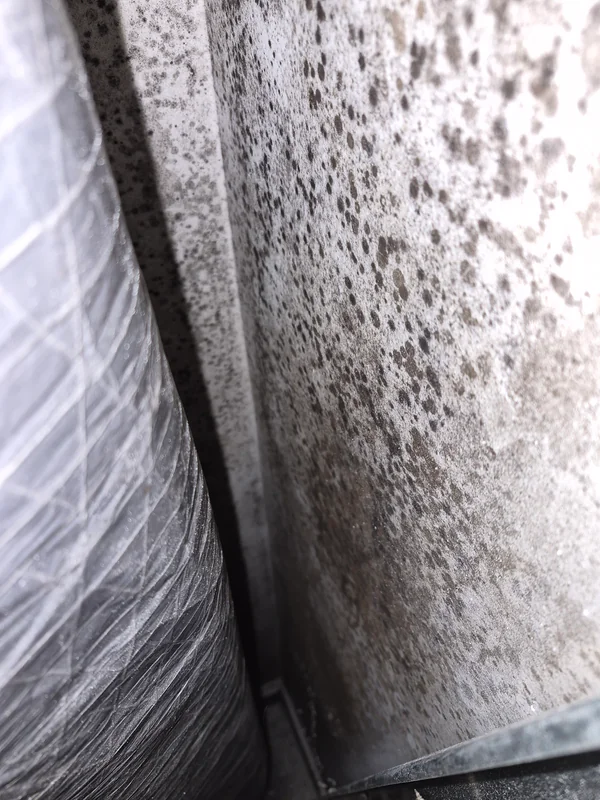
The musty smell that hits when your heat kicks on in November isn’t just unpleasant it’s a sign that something biological is living inside your duct system and getting pushed into every room of your Springfield home with every cycle. Once that’s addressed properly, that smell goes away. Allergy symptoms that seemed to peak every winter start to ease up. Your home just feels different cleaner, quieter in a way that’s hard to explain until you’ve experienced it.
For Springfield homeowners, this matters more than it does in newer construction areas. The Stoney Creek neighborhood and the broader post-war housing stock throughout the township were built in an era when duct systems were designed to move heated air not to be maintained or cleaned. Seventy years of dust, humidity, and seasonal moisture cycling in a system that was never engineered for today’s air quality standards creates conditions that a basic filter change simply can’t fix.
The basement factor makes it worse. Springfield’s older homes with basements are a documented moisture challenge and your HVAC return air ducts pull air from the lower levels of your home. If there’s mold growing in your basement, even a slow, low-level moisture problem, your duct system is actively distributing those spores to your living spaces every time the system runs. Cleaning the ducts without understanding that pathway is just treating the symptom. We address both.
We’re based in Bensalem, PA and serve Delaware County, including Springfield Township. Our team has been doing this for over 15 years and the difference between us and a general duct cleaning company comes down to one thing: certified mold remediation training. When a technician who understands mold biology goes into your ductwork, they’re not just vacuuming debris. They’re looking for the kind of biological growth that a carpet cleaning company with a duct cleaning add-on would miss entirely.
That distinction matters in Springfield, where homes along Providence Road and throughout the Stoney Creek development have basements, aging duct configurations, and decades of deferred maintenance built into their walls. We bring free inspections, upfront pricing, and post-cleaning verification lab testing to confirm the mold is actually gone, not just cleaned around. The owner is personally involved, we handle insurance claims directly, and financing is available for larger jobs. No call centers, no surprises.
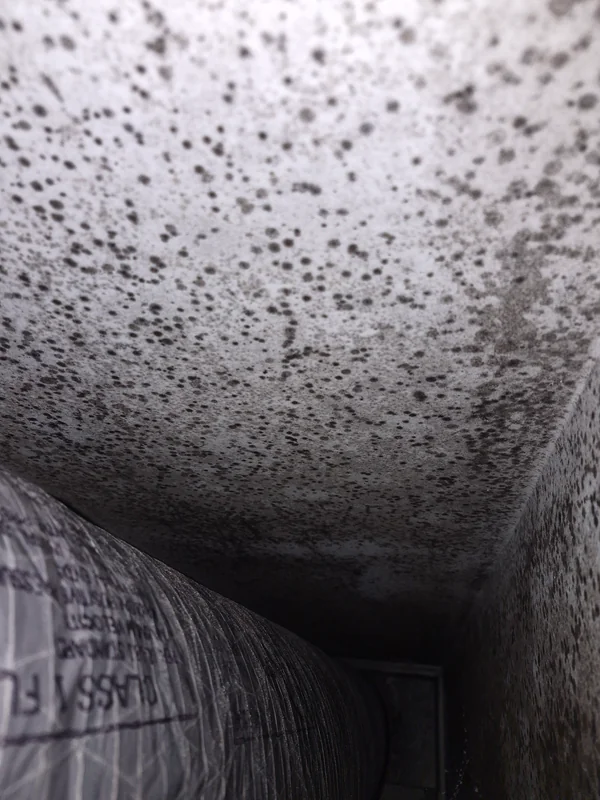
It starts with a free inspection. Before any work begins, we assess your system what type of ductwork you have, where moisture or biological growth may be present, and what the actual condition of the system looks like. In Springfield’s older homes, this step often reveals things that weren’t on the homeowner’s radar: condensation points near original duct transitions, return air pathways that pull directly from basement-level spaces, or sections of ductwork that were modified during past renovations without being properly sealed.
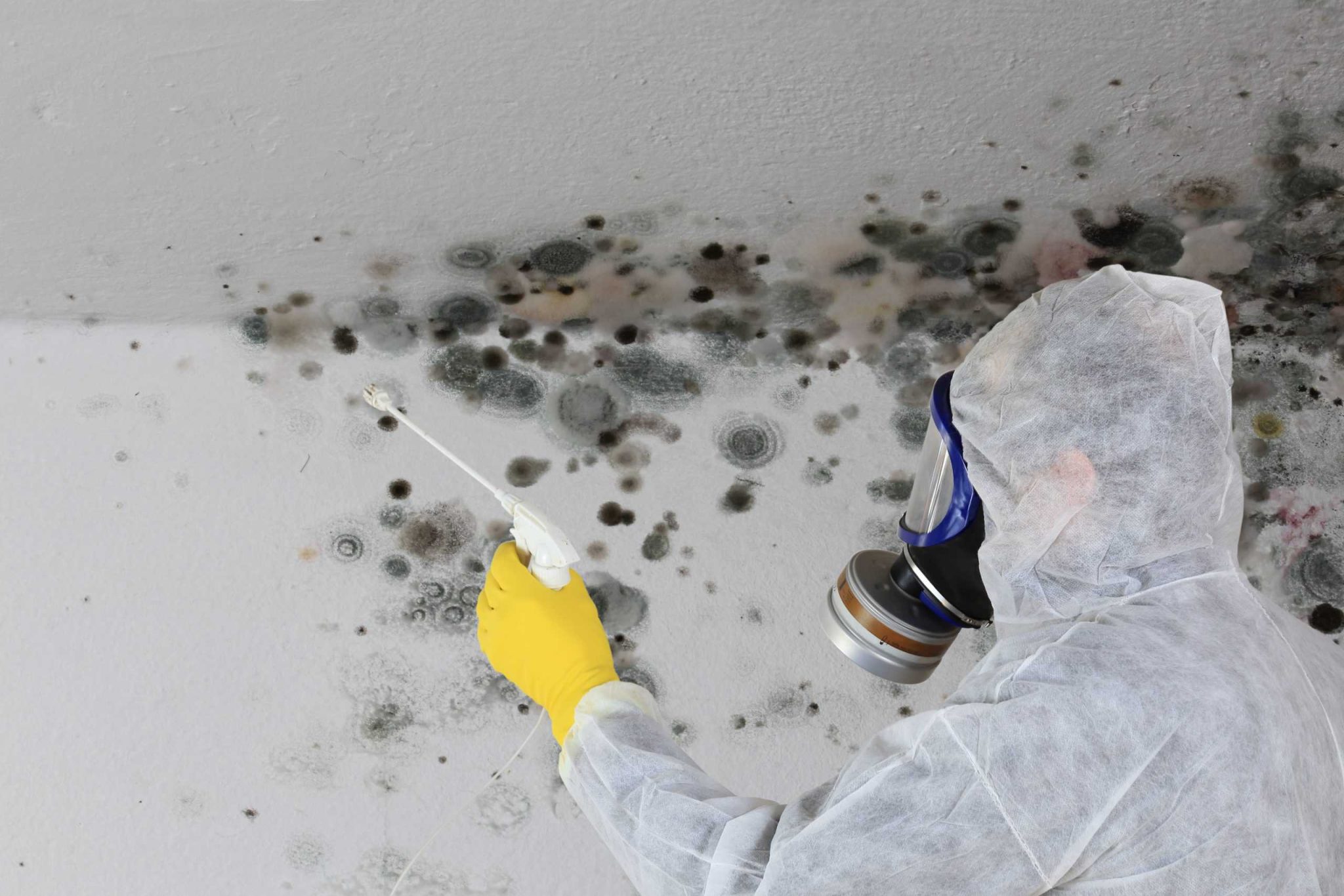
From there, the cleaning itself uses professional-grade equipment negative air pressure systems and HEPA vacuums that capture what’s dislodged rather than redistributing it. If mold is present, containment protocols are in place before anything is disturbed. This is the part that separates a certified mold remediation specialist from a general duct cleaner. Disturbing mold inside a duct system without containment spreads spores. We don’t skip that step.
After the cleaning, affected areas are tested. Lab results confirm the mold is gone not assumed gone, actually confirmed. Springfield homeowners who’ve had past moisture issues in their basements or crawl spaces especially appreciate this part, because it closes the loop on a problem that often gets partially addressed and then quietly continues. The whole process typically takes four to six hours for a standard home, and you’ll know exactly what was found and what was done before the crew leaves.
Ready to get started?
Air duct cleaning is the core service, but it’s rarely the only thing a Springfield home needs. We also provide air duct sanitizing which is a separate step from cleaning. Cleaning removes the physical debris and biological material from inside the duct system. Sanitizing applies an antimicrobial treatment to address any remaining biological contaminants on duct surfaces. In a home that’s had confirmed mold or a history of basement moisture, skipping sanitizing after cleaning leaves the job half done.
Dryer vent cleaning is another service worth taking seriously, especially in Springfield’s older housing stock. The NFPA reports nearly 16,000 dryer-related house fires per year in the U.S., and the leading cause is failure to clean the vent. In a home built in the 1950s that’s been through multiple owners or renovations, the dryer vent routing may have been extended, rerouted, or partially obstructed over the years conditions that dramatically increase fire risk. We clear the full vent line, not just the accessible section near the machine.
Pennsylvania doesn’t require a special state license for air duct cleaning, so the credential that matters most is certification and the mold remediation expertise we bring to every job. For Springfield homeowners dealing with a wet basement, aging ductwork, or a musty smell they’ve been ignoring for a season or two, the combination of duct cleaning, sanitizing, and dryer vent service covers the full picture. Free inspections are available, and we work directly with insurance companies when moisture or mold damage is part of a larger claim.

The most common sign is a musty or earthy smell that shows up specifically when your HVAC system kicks on not all the time, but right when the heat or AC starts running. That smell is coming from inside the duct system, and in a Springfield home built in the 1940s or 1950s, it’s almost never just dust. Other signs include allergy or respiratory symptoms that seem to worsen in winter when the house is sealed up tight, visible discoloration or dark residue around vent registers, or a history of basement moisture or flooding in the home.
Springfield’s older housing stock particularly the Cape Cods and brick Colonials throughout neighborhoods like Stoney Creek tends to have return air pathways that draw from lower levels of the home. If there’s any moisture history in your basement, that’s a direct pathway for mold spores into the duct system. A free inspection from us will tell you what’s actually in your system before you commit to anything.
The honest answer is: it depends on your situation. The EPA’s position is that routine duct cleaning when there’s no specific problem has unclear benefits. That’s a fair and accurate statement for a home with no moisture history, newer construction, and no symptoms. But that’s not the situation most Springfield homeowners are calling about.
When there’s confirmed or suspected mold in the duct system, when a home has had basement flooding or chronic moisture, or when respiratory symptoms correlate with HVAC use, the EPA explicitly recommends cleaning. Those are the exact conditions that show up regularly in Springfield’s post-war housing stock. If you’ve been in your home for 20 or 30 years and the ducts have never been touched, a professional inspection at minimum is worth the time. We offer free inspections so the cost of finding out is zero.
Cleaning and sanitizing are two separate steps, and both matter when mold is involved. Duct cleaning is the mechanical process using professional equipment to physically remove debris, dust, and biological material from inside the duct system. Done correctly, with negative air pressure and HEPA vacuums, it captures what’s dislodged rather than pushing it further into the system or out into your living space.
Sanitizing comes after the cleaning. It involves applying an antimicrobial treatment to the interior duct surfaces to address any remaining biological contamination that the mechanical cleaning can’t fully reach. In a Springfield home where mold has been present especially one with a basement that’s had moisture issues stopping at cleaning without sanitizing leaves residual contamination on duct surfaces. Over time, that residual material can recolonize. We treat these as connected steps, not separate upsells, because in older homes with a mold history, they genuinely are.
Yes, and here’s why. Your HVAC return air ducts pull air from the lower levels of your home often from areas near or adjacent to the basement. When mold develops in a damp basement, it releases spores into the air. Those spores get drawn into the return air pathway and distributed through the duct system to every room in the house with every heating or cooling cycle. The basement problem that feels contained to one floor is, functionally, a whole-house air quality problem once it enters the duct system.
This is one of the most common scenarios we encounter in Delaware County. Springfield’s older homes with basements particularly the post-war developments that define much of the township’s residential character experience moisture events more frequently than newer construction. If you’ve had any standing water, chronic dampness, or a musty smell in your basement, getting the duct system inspected is the logical next step after waterproofing. The two problems are connected, and treating only one of them leaves the other unresolved.
For most homes, the general industry recommendation is every three to five years. But that baseline assumes a home without significant moisture history, mold exposure, or decades of deferred maintenance and that description doesn’t fit the majority of Springfield’s housing stock. A home built in 1953 that has never had a professional duct cleaning done is not a “three to five years” situation. It’s a starting-from-zero situation, and the first cleaning will reveal what the actual condition of the system is.
After that initial cleaning and inspection, we can give you a realistic maintenance timeline based on your specific home its age, its basement conditions, how the ductwork is configured, and whether any mold was found. Homes with ongoing humidity challenges or a history of moisture intrusion may need more frequent attention. Homes that are well-sealed and dry after remediation may be fine on a longer cycle. The answer is specific to your home, not a generic number pulled from an industry brochure.
Yes and this is one of the areas where working with a mold specialist rather than a general duct cleaner makes a real difference. When a basement flood, pipe failure, or water damage event leads to mold in the duct system, insurance claims can get complicated quickly. Adjusters want documentation, the scope of damage needs to be clearly defined, and the remediation work needs to be performed by someone who can speak to what was found and what was done in terms an insurer will accept.
We work directly with insurance companies on claims handling that communication on your behalf so you’re not stuck translating between a restoration company and an adjuster while also dealing with the damage itself. For Springfield homeowners whose older homes are more susceptible to the kind of moisture events that trigger these claims, that direct insurance relationship is a practical advantage. The post-remediation lab testing we perform also provides the documented proof insurers typically require to close out a mold-related claim.
Other Services we provide in Springfield