Hear from Our Customers
Most Silverdale homeowners don’t think about their ductwork until something feels off a musty smell when the heat kicks on, allergies that won’t quit despite clean living, or a nagging feeling after a wet basement situation. By then, the problem has usually been building for a while.
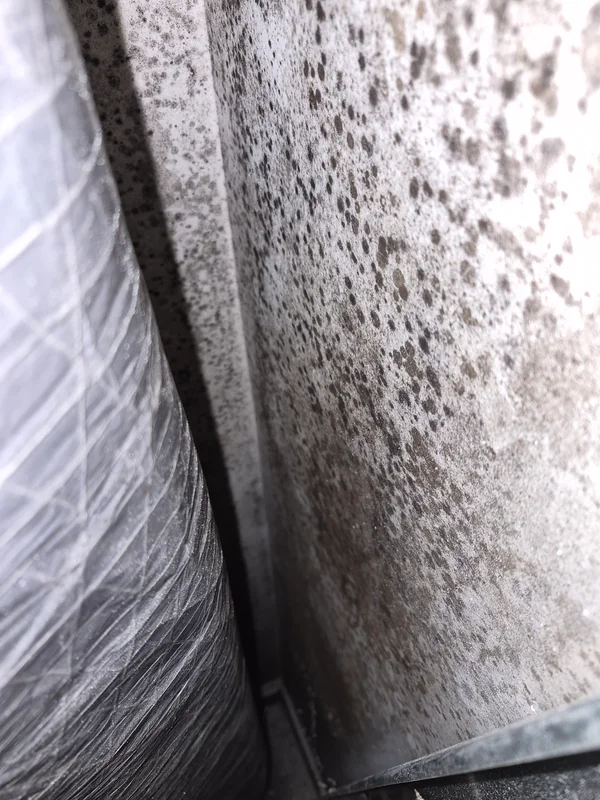
The homes throughout Silverdale and Sterling Knoll are now roughly 35 years old. That’s 35 heating and cooling seasons pushing air through ductwork that, for many of these homes, has never been professionally cleaned. Bucks County’s humid summers and the increasingly intense rain events documented by Penn State’s climate research for this region create exactly the conditions where mold takes hold inside ductwork in the dark, in the damp, where you can’t see it.
What changes after a proper cleaning isn’t just the air quality reading on a meter. It’s the smell when the system runs. It’s not wondering anymore whether the HVAC is the reason your kid’s been congested all winter. It’s knowing the job was done right because the results were tested and verified not just assumed.
We’ve been working in Bucks County for over 15 years. That means we’ve seen the full range of what Upper Bucks housing actually looks like the older stone and frame homes along Main Street in Silverdale, the Sterling Knoll twins and detached homes built around 1990, the basements and crawl spaces that are common throughout this part of the county and that create ongoing moisture challenges no slab-on-grade home in Lower Bucks ever has to deal with.
The difference between us and a standard duct cleaning company is the mold expertise. When you disturb mold inside a duct system without proper containment, you spread spores. We’re certified mold remediation specialists who know how to contain the problem, remove it, and then verify through lab testing that it’s actually gone. That last step the post-cleaning verification is something most companies skip entirely.
We also work directly with insurance companies when mold damage is part of a larger claim, and we offer flexible financing so cost doesn’t become the reason a real problem goes unaddressed.
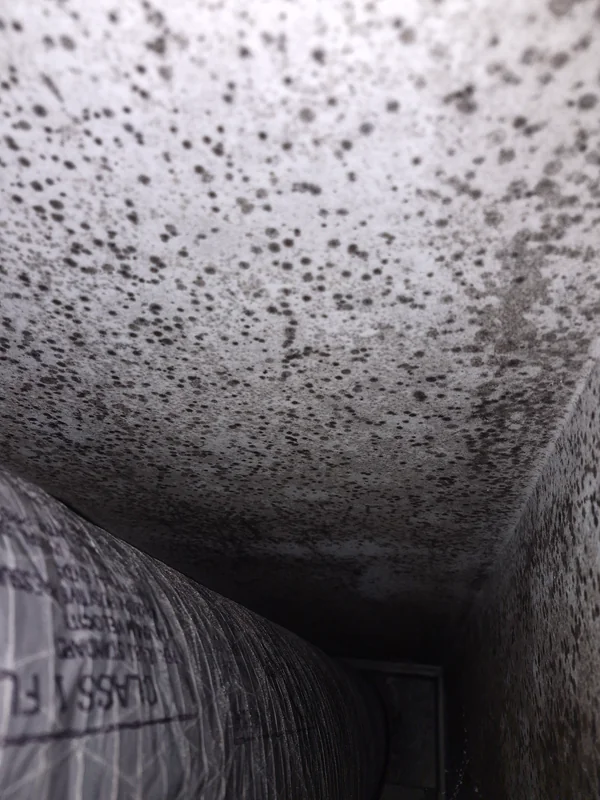
It starts with a free inspection. Before any work is quoted or scheduled, one of our certified inspectors looks at your system the ductwork, the registers, the HVAC unit itself and identifies what’s actually going on. In Silverdale homes, especially those with basements or crawl spaces, that inspection often includes checking for moisture pathways that could be feeding biological growth inside the ducts. You get upfront pricing before anything starts. No surprises.
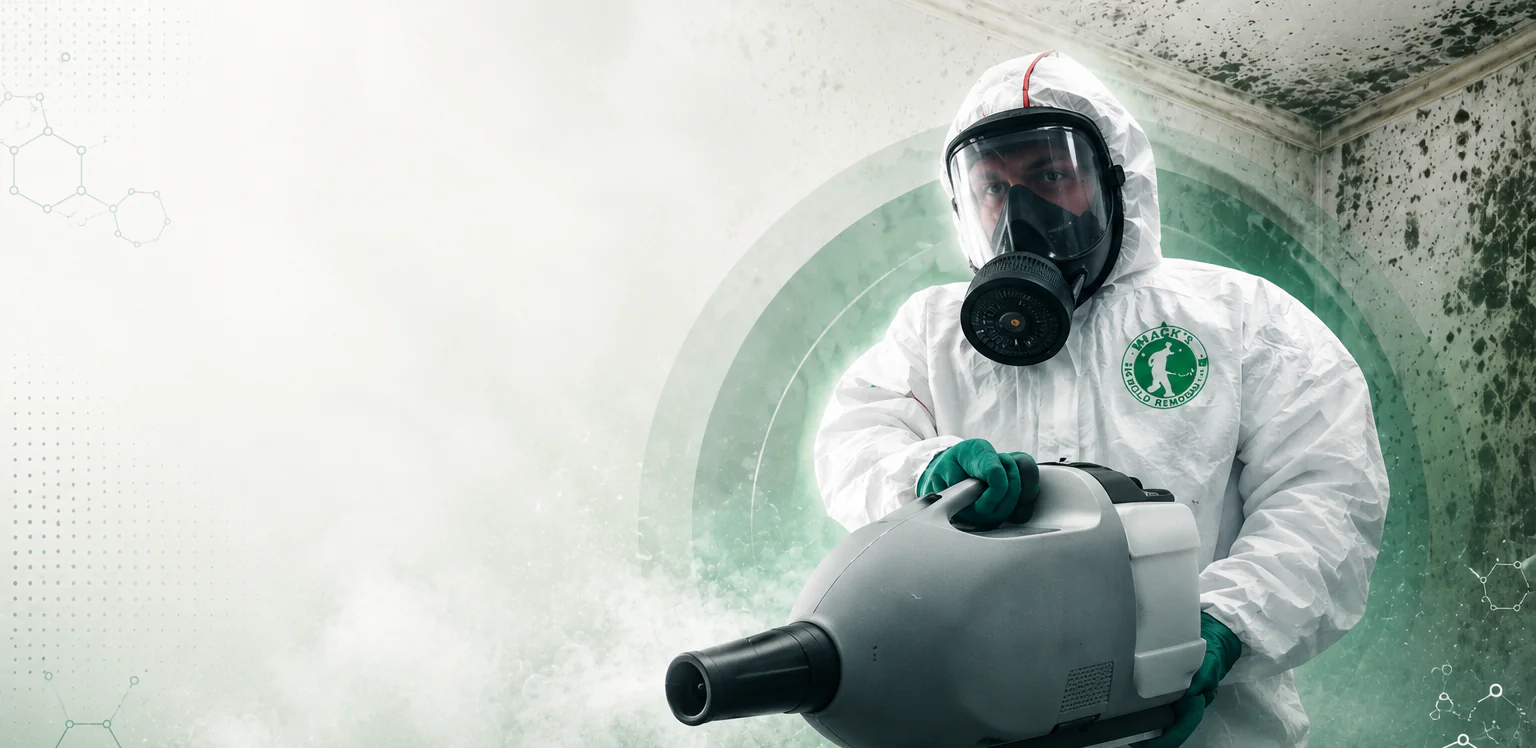
If cleaning is warranted, we use professional-grade equipment negative air pressure systems and HEPA vacuums that physically remove debris from inside the ductwork rather than just dislodging it. When mold is present, containment protocols are in place before anything is disturbed. This matters because a standard duct cleaning company that stirs up mold without containment can spread spores to every room in the house.
After the work is done, we test the affected areas to confirm the mold is gone. That’s not standard practice in this industry most companies clean and leave. The verification step is what separates a completed job from a confirmed result. For Silverdale homeowners dealing with the region’s increasingly heavy rainfall seasons and the moisture issues that follow, that confirmation isn’t optional it’s the whole point.

Ready to get started?
Air duct cleaning and air duct sanitizing are not the same thing, and in Silverdale’s climate, that distinction matters. Cleaning removes the physical debris dust, biological material, accumulated buildup from years of use. Sanitizing applies antimicrobial treatment to address what’s left behind after mechanical cleaning. When mold is involved, both steps are necessary. Doing one without the other leaves the job incomplete.
Dryer vent cleaning is also part of what we handle, and it’s worth taking seriously. The NFPA reports roughly 15,970 dryer-related house fires per year nationally, with failure to clean vents as the leading cause. In a borough like Silverdale where most residents own their homes and many have lived in the same house for years, lint buildup in dryer vents is a real and overlooked fire risk not a maintenance suggestion.
For homeowners in Silverdale who have already had mold remediated somewhere else in the house a basement wall, a crawl space the HVAC system is often the last place checked and the most likely place for recontamination to originate. Pennsylvania doesn’t require a special state license for air duct cleaning, but that also means there’s no regulatory floor keeping unqualified companies out of the market. Our certified mold remediation background is the credential that fills that gap, and the free inspection means you know what you’re dealing with before committing to anything.
The most common signal is a musty smell that shows up specifically when your HVAC system runs not all the time, but right when the heat or AC kicks on. That’s because air moving through contaminated ductwork carries the odor with it. Other signs include visible discoloration around registers or vents, worsening allergy or respiratory symptoms that seem tied to being indoors, and a history of moisture issues in the basement or crawl space.
In Silverdale, that last factor is particularly relevant. Homes throughout this part of Upper Bucks County especially those with basements and crawl spaces rather than slab foundations are prone to moisture infiltration, particularly during the heavy rainfall events that Penn State’s climate research shows are increasing in frequency for Bucks County. When moisture enters the basement, it enters the air, and that air gets pulled into your HVAC return system. The result is mold growth inside ductwork that you can’t see from the outside. A free inspection from a certified mold specialist is the only reliable way to know for sure what’s actually in there.
The honest answer is: it depends on why you’re considering it. The EPA’s position is nuanced routine duct cleaning in a home with no specific problems has unclear benefits. But when mold is confirmed or suspected, when there’s been a pest infestation, or when significant debris is clogging the system, the EPA explicitly recommends cleaning. That’s a different situation than a company cold-calling you to say your ducts are dirty.
The scam concern is real and well-documented. The classic version is a $99 offer that turns into aggressive upselling once someone is inside your home. The way to avoid it is to work with a company that offers a free inspection and provides written upfront pricing before any work begins which is exactly how we operate. For Sterling Knoll homeowners in Silverdale whose homes are now around 35 years old and whose ductwork may have never been professionally cleaned, the question isn’t really whether it’s worth it. It’s whether you want to know what’s actually been circulating through your home all these years.
Cleaning is the mechanical process using professional equipment to physically remove dust, debris, and biological material from inside the ductwork. Sanitizing is a separate step that applies antimicrobial treatment to the interior surfaces of the ducts after cleaning, targeting any remaining biological contaminants that mechanical removal alone doesn’t fully address.
When mold is involved, you need both. Cleaning without sanitizing leaves residual contamination on duct surfaces. Sanitizing without cleaning first means you’re applying treatment on top of debris, which limits its effectiveness. In Silverdale’s climate humid summers, increasing heavy rainfall, homes with basements and crawl spaces that feed moisture into HVAC systems a mold situation in ductwork typically warrants the full process. Doing only half the job is how mold problems come back. We handle both steps and then test afterward to confirm the results, rather than assuming the treatment worked.
Not necessarily, and this is one of the most important questions to ask after any mold remediation job. The basement and the HVAC system are connected. When mold grows in a basement or crawl space, spores become airborne. Those spores get pulled into the HVAC return air system, and from there they can colonize the interior of the ductwork especially in sections where condensation collects, like near the evaporator coil or in areas with poor insulation.
If the ductwork wasn’t inspected and cleaned as part of the original remediation, there’s a real possibility that mold in the HVAC system is redistributing spores back into the living space every time the system runs. That’s how a remediated basement leads to a recurring mold problem that nobody can explain. In Upper Bucks County homes with basements and crawl spaces which describes a significant portion of Silverdale’s housing stock this connection between ground-level moisture and HVAC contamination is a known pathway. Getting the ducts inspected after any mold remediation elsewhere in the house isn’t overcautious. It’s the step that closes the loop.
The general industry guidance is every three to five years for a typical home, but that baseline assumes a home without specific moisture or mold risk factors. For older homes in Bucks County particularly in Upper Bucks, where the housing stock commonly includes basements, crawl spaces, stone or frame construction, and HVAC systems retrofitted into structures that weren’t originally designed for forced air the calculus is different.
A 35-year-old HVAC system in a home with a history of basement moisture, or one that’s never had professional duct cleaning, isn’t on a standard maintenance schedule anymore. It’s overdue for an inspection regardless of what a general guideline says. The same applies after any significant water event a basement flood, a failed sump pump, storm-related water intrusion which are becoming more frequent in Bucks County according to climate data. The right answer for your specific home in Silverdale depends on what an inspection actually finds, which is why we start with a free look before recommending anything.
Yes, Silverdale is within our service area. We’re based in Bensalem and serve Bucks County broadly, which includes Silverdale and the surrounding Upper Bucks communities along the Route 113 and Route 152 corridors Perkasie, Sellersville, Hilltown Township, and the Pennridge area.
For Silverdale homeowners who might wonder whether a Bensalem-based company has real familiarity with Upper Bucks, the answer comes down to 15-plus years of working throughout the county. The housing stock in this part of Bucks older stone and frame homes, late-1980s subdivisions like Sterling Knoll, properties with basements and crawl spaces is meaningfully different from Lower Bucks construction, and the moisture dynamics that drive mold risk here reflect that. We’ve worked in both parts of the county long enough to understand the difference. Response time is a real priority as well same-day and next-day responses are documented in customer reviews, which matters when you’re dealing with a moisture or mold situation that shouldn’t sit for a week waiting on a callback.
Other Services we provide in Silverdale