Hear from Our Customers

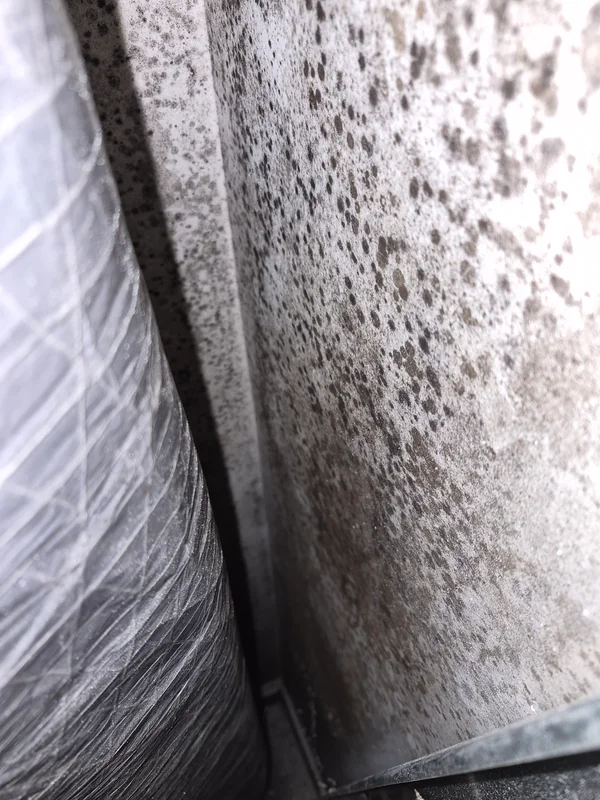
When floodwater gets into a basement or crawl space, the damage doesn’t stop at the walls. Your HVAC system pulls air from those same spaces, and when that air is carrying moisture and mold spores, the ductwork becomes the delivery system pushing contamination into every room every time the system runs. For homes near the Tohickon Creek in Richland Township, this isn’t a worst-case scenario. It’s a pattern that repeats after every significant storm.
Getting the visible mold remediated is the right first step. But if the ducts weren’t addressed at the same time, the problem isn’t fully solved. Mold that’s still active in the ductwork will recontaminate a remediated space, and most homeowners don’t realize it until their allergy symptoms return or that musty smell comes back the next time the furnace kicks on.
What changes after a proper air duct cleaning one done by a certified mold specialist, not just a general HVAC cleaner is that you close the loop. The source of recirculation is gone. The air your family breathes every day in your Shelly home is no longer running through contaminated ductwork. That’s not a minor comfort upgrade. For a household that’s already been through a flood event and a remediation job, it’s the step that actually finishes the work.
Mack’s Mold Removal & Inspections is a Bucks County company with over 15 years of experience in certified mold inspection, remediation, and air duct cleaning. We understand what upper Bucks County homes face the above-average rainfall, the creek-corridor flooding patterns, the aging housing stock in communities like Shelly and Richland Township where many homes were built decades ago and have HVAC systems to match.
This isn’t a franchise operation reading from a national playbook. When you call us, you’re talking to people who know the difference between a Shelly farmhouse and a newer build off Route 309, and who understand why those differences matter when it comes to moisture intrusion and duct contamination. Certified inspectors handle every job, mold samples go to a lab for analysis, and the work isn’t considered done until testing confirms the mold is actually gone not just cleaned around.
Free inspections and upfront pricing mean you know what you’re getting before anything starts. No surprises, no bait-and-switch.
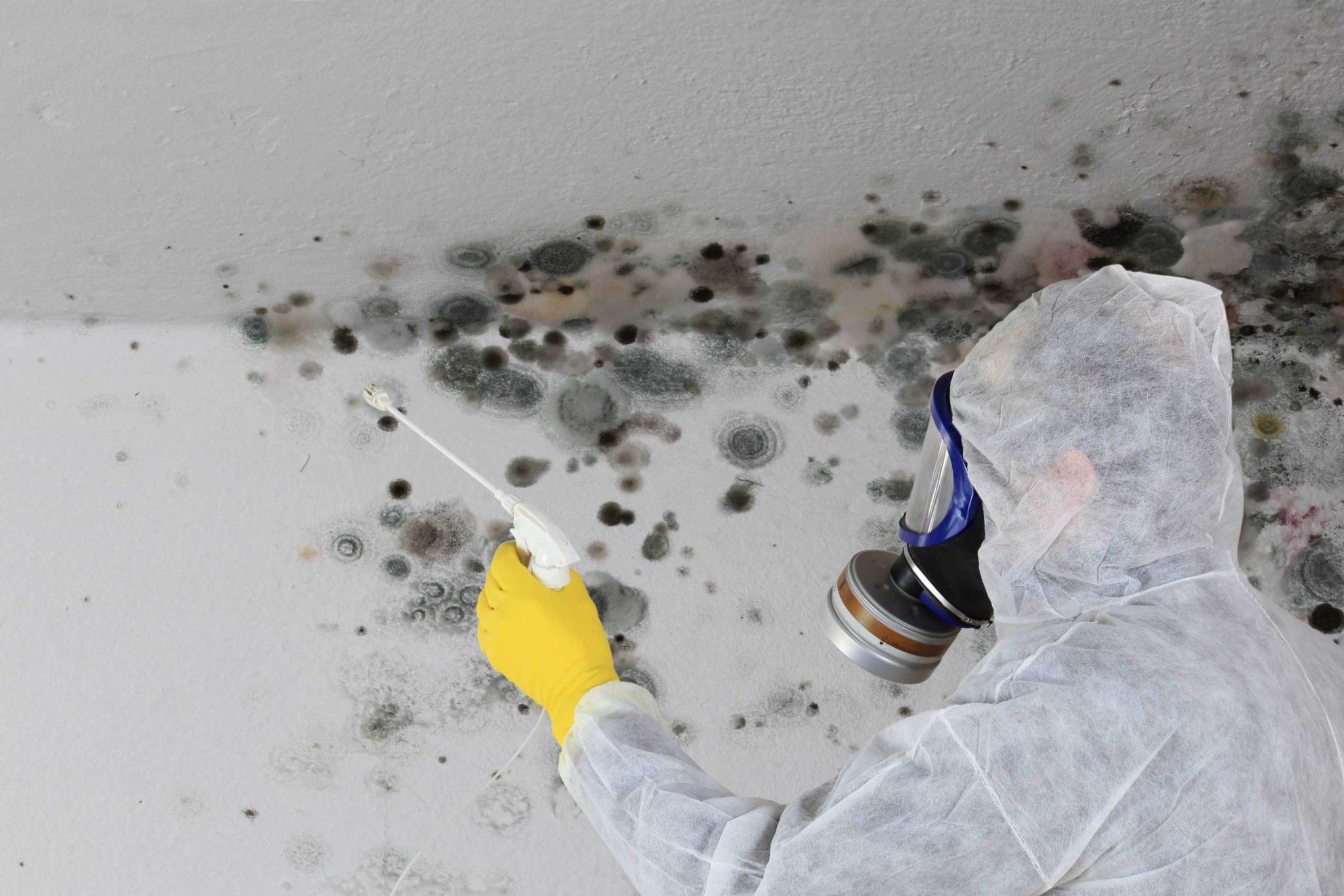
It starts with a free inspection. Before any cleaning begins, a certified inspector assesses the HVAC system looking at the ductwork, the air handler, the registers, and any areas where moisture may have entered the system. In Shelly homes that have experienced basement flooding or water intrusion near the Tohickon Creek, this inspection often reveals contamination in sections of the duct system that weren’t visible from the surface.
If mold is confirmed, samples go to a lab so the specific type and concentration can be identified. That information shapes the cleaning plan because not every mold situation calls for the same approach.
The cleaning itself uses professional-grade equipment: negative air pressure systems and HEPA vacuums that pull debris and biological material out of the ductwork rather than disturbing it and spreading it further. Containment protocols are in place throughout the job, which matters specifically when mold is involved. A general duct cleaner without mold remediation training can inadvertently spread spores to areas of the home that weren’t previously affected. We’re trained to prevent that.
After the cleaning, the work gets verified. Affected areas are tested post-remediation to confirm the mold is gone not assumed gone, but confirmed. For Shelly homeowners who’ve already invested in basement or crawl space remediation, this final verification is what closes the loop for good. You get documentation of the result, not just a handshake and an invoice.
Ready to get started?
Air duct cleaning through Mack’s Mold Removal & Inspections covers the full HVAC system supply ducts, return ducts, registers, and the air handler unit. In Shelly homes, particularly older construction and historic properties common in the area, return ducts are frequently overlooked by general cleaning companies. We address both sides of the system, because mold and debris accumulate in return ducts just as readily as in supply lines.
Air duct sanitizing is available as an additional step for homes where biological contamination has been confirmed. After mechanical cleaning removes the physical debris, an antimicrobial treatment is applied to duct surfaces to eliminate remaining mold spores and bacteria. Given Bucks County’s humidity levels and the moisture exposure that creek-adjacent properties in Shelly face year-round, sanitizing is often the right call especially for homes that have experienced any flooding or water intrusion.
Dryer vent cleaning is also part of our service offering, and it’s worth taking seriously. The NFPA reports roughly 15,970 home structure fires involving dryers each year, with failure to clean the vent as the leading cause. Older homes in Shelly particularly those with longer vent runs due to the layout of historic and mid-century construction carry a higher risk of lint accumulation in extended duct runs. We handle dryer vent cleaning as a standalone service or alongside air duct cleaning, and it’s a straightforward way to address a real fire safety risk.
Insurance assistance is also available for jobs tied to flood or mold-related claims, which is directly relevant for homeowners in the Tohickon Creek corridor.

If your Shelly home experienced any basement flooding, crawl space water intrusion, or significant moisture after a storm event near the Tohickon Creek, the answer is almost always yes and here’s why. Your HVAC system draws air from the lower levels of your home. When those spaces are wet and mold begins to develop, the air handler pulls that contaminated air through the return ducts and distributes it throughout the system.
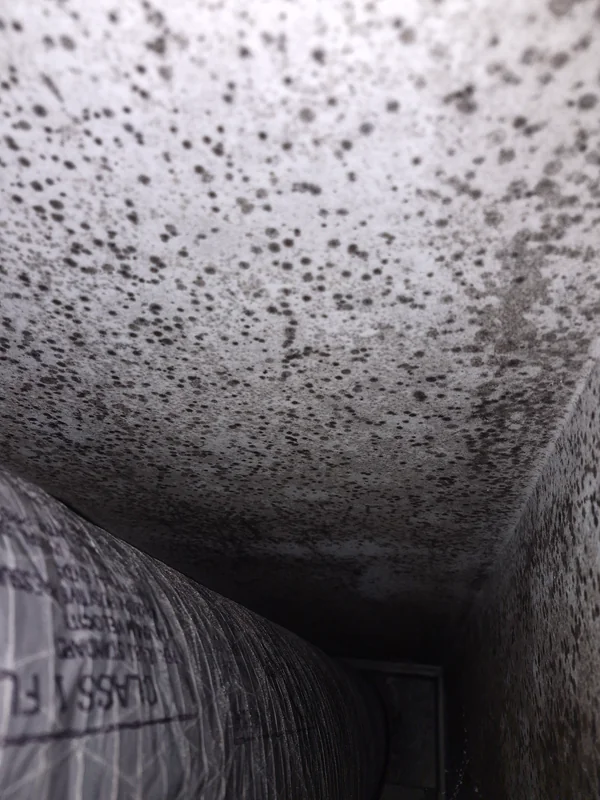
By the time mold is visible on surfaces, it’s often already established in sections of ductwork you can’t see from the registers. The timeline matters too. Mold can begin growing within 24 to 48 hours of a water event, and ductwork contamination can continue spreading spores long after the visible water is gone and the basement looks dry.
Many Shelly homeowners who had remediation done on their foundation or walls later noticed the musty smell returning when the HVAC system ran because the ducts were never addressed. A certified inspection after any flooding event is the only way to know for certain what’s in the system, and we offer that inspection at no charge.
Regular dust and debris in ductwork is a maintenance issue. Mold in ductwork is a health issue and the two require completely different approaches. Dust accumulation builds up passively over time and can be addressed with standard mechanical cleaning. Mold is a living biological organism that grows in response to moisture, spreads through spore release, and can reestablish itself if the underlying moisture source isn’t eliminated at the same time.
The practical difference is in how the cleaning has to be done. Disturbing mold without proper containment protocols causes spores to become airborne and spread to unaffected areas of the home. A general duct cleaning company that runs a vacuum through contaminated ductwork without containment measures can make the situation worse, not better. We approach mold in ducts as a mold remediation job first with lab-identified mold types, containment during cleaning, and post-cleaning verification testing to confirm the contamination has been eliminated, not just moved around.
The most common sign homeowners notice first is a musty smell that appears specifically when the HVAC system runs not a general household odor, but one that kicks in with the airflow. If you’ve had the system off for a while and the smell is noticeably worse when it first starts up, that’s a strong indicator that biological contamination is somewhere in the system.
Visible discoloration around registers or on vent covers is another sign, though by the time mold is visible at the register, it’s often more extensive deeper in the ductwork. Worsening allergy or respiratory symptoms that seem to improve when you leave the house and return when you’re home are also worth taking seriously.
In Bucks County’s humid climate where Shelly homes near the creek corridor face elevated moisture exposure year-round HVAC systems accumulate biological contamination faster than in drier regions. The only definitive way to know is a professional inspection with lab testing. We provide that inspection for free, and the lab results tell you exactly what’s present and what needs to be done about it.
Cleaning and sanitizing are two separate steps that serve different purposes, and in a mold situation, you typically need both. Air duct cleaning is the mechanical process using negative air pressure equipment and HEPA vacuums to physically remove debris, dust, biological material, and mold growth from the duct surfaces. It’s the removal step.
Air duct sanitizing happens after cleaning and involves applying an antimicrobial treatment to the interior surfaces of the ductwork. The goal is to eliminate any remaining mold spores or bacteria that weren’t captured during the mechanical cleaning phase. For homes in Shelly and the broader Richland Township area where above-average humidity and creek-corridor moisture create conditions that favor mold regrowth sanitizing adds a layer of protection that cleaning alone doesn’t provide.
Think of it this way: cleaning removes what’s there now, and sanitizing makes it harder for the problem to reestablish in the same environment. For any home that’s had confirmed mold in the duct system, skipping the sanitizing step leaves the job only partially finished.
For most residential properties, a thorough air duct cleaning takes between four and six hours. That’s the industry standard for a job done correctly both supply and return ducts cleaned, not just the visible registers wiped down. If the inspection reveals mold contamination that requires containment setup, lab sampling, and post-cleaning verification testing, the process may extend beyond that, but you’ll know the scope before work begins because we provide upfront pricing after the initial inspection.
Older homes in Shelly particularly those with original sheet metal ductwork, extended vent runs, or aging flex duct can take longer than newer construction with tighter, more accessible systems. Historic and mid-century properties common in the area sometimes have ductwork configurations that require more careful access and more thorough cleaning due to years of accumulated debris. The inspection phase is what allows us to give you an accurate time and cost estimate rather than a generic number that changes once the job is underway.
It’s a fair question given how often service companies bundle it in as an add-on, but the fire risk data is real and worth understanding. The National Fire Protection Association reports approximately 15,970 home structure fires involving dryers each year, with failure to clean the dryer vent as the leading cause not a mechanical failure, not an electrical issue, but lint accumulation blocking airflow and creating heat buildup that ignites.
The risk is higher in older homes with longer vent runs, which describes a lot of the housing stock in Shelly. Historic farmhouses and mid-century construction in the area often have dryer vent runs that travel further to reach an exterior wall, and longer runs accumulate lint faster and are harder to clear with a standard brush kit.
If your dryer is taking longer than one cycle to dry a normal load, or if the exterior vent flap doesn’t open fully when the dryer runs, those are signs the vent needs attention. Combining dryer vent cleaning with an air duct cleaning appointment is efficient the technician is already in the home, the inspection is already done, and addressing both in one visit is straightforward.
Other Services we provide in Shelly