
Hear from Our Customers
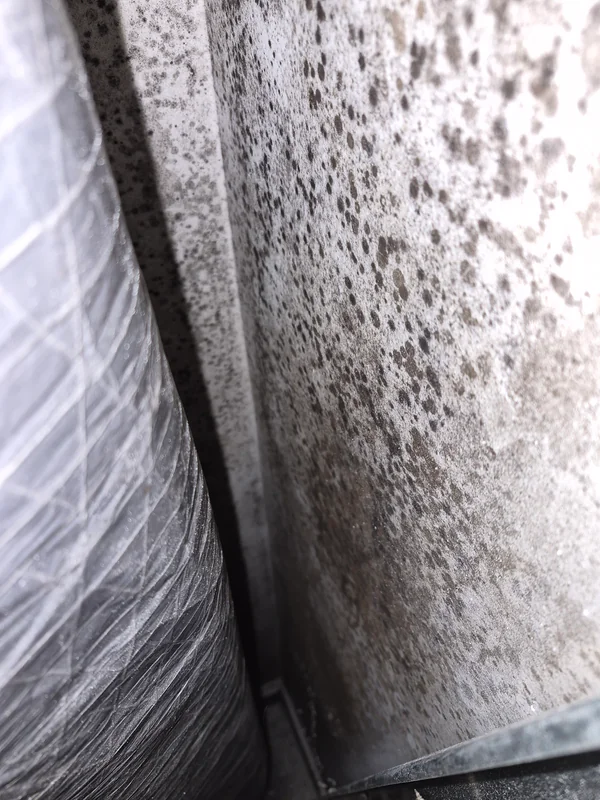
Most homeowners in the Roelofs area don’t think about their ductwork until something smells off when the AC kicks on in June. By that point, the problem has usually been building for months. Mold doesn’t announce itself it just quietly spreads through every vent in the house, every time the system runs.
Lower Makefield Township sits in a river valley that holds humidity differently than inland Bucks County communities. The Delaware River proximity, the clay-heavy soil that stays wet long after a rain event, and the recurring flooding the township has documented and legislated around these aren’t abstract risks. They’re the reason homes here develop moisture problems that eventually find their way into HVAC systems.
When that ductwork gets cleaned properly not just vacuumed, but inspected, remediated, and verified you’re not just getting better air quality in a general sense. You’re removing an active contamination source from a system that touches every room in your home. Families with kids, anyone dealing with worsening allergies, and homeowners who’ve had any kind of water intrusion in recent years have the most to gain from getting this done right.
We’re based in Bensalem the same county, the same climate, and the same housing stock as the homes along Roelofs Road and throughout Lower Makefield Township. This isn’t a franchise dispatching crews from out of region. We’re a certified mold remediation company that has spent over 15 years working through the specific conditions Bucks County creates: the above-average rainfall, the river-valley humidity, and the 1970s and 1980s construction that dominates so much of the local housing supply in Roelofs.
The difference between our approach and a general HVAC duct cleaner matters most when mold is actually involved. Disturbing mold without proper containment protocols spreads spores it doesn’t solve the problem. We bring certified inspection, lab-tested analysis, and post-remediation verification to every job. You’ll know what was found, what we did, and that it actually worked.
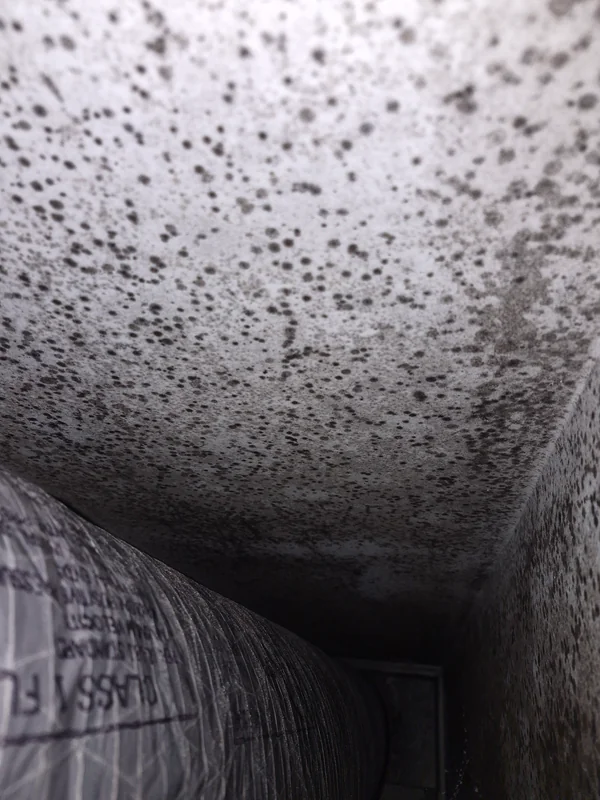
It starts with a free inspection. Before any work begins, one of our certified inspectors assesses your HVAC system looking at the ductwork, the evaporator coils, the drip pans, and the return air pathways. In homes throughout the Roelofs area, that inspection often turns up moisture damage that started in a basement or crawl space and migrated into the duct system. If mold is present, we send samples to a lab so the remediation plan is built around what’s actually there, not a best guess.
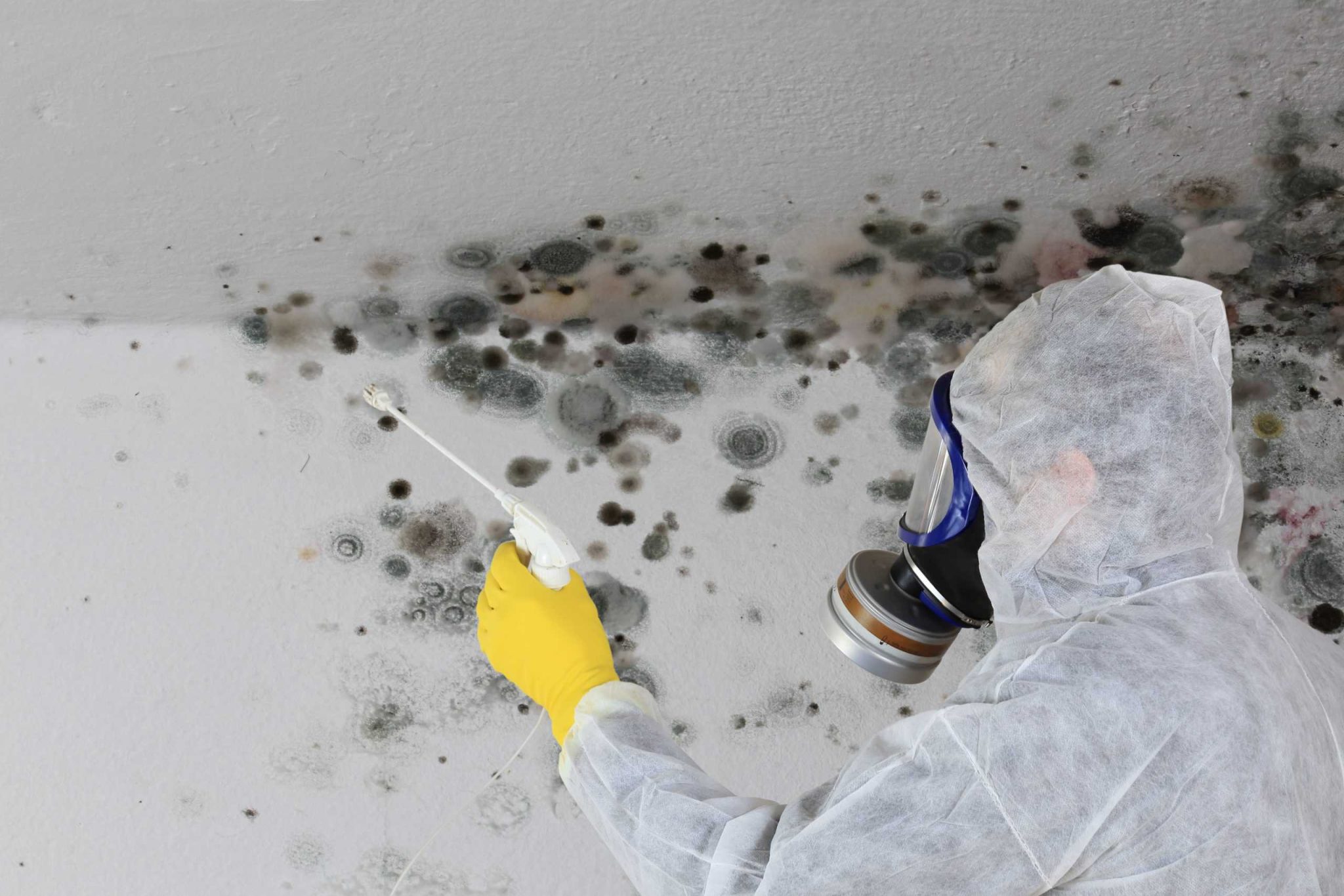
Once the inspection is complete and you have an upfront written quote, the work begins. Containment is set up first this is what separates a mold-trained remediation company from a standard duct cleaning crew. Mold disturbed without containment becomes airborne and redistributes throughout the home. After containment, the mechanical cleaning removes physical debris, buildup, and biological growth from both supply and return ducts. If sanitizing is warranted, we apply an antimicrobial treatment after the cleaning is complete.
The job isn’t finished when the equipment is packed up. We test the affected areas after remediation to confirm the mold is gone not assumed gone, but confirmed. Given how often Lower Makefield homeowners deal with post-flood follow-up work, having that documented clearance matters, especially when insurance claims are part of the picture.

Ready to get started?
Air duct cleaning is our core service, but it rarely exists in isolation especially in a community like Lower Makefield Township, where moisture intrusion from Delaware River flooding, aging sewer infrastructure, and clay-soil drainage issues creates a broader indoor air quality picture. We address the full scope: mold inspection and testing, HVAC duct cleaning, air duct sanitizing, and dryer vent cleaning, depending on what your home actually needs.
Air duct sanitizing is a separate step from mechanical cleaning. Cleaning removes the physical debris and biological matter from inside the ductwork. Sanitizing applies an antimicrobial treatment to address any remaining biological contamination after the cleaning is done. For homes that have had confirmed mold or any kind of water event, both steps are typically recommended one without the other leaves the job incomplete.
Dryer vent cleaning is worth mentioning separately because it’s often overlooked. Homes built in the 1970s and 1990s which make up a significant portion of the housing stock in the Roelofs area frequently have original dryer vent runs that have never been professionally cleared. The NFPA reports nearly 16,000 dryer-related house fires per year, with clogged vents as the leading cause. In a community of high-value homes along Roelofs Road and throughout Lower Makefield, that’s not a risk worth deferring.

It’s a legitimate concern, and one that comes up often in Lower Makefield Township. When water enters a basement or crawl space whether from a storm event, a sump pump failure, or Delaware River flooding like what the township experienced during Hurricane Ida in 2021 the HVAC return system can draw that moisture in. Mold can begin to colonize within 24 to 48 hours of moisture exposure in humid conditions, and once it establishes inside ductwork, the heating and cooling system distributes spores to every room on every cycle.
Most water damage restoration companies focus on drying the structure and don’t inspect the ductwork as part of their scope. That means a home can be structurally dried out while the HVAC system remains contaminated. If you’ve had any kind of water intrusion event in the last few years and your ducts haven’t been inspected since, that’s the right place to start. A certified inspection will tell you definitively whether there’s a problem and if there is, what it will take to fix it properly.
The honest answer is that you can’t tell from the outside. Mold grows in the dark, interior sections of ductwork not at the register where you can see it. The most common sign people notice is a musty smell when the HVAC system first kicks on, particularly at the start of AC season. Worsening allergy or respiratory symptoms that seem to improve when you leave the house for extended periods are another indicator worth taking seriously.
Dust at the register is normal and doesn’t automatically mean there’s a mold problem. But if you’re in a home that’s had any moisture history and in the Roelofs area of Lower Makefield Township, that includes a lot of houses given the river proximity and the clay soil that keeps basements damp a professional inspection is the only way to know for certain. We inspect the system, take samples where warranted, and send them to a lab. You get an actual answer, not a sales pitch built on uncertainty.
The industry standard recommendation is every three to five years for routine maintenance in a typical home. But “typical” doesn’t fully describe homes in the Roelofs area of Lower Makefield Township. The Delaware River valley creates a humidity baseline that accelerates biological growth inside ductwork compared to drier inland environments. Homes built in the 1970s through 1990s which are common throughout this part of Bucks County have older ductwork that may have never been professionally inspected, let alone cleaned.
If your home has had any water intrusion, if you’ve noticed musty odors from the vents, if you’ve had mold remediated elsewhere in the property, or if you’ve recently purchased the home and don’t know its history, those are all reasons to move sooner rather than waiting for a calendar interval. Post-renovation cleaning is also worth considering construction debris and disturbed materials settle into ductwork and create conditions that accelerate contamination. The free inspection is the right first step if you’re unsure where your system stands.
It depends on the cause of the water damage and the specifics of your policy. In many cases, water damage that results from a sudden, accidental event like a burst pipe or appliance failure is covered under a standard homeowner’s policy, and mold remediation that follows from that event can be included. Flood damage from external water sources, including Delaware River flooding, typically requires a separate flood insurance policy, which many Lower Makefield Township homeowners carry given that the township actively participates in FEMA’s National Flood Insurance Program.
We work directly with insurance companies on claims, which removes a significant amount of friction from the process. If you’ve filed or are considering filing a claim related to water damage or mold, having a certified mold remediation specialist involved from the beginning rather than trying to add us in after the fact makes the documentation process cleaner and typically results in a clearer scope of work for the insurer. It’s worth asking about this during the initial inspection call.
They’re two separate steps that address two different problems. Cleaning is the mechanical process using professional equipment to physically remove dust, debris, and biological buildup from inside the ductwork. This is the foundational step, and it takes a proper setup to do correctly: negative air pressure, HEPA-filtered vacuums, and access to both supply and return ducts. A job that only cleans one side of the system isn’t a complete cleaning.
Sanitizing comes after the cleaning is done. It involves applying an antimicrobial treatment to the interior duct surfaces to address any remaining biological contamination that mechanical cleaning alone can’t fully eliminate. For homes with confirmed mold in the ductwork which is a realistic scenario in the river-adjacent, high-humidity conditions of Lower Makefield Township sanitizing is generally recommended as part of the full remediation process. Cleaning without sanitizing in a mold situation is like scrubbing a surface but skipping the disinfectant. Both steps together give you a system that’s been physically cleared and biologically treated.
For routine dust removal in a home with no moisture history, a general duct cleaning company can get the job done. But if there’s any chance mold is involved and in a community like Roelofs, where Delaware River proximity, clay-soil drainage, and aging housing stock create real and recurring moisture risk the distinction matters considerably. A general duct cleaner who disturbs mold without containment protocols doesn’t solve the problem. They spread it. Mold spores become airborne during cleaning and redistribute throughout the home if the work isn’t done with proper containment in place.
A certified mold remediation specialist brings a different level of training and process to the job. We inspect the system first, collect lab samples where mold is suspected, build a remediation plan based on what’s actually present, and test the affected areas after the work is complete to confirm the mold is gone. That post-remediation verification step is something most duct cleaning companies simply don’t offer. For a home in Lower Makefield Township with any moisture history, that difference is significant.
Other Services we provide in Roelofs