
Hear from Our Customers
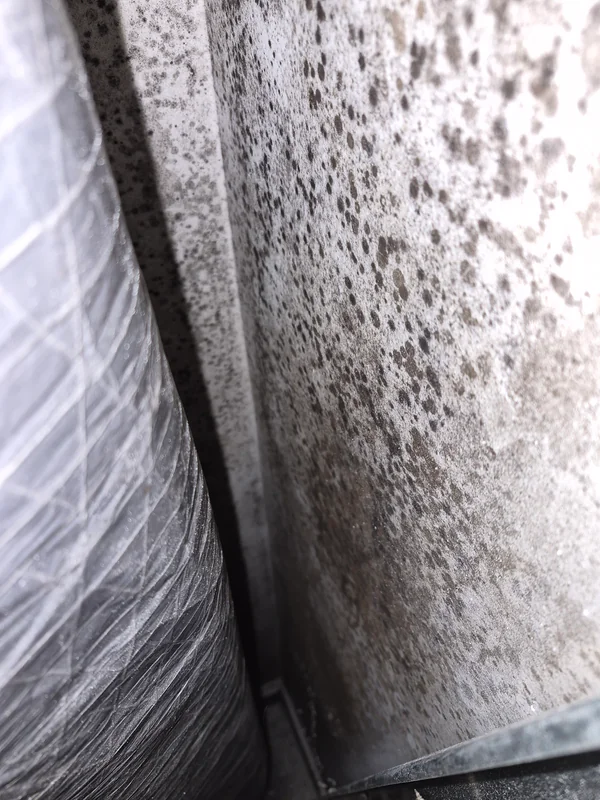
Most people don’t think about their air ducts until something smells off when the heat kicks on. By that point, whatever’s been growing in those ducts has already been circulating through your home every time the system runs. That’s the part most duct cleaners don’t tell you and it’s exactly why it matters who you call.
Reeders sits on the Pocono Plateau at nearly 1,000 feet elevation, and the Pennsylvania State Climatologist confirms that mountain communities like this one receive 8 to 12 more inches of precipitation annually than lower-elevation parts of the state. That moisture doesn’t stay outside. It works into basements, crawlspaces, and eventually the ductwork running through your home. Monroe County’s own climate outlook, published by Penn State, explicitly names mold and indoor air quality as direct consequences of the county’s increasing heavy rainfall.
When you have the ducts properly cleaned and inspected by someone who actually specializes in mold not just a franchise that vacuums debris you get confirmation that the air moving through your home is genuinely clean. Not just cleaner-looking registers. Real results you can verify.
We’ve been doing this work for over 15 years. Our company is built around mold inspecting it, testing it, remediating it, and verifying it’s gone after the job is done. That’s a fundamentally different background than a duct cleaning franchise that lists mold as a footnote.
That distinction matters in Reeders and the broader Jackson Township area, where the combination of forested lots, Pocono Mountain precipitation, and a significant stock of seasonal and vacation properties creates mold conditions that show up inside HVAC systems regularly. The primary duct cleaning competitor explicitly serving this area by name is a national franchise with no mold remediation depth. We fill a gap that genuinely exists here.
Every job includes direct communication throughout the process, upfront pricing before any work begins, and a free inspection so you know what you’re dealing with before you commit to anything.

It starts with a free inspection. Before any equipment comes out, we assess the system what’s in the ducts, where the contamination is concentrated, and whether what you’re dealing with is dust and debris or an active mold situation. In Reeders-area homes, that distinction often comes down to the age of the system, how long the property has been occupied seasonally, and whether the home sits on a wooded lot where ground moisture stays elevated long after a rain event.
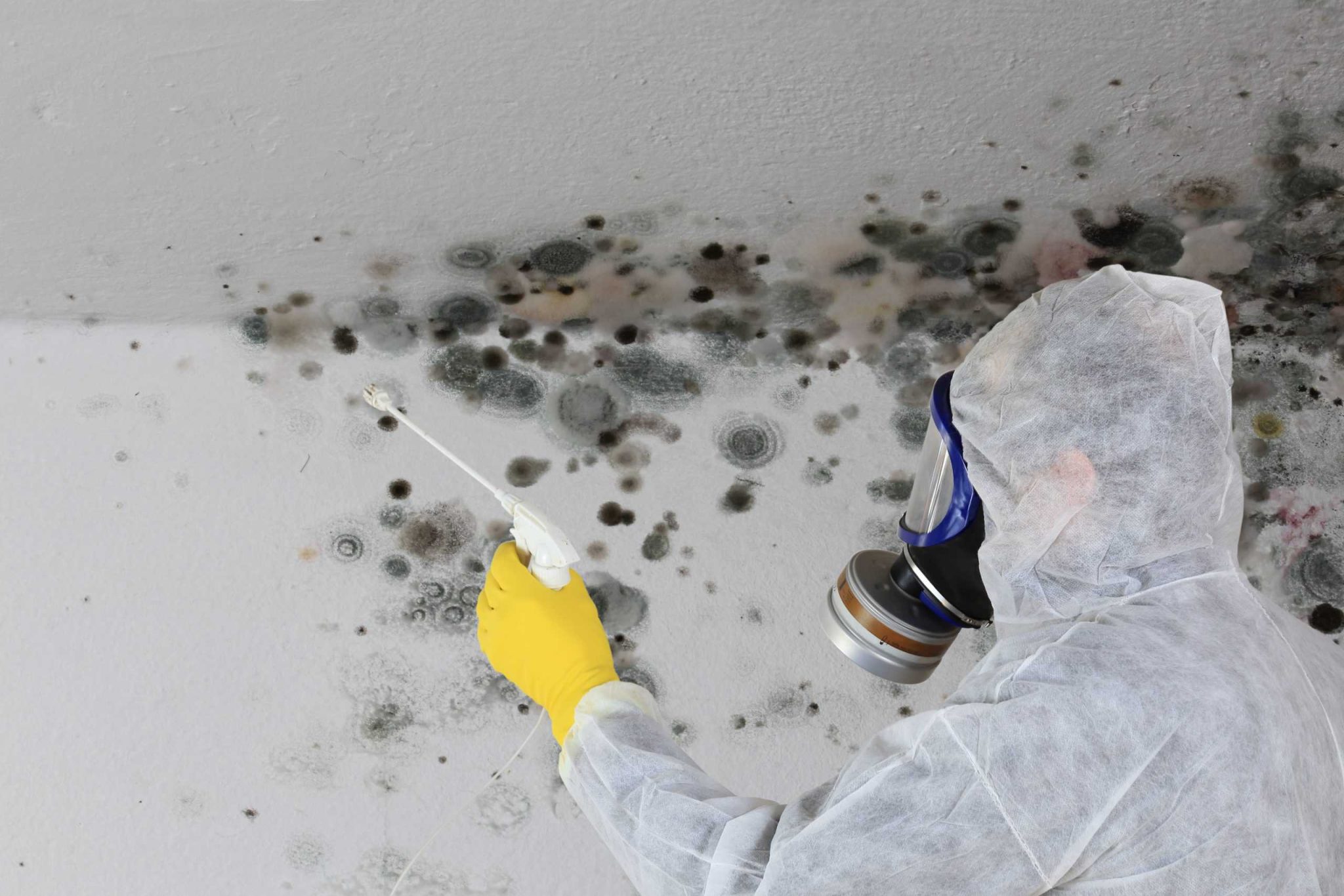
From there, the actual cleaning involves mechanical agitation and negative air pressure to pull contaminants out of the ductwork rather than just pushing them around. If mold is confirmed, containment protocols go in place first because disturbing mold inside a duct system without proper containment spreads spores to every room the system serves. This is the step a general HVAC cleaner skips, and it’s the step that matters most.
A proper air duct cleaning job takes four to six hours for most homes. After the work is complete, we test the affected areas to confirm the mold is actually gone not just visually cleaner, but biologically clear. You get documentation of the results, not just a handshake and an invoice.

Ready to get started?
Air duct cleaning and air duct sanitizing are not the same thing, and knowing the difference matters when mold is involved. Cleaning removes the physical debris the dust, the buildup, the visible contamination. Sanitizing applies antimicrobial treatment to the interior surfaces after the mechanical cleaning is done, targeting biological contamination that you can’t see or remove with a vacuum alone. When mold is confirmed in a Reeders home’s ductwork, both steps are part of the job.
Dryer vent cleaning is also available and worth taking seriously in this climate. The NFPA reports nearly 16,000 dryer-related house fires per year in the U.S., with failure to clean vents as the leading cause. In a Pocono Mountain home where the dryer works hard through long winters drying ski gear, heavy coats, and wet boots, lint accumulates faster than it does in milder climates. It’s a real fire risk, not a maintenance upsell.
For vacation homeowners and seasonal property owners in the Jackson Township area a growing segment given the short-term rental activity near Camelback Mountain we also work directly with insurance companies on claims when mold is involved. If you’re managing a property you rent to guests and you discover an HVAC mold issue, that’s not a situation you want to navigate alone. The financing options we offer mean you don’t have to delay addressing it because the timing is inconvenient.
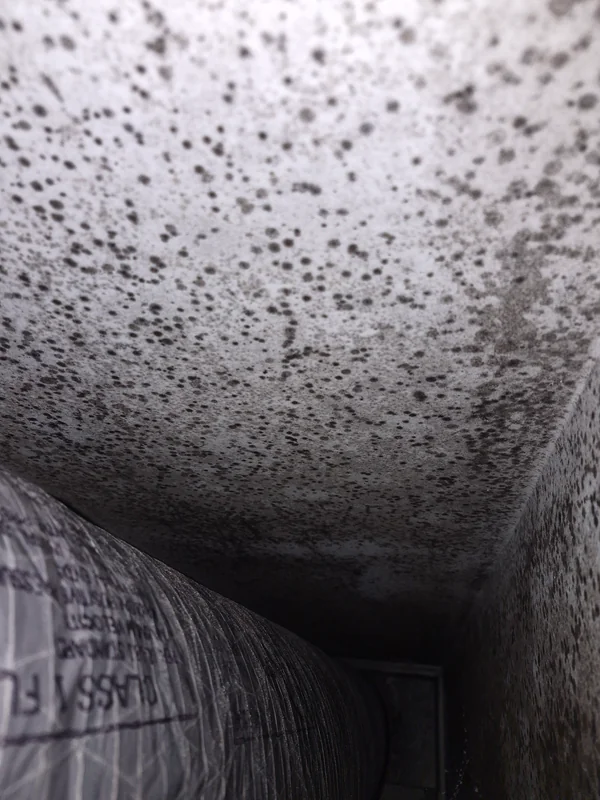
The most common sign is a musty smell that shows up specifically when your HVAC system turns on not a general basement or room smell, but one that appears and circulates when the heat or air conditioning kicks in. That’s a strong indicator that something biological is living inside the ductwork, not just on a surface you can see and clean. Other signs include worsening allergy or respiratory symptoms that seem to improve when you leave the house, or visible discoloration around registers or vent covers.
In Reeders and the surrounding Jackson Township area, mold in ductwork is more common than people expect. The Pocono Mountain climate brings significantly more annual precipitation than lower-elevation parts of Pennsylvania, and homes on wooded lots which describes most of the residential stock here stay wetter longer after rain events because the tree canopy slows evaporation. That ambient moisture works into HVAC systems over time, especially in homes that are seasonally occupied or where the system runs inconsistently. A free inspection from us will tell you definitively what’s in your system before you spend anything.
The honest answer is: it depends on what’s actually in your system. There’s a well-documented industry scam built around $99 air duct cleaning offers that turn into aggressive upsells once a technician is in your home. The EPA’s position on routine duct cleaning absent a specific problem is genuinely nuanced. They don’t recommend it as automatic annual maintenance.
Where it becomes clearly worth it is when you have confirmed or suspected mold in the system, a pest issue, significant debris buildup, or you’ve recently had water damage or mold remediation done elsewhere in the home. For Reeders homeowners, the Pocono climate’s high humidity and the area’s above-average precipitation make the mold scenario more likely than it would be in a drier part of the state. If you’ve never had the system inspected and your home is more than a few years old, the free inspection is the logical first step it tells you whether you actually have a problem worth addressing, without any obligation to proceed.
Yes, significantly. When a property is unoccupied with the HVAC system running at a reduced setting or turned off entirely, moisture accumulates inside the ductwork with no airflow to dry it out. The Pocono Mountain climate means that ambient humidity is high even during the months your property is closed there’s no true dry season here that would naturally arrest mold growth inside a dormant system.
When you return and activate the system for the season or when guests arrive and turn on the heat or air conditioning whatever has developed inside those ducts gets distributed to every room simultaneously. For properties listed on short-term rental platforms, that’s a real liability. Jackson Township passed short-term rental regulations in 2023 that reflect the scale of the vacation property market in this area, and guests with allergies or respiratory conditions will notice air quality issues immediately. Having the ducts inspected and cleaned before the rental season opens is straightforward protection for both your guests and your property.
Cleaning and sanitizing are two separate steps that address two different types of contamination. Mechanical cleaning using negative air pressure and agitation equipment removes the physical debris from inside the ductwork: dust, lint, accumulated particles, and visible buildup. It’s the foundation of the job, and it takes most of the time.
Sanitizing is what happens after the physical cleaning is done. It involves applying an antimicrobial treatment to the interior surfaces of the ductwork to address biological contamination mold spores, bacteria, and other organic material that mechanical cleaning alone doesn’t fully eliminate. When mold is confirmed in a system, skipping the sanitizing step means you’ve removed the visible growth but left behind the conditions for it to return. In a Reeders home where the underlying moisture environment is driven by Pocono Mountain precipitation and humidity, that distinction matters more than it would in a drier climate. Both steps together are what actually resolve the problem rather than just temporarily improve it.
For most homes, the general industry guidance is every three to five years under normal conditions. But “normal conditions” is doing a lot of work in that recommendation. In Monroe County, where annual precipitation is higher than the state average and Pocono Mountain communities receive even more moisture than the surrounding lower-elevation areas, the baseline mold risk inside HVAC systems is elevated compared to what that general guideline assumes.
Practically speaking, the triggers that should move you to schedule an inspection regardless of timing include: a musty smell when the system runs, visible discoloration near registers, a recent water event in the home, mold remediation work done elsewhere on the property, or purchasing a home where you have no history of the HVAC system’s maintenance. For seasonal and vacation properties in the Reeders area, the beginning of each occupancy season whether that’s before ski season or before summer is a natural and sensible time to have the system checked. A free inspection costs you nothing and tells you whether you’re in the three-to-five-year window or whether something warrants attention now.
It can, and this is one of the more serious risks of approaching duct mold as a DIY project. Mold spores become airborne when disturbed. Inside a duct system, those spores have a direct pathway to every room the system serves which is typically the entire house. If you disturb mold growth inside ductwork without proper containment in place, you can spread the contamination to areas that were previously unaffected, turning a localized problem into a whole-home situation.
Professional remediation uses containment protocols before any cleaning begins isolating the affected sections of the system so that disturbed spores don’t travel. The equipment involved, including HEPA vacuums and negative air pressure systems, is specifically designed to capture rather than redistribute what comes out of the ducts. This is the core reason why mold in ductwork requires a mold specialist rather than a general duct cleaning service. In a Reeders home where the HVAC system works hard against Pocono winters and humid summers, the last thing you want is to turn a manageable duct issue into a remediation project that involves multiple rooms. We also test after the job is complete to confirm the mold is gone not just cleaned-looking, but actually clear.
Other Services we provide in Reeder