

Hear from Our Customers
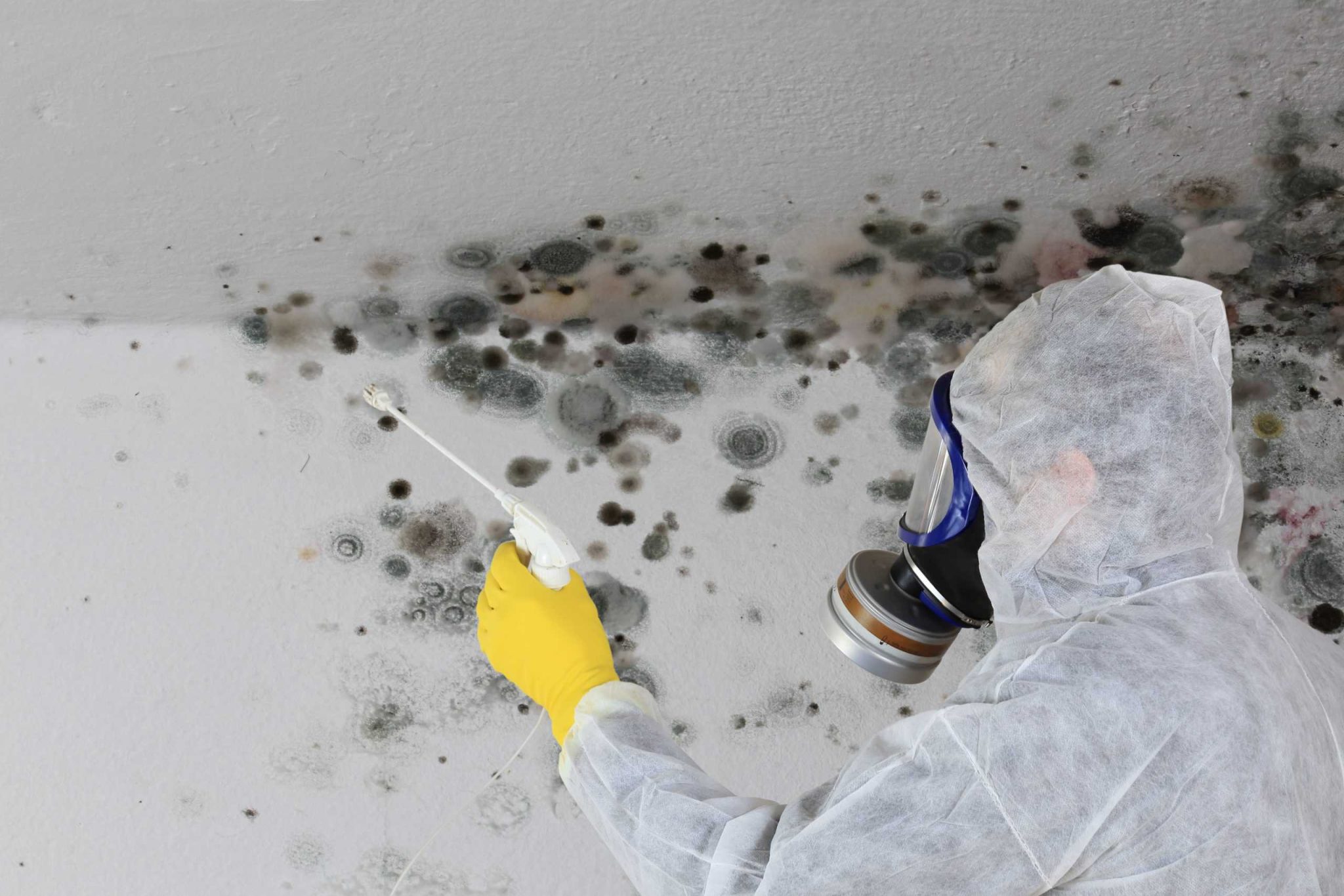
Most homeowners in Quincy Hollow don’t think about their ductwork until something forces the issue a musty smell when the AC kicks on, worsening allergies through the summer, or a basement flood that happened faster than the sump pump could handle it. By the time you notice any of those signs, the problem inside the system has usually been building for a while.
Every home in Quincy Hollow was built circa 1956 as part of the Levittown planned development. That original sheet-metal ductwork is now approximately 70 years old built before modern sealing standards, before mold awareness shaped HVAC design, and long before the year-round demands of today’s air conditioning. Joints that have expanded and contracted through seven decades of Pennsylvania winters and humid summers are no longer airtight. That’s where moisture gets in, and where mold gets its foothold.
The Queen Anne Creek runs along Quincy Hollow’s western boundary, and Bucks County as a whole averages around 49 inches of rain per year well above the national average. That ambient moisture, combined with the area’s documented high water table, puts real and ongoing pressure on aging foundations and basement walls. When spring rains overwhelm a sump system in a 70-year-old home, mold can begin colonizing within 24 to 48 hours. If that moisture reached anywhere near the ductwork, your HVAC system becomes the delivery mechanism pushing spores into every room every time the heat or AC runs. Having that system properly cleaned and verified isn’t a luxury. In a Quincy Hollow home, it’s maintenance that’s long overdue.
Mack’s Mold Removal & Inspections has been doing mold remediation and inspection work in Bucks County for over 15 years, operating out of Bensalem which puts us minutes from Quincy Hollow via New Falls Road and the Route 13 corridor. That proximity isn’t just a logistical detail. It means we know this area’s housing stock, its drainage vulnerabilities, and the specific conditions that make lower Bucks County homes like those in Quincy Hollow more susceptible to mold in HVAC systems than most homeowners realize.
We’re not a national franchise applying a generic checklist to your home. We’re a locally operated team of certified mold remediation specialists who bring the same inspection protocols to your air ducts that we use on a full mold remediation job. That’s a meaningful difference when the concern isn’t just dust it’s biological contamination in a system that circulates air through your entire home.
Customers have specifically noted in reviews that we test affected areas after the job to confirm mold is gone. That post-cleaning verification step is something most providers skip entirely. We don’t, because we’d rather prove the work was done right than ask you to take our word for it.

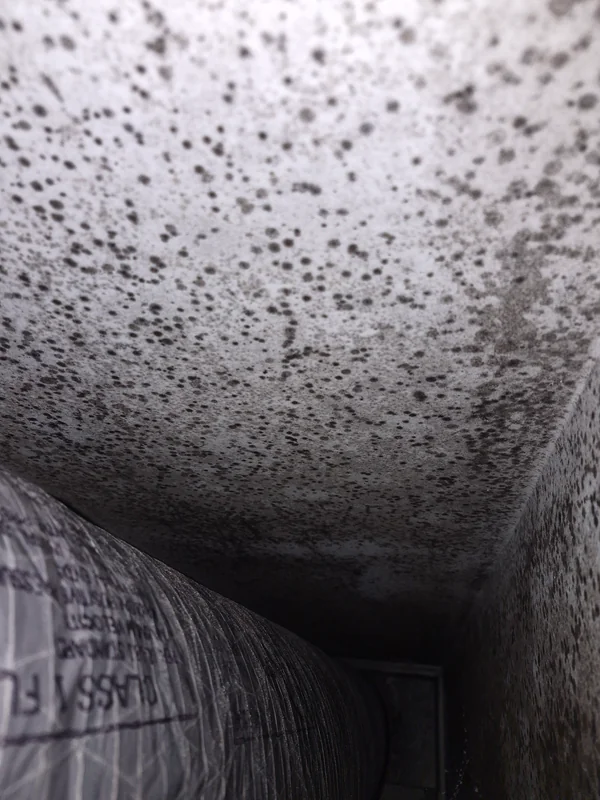
It starts with a free inspection. Before anything gets cleaned, a certified inspector walks through the system to assess what’s actually going on not just at the register where you can see it, but in the interior duct sections where mold colonies establish long before any visible sign appears. In a Quincy Hollow home built in the 1950s, that interior inspection matters more than in a newer build, because the failure points in aging sheet-metal ductwork are specific and predictable once you know what to look for.
If mold is found, we don’t just vacuum and leave. We apply the same containment protocols used in full mold remediation work containing the affected section, removing the biological contamination properly, and treating the system to prevent regrowth. If you’ve recently had a basement water event, which is common in Levittown during spring rain season given the area’s high water table and aging sump systems, we pay particular attention to any ductwork that runs through or near the basement level. That’s where moisture-driven mold typically originates in these homes.
Once the cleaning and any necessary sanitizing is complete, we test the affected areas to verify the mold is gone. You get documentation of what was found, what was done, and confirmation that the system is clean. No guesswork, no assumptions just a clear result you can actually rely on.
Ready to get started?
Air duct cleaning at Mack’s Mold Removal & Inspections covers both the mechanical removal of debris and the mold-specific inspection and remediation work that general duct cleaners aren’t equipped to handle. For Quincy Hollow homes where the ductwork is aging, the moisture pressure from the Queen Anne Creek corridor is real, and basement flooding is a documented seasonal risk that distinction matters. A duct cleaner who disturbs a mold colony without proper containment can spread spores through the entire system. Our certified specialists don’t let that happen.
We also offer air duct sanitizing as a follow-up step after cleaning, applying antimicrobial treatment to the interior duct surfaces to address any remaining biological contamination. This is especially relevant after a water event or in homes where mold has been previously remediated elsewhere on the property and the HVAC system hasn’t been inspected since. If mold was found in your basement or walls, there’s a real chance it reached the ducts and sanitizing alone isn’t enough if active contamination is present.
Dryer vent cleaning is another service we provide, and it’s worth taking seriously. The NFPA reports nearly 16,000 dryer-related house fires per year in the U.S., with failure to clean the vent as the leading cause. In a densely built Levittown section like Quincy Hollow where homes sit on roughly 0.19-acre lots and are close together a dryer fire carries risk beyond your own property. All services come with a free initial inspection and upfront pricing, so you know exactly what you’re getting before any work begins.
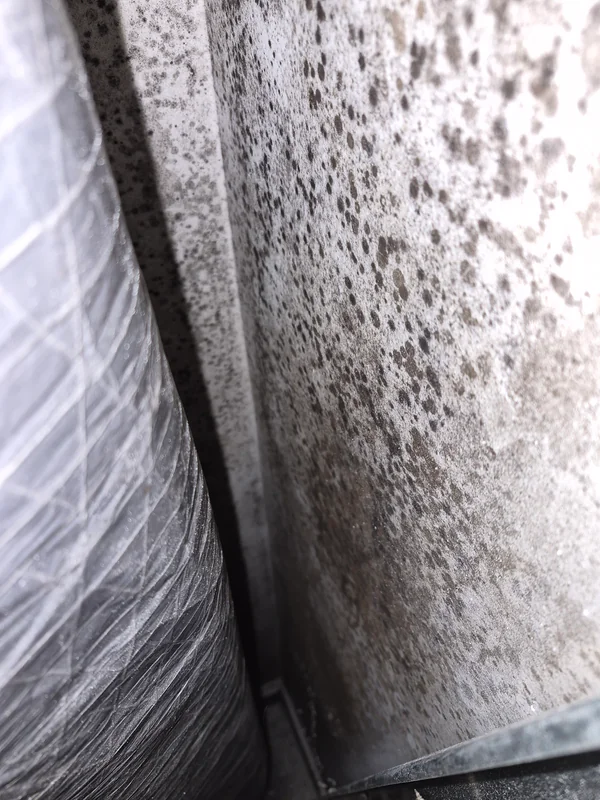
The most common sign is a musty smell that appears specifically when the HVAC system kicks on not a general odor in the house, but one that’s clearly tied to air movement through the vents. You might also notice worsening allergy or respiratory symptoms that seem to correlate with time spent indoors, or visible discoloration around the register covers themselves.
In Quincy Hollow, where homes were built circa 1956 and the ductwork has been in place for roughly 70 years, mold in the HVAC system is a realistic concern even if the home looks well-maintained from the outside. The interior sections of aging sheet-metal ductwork are dark, and in a home near the Queen Anne Creek corridor where ground moisture levels stay elevated and spring flooding is a recurring issue the conditions inside those ducts can be exactly what mold needs to establish.
The only way to know for certain is a professional inspection. Mack’s Mold Removal & Inspections offers free inspections, so there’s no financial risk in getting a real answer rather than guessing.
The honest answer is that it depends on why you’re doing it. If you’re cleaning ducts simply as routine maintenance with no specific problem present, the EPA’s position is that the benefit is unclear. But that’s a different scenario than what most Quincy Hollow homeowners are dealing with. When mold is confirmed or suspected in the ductwork which is a legitimate concern in 70-year-old Levittown homes that have experienced basement moisture events the EPA explicitly recommends cleaning.
The scam version of this service is the $99 air duct cleaning offer, which is a well-documented bait-and-switch: a low-ball price gets you to book, and then the upsells start once they’re in your home. Mack’s Mold Removal & Inspections operates the opposite way free inspection upfront, a clear quote before any work starts, and a price that doesn’t change once you’ve agreed to it. If inspection shows your ducts are genuinely clean and don’t need service, we’ll tell you that too.
Yes, and sooner rather than later. Mold begins colonizing within 24 to 48 hours of water exposure, and in a Levittown home where ductwork runs through or near the basement level, a flooding event creates a direct path for moisture to enter the HVAC system. The area’s high water table which sits close to the surface throughout Levittown combined with the aging sump systems in 1950s-era homes means basement water intrusion during heavy spring rains is not an unusual event in Quincy Hollow. It’s a pattern that restoration professionals working in this area document regularly.
Even if the basement itself dried out and looks fine now, the interior of the ductwork may tell a different story. Mold in ducts grows in sections you can’t see from the register, and it can remain active and distributing spores through the system long after the visible water damage has been addressed. If your basement flooded and your ductwork hasn’t been inspected since, that inspection is the logical next step not an optional one.
They’re two separate steps, and both matter when mold is involved. Air duct cleaning is the mechanical process physically removing dust, debris, and biological contamination from the interior of the ductwork using professional-grade equipment. A proper cleaning reaches the interior duct sections, not just the registers or the visible portions near the vents. For a Quincy Hollow home with 70-year-old ductwork, that mechanical cleaning is the foundation of the job.
Air duct sanitizing is what comes after. Once the physical debris and contamination have been removed, an antimicrobial treatment is applied to the interior duct surfaces to address any remaining biological material and reduce the likelihood of regrowth. In a home where mold has been the concern particularly after a moisture event or in a humid Bucks County summer when condensation builds up inside aging ductwork sanitizing is the step that makes the result last. Cleaning without sanitizing in a mold-affected system is like treating the symptom without addressing what caused it.
Industry guidance typically points to every three to five years as a general recommendation, but that range assumes a home with reasonably modern construction and no specific moisture or mold history. For a Quincy Hollow home built in 1956 with original or early-replacement ductwork, a basement that’s been through multiple spring flooding seasons, and proximity to the Queen Anne Creek moisture corridor that standard timeline may not be conservative enough.
The more useful question is whether there’s been a triggering event: a basement flood, a mold discovery elsewhere in the home, worsening allergy symptoms, or a musty smell tied to HVAC operation. Any of those warrants an inspection regardless of when the last cleaning happened. If your home has never had the ductwork professionally inspected, that’s the starting point not a scheduled cleaning, but a baseline assessment of what’s actually in the system after decades of use in a high-moisture environment.
Yes, and that’s actually one of the more practical reasons to call Mack’s Mold Removal & Inspections rather than a general duct cleaning company. If a mold inspection reveals contamination in both the ductwork and elsewhere in the home say, in a basement wall or around a water-damaged area handling both under one certified team means the remediation approach is consistent. A general duct cleaner isn’t equipped to assess or remediate structural mold, and a restoration company that doesn’t specialize in mold may not apply the same level of containment and verification to the HVAC system.
For Quincy Hollow homeowners dealing with the aftermath of a basement flood or a mold discovery during a home inspection, this matters practically. You don’t want two separate companies with two separate protocols working on the same underlying moisture problem. Mack’s certified specialists treat the ductwork with the same rigor applied to a full remediation job containment, removal, post-cleaning verification so the result is documented and complete, not piecemeal.
Other Services we provide in Quincy Hollow