
Hear from Our Customers

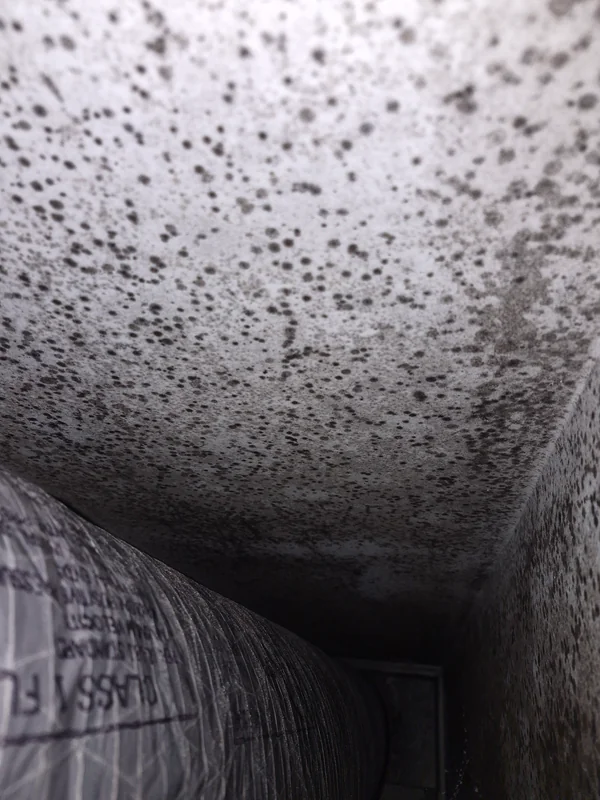
Most homeowners in Queen Village never think about their ductwork until they notice a musty smell every time the AC kicks on. By then, the problem has usually been building for a while quietly, inside duct runs that were never designed for the homes they’re now serving.
When a 19th-century rowhome gets retrofitted with forced-air heating and cooling, the ductwork often runs through tight brick cavities and cramped chases that trap moisture instead of releasing it. That’s not a design flaw you can see from a register it’s a hidden condition that takes a trained eye to diagnose.
Philadelphia’s outdoor humidity already averages around 68%, which sits above the threshold the EPA identifies as the point where mold begins growing indoors. In Queen Village specifically, the Delaware River waterfront pushes that baseline even higher on the eastern blocks. Every time your HVAC system pulls in outside air on a humid summer day, it’s drawing that moisture into your duct system. If there’s any condensation buildup or a small gap in duct insulation, that moisture doesn’t dry out it just sits there, and over one or two Philadelphia summers, it becomes a mold problem your system then spreads to every room in the house.
When that cycle gets interrupted when the ducts are properly inspected, cleaned, and verified the difference is real. Families with young children stop wondering what’s triggering the coughs and congestion. Homeowners who just finished a renovation stop circulating construction debris through a brand-new living space. And people who’ve already had mold remediated somewhere in their home stop worrying that it came back through the vents.
We’ve been working in South Philadelphia homes for over 15 years the same brick foundations, plaster walls, old cast iron plumbing, and shared party walls that define Queen Village. This isn’t a company that added mold to a list of services. Mold inspection and remediation is the entire foundation of what we do, which is why our approach to air duct cleaning looks different from a standard HVAC company’s.
When a general duct cleaner disturbs mold inside ductwork without proper containment protocols, they can spread spores through the system rather than eliminate them. Our certified inspectors know how to identify what’s actually growing inside those ducts, contain it correctly, and verify through lab testing that the mold is gone before we leave. That post-job verification step confirmed by multiple customers in our reviews is something most competitors in this area simply don’t offer.
For a neighborhood like Queen Village, where homes carry significant value and residents take their properties seriously, that level of accountability matters. The owner is personally involved in jobs, reachable by phone, and has a documented track record of same-day and next-day responses something that’s come up repeatedly in customer feedback.
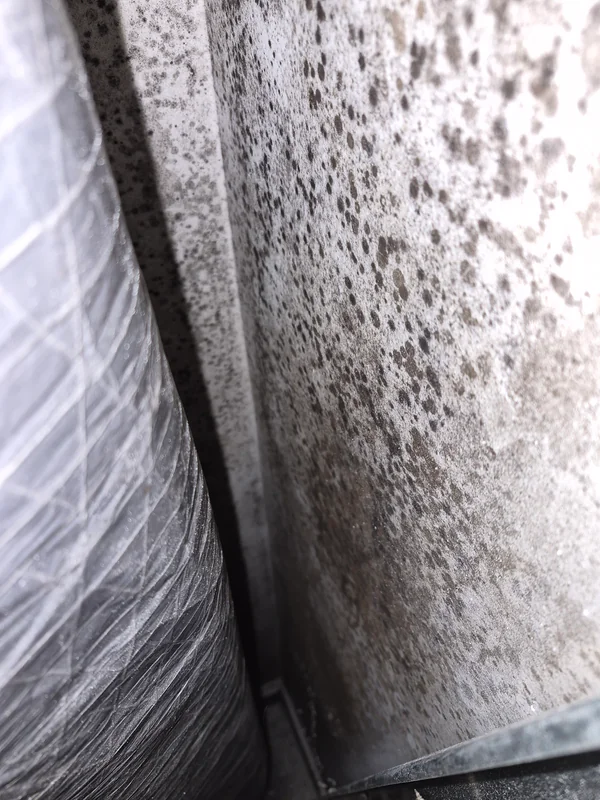
It starts with a free inspection. Before any work begins, a certified inspector walks through the property and evaluates the HVAC system looking at the duct runs, checking for visible contamination, assessing moisture conditions, and identifying whether mold is present and where. In Queen Village’s older rowhomes, that inspection often turns up conditions that aren’t obvious from the outside: condensation buildup in narrow duct sections behind plaster walls, moisture near aging plumbing, or dryer exhaust paths that are venting under a flat roof deck instead of directly to the exterior one of the most common and underdiagnosed mold drivers in this type of construction.
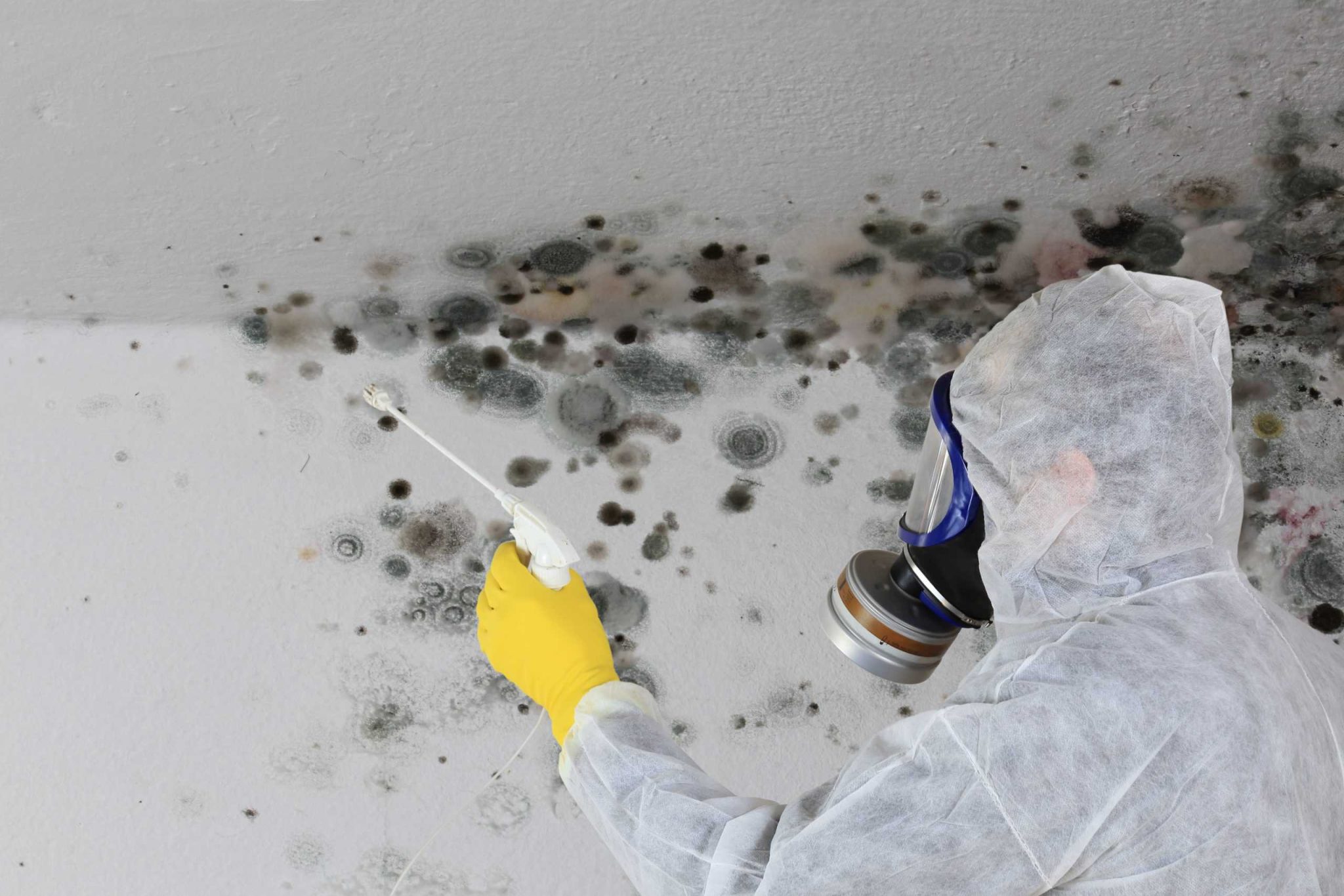
If mold is found, proper containment comes before any cleaning begins. That’s the step that separates a mold remediation specialist from a standard duct cleaning company. Containment keeps spores from being pushed further into the system or into the living space during the cleaning process. From there, the mechanical cleaning itself using professional-grade equipment that creates negative air pressure throughout the duct system removes debris, contamination, and biological material from both supply and return ducts.
After the cleaning is complete, we test the affected areas to confirm the mold is actually gone. That’s not a standard step in this industry, but it’s how we operate. You get documentation, not just a handshake. Air duct cleaning doesn’t require a permit in Philadelphia, but any associated remediation work that involves structural modifications may involve the city’s Department of Licenses and Inspections and we navigate that process as part of the job.
Ready to get started?
Air duct cleaning covers the mechanical removal of debris, dust, biological material, and mold from your duct system. Air duct sanitizing goes a step further after the physical cleaning, an antimicrobial treatment is applied to address any remaining biological contamination. When mold is involved, both steps are typically needed. Cleaning without sanitizing leaves residual spores behind; sanitizing without cleaning first means the treatment is working against a layer of debris instead of the duct surface itself. We perform both as part of a complete approach to HVAC mold removal.
Dryer vent cleaning is a separate service that Queen Village homeowners should take seriously. The NFPA reports nearly 16,000 dryer-related house fires per year, with failure to clean the vent as the leading cause. In older Queen Village rowhomes, dryer exhaust venting is often poorly routed running longer than recommended distances or venting under a flat roof deck rather than directly to the outside. That configuration causes lint to accumulate faster and creates a fire risk that standard maintenance timelines don’t account for. If you haven’t had your dryer vent inspected since moving in or since your last renovation, it’s worth adding to the list.
We also work directly with insurance companies when mold remediation is part of a larger claim a meaningful service for Queen Village homeowners whose properties carry significant value and whose policies are likely robust. Financing is available for situations where the scope of work is larger than expected. The goal is to make sure cost doesn’t become the reason a mold problem gets left alone.

It’s a real factor, not just a general concern about Philadelphia weather. The EPA identifies sustained indoor relative humidity above 60% as the primary condition under which mold begins to grow. Philadelphia’s outdoor average humidity sits around 68%, and in Queen Village where the eastern blocks are separated from the Delaware River only by I-95 and Columbus Boulevard that baseline tends to run higher than inland neighborhoods. When your HVAC system draws in that humid outside air and pushes it through ductwork that has any condensation buildup, small gaps in insulation, or areas of restricted airflow, the moisture gets trapped inside the duct system. It doesn’t evaporate the way it would in an open space.
Over one or two Philadelphia summers of that cycle repeating, the interior of the ductwork becomes a mold environment. Your HVAC system then does exactly what it’s designed to do distribute air to every room in the house except now it’s carrying mold spores along with it. If you’ve noticed a musty smell when the AC first kicks on, or if your allergy symptoms have been worse indoors than out, the ductwork is worth having inspected. A free inspection is the right starting point before assuming the worst or dismissing it entirely.
In most cases, yes and it’s one of the more overlooked steps after a major renovation. Construction work generates significant amounts of fine dust, disturbed insulation particles, and debris that infiltrate the HVAC system through open registers, disconnected duct sections, and gaps created during the work. Once that material is inside the ductwork, it doesn’t settle out on its own. The next time the system runs, it circulates that debris through every room in the house.
In Queen Village, where gut rehabs and historic restorations have been ongoing for decades, this is a genuinely common situation. Homeowners who invest substantially in a renovation and then move into what feels like a fresh space are often unaware that the duct system is still carrying remnants of the construction process. That debris also creates conditions where mold can take hold when Philadelphia’s summer humidity arrives giving the biological material something to grow in. A post-renovation duct cleaning and inspection gives you a clean baseline and confirms that the air quality inside your renovated home actually matches the work that went into it.
The most reliable indicator is a musty or earthy smell that appears specifically when your HVAC system is running not when it’s off. Regular dust buildup doesn’t typically produce an odor when air moves through it. Mold does. If the smell fades when the system shuts off and returns when it kicks back on, that pattern points toward biological contamination somewhere in the duct system rather than simple accumulated debris.
Other signs worth paying attention to: visible discoloration around supply registers (dark or greenish staining on the grille or surrounding wall), worsening allergy or respiratory symptoms that correlate with time spent indoors, or a history of water intrusion anywhere in the home a leaking pipe, a basement flood, or a flat roof that’s held standing water. In Queen Village’s older rowhomes, cast iron plumbing that develops slow leaks near duct runs is a common and underdiagnosed source of sustained moisture inside the duct system. The only way to know for certain is a professional inspection that includes looking inside the ductwork not just at the registers and lab testing samples when contamination is suspected.
Significantly different, and the distinction matters more than most people realize. Routine duct cleaning the kind you schedule every few years to remove dust and debris is a mechanical process. A technician uses professional vacuuming equipment to pull accumulated material out of the duct system. That’s appropriate when the issue is dust, pet dander, or general buildup from years of use.
When mold is involved, the process has to start with containment before any cleaning equipment runs. If you disturb mold inside a duct system without sealing off the affected sections first, the cleaning process itself can push spores further into the system or into the living space. That’s why a mold remediation specialist and a standard duct cleaning company are not interchangeable for this situation. After proper containment, the cleaning removes the physical contamination, and air duct sanitizing applies an antimicrobial treatment to address any remaining biological material on the duct surfaces. We also perform post-cleaning lab testing to verify the mold is actually gone not just treated before the job is considered complete. For a Queen Village homeowner dealing with a confirmed mold situation, skipping any of those steps risks ending up back at the same problem within a season.
For most homes, the general industry guidance is every three to five years for routine cleaning. But that timeline assumes relatively standard conditions newer construction, moderate humidity, no history of water intrusion or mold. Queen Village rowhomes don’t fit that profile. Homes built in the 18th and 19th centuries were retrofitted with HVAC systems through spaces that weren’t designed for them, which means the ductwork often runs through areas with limited airflow, higher condensation risk, and more contact with aging materials that hold moisture.
In practice, this means the three-to-five-year guideline is a floor, not a ceiling. If your home has had any water intrusion a leaking pipe, a basement that’s taken on moisture after a heavy rain along Washington Avenue, or a flat roof that’s pooled water the duct system should be inspected sooner rather than waiting for the next scheduled cleaning. The same applies after any significant renovation, after a mold remediation job anywhere in the home, or if you notice any of the warning signs: musty odor when the system runs, visible discoloration near registers, or worsening indoor allergy symptoms. An inspection doesn’t commit you to a full cleaning it just tells you where you actually stand.
The risk depends on what’s actually inside your ducts. If it’s just dust and debris, a lower-cost cleaning company may get the job done adequately. But if there’s mold present which is a realistic possibility in any Queen Village home given the age of the housing stock and the humidity conditions along the waterfront a company without mold remediation training can make the situation worse. Running high-powered vacuuming equipment through a mold-contaminated duct system without proper containment pushes spores further into the system and potentially into the living space. You end up with a cleaner-looking register and a bigger mold problem.
The bait-and-switch pattern is also well-documented in this industry: a low advertised price gets a technician in the door, followed by upsells, undisclosed fees, and work that doesn’t address the actual problem. For a Queen Village homeowner whose property is worth several hundred thousand dollars, the financial and health cost of that outcome far exceeds whatever was saved on the initial quote. We offer free inspections and upfront pricing what you’re quoted is what you pay. More importantly, the inspection tells you whether mold is actually present before any work begins, so you’re making a decision based on what’s real, not what a salesperson is telling you over the phone.
Other Services we provide in Queen Village