
Hear from Our Customers

Most Quakertown homeowners deal with basement moisture at some point. Clay-heavy soil, a high water table, and the occasional overflow from Beaver Run or Licking Run it’s part of living here. What most people don’t think about is where that moisture goes next.
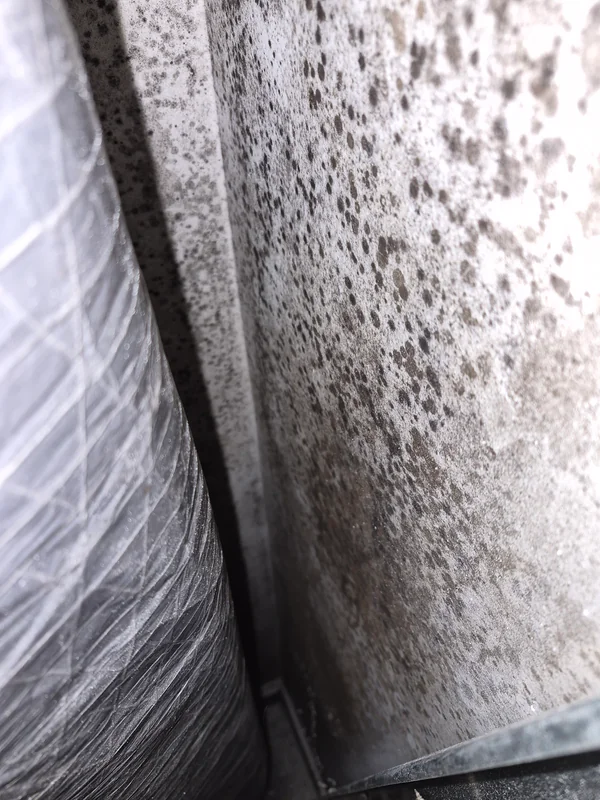
When humidity climbs inside your home, your HVAC system pulls that air in, runs it through the ductwork, and distributes it to every room. If mold has established itself anywhere in that system, every heating and cooling cycle spreads it further. Getting your air ducts professionally cleaned means that cycle stops. You’re not just removing dust you’re cutting off the pathway mold uses to move through your home.
For families in Quakertown’s older housing stock, where ductwork often runs through uninsulated basement spaces and hasn’t been touched in decades, that matters more than most people realize. After the job is done, you get documentation. Not a handshake and a receipt actual post-cleaning verification that the system is clear. That’s the difference between assuming the problem is gone and knowing it is.
We’ve been doing this work for over 15 years, and we’re based right here in Bucks County. Quakertown has been part of our service area long enough that we know what to look for the clay-soil moisture issues, the aging block foundations in the Historic District along Broad Street, the HVAC systems in pre-1940 homes that were retrofitted decades ago and have never been inspected since.
This isn’t a franchise. There’s no call center. When you reach out, you’re talking to people who are personally accountable for the work. Multiple customers have specifically named our owner, Jeff, in their reviews not because it’s a talking point, but because he’s actually involved in the jobs.
We also work directly with insurance companies when mold remediation is part of a claim, which comes up more often than you’d expect in a community with Quakertown’s flooding history. If you’ve had water in your basement near Beaver Run and never had the HVAC system checked afterward, that’s worth a conversation.
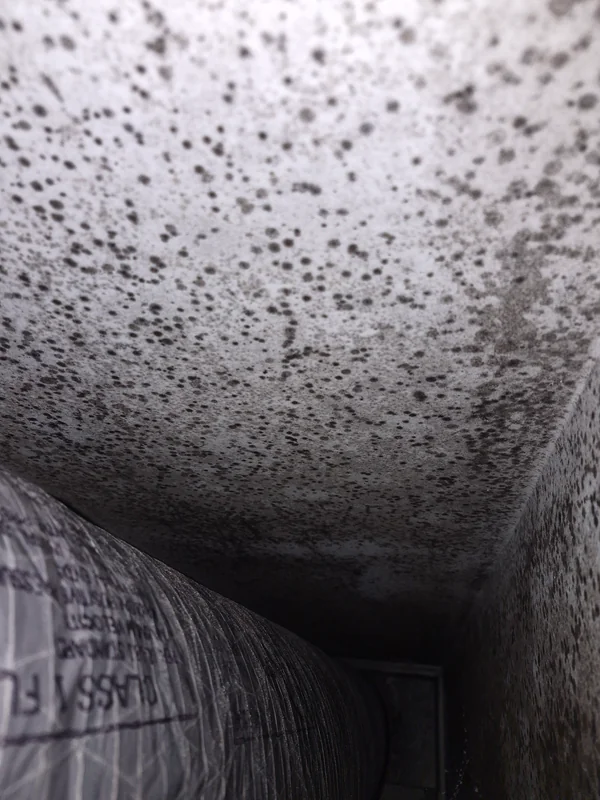
It starts with a free inspection. Our certified inspector looks at the full system not just the registers you can see, but the interior duct sections, the air handler, the areas where condensation collects during Quakertown’s shoulder seasons when temperatures swing hard between heating and cooling.
At 505 feet elevation, those seasonal transitions hit harder here than in lower Bucks County towns, and the condensation cycles they create are exactly where mold gets its foothold. If the inspection turns up a problem, you get a clear explanation of what was found and an upfront quote before any work begins. The price you’re given is the price you pay.
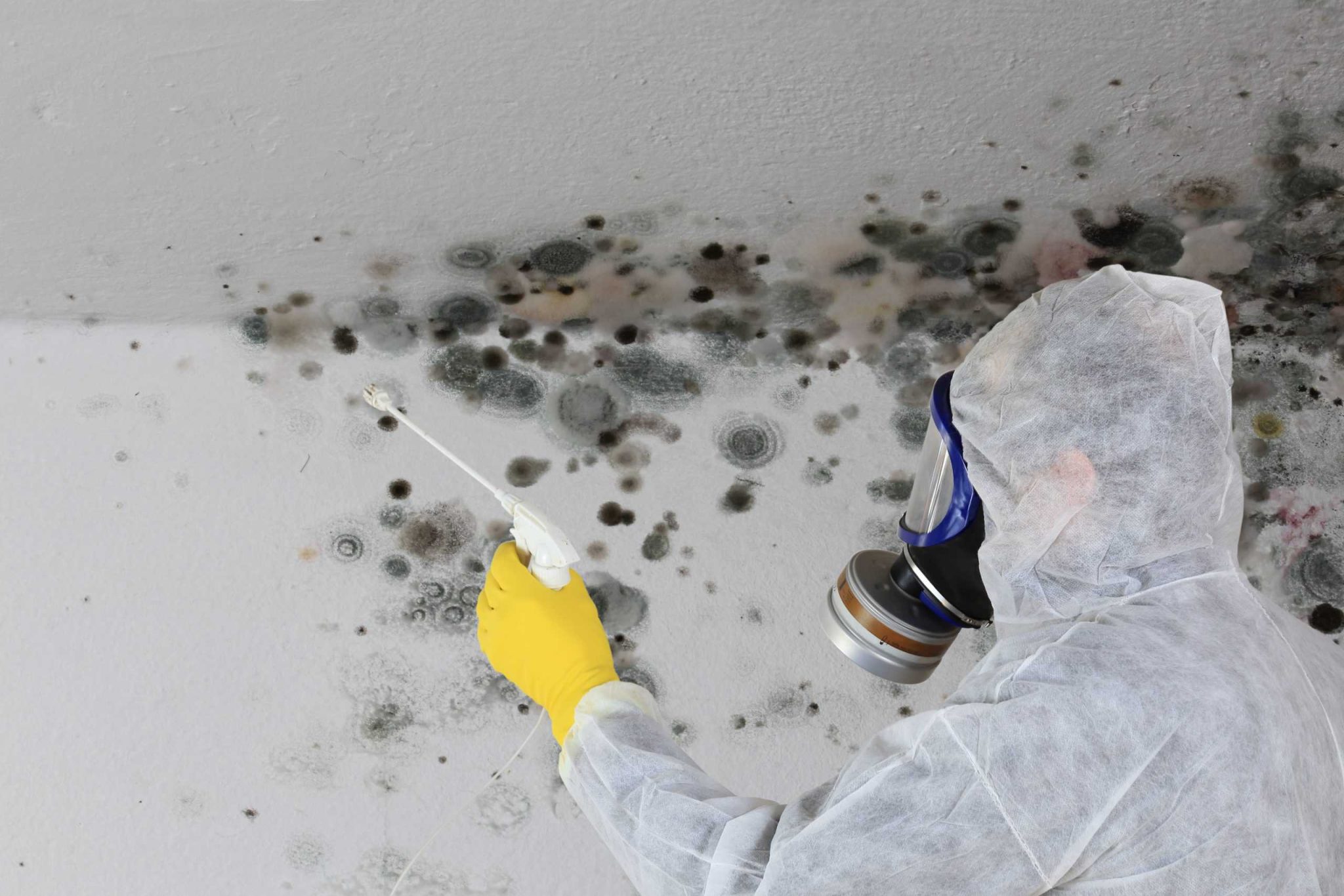
From there, our cleaning process uses professional-grade equipment to create negative air pressure inside the duct system, pulling debris and biological material out rather than pushing it around. Containment protocols are in place throughout this is where having a mold remediation specialist matters, because disturbing mold without proper containment spreads spores instead of removing them.
Once the cleaning is complete, we test the affected areas to confirm the system is actually clear. That verification step is documented, so you have something concrete to point to not just our word that the job is done.
Ready to get started?
Air duct cleaning is our core service, but it’s rarely the whole picture in Quakertown. Homes in and around the Historic District the Victorian doubles, the row houses along Broad Street, the mid-century ranches in Richland Township have different needs than a newer suburban build. Older ductwork that runs through unconditioned basement spaces accumulates biological growth differently than modern systems, and it requires a more thorough approach than a standard vacuuming pass.
Air duct sanitizing is available as part of the process when mold is confirmed. After the mechanical cleaning removes the physical debris, an antimicrobial treatment is applied to address any remaining biological contamination. These are two distinct steps cleaning removes what’s there, sanitizing handles what’s left behind. Both matter when mold is involved, and Quakertown’s annual humidity average of 69% means biological growth in ductwork is a realistic finding, not a worst-case scenario.
Dryer vent cleaning is also offered, and in Quakertown’s older housing stock it’s worth taking seriously. Many pre-1940 and mid-century homes have dryer vents that run longer, more complex paths than current construction standards require. The NFPA reports over 15,000 dryer-related house fires annually, with failure to clean vents as the leading cause. If your vent hasn’t been cleaned in a few years or ever that’s a fire safety issue, not a maintenance preference.

The most common sign is a musty smell that shows up when the HVAC system kicks on not all the time, but specifically when air starts moving through the ducts. If you notice it more in summer when the AC runs hard, or in fall when the heat first comes on after sitting idle, that’s worth paying attention to.
Other signs include worsening allergy or asthma symptoms that seem tied to being indoors, visible discoloration or dark spots near vent registers, or a general sense that the air feels stale even with windows closed. In Quakertown specifically, homes with clay-soil basement moisture issues are at higher risk because that humidity gets drawn into the air handler and circulated through the system. If you’ve ever had water in your basement from groundwater seepage, a sump pump failure, or flooding near Beaver Run and the HVAC system wasn’t inspected afterward, there’s a real possibility mold established itself in the ductwork during that period. A free inspection is the only way to know for certain what’s actually in there.
It depends on what’s driving the question. For homes without a specific problem no mold, no flooding history, no pest intrusion the EPA’s position is that routine duct cleaning has unclear benefits. That’s an honest answer, and any company that tells you otherwise is overselling it.
But that’s not the situation most Quakertown homeowners are dealing with when they call. If you’ve had confirmed mold elsewhere in your home, if your basement has a history of moisture intrusion, or if you’ve owned an older home in the Historic District for years without ever having the ducts inspected, the EPA explicitly recommends cleaning when mold is confirmed in the system. The question isn’t whether duct cleaning is worth it in the abstract it’s whether your specific home has a specific problem that warrants it. That’s exactly what the free inspection is designed to answer before you spend anything.
Cleaning and sanitizing are two separate steps that address two different things. Cleaning is the mechanical process using professional equipment to create negative air pressure inside the duct system and physically remove dust, debris, mold colonies, and biological material from the ductwork. This is the core service, and it’s what most people picture when they think about having their ducts cleaned.
Sanitizing comes after cleaning, and it applies an antimicrobial treatment to the interior duct surfaces to address any remaining biological contamination that the mechanical cleaning alone can’t fully eliminate. Think of it this way: cleaning removes what’s physically there, sanitizing handles what’s left at the surface level. When mold is involved which is a realistic finding in Quakertown homes given the area’s 69% average annual humidity and older housing stock both steps together give you a more complete result than either one alone. We’ll tell you upfront whether sanitizing is warranted based on what the inspection finds, not as a default upsell.
The industry standard recommendation is every three to five years for most homes, but that’s a general guideline not a rule that applies equally to every situation. For Quakertown homeowners, a few factors can push that timeline shorter. If your home is older, especially pre-1940 construction in or near the Historic District, the ductwork has been in place longer and may have accumulated decades of biological growth without ever being professionally cleaned.
If your home has a history of basement moisture, flooding, or high indoor humidity, the conditions that drive mold growth in ductwork are more persistent here than in drier climates or newer construction. If you’ve recently purchased an older Quakertown home and don’t know the maintenance history of the HVAC system, that’s a reasonable trigger for an inspection regardless of how long it’s been. Homes in the Historic District are selling quickly sometimes within a week and buyers don’t always have time to dig into the full maintenance record before closing. Starting with an inspection gives you a baseline, and from there you can make a reasonable decision about timing going forward.
Yes, and that’s what makes HVAC contamination a different problem than mold in a single room or wall cavity. When mold establishes itself in ductwork, every time the system runs it distributes spores through the air supply to every room the ducts serve. A colony in one section of ductwork in the basement can effectively seed the entire house over time bedrooms, living areas, wherever the air goes.
This is also why the cleaning process matters as much as the decision to clean. A general duct cleaner without mold remediation training can disturb mold during the cleaning process and spread it further if proper containment protocols aren’t in place. We bring certified mold remediation expertise to every air duct cleaning job, which means the work is done with containment in place from the start not just a vacuum and a blower. For homes in Quakertown with known moisture histories, that distinction is the difference between solving the problem and making it worse.
The clearest difference is the mold expertise. Most air duct cleaning companies including several that show up in Quakertown search results are general cleaning services or HVAC contractors that offer duct cleaning as a secondary service. They’re trained to remove dust and debris. They’re not trained to identify mold species, contain active growth, or verify through lab testing that the system is actually clear after the work is done.
We’re a certified mold remediation specialist first. Air duct cleaning is part of that expertise, not a sideline. When the inspection finds mold in the ductwork which happens regularly in Quakertown homes with clay-soil basement moisture and older HVAC systems we know how to handle it correctly: containment protocols, proper removal, and post-cleaning verification through testing. That last step is something most competitors skip entirely. You get documentation that the system is clean, not just an invoice saying the work was completed. For homeowners in Upper Bucks County dealing with the moisture conditions that come with this area’s geography and building stock, that level of accountability is what actually gives you peace of mind.
Other Services we provide in Quakertown