
Hear from Our Customers
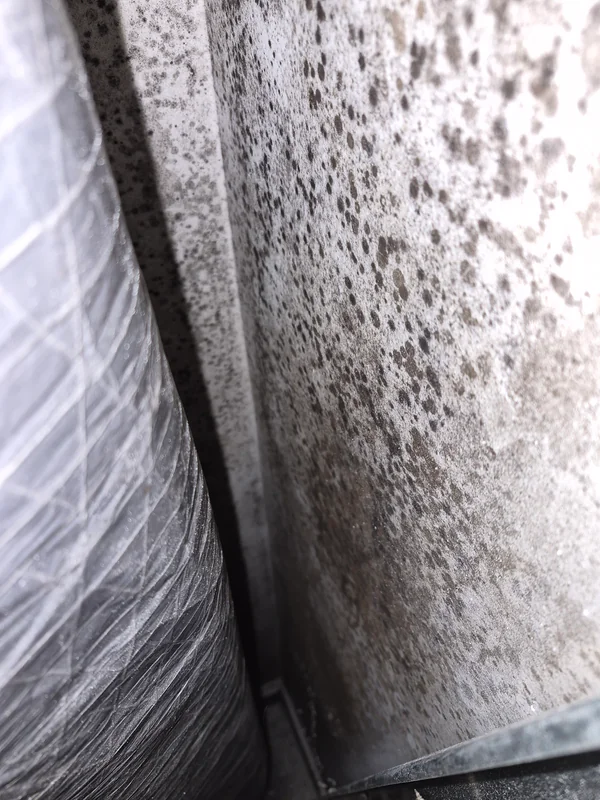
Most air duct cleaning companies will vacuum out your vents and call it done. That’s fine if dust is your only concern. But if you live in a riverfront community like Point Pleasant at 98 feet of elevation, sitting directly at the confluence of two waterways in a FEMA flood zone dust is rarely the whole story.
The more pressing question is whether moisture has found its way into your ductwork and what’s been growing there since. When mold colonizes an HVAC system, every time the heat or air conditioning runs, it distributes spores to every room in the house at once. A single contaminated section of ductwork becomes a whole-home problem.
For residents of Point Pleasant, where the Delaware River and Tohickon Creek create a riparian microclimate with elevated year-round humidity, that risk is not hypothetical it’s structural. What changes after a proper inspection and cleaning is straightforward. The musty smell that kicks on with the AC goes away. Allergy symptoms that seemed to come out of nowhere start to ease. You stop wondering whether the flooding event from two springs ago left something behind in the walls and the vents.
You know, because the work was done by certified mold remediation specialists who tested afterward to confirm it.
We’re based in Bensalem and have been serving Bucks County including the upper Bucks river corridor communities like Point Pleasant for over 15 years. Our company is built around certified mold remediation, which means every air duct cleaning job is approached with the kind of biological knowledge that a standard duct cleaning crew simply doesn’t carry.
When restoration companies specifically call out the Tohickon Creek area near Point Pleasant as a chronic flood and mold zone, that’s not a coincidence it reflects what the local housing stock actually deals with. Many of the homes in the Point Pleasant Historic District were built in the 18th and 19th centuries from locally quarried argillite stone. HVAC systems were retrofitted into those structures later, running through cold stone cavities where condensation forms and moisture accumulates.
That’s a different challenge than a 1990s subdivision, and it requires a different level of expertise. We work directly with insurance companies, offer free inspections, and give you upfront pricing before any work begins. No surprises, no upsells.

It starts with a free inspection. A certified specialist comes to your home, walks the system, and looks for the signs that matter not just dust at the registers, but discoloration, moisture indicators, and the kind of biological growth that hides in the interior sections of ductwork you can’t see from the vent cover.
In a home along River Road or the surrounding historic district, where stone construction and river proximity create conditions that accelerate mold growth, this inspection step isn’t a formality. It’s where the real information comes from.
From there, if cleaning is warranted, the process uses professional-grade equipment negative air pressure systems and HEPA vacuums to remove contamination without spreading it. Containment protocols are in place throughout, which matters specifically when mold is involved. A general duct cleaner disturbing mold without containment can make the problem significantly worse by releasing spores into the living space.
That’s the difference between a mold specialist and a standard HVAC cleaning crew. After the work is done, we test the affected areas to confirm the mold has been eliminated. You get documentation. You get a result you can verify, not just a promise that the job is finished. For Point Pleasant homeowners especially those dealing with the aftermath of a flooding event along the Delaware or Tohickon Creek that verification step is what gives you actual peace of mind.
Ready to get started?
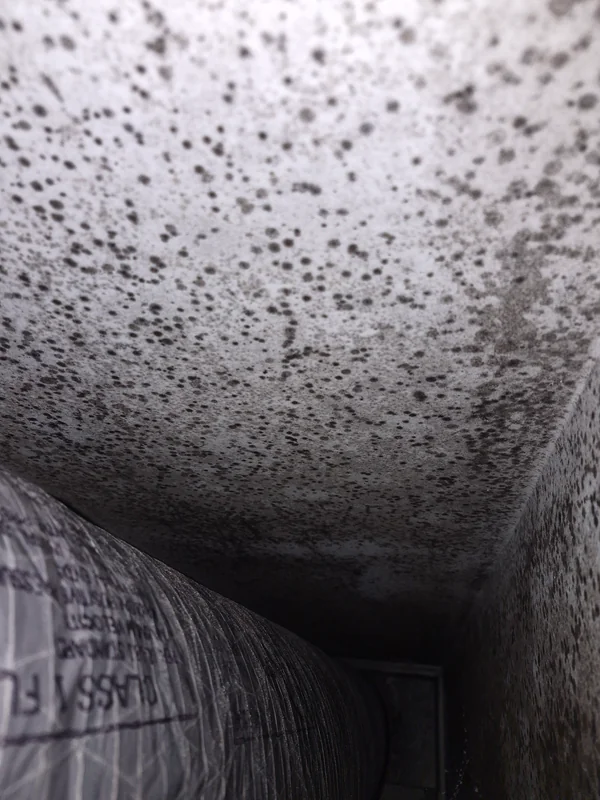
Air duct cleaning covers the full system supply ducts, return ducts, and the air handling components that most people don’t think about until something goes wrong. When mold is present, cleaning alone isn’t enough. Air duct sanitizing applies antimicrobial treatment to the interior surfaces after mechanical cleaning to address biological contamination that a vacuum can’t fully eliminate.
In Point Pleasant’s humid river environment, skipping the sanitizing step and calling the job done is how mold comes back within a season. Dryer vent cleaning is a separate but equally important service, and it carries more urgency in older homes. Many of the historic properties in the Point Pleasant district have original or early-replacement laundry configurations longer vent runs, more bends, and routing through thick stone walls that were never designed with a modern dryer in mind.
The NFPA tracks roughly 15,970 dryer-related house fires per year, with failure to clean vents as the leading cause. In a home where the vent run is longer or more complicated than a standard build, that risk compounds. For vacation properties or seasonal homes in Point Pleasant and there are a number of them, given the area’s long history as a river recreation destination we also address the specific problem of HVAC systems that sit idle for months in a high-humidity riverfront environment.
A system that hasn’t run since the previous summer, in a closed-up stone house on the Delaware, needs more than a standard cleaning when you return for the season.
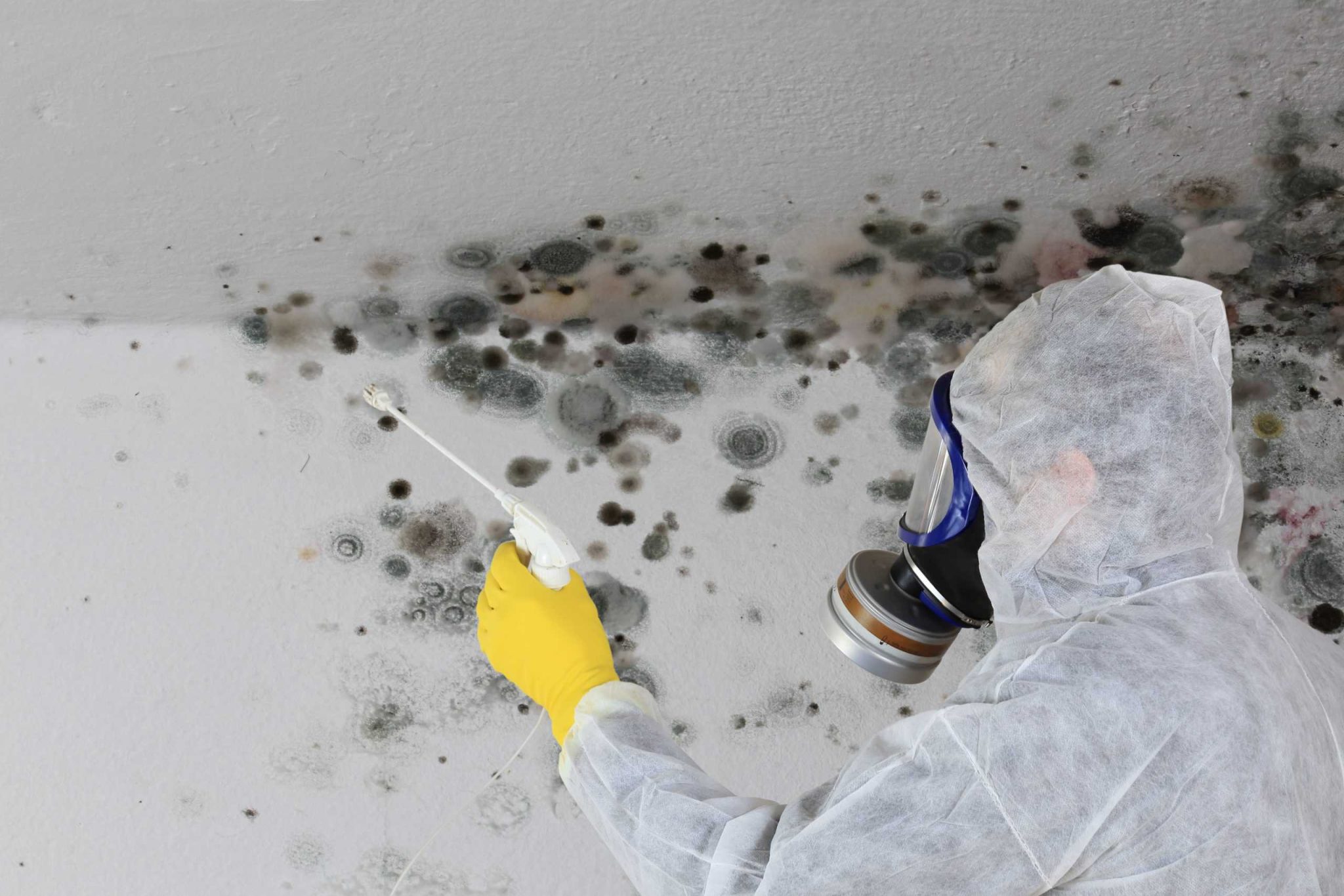
The most common sign is a musty or earthy smell that appears specifically when your HVAC system turns on not just in one room, but throughout the house. That’s the system distributing whatever is living in the ductwork to every room simultaneously. Other signs include visible discoloration around vent registers, worsening allergy or respiratory symptoms that seem tied to being indoors, and a general stuffiness that doesn’t improve with cleaning or airing out the house.
In Point Pleasant specifically, the risk factors are compounded. The community sits at the confluence of Tohickon Creek and the Delaware River at just 98 feet of elevation, within a FEMA-designated flood zone. If your home has experienced any water intrusion even a minor one from a high-water event along the creek moisture can work its way into ductwork and create the dark, damp conditions mold needs to take hold.
The only way to know for certain is a professional inspection. We offer free inspections, so there’s no financial barrier to finding out what’s actually in your system.
It depends on why you’re considering it. The EPA’s position is nuanced routine cleaning for a home with no specific problems has unclear benefits. But the EPA explicitly recommends cleaning when mold is confirmed in the ductwork, when there’s been a pest or rodent infestation, or when significant debris is blocking airflow. Those aren’t edge cases.
In a riverfront community with older housing stock and chronic moisture exposure, confirmed mold in HVAC systems is a documented, recurring issue. Where air duct cleaning becomes genuinely worth it is when there’s a specific problem driving the decision a musty smell, a recent water event, a mold remediation job completed elsewhere in the house that may not have addressed the ductwork.
In those situations, cleaning and sanitizing the system is not optional maintenance. It’s the step that prevents a remediated space from being recontaminated through the air supply. If you’ve had mold work done on your basement or walls and no one checked the ducts, that’s a gap worth closing.
Cleaning is the mechanical process using negative air pressure equipment and HEPA vacuums to physically remove dust, debris, and biological material from the interior surfaces of the ductwork. Sanitizing is what comes after: applying an antimicrobial treatment to the cleaned surfaces to eliminate any remaining biological contamination that the mechanical process couldn’t fully reach.
For a home dealing primarily with dust and allergen buildup, cleaning alone may be sufficient. But when mold is involved which is the more likely scenario in a high-humidity, flood-adjacent environment like Point Pleasant cleaning without sanitizing leaves biological residue on duct surfaces that can allow mold to re-establish quickly.
The two steps work together. Cleaning removes the bulk of the contamination; sanitizing addresses what’s left at the surface level. We handle both, and the post-service testing confirms that the combination actually worked rather than just assuming it did.
Yes, and this is one of the more important things to understand about mold in ductwork. When mold colonizes a section of your HVAC system whether it’s in the duct interior, near the air handler, or at the evaporator coil the system itself becomes the distribution mechanism. Every heating or cooling cycle pulls air through the contaminated section and pushes it into every room connected to that duct run.
A localized mold problem in one part of the system can become a whole-home air quality problem within days of regular HVAC use. This is also why it matters who does the cleaning. A technician who disturbs mold growth without proper containment protocols in place can release a concentrated burst of spores into the living space making the situation worse than if nothing had been done at all.
Certified mold remediation specialists approach duct cleaning with containment as a standard part of the process, not an afterthought. That’s the core difference between a mold specialist and a general HVAC cleaning crew, and it’s the reason the certification matters in a community like Point Pleasant where mold risk is tied directly to the geography.
For most homes, industry guidance suggests cleaning every three to five years under normal conditions. But “normal conditions” doesn’t describe a 200-year-old stone house sitting in a FEMA flood zone at the confluence of two rivers. For homes in the Point Pleasant Historic District where argillite stone construction, retrofitted HVAC systems, and river corridor humidity create conditions that accelerate biological growth in ductwork the realistic answer is that the system should be inspected more frequently, and cleaned whenever an inspection reveals biological contamination or a water event has occurred.
A practical trigger-based approach works well here: inspect after any flooding event along the Delaware or Tohickon Creek, inspect before a property changes hands, and inspect whenever respiratory symptoms or musty odors suggest something has changed in the air quality. For seasonal or vacation properties in Point Pleasant that sit unoccupied through the winter, a spring inspection before the first full HVAC use of the season is a reasonable baseline.
The free inspection we offer makes that kind of routine check-in straightforward.
A standard duct cleaning company is trained to remove dust, debris, and allergens from ductwork using mechanical equipment. That’s a legitimate service for a home where the primary concern is accumulated particulate matter. But mold in ductwork is a different problem that requires a different skill set understanding mold biology, identifying the moisture source driving the growth, applying containment protocols to prevent spore dispersal during cleaning, and verifying through post-service testing that the mold has actually been eliminated rather than just disturbed.
In Point Pleasant, where the primary driver of duct contamination is often moisture from the river environment rather than simple dust accumulation, a company that only knows how to vacuum ducts is working with an incomplete picture. They can clean what they see. They can’t assess what the moisture pattern means, whether the root cause has been addressed, or whether the system is likely to recontaminate within a season.
We bring certified mold remediation expertise to every duct cleaning job which means the inspection, the cleaning, the sanitizing, and the post-service verification are all handled by the same team that understands what mold actually requires to be resolved, not just removed on the surface.
Other Services we provide in Point Pleasant