
Hear from Our Customers

Most Point Breeze rowhouses were built before 1939 long before modern ventilation standards, vapor barriers, or central air conditioning existed. When HVAC systems were retrofitted into these buildings, ductwork got routed through old brick walls, plaster ceilings, and uninsulated spaces that have been collecting moisture for a century. The result is ductwork that doesn’t just accumulate dust it accumulates the building’s entire moisture history.
Philadelphia’s outdoor humidity averages around 68%, and summer dew points regularly push past 65°F. The EPA identifies sustained indoor humidity above 60% as the threshold where mold begins to grow. In Point Breeze, where aging systems are common and basement laundry setups create long dryer vent runs, that threshold gets crossed more often than most homeowners realize.
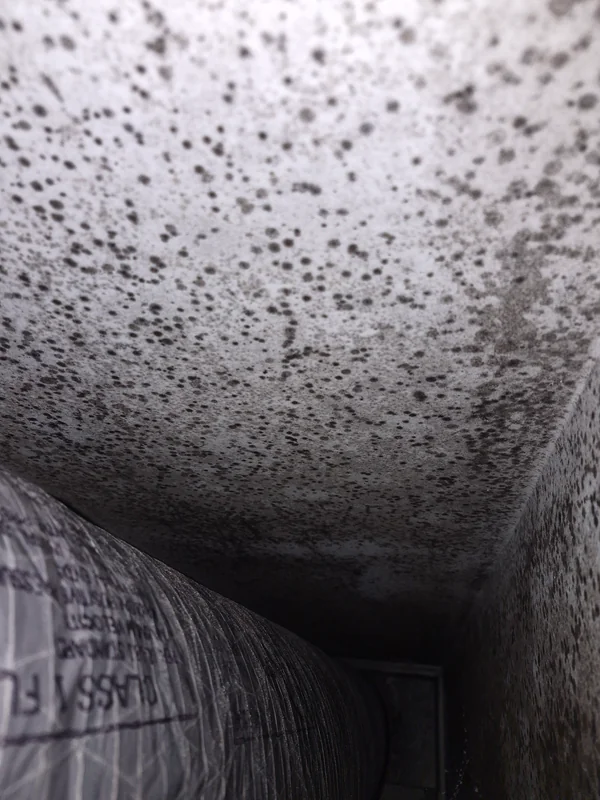
Once mold establishes inside your ductwork, every heating and cooling cycle distributes spores to every room simultaneously. Getting that resolved isn’t just about comfort it’s about stopping a whole-house problem at its source. After a proper cleaning and sanitizing, you’re not just breathing easier. You’re not unknowingly circulating biological matter through a home you’ve invested in.
We at Mack’s Mold Removal & Inspections have been doing this work in the Philadelphia region for over 15 years, with more than 2,000 mold inspections completed across the area. Our team is InterNACHI certified with more than two decades of construction experience which matters when you’re working inside a 100-year-old Point Breeze rowhouse, not a new build in the suburbs.
We understand what these rowhouses actually do: shared party walls that let moisture migrate from a neighbor’s unit into yours, below-grade basements without modern waterproofing, and HVAC systems that were never part of the original design. That’s not generic regional knowledge it’s specific to the building stock you’re living in throughout Point Breeze and South Philadelphia.
We’re locally owned and operated, not a franchise. When you call, you’re reaching someone who knows this work personally, not a call center routing you to whoever’s available.
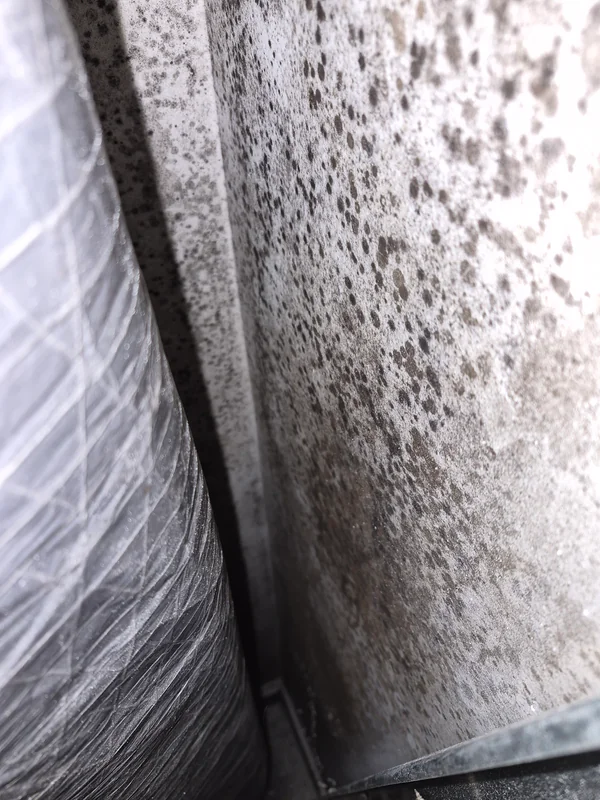
It starts with a free inspection. Before any cleaning happens, we assess the actual condition of your duct system what’s in there, where it came from, and whether mold is present. In Point Breeze rowhouses, that inspection includes looking at how the ductwork was routed through the building, whether it runs through any shared wall cavities, and what the moisture conditions look like in the basement or attic spaces where ducts are most vulnerable. You get upfront pricing before any work begins, so there are no surprises.
From there, the cleaning itself involves mechanical removal of debris, dust, and biological matter using professional equipment not a shop vac and a brush. If mold is confirmed in the ductwork, the process shifts to full mold remediation protocols: containment to prevent spores from spreading to other rooms, removal, and treatment of the affected sections. This is the part that separates a mold specialist from a general duct cleaner. Disturbing mold without proper containment can make the problem significantly worse.
After the work is done, we test the affected areas to confirm the mold is actually gone not just assumed to be gone. That post-cleaning verification step is documented, which matters if you ever need to show results to an insurance company or a future buyer.
Ready to get started?
Air duct cleaning covers the full system supply ducts, return ducts, and the components connecting them. We don’t clean one side and call it done. In older Point Breeze homes where ductwork was retrofitted into a building that was never designed for it, the return side is often where the worst contamination hides, because it’s drawing air from the spaces most prone to moisture.
Air duct sanitizing is a separate step that gets applied after mechanical cleaning. It uses antimicrobial treatment to address biological residue that physical cleaning alone doesn’t fully eliminate. When mold has been present in the ductwork, sanitizing isn’t optional it’s the step that keeps the problem from re-establishing in the same environment.
Dryer vent cleaning is also part of what we handle, and in South Philadelphia rowhouses it carries real urgency. The NFPA reports nearly 16,000 dryer-related house fires annually, with failure to clean the vent as the leading cause. Attached rowhouses in Point Breeze create longer vent runs with more bends than detached homes lint accumulates faster, and a fire in one unit puts the entire row at risk. We also work directly with insurance companies when remediation is part of a larger claim, and financing is available if the scope of the work creates a budget concern.
The most common sign is a musty or stale smell that shows up when your HVAC system runs especially the first time you turn on the heat in the fall. In Point Breeze, where most homes were built before 1939 and humidity regularly exceeds the EPA’s 60% mold-growth threshold during Philadelphia summers, that smell isn’t just old-house character. It’s often biological matter that accumulated in the ductwork over a humid season being pushed through your home every time the system cycles.
Other signs include visible discoloration or dark staining near vent registers, worsening allergy or respiratory symptoms that seem to ease when you’re out of the house, or a history of water intrusion in the basement or walls. If you’ve recently had mold remediated somewhere else in your Point Breeze home a basement wall, a bathroom ceiling and didn’t have the ductwork inspected at the same time, there’s a real possibility the HVAC system is still carrying contamination. A free inspection will tell you what’s actually there.
Yes, and it’s one of the more frustrating realities of attached rowhouse living in Point Breeze. These homes share party walls on both sides, and in many cases share foundation slabs and drainage infrastructure as well. Moisture doesn’t respect property lines. A neighbor’s basement flood, a crack in a shared party wall, or a drainage failure that affects multiple units can introduce moisture into your home’s structural cavities without you ever seeing the source.
Once moisture establishes in a shared wall cavity or migrates into your basement, it can reach your ductwork particularly in homes where ducts run through or near exterior and party walls, which is common in retrofitted HVAC systems throughout Point Breeze. From there, mold that started next door becomes a whole-house circulation problem in your unit. This is exactly why a proper inspection looks at the building conditions around the ductwork, not just the ductwork itself. Identifying the moisture source is part of making sure the cleaning holds.
Possibly, yes and sooner than you might expect. New ductwork installed in an old Point Breeze rowhouse doesn’t start with a clean slate. It runs through the same old brick walls, plaster ceilings, and uninsulated attic spaces that the building has had for a century. Those spaces carry the building’s accumulated moisture history, and if the underlying moisture conditions haven’t been addressed, new ducts can become contaminated within their first season.
Renovation activity itself is also a factor. Gut renovations stir up dormant mold, dust, and biological matter from old wall cavities. If that material was disturbed during the HVAC installation and wasn’t properly contained and cleaned, it can end up inside the new ductwork. A post-installation inspection especially in a building that showed any signs of moisture or mold before the renovation is a reasonable step to take before the system runs through its first full heating and cooling cycle.
They’re two distinct steps, and whether you need both depends on what’s in the ducts. Cleaning is the mechanical process physically removing dust, debris, and biological matter from inside the duct system using professional equipment. Sanitizing is what comes after: applying an antimicrobial treatment to address residual biological contamination that mechanical cleaning alone doesn’t fully eliminate.
If your ducts just have accumulated dust and debris from years of normal use, cleaning alone may be sufficient. But if mold has been present which is a real possibility in older South Philadelphia rowhouses given the humidity levels and building conditions sanitizing is the step that prevents re-establishment in the same environment. Think of cleaning as removing what’s there and sanitizing as addressing what might be left behind at a microscopic level. When mold in air ducts is the concern, skipping sanitizing is a bit like cleaning a surface but not disinfecting it.
The general industry recommendation is every three to five years for a typical home, but that baseline assumes normal conditions a newer building, a dry climate, no history of water intrusion. For older homes in Point Breeze and the surrounding South Philadelphia neighborhoods, those assumptions don’t hold. You’re dealing with pre-1939 construction, Philadelphia’s above-average humidity, and in many cases HVAC systems that were retrofitted into buildings not originally designed for them.
In that context, a few specific triggers should move you up the schedule regardless of when the last cleaning happened: if you’ve had any water intrusion or flooding in the basement, if you’ve noticed a musty smell when the system runs, if you’ve had mold remediated elsewhere in the home, or if you’ve recently purchased or renovated the property. New buyers in Point Breeze are particularly worth calling out here buying a rowhouse that’s been vacant or under-maintained means you have no reliable history of what’s been living in those ducts.
Yes. We work directly with insurance companies, which is something most standalone duct cleaning companies don’t offer. In Point Breeze where older plumbing, aging roofs, shared drainage infrastructure, and basement moisture make water damage and mold claims more common than in newer suburban construction knowing how to navigate that process matters.
When mold in your ductwork is tied to a covered event like a pipe burst, a roof leak, or water intrusion from a shared wall, the documentation we provide including post-remediation lab testing confirming the mold was eliminated becomes directly relevant to your claim. Having a certified mold specialist who can communicate the scope and results of the work to your insurer, rather than leaving you to translate a cleaning invoice into insurance language, tends to move the process along more smoothly. If cost is still a concern after the insurance piece is sorted, financing is also available.
Other Services we provide in Point Breeze