
Hear from Our Customers

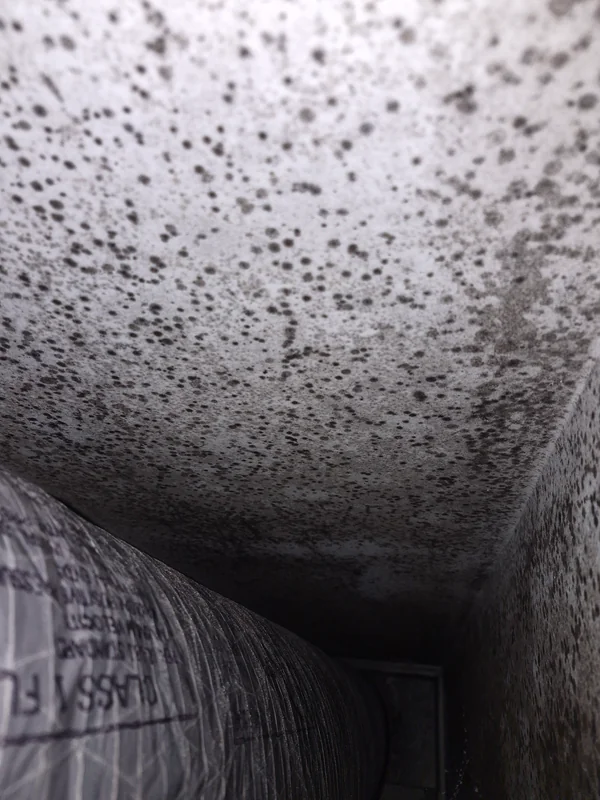
Most Pinewood homeowners don’t think about their ductwork until something smells off when the furnace first kicks on in October. That musty odor isn’t random it’s the HVAC system telling you that mold has been growing in the dark all summer, and now it’s moving through every room in the house with every heating cycle.
The homes in Pinewood were built before vapor barriers, before modern moisture-control standards, and before anyone considered what Bucks County’s above-average rainfall around 49 inches a year would do to the interior of an aging duct system over seven decades. Low crawl spaces with minimal airflow, slab foundations, and old plumbing that develops pinhole leaks inside walls all of it creates moisture pathways that feed directly into the HVAC system. A general duct cleaner with no mold background can disturb that growth and spread spores further. That’s the outcome you’re trying to avoid.
When we do the job right, you’re not just getting cleaner air you’re stopping the cycle. Mold in the ducts doesn’t stay in the ducts. It moves. Getting it identified, contained, and removed by someone who actually understands mold remediation means your family is breathing air that’s been verified clean, not just swept out with a hose.
We’re based in Bensalem about 10 miles from Pinewood along I-95. Over the past 15 years, we’ve worked extensively inside Levittown’s original Levitt-built homes, including many in Pinewood itself. These aren’t new construction jobs with clean ductwork and modern vapor barriers. They’re 1950s ranch houses and Cape Cods with aging infrastructure, finished basements that trap moisture against concrete, and HVAC systems that have been quietly accumulating problems for decades.
We bring certified mold remediation specialists to every job not general technicians who clean ducts as a side service. That distinction matters when the issue is mold, because disturbing a mold colony without proper containment just moves the problem somewhere else. Our process includes lab testing of samples, post-cleaning verification to confirm the mold is actually gone, and direct communication with your insurance company if the contamination traces back to a flooding event. You’ll know what was found, what was done, and how it was confirmed.
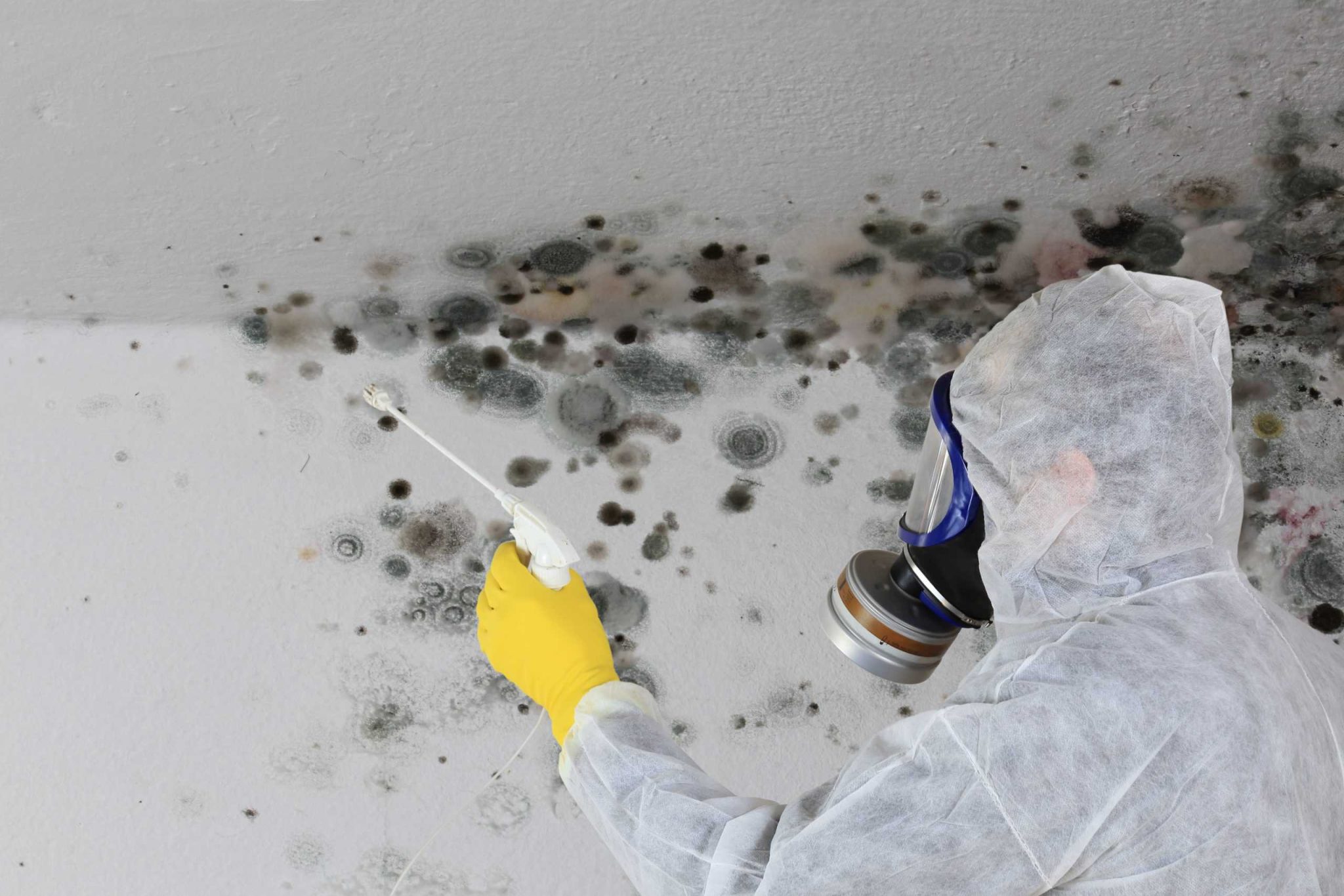
It starts with a free inspection. Before any cleaning begins, one of our certified inspectors walks through your home and assesses the HVAC system looking at the ductwork, the crawl space conditions, and any areas where moisture has been entering the system. In a Pinewood home, that inspection pays close attention to the crawl space configuration and the basement, because those are the two places where Levittown’s original construction creates the most persistent moisture risk. If mold is found, samples are sent to a lab to identify exactly what you’re dealing with and determine the right removal strategy.
Once the inspection is complete and you have a clear, upfront quote, the work begins. Our cleaning process uses professional-grade equipment negative air pressure systems and HEPA vacuums that contain the contamination rather than disturb and spread it. Supply ducts, return ducts, and any connected components are all addressed. If mold is present, we use containment protocols throughout. A general HVAC contractor skipping this step is how mold problems get worse, not better.
After the cleaning, we test the affected areas to confirm the mold is gone. That’s not standard practice in this industry most companies clean and leave. The post-remediation verification is what separates a completed job from a confirmed one. Falls Township’s wet springs and the Delaware River’s proximity mean moisture intrusion is a recurring reality for Pinewood homes, and knowing the job was actually finished gives you something to stand on the next time it rains.
Ready to get started?
Air duct cleaning and air duct sanitizing are not the same thing, and in a 70-year-old home, the difference matters. Mechanical cleaning removes the physical debris dust, particles, mold colonies from inside the duct system. Sanitizing applies an antimicrobial treatment to the cleaned surfaces to kill any remaining biological contamination and slow regrowth. In a Pinewood home where mold has had decades to establish itself in aging ductwork, doing one without the other leaves the job half-finished.
Dryer vent cleaning is another service that gets overlooked until something goes wrong. The NFPA reports nearly 16,000 dryer-related house fires every year, and failure to clean the vent is the leading cause. In a Levittown home where the original laundry configuration may have been modified multiple times over 70 years, the dryer vent path can be longer, more convoluted, and more clogged than you’d expect. This isn’t routine maintenance it’s a fire safety issue, and it’s especially relevant in aging housing stock like Pinewood’s.
We also work directly with insurance companies when the contamination connects to a flooding or water damage event. For Pinewood homeowners who’ve dealt with basement flooding whether from a sump pump failure, a burst pipe, or one of the flash flooding events that have hit Falls Township and Tullytown Borough that assistance takes a real burden off your plate. Financing is available as well, so cost doesn’t have to be the reason you put it off.

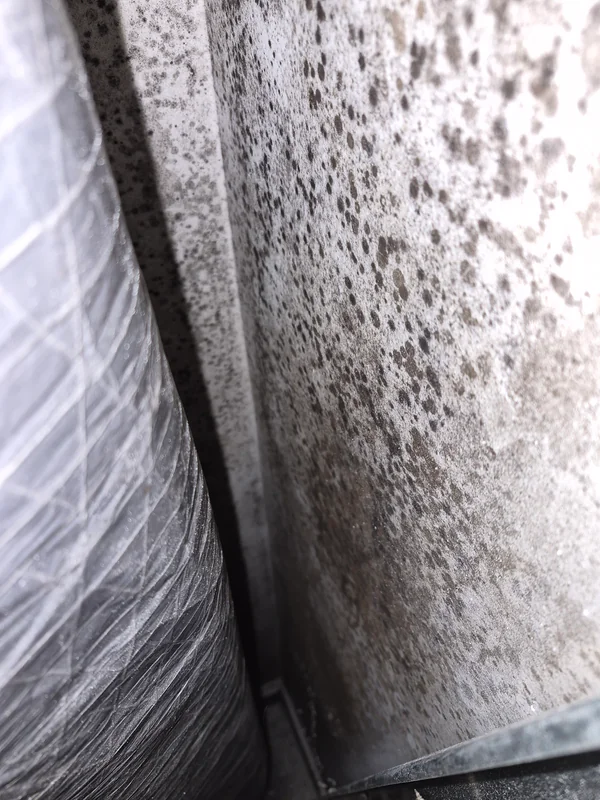
The most common sign is a musty smell that comes through the vents when the heat or AC first turns on. In a Pinewood home where the ductwork is over 70 years old and the crawl spaces were built without modern moisture barriers that smell is rarely just dust. It’s usually a sign that mold has colonized somewhere inside the system and is now being distributed through the house every time the HVAC runs.
Other signs include worsening allergy or asthma symptoms that don’t track with outdoor pollen seasons, visible discoloration around vent registers, or a history of basement water intrusion. Falls Township’s proximity to the Delaware River and the documented flash flooding that hit the area in August 2024 means a lot of Pinewood homes have experienced at least one water event that could have seeded mold growth in the ductwork. If any of those apply to your home, a professional inspection is the right next step not a DIY flashlight check at the register, which only shows you the surface of the problem.
The concern is legitimate. There’s a well-documented bait-and-switch pattern in this industry where companies advertise extremely low prices sometimes $99 or less and then upsell aggressively once they’re inside your home. The EPA’s own guidance notes that the benefit of routine duct cleaning in the absence of a specific problem is unclear, which is where a lot of the skepticism comes from.
But that guidance has an important exception: when mold is confirmed in the ductwork, when there’s been pest or rodent activity, or when significant debris is clogging the system, the EPA explicitly recommends cleaning. For a Pinewood home with 70-year-old ductwork, a history of moisture intrusion, and the kind of aging infrastructure that Levitt-built homes are known for, the question isn’t really whether it’s worth it it’s whether the company you hire knows what they’re doing. We provide free inspections and upfront pricing before any work begins. The quote you receive is what you pay.
Yes, and this is one of the most commonly skipped steps after a flooding event. When a basement floods, most homeowners focus on drying the walls, running dehumidifiers, and getting the visible water out. The HVAC system rarely gets checked. But mold begins growing within 24 to 48 hours of water intrusion, and in a home where the ductwork runs through or near the basement which is typical in Pinewood’s Levitt-built ranch and Cape Cod layouts that moisture gets pulled into the system quickly.
By the time you notice a musty smell coming through the vents, the contamination has often been circulating for weeks. Falls Township and Tullytown Borough have experienced recurring flooding from the Delaware River and from flash flood events, including the documented flooding in August 2024 that blocked roads and flooded basements across the area. If your Pinewood home took on water at any point, having the ducts inspected isn’t an abundance of caution it’s the logical follow-through on the remediation work you already did.
Cleaning and sanitizing are two separate steps that address two different problems. Mechanical cleaning uses professional equipment negative air pressure systems and HEPA vacuums to physically remove debris, dust, and mold colonies from inside the duct system. It addresses what’s visibly present and what can be extracted through the cleaning process.
Sanitizing comes after cleaning. It involves applying an antimicrobial treatment to the interior surfaces of the duct system to kill any remaining biological contamination that the mechanical process couldn’t fully remove, and to inhibit regrowth. In a newer home with minimal moisture history, cleaning alone may be sufficient. In a Pinewood home where the ductwork is over 70 years old, where moisture has been entering the system through aging seams and crawl space gaps for decades, and where mold has had a long runway to establish itself on interior surfaces, sanitizing is the step that completes the job. Doing one without the other in a home like this is like cleaning a wound without disinfecting it.
The industry standard recommendation is every three to five years for a typical home. But Pinewood’s housing stock isn’t typical. These homes were built in 1952, which means the ductwork even in homes that have had partial renovations is operating in an environment it was never designed to handle long-term. Pre-vapor-barrier crawl spaces, aging plumbing that develops pinhole leaks inside walls, and undersized or absent bathroom exhaust fans from the original construction all create ongoing moisture pathways that accelerate contamination in the duct system.
For a Pinewood home, a more practical approach is to have the system inspected after any water intrusion event basement flooding, a plumbing leak, or a significant storm regardless of when the last cleaning was done. Bucks County receives about 49 inches of rain annually, well above the national average, and Falls Township’s geography near the Delaware River means moisture events are a recurring reality, not a once-a-decade occurrence. Staying ahead of the problem is considerably less expensive than addressing it after mold has had time to spread.
Yes. We work directly with insurance companies on mold-related claims, which is particularly relevant for Pinewood homeowners whose duct contamination connects to a covered water damage event. If a sump pump failure, a burst pipe, or flooding from a storm caused the water intrusion that led to mold growth in your HVAC system, that chain of events is often covered but navigating the claim while also dealing with the remediation itself is a real burden.
We handle the communication with your insurer directly, which means you’re not spending hours on the phone explaining technical remediation details to an adjuster while also trying to manage the work happening in your home. The lab testing and post-remediation verification that we conduct also produces the kind of documented evidence that insurance companies require not just a technician’s word that the job was done, but actual confirmation that the mold has been removed. For Pinewood homeowners who’ve dealt with the flooding that periodically affects Falls Township and Tullytown Borough, that documentation is worth having regardless of whether a claim is involved.
Other Services we provide in Pinewood