

Hear from Our Customers
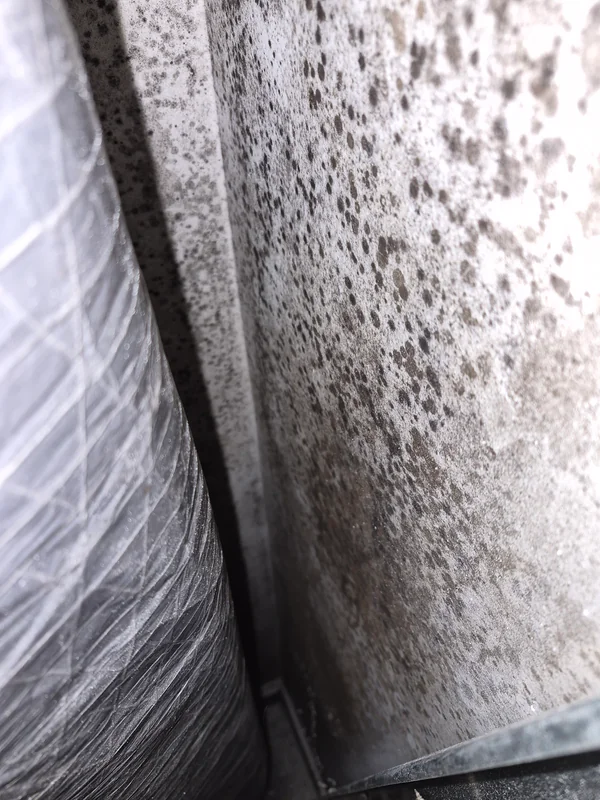
Most air duct cleaning companies show up, run a vacuum through the system, and hand you a bill. That works fine when the problem is dust. It doesn’t work when the problem is mold and in Pennsport, mold in ductwork is a legitimate concern, not a worst-case scenario.
The Delaware River sits at the eastern edge of Pennsport, and the humidity that comes with it doesn’t stop at I-95. It settles into the tight rowhouse blocks, into brick walls that have been absorbing moisture for over a century, and into HVAC systems that were retrofitted into structures never designed for forced air. When your ductwork runs through a shared party wall cavity or an uninsulated basement run, you’ve got dead zones areas where air barely moves, moisture collects, and mold establishes itself long before you notice a smell.
By the time you’re catching a musty odor when the heat kicks on, the problem has usually been there for a while. Getting it handled means more than cleaning what’s visible at the vent. After we work through your system, you’re not just getting cleaner ducts you’re getting documented confirmation that the mold is actually gone. That matters in a Pennsport rowhouse where the same HVAC loop serves every room, because one contaminated section means every room gets a share of what’s in it.
We’re based in Bensalem, PA directly connected to Pennsport via I-95, which makes response times realistic and the commute short. We’ve been doing this work for over 15 years, and the focus has always been mold not carpet cleaning, not general restoration, not a dozen other services with duct cleaning tacked on. Mold is our specialty, and air duct cleaning is a natural extension of that work.
For Pennsport homeowners, that distinction matters. South Philadelphia’s rowhouse stock much of it built in the 1800s and early 1900s creates HVAC conditions that a general duct cleaner isn’t trained to navigate. Shared walls, retrofitted ductwork, and basement moisture from crawl spaces with no vapor barrier are common here, not unusual. We’ve seen these conditions enough to know where to look and what to do when we find something.
The process includes a free inspection upfront and written pricing before any work begins. No surprises, no upsells mid-job.
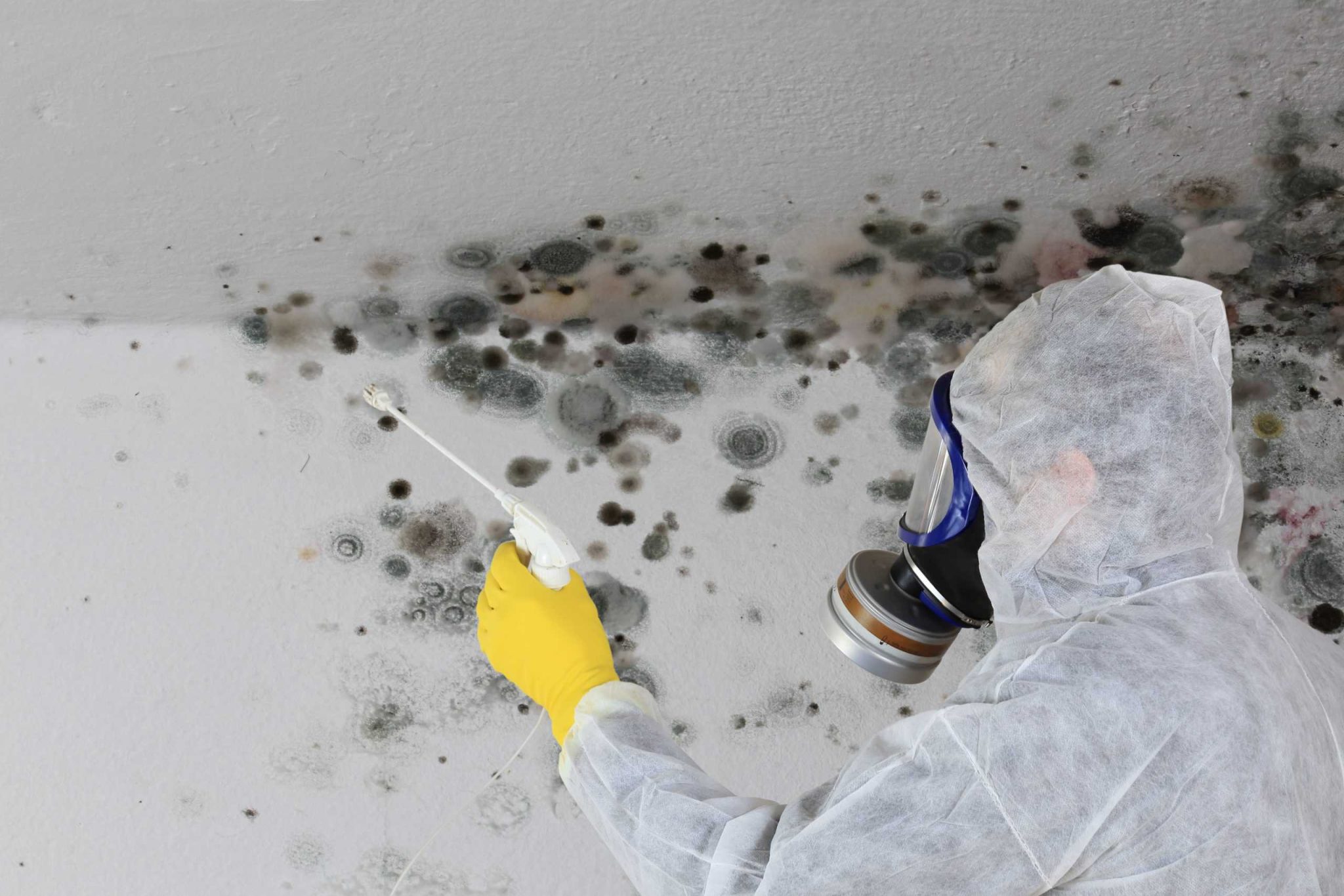
It starts with a free inspection. Before anything is quoted or scheduled, one of our certified inspectors walks through your home and looks at the actual condition of your HVAC system not just the registers you can see, but the ductwork runs, the air handler, the areas where moisture tends to collect.
In a Pennsport rowhouse, that often means paying close attention to basement duct runs and any sections routed through wall cavities, where condensation builds during Philadelphia’s humid summers and sits undisturbed until it becomes a mold problem. Once the inspection is done, you get a clear picture of what’s there and a written quote for the work.
If mold is confirmed, our remediation process includes containment meaning the affected sections are isolated before anything is disturbed, so spores aren’t pushed into the rest of the house. That step is what separates mold-trained specialists from a general HVAC cleaning crew. A standard duct cleaning without containment can make a mold problem worse.
After the cleaning and sanitizing are complete, we test the affected areas to confirm the mold is gone. That’s not a standard step in this industry most companies clean and leave. The post-remediation verification is something our Pennsport customers have specifically called out in reviews, because it’s the difference between being told the job is done and actually knowing it.

Ready to get started?
The core service covers mechanical cleaning of your supply and return ductwork, containment and removal of any mold found in the system, and air duct sanitizing after the cleaning is complete. Sanitizing matters when mold is involved cleaning removes the physical debris, but an antimicrobial treatment handles the biological contamination that mechanical cleaning alone doesn’t fully eliminate. Both steps are included when the inspection confirms mold is present.
We also offer dryer vent cleaning, and it’s worth taking seriously in Pennsport’s dense rowhouse environment. In a typical suburban home, a dryer vent runs a short horizontal path directly to the exterior. In a South Philadelphia rowhouse, that run is often longer, more complex, and routed through the building in ways that accumulate lint faster than you’d expect.
The NFPA reports that failure to clean dryer vents is the leading cause of dryer-related house fires over 15,000 per year nationally. In an attached rowhouse where a fire in one unit can affect neighbors quickly, that’s not a statistic to ignore. We also work directly with insurance companies when mold in an HVAC system is part of a larger claim a service that’s particularly relevant for Pennsport homeowners dealing with water intrusion, aging plumbing, or storm-related moisture issues in older structures.
All work in Philadelphia falls under Philadelphia L&I contractor registration requirements, and we operate as a fully registered contractor. Financing is available if needed.
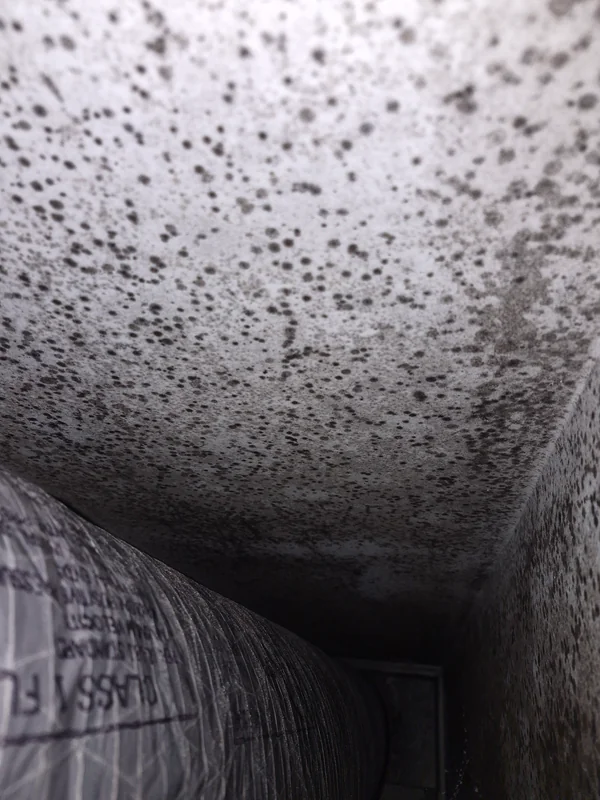
The most common sign is a musty smell that shows up specifically when your HVAC system runs not a general odor in the house, but one that kicks in when the air starts moving. In Pennsport rowhouses, this often becomes noticeable in the fall when the heat turns on for the first time after summer.
What’s happening is that mold established itself in the ductwork during the humid summer months when Philadelphia’s outdoor dew points regularly exceed 65°F and the Delaware River’s proximity amplifies that moisture and the first blast of warm air in October is now circulating those spores through every room. Other signs include worsening allergy or asthma symptoms that seem tied to being indoors, visible discoloration near vent registers, or a history of moisture issues in the basement or walls.
In a Pennsport rowhouse with retrofitted HVAC, the ductwork often runs through spaces with no insulation and poor vapor control, which means the conditions for mold growth are built into the structure. If you’re seeing any of these signs, a free inspection is the right first step it gives you a real answer without committing to anything.
It depends on why you’re asking. The EPA has a nuanced position on routine duct cleaning for a home without a specific problem, the evidence that cleaning improves air quality is limited. That’s a fair point. But the EPA also explicitly recommends cleaning when mold is confirmed in the ductwork, when there’s been a pest or rodent infestation in the system, or when substantial debris is clogging the registers.
Those aren’t edge cases in older Philadelphia housing stock they’re common findings in homes that have been around for a century. The $99 air duct cleaning offer you’ve probably seen advertised is a documented industry scam. Low-ball pricing is used to get access to the home, and then aggressive upselling follows. Reviewers in the Pennsport and South Philadelphia area have specifically mentioned running into this pattern before finding a company they trusted.
A legitimate cleaning for a typical home runs between $450 and $1,000 depending on system size and what’s found and that range comes from NADCA, the industry’s professional standards organization. If someone quotes you $99 and shows up with a shop vac, that’s not an air duct cleaning.
Yes and this is exactly why the distinction between a mold specialist and a general duct cleaner matters. When mold is physically disturbed without containment, the spores become airborne. In a forced-air system, those spores are then distributed to every room connected to the ductwork. A general HVAC cleaning crew running a vacuum through contaminated ducts without containment protocols can take a localized mold problem and turn it into a whole-house problem within hours.
In a Pennsport rowhouse, this risk is compounded by the way the ductwork is laid out. A single HVAC loop often serves every floor of the home, meaning there’s no natural barrier between a contaminated basement duct run and the second-floor bedrooms. We use proper containment before any mold-affected section is disturbed isolating the area so that the remediation process doesn’t create a new problem while solving the original one. After the work is done, the affected areas are tested to confirm the mold is gone. That verification step is what gives you real confidence the job was done right.
This is one of the most common situations we encounter, and the honest answer is: yes, you should check. When mold grows in a basement particularly in a Pennsport rowhouse with a dirt-floor crawl space or a basement with poor vapor control the HVAC system is often drawing air from that same space.
Mold spores that are present in the basement air can be pulled into the ductwork, where they settle in the dark, damp interior sections and begin growing independently of the original source. Even if the basement remediation was done correctly, the ductwork can become a secondary site that goes unaddressed. If the HVAC system continues running after a basement mold job without a duct inspection, you’re potentially circulating spores from the ductwork through the house even after the basement is clean.
A post-remediation duct inspection is the right follow-up step it either confirms the system is clear or catches a secondary problem before it recontaminates the space you just paid to have remediated.
A thorough air duct cleaning for a typical home takes four to six hours. That’s the industry standard for a job done correctly both supply and return ducts cleaned, not just one side of the system. If a company quotes you a two-hour job for a full rowhouse, that’s a red flag. Either they’re not cleaning the full system, or they’re not taking the time to do it right.
In a Pennsport rowhouse, the timeline can vary depending on how the ductwork was routed when the HVAC system was retrofitted into the structure. Some rowhouses have straightforward layouts; others have ductwork running through shared wall cavities, long basement runs, or attic sections that require more time to access and clean properly. If mold is found during the inspection, additional time is needed for containment and remediation before the mechanical cleaning begins. We walk you through the scope before work starts so you know what to expect no surprises on the timeline or the final cost.
Yes, we clean dryer vents, and it’s worth taking seriously in South Philadelphia’s rowhouse environment. In a suburban home, a dryer vent typically runs a short, direct path to the exterior easy to clean, easy to inspect. In a Pennsport rowhouse, that run is often longer and more complex, sometimes routed horizontally through the building before it reaches an exterior wall, or routed upward through multiple floors.
Longer runs accumulate lint faster, and the bends and transitions in those runs create spots where lint packs tightly and airflow drops. The NFPA reports over 15,000 dryer-related home fires annually in the United States, with failure to clean the vent as the leading cause. In an attached rowhouse where your home shares walls with neighbors on both sides a dryer fire isn’t just a risk to your family. The density of Pennsport’s residential blocks means fire spreads quickly between attached structures.
Having the vent professionally cleaned and inspected is a straightforward step that removes a real fire hazard, and it’s something we can assess during the same visit as an air duct inspection.
Other Services we provide in Pennsport